Design Objectives
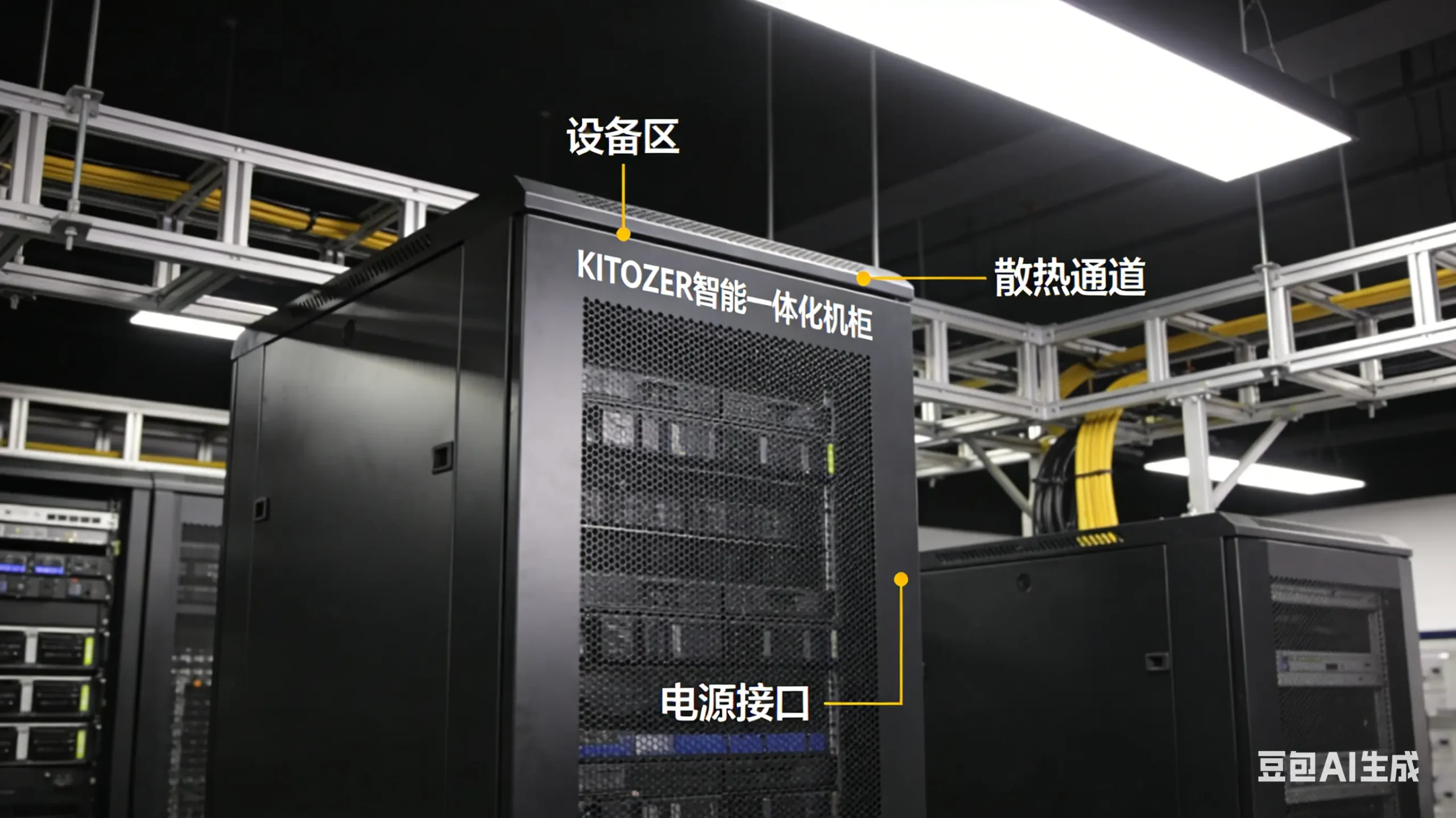
This design framework applies to Other Systems. The objective is a compliant, serviceable and cost-effective configuration built from verified subsystems.
The design objective is that no required item is left outside the packages: every supporting and project-specific item is identified, assigned an owner, given a specification and an interface, and included in the verification plan.
Design Basis
The design basis includes site survey data, load requirements, environmental conditions, applicable codes and the customer’s operational requirements. All parameters are confirmed with the customer before final design.
The design basis records the functions the facility needs beyond the named families, the systems each item serves, the environment and standards that apply, the space and services available, and the documentation and spares expectations.

Architecture
The system architecture follows the standard structure of this family: related subcategories. Each element is selected for its function within the overall design.
The architecture is the item register plus the interface definition: what each item does, what it connects to, who owns it, and which acceptance criteria apply. Review confirms that every required function has an owner and that no interface is left to be resolved on site.

Subsystem Design
Each item is designed functionally rather than by product type: define the duty and duty cycle, the conditions to be survived, the interfaces to be presented and the standards to be met, then select or specify the item against them. Because these items are often single-source or bespoke, drawing approval and inspection records carry more weight than a catalogue datasheet.
Configuration
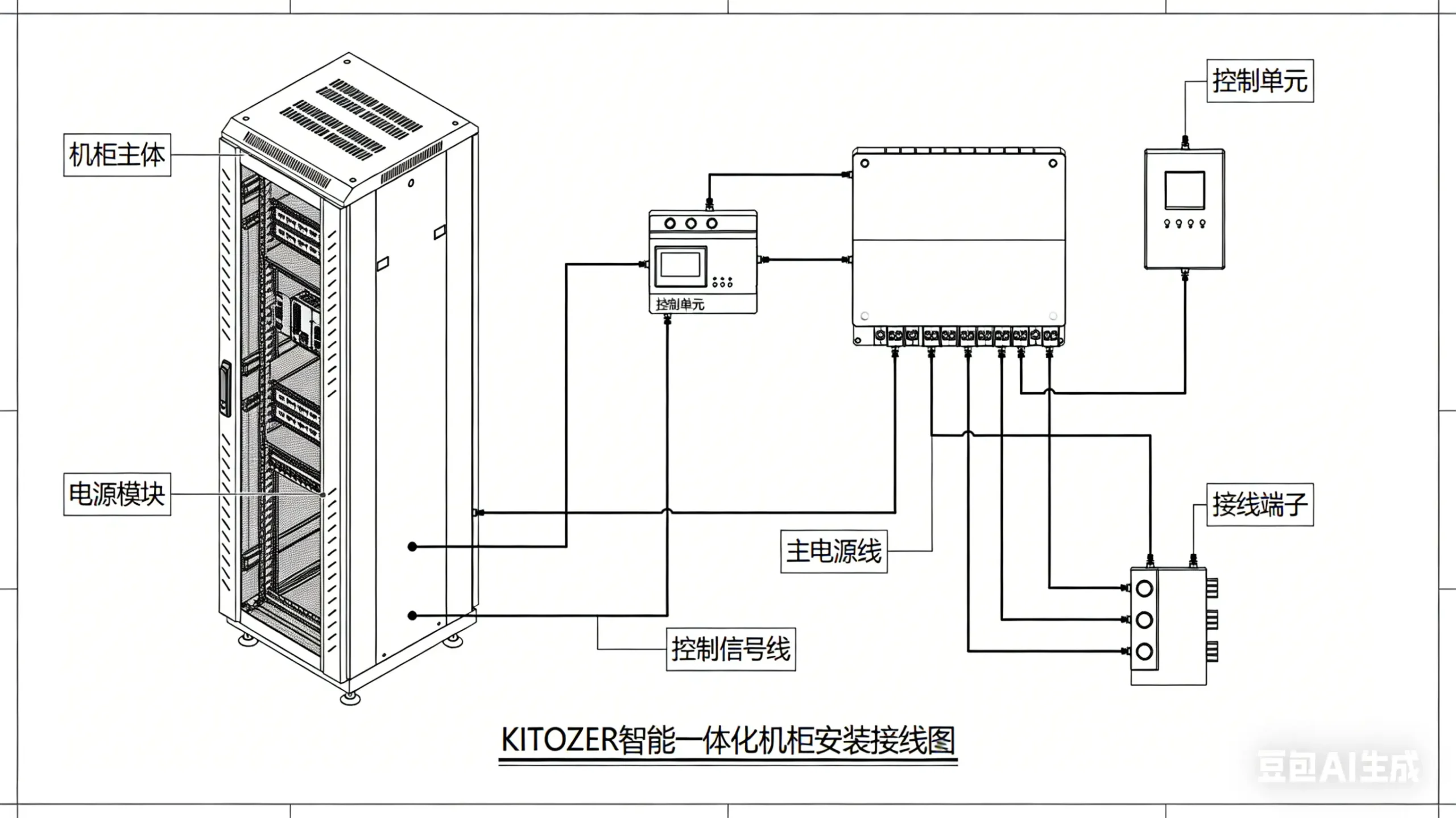
Configuration tiers are defined by capacity, redundancy and environmental class. A preliminary configuration table with model numbers is prepared during the design phase and finalized after technical confirmation.
Configuration tiers follow duty, environment and criticality, with options for standby capacity where the item supports a critical function. The preliminary configuration is verified against the facility survey, since space and available services usually decide the feasible arrangement.

Construction & Commissioning
The deployment plan covers site preparation, installation sequence, cabling, testing and acceptance. Commissioning follows a documented checklist to verify each subsystem before handover.
Deployment follows the register: items are ordered with adequate lead time, interfaces are confirmed before installation, and the sequence is planned so an auxiliary item does not block completion of a main package. Documentation and spares are secured at delivery, not after commissioning.

Testing & Acceptance
Acceptance testing covers functional tests, safety checks and performance verification against the design objectives. Documentation is delivered with the as-built record.
Acceptance testing verifies each item against its specification and standards, confirms interfaces operate with the systems served, and checks that inspection evidence, spares and documentation are complete. For bespoke items the agreed acceptance criteria are the test basis.
FAQ
Frequently Asked Questions about this Other Systems design framework — quick reference.
1. Can the design be customized?
Yes; customization follows a documented process covering specification confirmation, engineering review and lead time.
2. What is the design objective?
That no required item is left outside the packages — every item identified, owned, specified, interfaced and verified.
3. What data is needed before design?
The functions required beyond the named families, the systems each item serves, the environment and standards, available space and services, and documentation and spares expectations.
4. What is the item register?
A list of every supporting and project-specific item with its owner, interface and acceptance criteria, reviewed at design freeze and before procurement.
5. How are these items specified?
Functionally: duty and duty cycle, conditions to be survived, interfaces to be presented and standards to be met, with drawing approval before manufacture.
6. How is criticality handled?
By duty and consequence: items supporting a critical function are given standby capacity and more frequent verification.
7. What causes late discoveries?
Items outside every package being ordered late and installed without coordination; the register and a named owner are the control.
8. What should be verified at acceptance?
Compliance with the specification and standards, correct interface operation, inspection and test evidence, and a complete spares and documentation package.
9. How are bespoke items accepted?
Against written acceptance criteria agreed before order, supported by drawing approval and inspection records.
10. What documentation is delivered?
Specification compliance, drawings as approved, test and inspection records, operating and maintenance information and the spares list.
Conclusion
KITOZER provides design-plan support for Other Systems projects. Contact the engineering team for a design questionnaire and preliminary proposal.
Related Products
Explore the KITOZER Other Systems product range for related solutions and configurations.
Related Articles
Other Systems: Industry & Engineering Guide
Other Systems: Engineering Considerations
About Guangzhou Lain Intelligent System Development Co., Ltd.
Guangzhou Lain Intelligent System Development Co., Ltd. (KITOZER) provides design-plan support for other systems projects — from requirement questionnaire to configuration, commissioning and handover documentation. From single rooms to enterprise facilities, Lain provides design, manufacturing, integration, testing and after-sales service under one roof and exports worldwide.
Contact us for a free technical consultation:
- Company: Guangzhou Lain Intelligent System Development Co., Ltd.
- Address: 1st Floor, Building A, Chaotian Industrial Park, Zhongrun Industrial Park, Shilou Town, Panyu District, Guangzhou, Guangdong, China
- Tel/WeChat: +86 135-0923-8849 | +86 135-0923-8849
- WhatsApp: +86 135-0923-8849
- Email: zl19068534140@gmail.com
- Website: www.gdlain.com | Request a Quote
Typical response time: within one business day. Project references, drawings and samples are available on request.