Engineering considerations for other systems — how function, interface and verification are defined for project-specific equipment, where these packages fail, and what a verification checklist should prove.
Technical Context
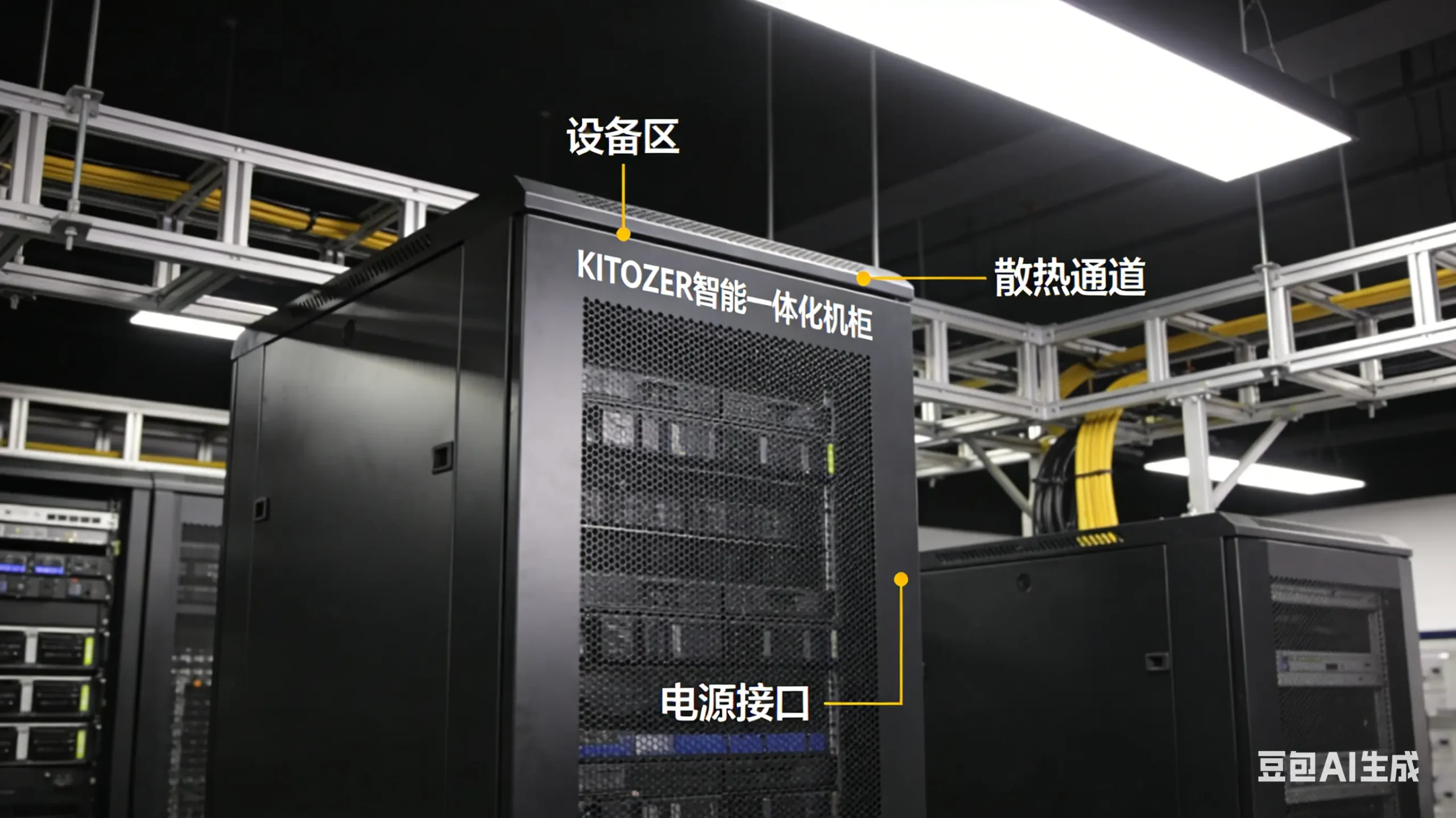
Other Systems involves multiple engineering disciplines working together: structure, thermal management, electrical distribution, control and environmental protection. This article outlines the engineering considerations that determine reliable operation.
Other systems covers the supporting and project-specific equipment that completes a facility but does not sit in a named product family. The engineering problem is not technical complexity but definition: an item that belongs to no package is easily left unowned, unordered and unverified. The considerations therefore begin with scope and interface rather than with a datasheet.
The second consideration is that these items often serve a critical function quietly. An auxiliary pump, a drainage system, a distribution board for auxiliary loads or a bespoke bracket can stop a facility just as effectively as a major system, while attracting far less design attention. Applying the same specification, verification and documentation discipline as the main families is what prevents them becoming the weak point.
Engineering Mechanism
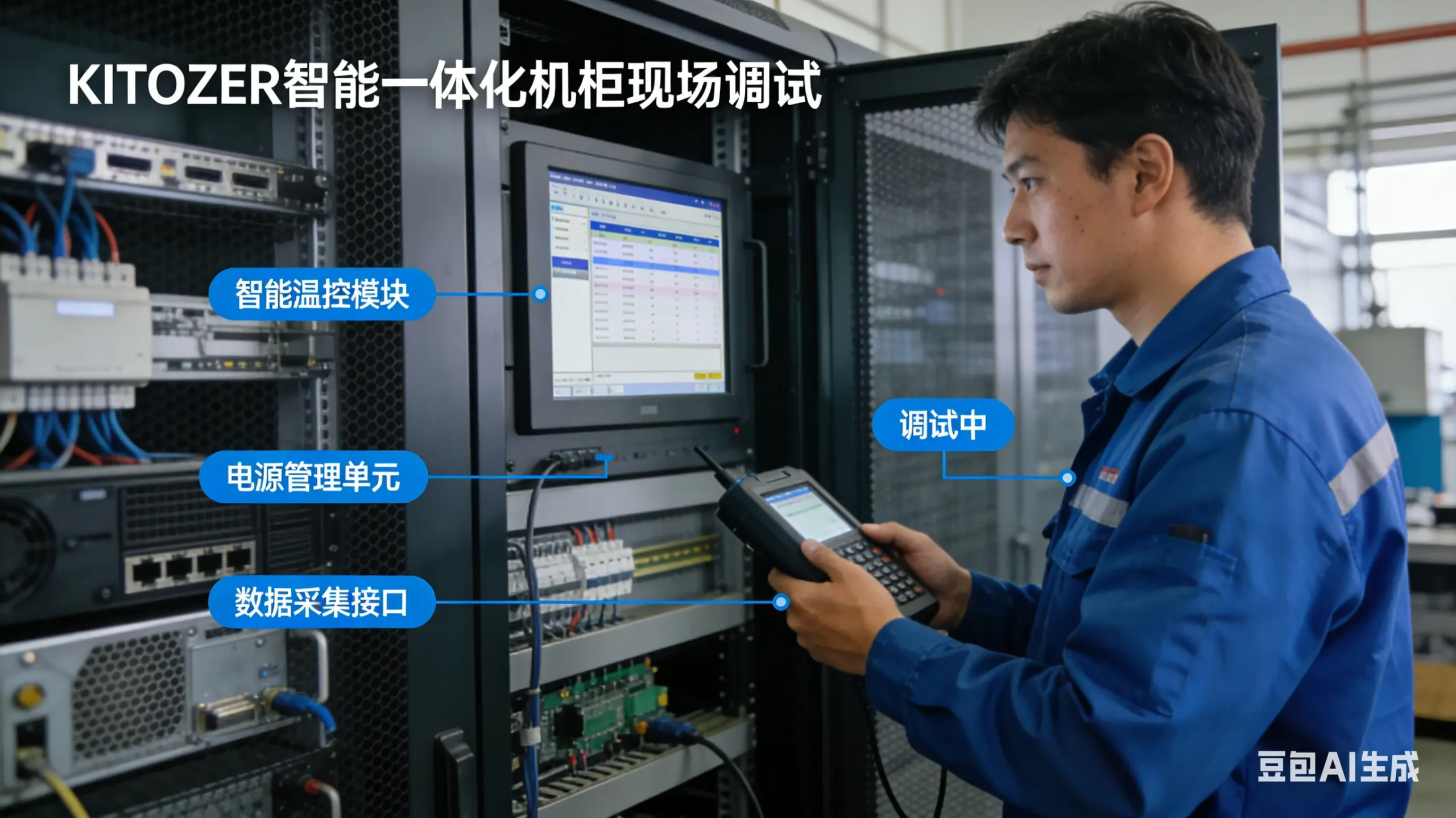
Each subsystem in this family has a defined function: related subsystems. Correct specification depends on understanding how these subsystems interact under real operating conditions.
The mechanism is functional rather than product-based. Each item is defined by what it must do, the conditions it must survive, the interfaces it must present and the standards it must meet. Because these items are frequently single-source or bespoke, drawing approval before manufacture and inspection against the agreed specification carry more weight than a standard datasheet would in a catalogue purchase.
What decides success is ownership and interface definition. Where every item has a named owner and a defined interface to the systems it serves, it will be ordered, installed and tested in sequence. Where it does not, it will be discovered late — typically at commissioning, when the facility is nearly complete and every correction is expensive and visible.
Selection Variables
- Load profile and peak demand
- Environmental class: temperature, humidity, dust and ingress protection
- Space and structural constraints
- Redundancy and availability targets
- Maintenance access and lifecycle cost
The variables translate into a specification and a register. Load profile and peak demand set ratings for auxiliary equipment. Environmental class sets ingress protection and materials. Space and structural constraints set dimensions and mounting. Redundancy targets decide whether the item needs standby capacity of its own. Maintenance access sets clearances, and lifecycle cost weighs purchase price against the consequence of an unsupported single-source item failing.
Installation & Integration Concerns
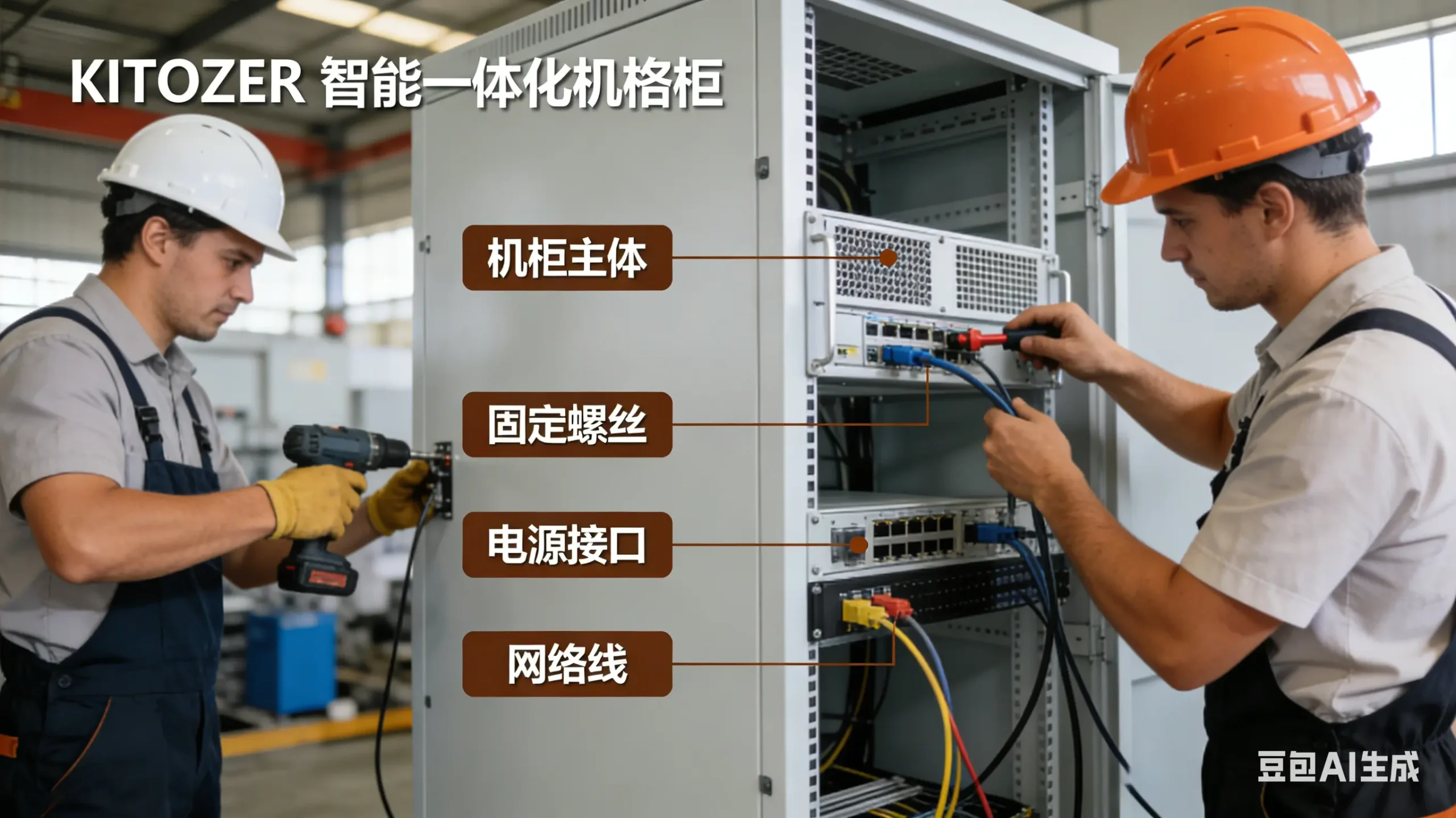
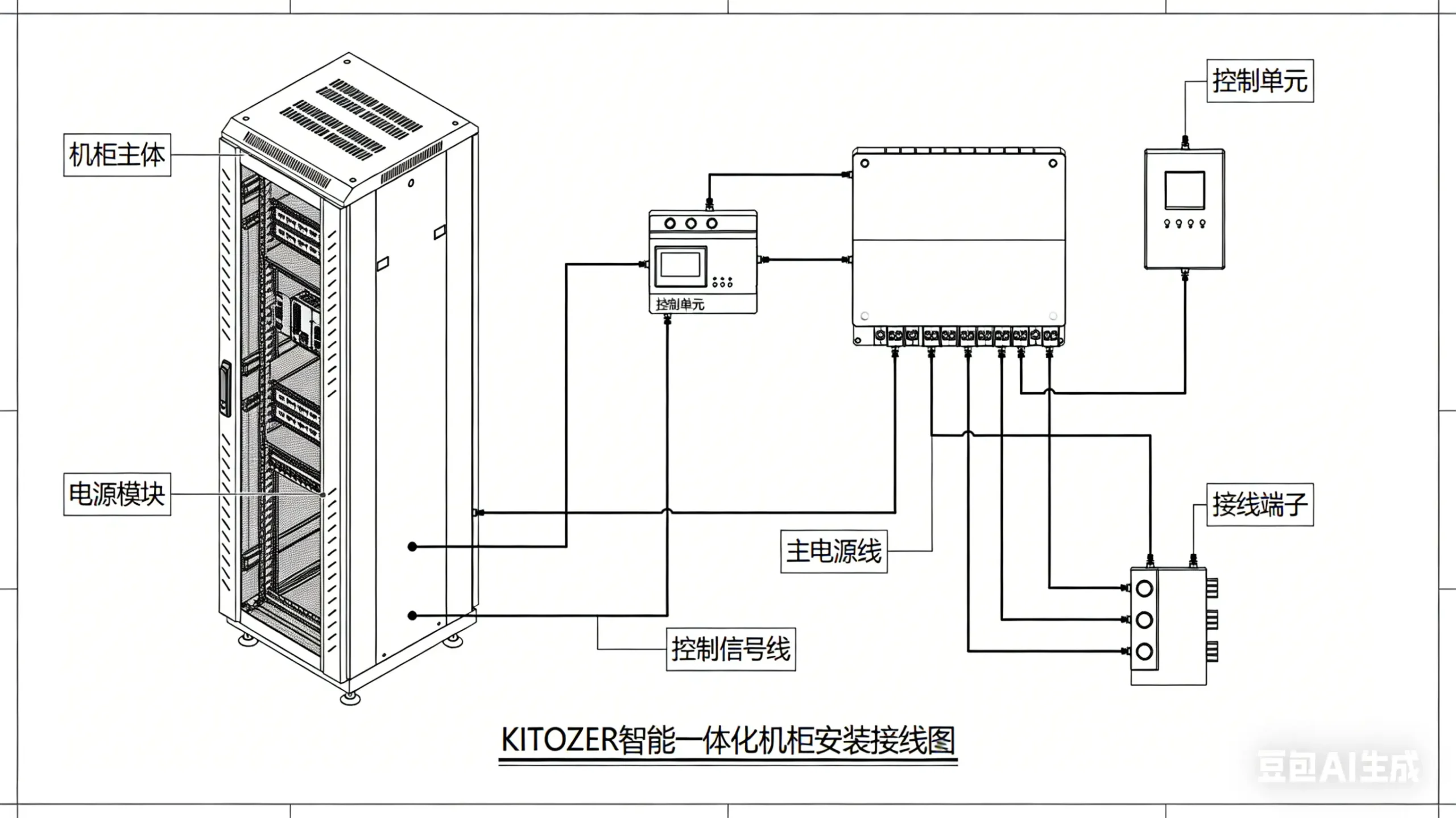
Common installation concerns include clearance for maintenance, cable routing, grounding and coordination with adjacent systems. These should be reviewed during the design stage, not discovered on site.
Installation concerns are coordination concerns. Interfaces to the systems served must be confirmed rather than assumed; space and services must be available when the item arrives; and the sequence must be planned so an auxiliary item does not block completion of a main package. Where an item is unique, spares and documentation should be secured before installation rather than after.
Common Failure Modes
Typical failure modes in this category relate to thermal stress, electrical connection quality, environmental ingress and control configuration errors. Preventive measures include routine inspection, torque checks and environmental monitoring.
The failures are predictable and unglamorous. Items arrive late and delay handover; interfaces do not match so adapters are improvised on site; documentation is missing so no one can maintain the item; spares are unavailable so a small failure becomes a long outage; and inspection criteria were never agreed, so acceptance becomes a matter of opinion. All are avoided by giving the item a specification, an owner, an interface and acceptance criteria at the design stage.
Verification Checklist
- Specification matches site survey data
- Ratings verified against manufacturer documentation
- Installation follows the manual sequence
- Functional tests completed and recorded
Verification should confirm the item against the agreed specification and standards, that its interfaces match the systems it serves, that drawings were approved before manufacture, that inspection and test evidence exists, and that spares and documentation are complete. For bespoke items the acceptance criteria are agreed in writing before order.
Conclusion
Engineering discipline at specification and installation stage is the most effective way to control risk in other systems projects. Consult KITOZER engineering for verified technical documentation and support.
For other systems the engineering considerations are definition and ownership. Name each item, define its interface, specify what it must do, and verify delivery against that specification — that is what keeps an unnamed scope from becoming the last problem discovered.

Frequently Asked Questions — Quick Reference
1. What is the main engineering consideration for other systems?
Definition: scope, ownership and interfaces. An item that belongs to no package is easily left unordered and unverified until commissioning.
2. How is an unspecified item treated?
Functionally — define what it must do, the conditions it must survive, its interfaces and the standards it must meet, then verify the delivered item against those.
3. What data is needed before specification?
The function required, the environment, the interfaces to the systems it serves, applicable standards, space and services available, and the maintenance and spares expectation.
4. Why do these packages fail?
Late ordering, mismatched interfaces improvised on site, missing documentation, unavailable spares and acceptance criteria that were never agreed.
5. What is the role of a register?
It lists each item with owner, interface and standard, and is reviewed at design freeze and before procurement so nothing is missed.
6. How are bespoke items accepted?
Against acceptance criteria agreed in writing before order, supported by drawing approval and inspection records.
7. How are interfaces managed?
Each item has a defined interface to the systems it serves, recorded in the register so coordination does not depend on assumptions.
8. How should spares be handled?
A spares list and support arrangement are agreed at order, because single-source or bespoke items cannot be substituted quickly.
9. What should the verification checklist cover?
Specification against the site survey, ratings against documentation, installation sequence, and recorded functional tests including interfaces.
10. What documentation should be requested?
Specification compliance, drawing approval, material and test certificates, inspection records and the spares list.
Related Products
Explore the KITOZER Other Systems product range for related solutions and configurations.
Related Articles
Other Systems: Technical FAQ
Other Systems: Industry & Engineering Guide
About Guangzhou Lain Intelligent System Development Co., Ltd.
Guangzhou Lain Intelligent System Development Co., Ltd. (KITOZER) supplies and integrates other systems — engineered, tested and supported as one coordinated system for data centers, telecom sites and industrial facilities. From single rooms to enterprise facilities, Lain provides design, manufacturing, integration, testing and after-sales service under one roof and exports worldwide.
Contact us for a free technical consultation:
- Company: Guangzhou Lain Intelligent System Development Co., Ltd.
- Address: 1st Floor, Building A, Chaotian Industrial Park, Zhongrun Industrial Park, Shilou Town, Panyu District, Guangzhou, Guangdong, China
- Tel/WeChat: +86 135-0923-8849 | +86 135-0923-8849
- WhatsApp: +86 135-0923-8849
- Email: zl19068534140@gmail.com
- Website: www.gdlain.com | Request a Quote
Typical response time: within one business day. Project references, drawings and samples are available on request.