Design Objectives
This design framework applies to Sheet Metal Fabrication. The objective is a compliant, serviceable and cost-effective configuration built from verified subsystems.
The design objective is an enclosure that fits first time and performs in service: dimensions and tolerances that allow assembly, materials and thickness that carry the load, a joining method suited to the duty, and a finishing system that survives the environment.
Design Basis
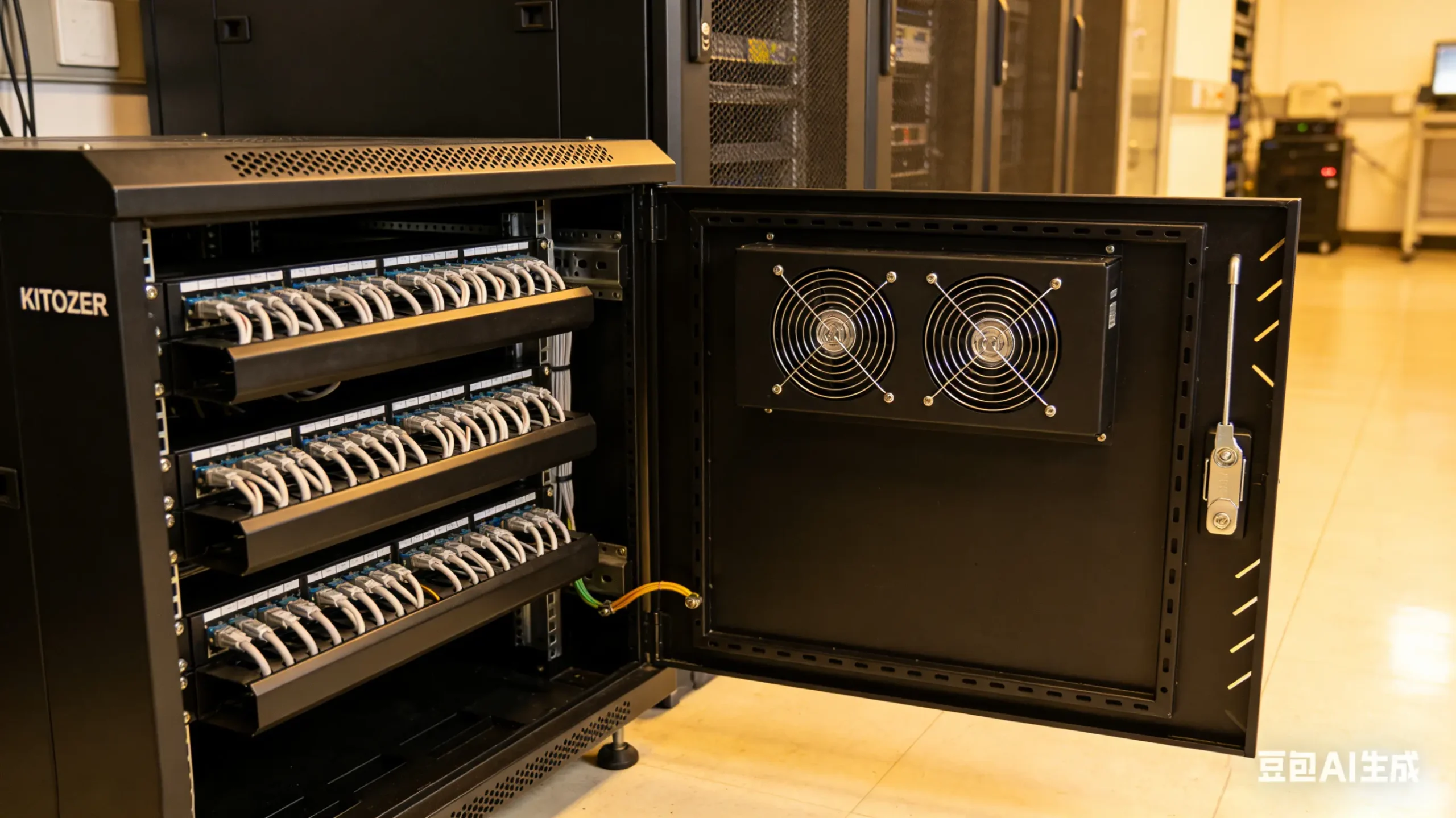
The design basis includes site survey data, load requirements, environmental conditions, applicable codes and the customer’s operational requirements. All parameters are confirmed with the customer before final design.
The design basis records the equipment and loads the enclosure must carry, the environment and required ingress or corrosion performance, the mechanical and thermal duty, the applicable standards, the production volume and lead time, and the inspection criteria to be used at delivery.

Architecture
The system architecture follows the standard structure of this family: Custom Sheet-Metal Products, Outdoor Sheet-Metal Structures, Sheet-Metal Accessories & Finishing, Standard Sheet-Metal Enclosures. Each element is selected for its function within the overall design.
The architecture fixes material, thickness, construction method and finishing together: sheet steel, stainless or aluminium; folded, welded or fastened construction; and the coating or plating system. Review confirms that the chosen gauge and joint method suit the intended load and that access, doors and mounting points are consistent with service requirements.
Subsystem Design
- Custom Sheet-Metal Products
- Outdoor Sheet-Metal Structures
- Sheet-Metal Accessories & Finishing
- Standard Sheet-Metal Enclosures
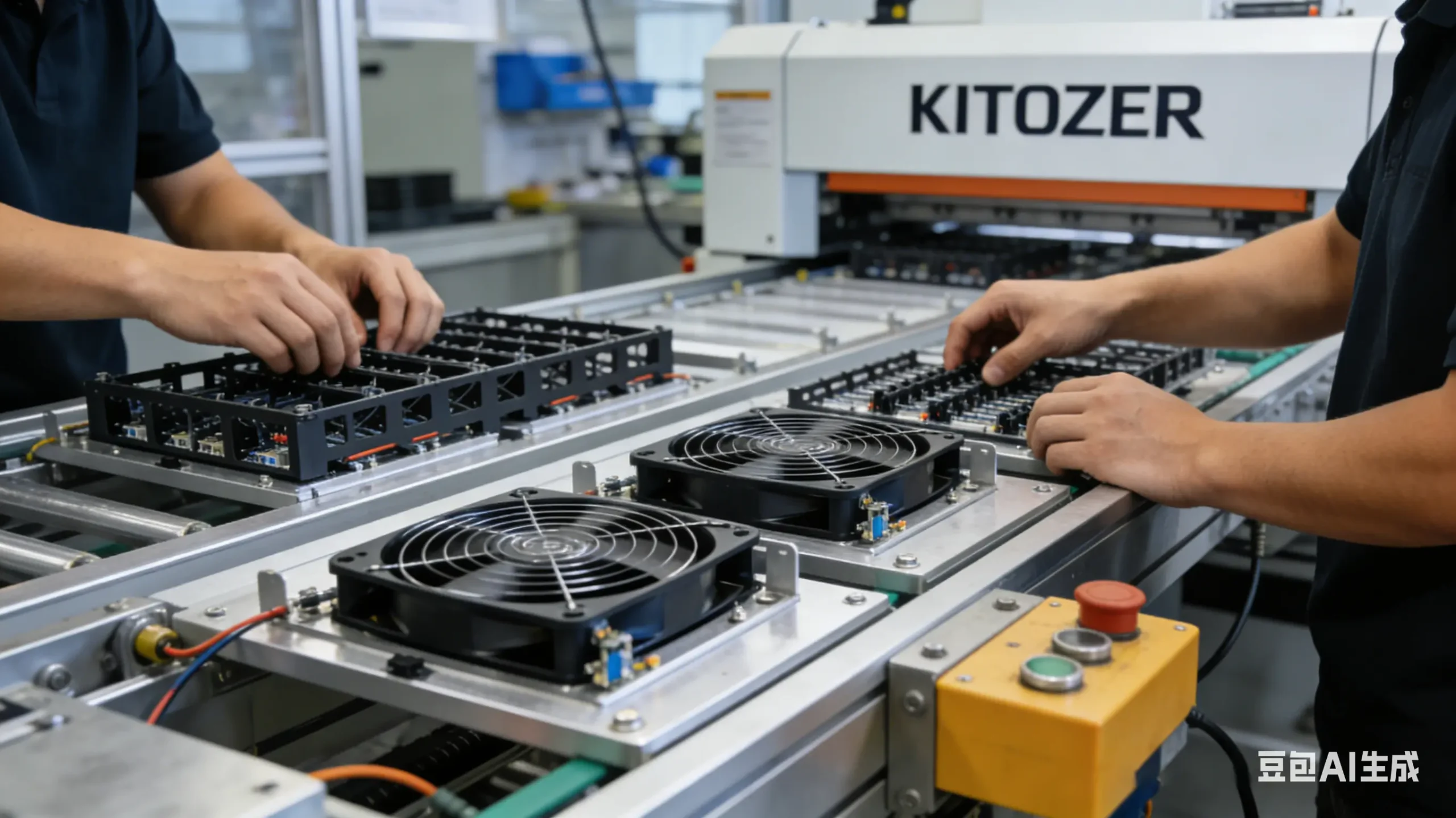
Each subcategory takes a different production path: standard enclosures are series-produced with fixed tooling, custom products are built to drawing, outdoor structures add weather and corrosion requirements, and accessories and finishing cover brackets, panels, powder coating, plating and printing. Tolerance class, joining method and surface treatment are specified together, because changing one changes the others.
Configuration
Configuration tiers are defined by capacity, redundancy and environmental class. A preliminary configuration table with model numbers is prepared during the design phase and finalized after technical confirmation.
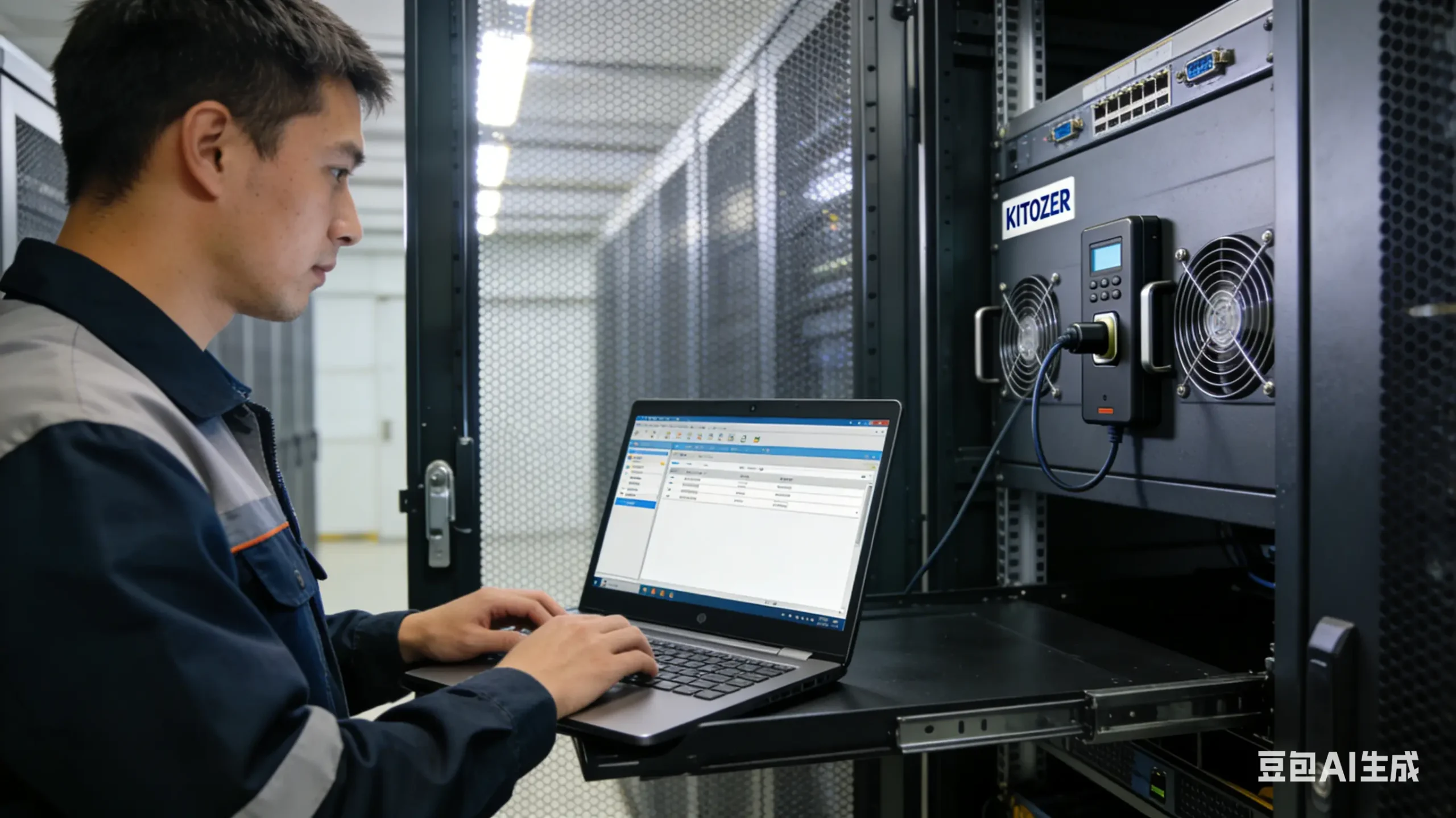
Configuration tiers follow size, material, ingress rating and finish, with options for tooling investment where repeat volume justifies it. The preliminary configuration is verified against the equipment drawing and the service environment before production.
Construction & Commissioning
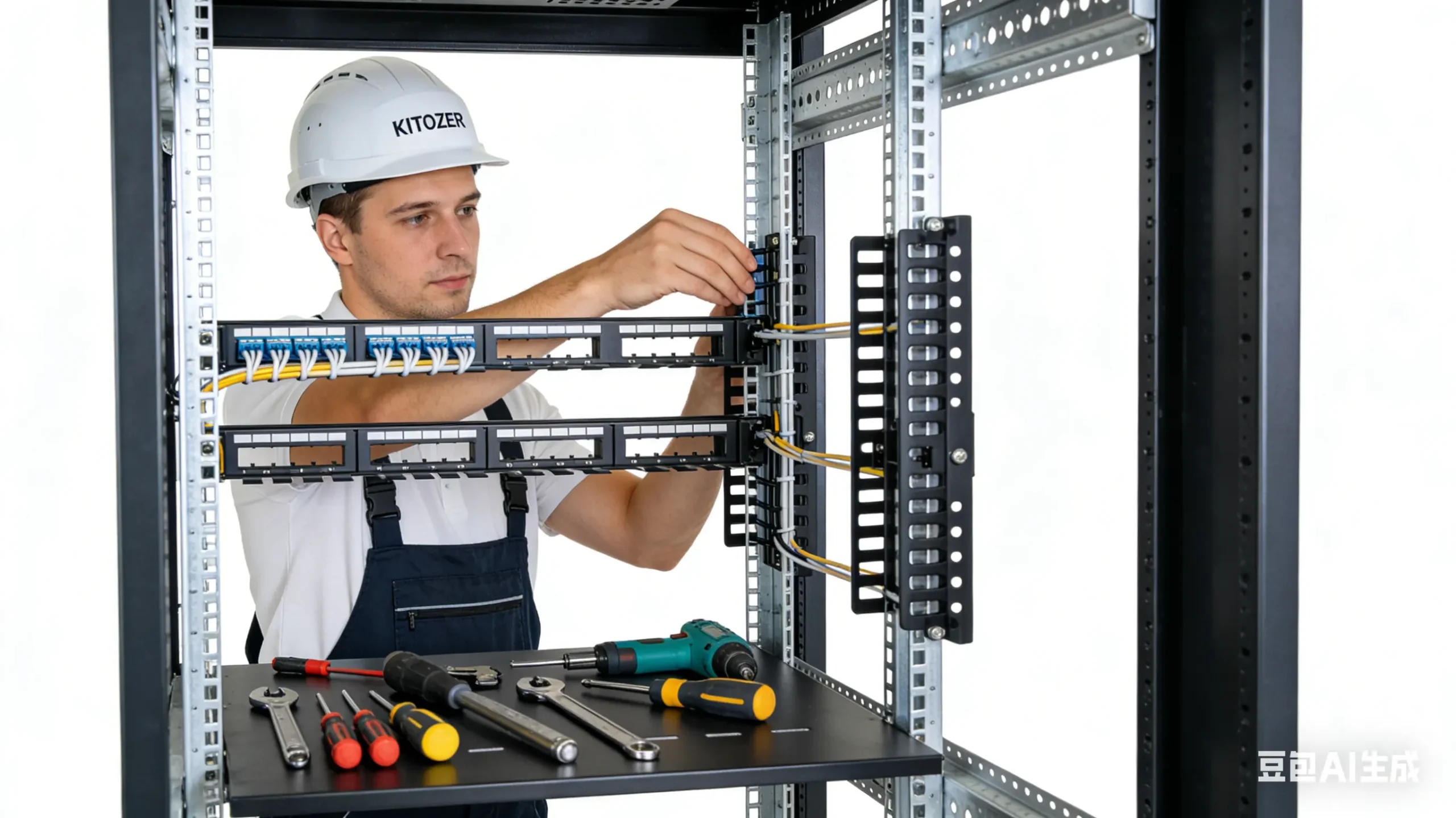
The deployment plan covers site preparation, installation sequence, cabling, testing and acceptance. Commissioning follows a documented checklist to verify each subsystem before handover.
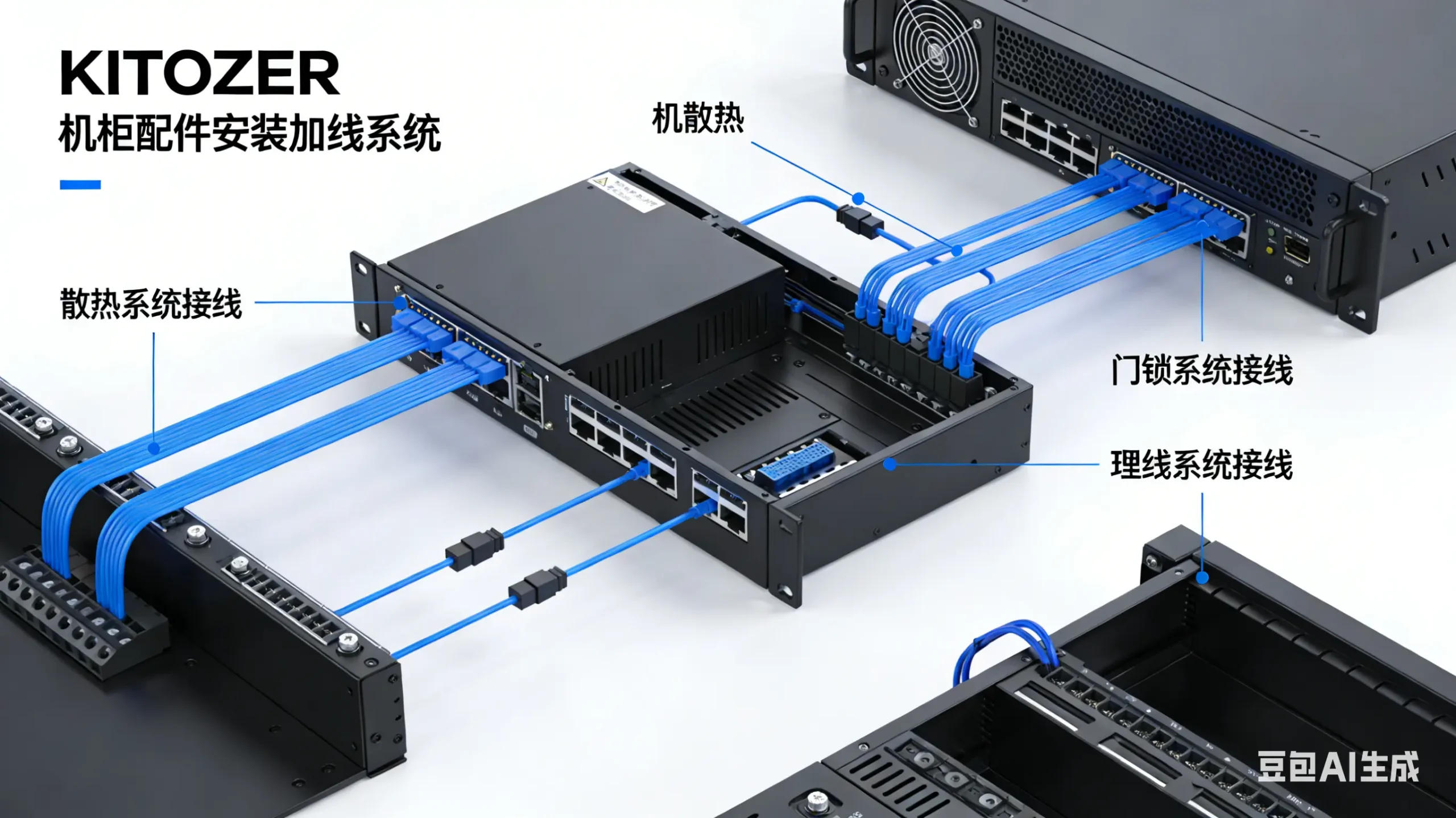
Production is a controlled sequence: drawing review and manufacturability feedback, material certification, cutting, forming, welding or fastening, surface preparation and coating, assembly with hardware and gaskets, and final inspection. First-article approval locks the process before volume production.
Testing & Acceptance
Acceptance testing covers functional tests, safety checks and performance verification against the design objectives. Documentation is delivered with the as-built record.
Acceptance testing verifies dimensions and flatness against the drawing, coating thickness and adhesion, hardware and gasket fit, and correct labelling, with material certificates and inspection records delivered with the goods.
FAQ
Frequently Asked Questions about this Sheet Metal Fabrication design framework — quick reference.
1. Can the design be customized?
Yes; customization follows a documented process covering specification confirmation, engineering review and lead time.
2. What is the design objective?
An enclosure that fits first time and performs in service — correct tolerances, adequate material and thickness, a suitable joining method and a durable finish.
3. What data is needed before production?
The equipment and loads to be carried, the environment and ingress or corrosion requirement, production volume, lead time and the inspection criteria.
4. Why do tolerance errors matter?
They accumulate: small deviations stop doors closing, gaskets sealing and hardware aligning, which appears as leaks and rework.
5. How are material and thickness chosen?
By the load, the environment and the weight requirement, using cold-rolled or galvanised steel, stainless or aluminium as appropriate, with the grade certified.
6. How is welding distortion controlled?
Through joint design, sequencing and fixturing, plus stress relief where needed, so flatness stays within tolerance.
7. What finishing options are available?
Powder coating, wet paint, plating and passivation, with surface preparation matched to the substrate and service environment.
8. What is first-article inspection?
Approving the first production unit against the drawing before volume runs, which locks the process and catches errors cheaply.
9. What is inspected before delivery?
Dimensions and flatness, coating thickness and adhesion, hardware and gasket fit, and labelling.
10. What documentation is delivered?
Material certificates, first-article report, coating specification and test results, and inspection records.
Conclusion
KITOZER provides design-plan support for Sheet Metal Fabrication projects. Contact the engineering team for a design questionnaire and preliminary proposal.
Related Products
This design framework applies to Sheet Metal Fabrication. The objective is a compliant, serviceable and cost-effective configuration built from verified subsystems.
Related Articles
Sheet Metal Fabrication: Technical FAQ
Sheet Metal Fabrication: Engineering Considerations
About Guangzhou Lain Intelligent System Development Co., Ltd.
Guangzhou Lain Intelligent System Development Co., Ltd. (KITOZER) provides design-plan support for sheet metal fabrication projects — from requirement questionnaire to configuration, commissioning and handover documentation. From single rooms to enterprise facilities, Lain provides design, manufacturing, integration, testing and after-sales service under one roof and exports worldwide.
Contact us for a free technical consultation:
- Company: Guangzhou Lain Intelligent System Development Co., Ltd.
- Address: 1st Floor, Building A, Chaotian Industrial Park, Zhongrun Industrial Park, Shilou Town, Panyu District, Guangzhou, Guangdong, China
- Tel/WeChat: +86 135-0923-8849 | +86 135-0923-8849
- WhatsApp: +86 135-0923-8849
- Email: zl19068534140@gmail.com
- Website: www.gdlain.com | Request a Quote
Typical response time: within one business day. Project references, drawings and samples are available on request.