Engineering considerations for sheet metal fabrication — how material, tolerance, joining and finish interact, which variables drive specification, where production goes wrong, and what a verification checklist should prove.
Technical Context
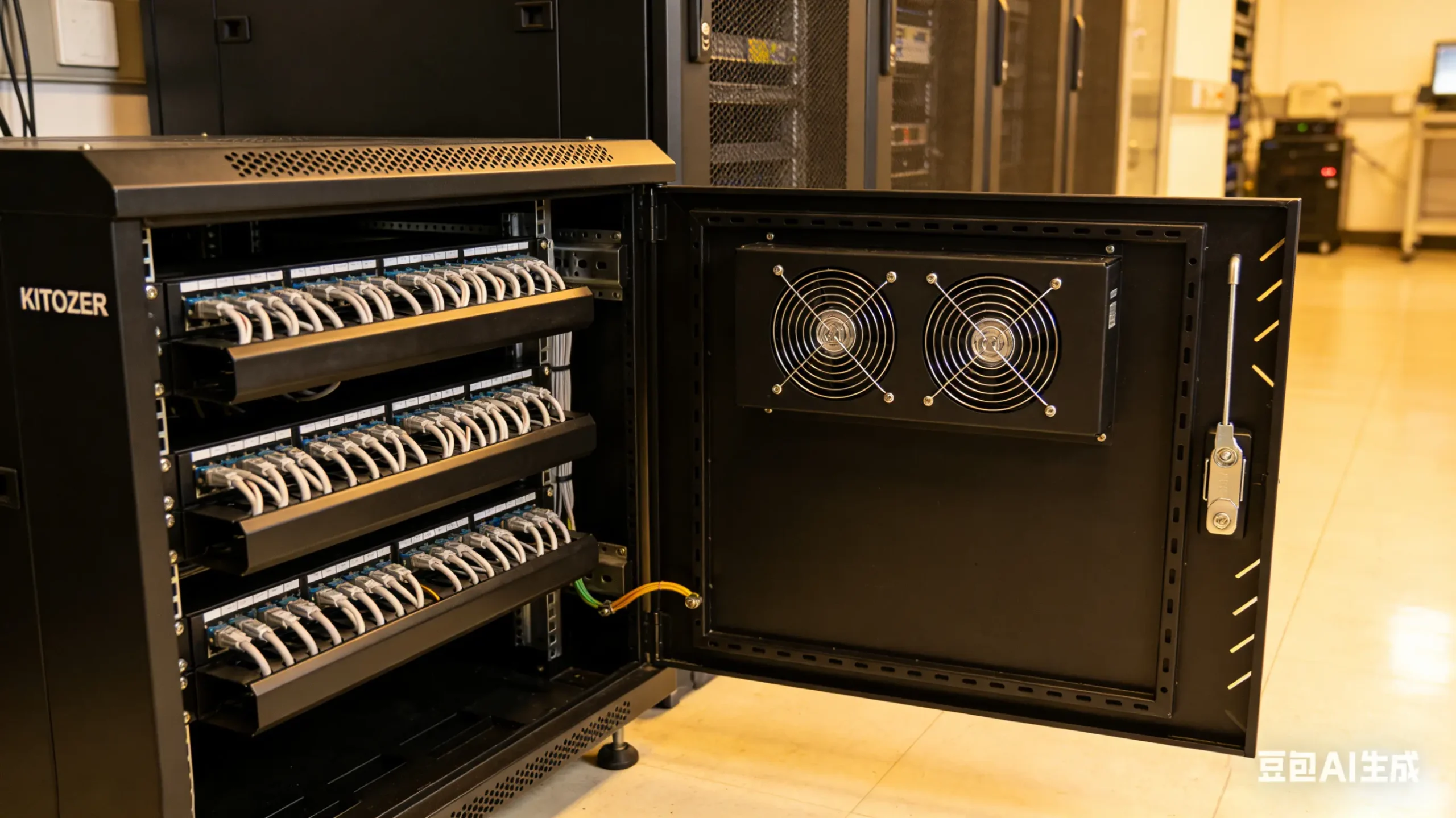
Sheet Metal Fabrication involves multiple engineering disciplines working together: structure, thermal management, electrical distribution, control and environmental protection. This article outlines the engineering considerations that determine reliable operation.
Sheet metal fabrication is an engineering problem because it is a chain of processes, each of which can shift the result. Cutting tolerance feeds into forming, forming into welding, welding heat into flatness, and surface preparation into coating adhesion. The delivered enclosure is the accumulated result of every step, so the engineering considerations are process control, material selection and inspection rather than the machine list.
The other constraint is the environment the finished part must live in. An enclosure for a conditioned room and one for a coastal pole may share a drawing but not a specification: material grade, thickness, joint method and coating system all change with service conditions. The drawing therefore has to state not only dimensions but the performance the part must meet, or the fabricator will produce to the cheapest interpretation.

Engineering Mechanism
Each subsystem in this family has a defined function: Custom Sheet-Metal Products, Outdoor Sheet-Metal Structures, Sheet-Metal Accessories & Finishing, Standard Sheet-Metal Enclosures. Correct specification depends on understanding how these subsystems interact under real operating conditions.
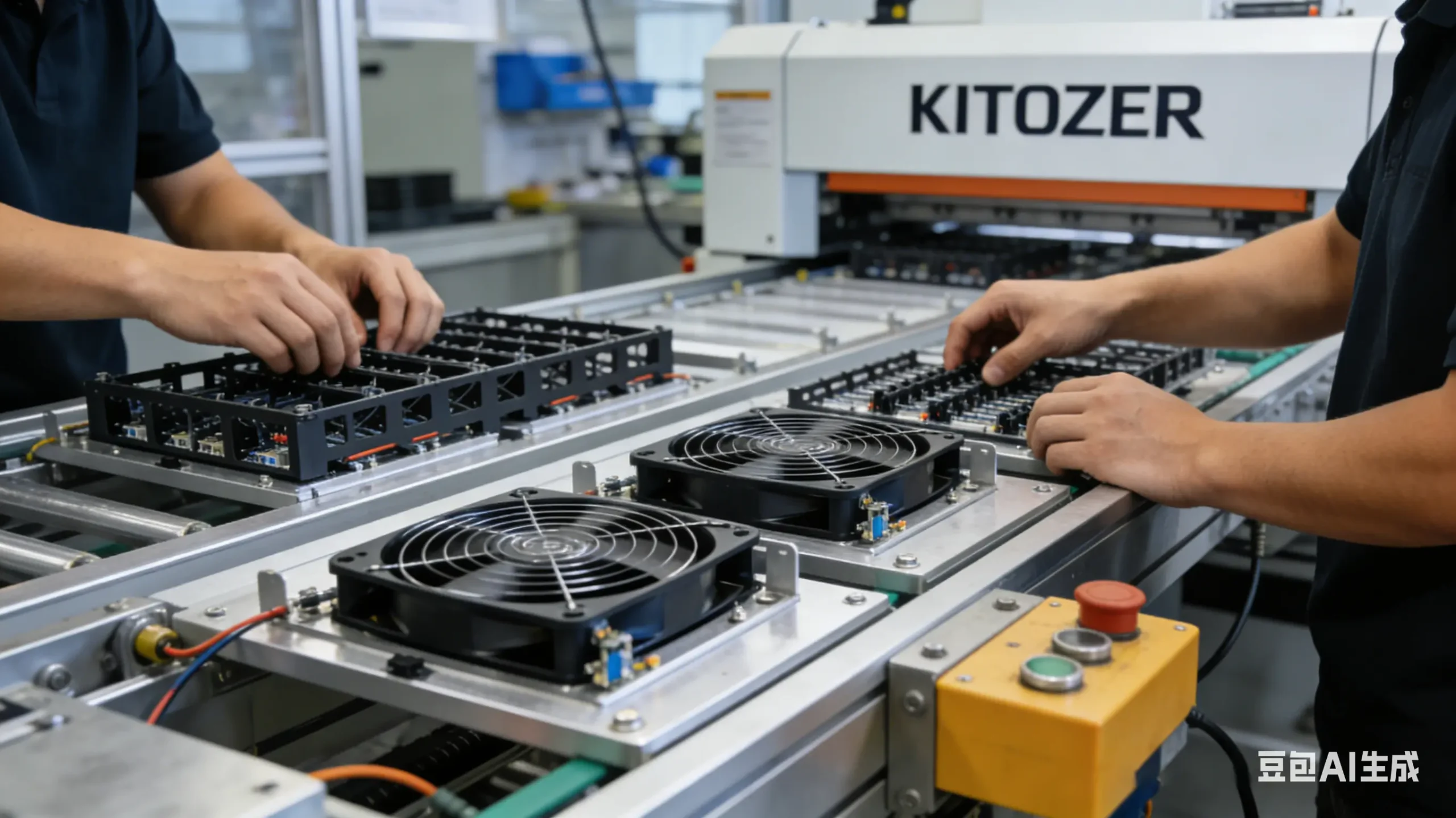
The production paths differ by product. Standard sheet-metal enclosures are series-produced to a fixed design, where tooling and process control give repeatability. Custom sheet-metal products are built to drawing for a specific project, where manufacturability review before production prevents costly errors. Outdoor sheet-metal structures add weather and corrosion requirements, and accessories and finishing cover brackets, panels, powder coating, plating and printing. In every case the mechanism is the same: material is cut, formed, joined and finished, and each step has a tolerance and a quality check.
What decides whether the result is acceptable is cumulative tolerance and coating integrity. Tolerances add along an assembly, so a part within tolerance individually can produce a door that will not close once welded to a frame that is also within tolerance. Similarly, a coating specified only by colour and gloss will fail at cut edges and threads where the substrate is exposed. Specifying the tolerance stack and the coating system together is what makes the delivered part usable.
Selection Variables
- Load profile and peak demand
- Environmental class: temperature, humidity, dust and ingress protection
- Space and structural constraints
- Redundancy and availability targets
- Maintenance access and lifecycle cost
The variables translate into fabrication specification. Load profile and peak demand set material grade and thickness. Environmental class sets the coating system, salt-spray rating and gasket materials. Space and structural constraints set dimensions, stiffening and mounting points. Serviceability sets door and access design, maintenance access sets removable panels, and lifecycle cost compares a heavier, better-protected build against a lighter one that needs earlier replacement.

Installation & Integration Concerns
Common installation concerns include clearance for maintenance, cable routing, grounding and coordination with adjacent systems. These should be reviewed during the design stage, not discovered on site.
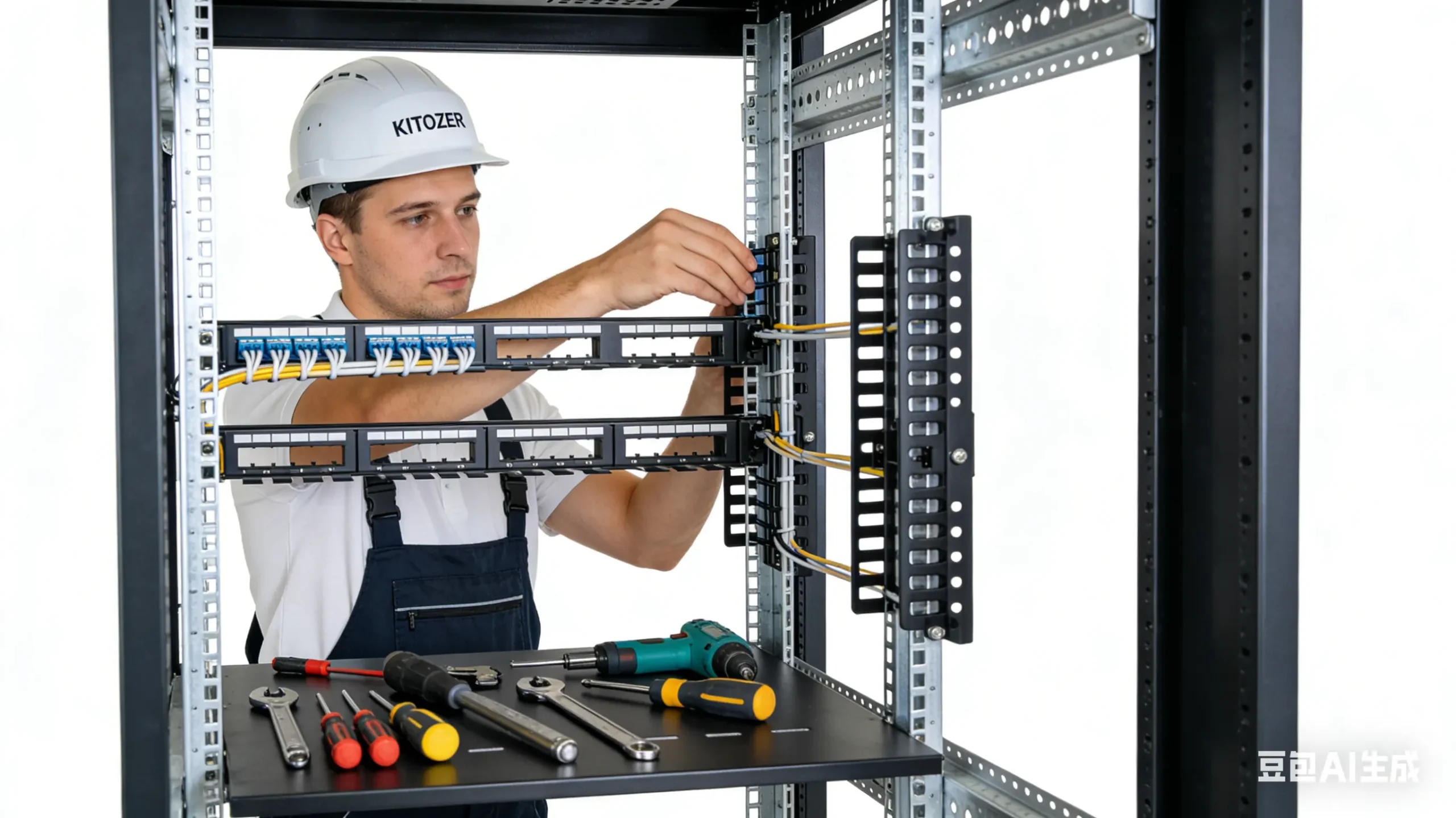
Installation concerns begin on the drawing. Clearance for hardware and tools, cable entry positions, earthing studs, door swing and access for maintenance all have to be designed into the sheet-metal part; discovering them on site means drilling and re-coating, which compromises both strength and corrosion protection. Assemblies should also be checked for tolerance stack and for handling — large panels without lifting points are damaged before they arrive.
Common Failure Modes
Typical failure modes in this category relate to thermal stress, electrical connection quality, environmental ingress and control configuration errors. Preventive measures include routine inspection, torque checks and environmental monitoring.
Fabrication failures show as fit, finish and durability problems. Doors bind because tolerance accumulated; gaskets leak because mating surfaces are not flat; coatings blister or chip at edges and threads; threads strip because the material is too thin; and corrosion starts where coating was damaged in transit. Preventive measures are first-article approval, in-process inspection at cutting and forming, control of welding sequence and heat input, and packaging that protects the finish.
Verification Checklist
- Specification matches site survey data
- Ratings verified against manufacturer documentation
- Installation follows the manual sequence
- Functional tests completed and recorded
Verification should confirm dimensions and flatness against the drawing, tolerance stack across the assembly, coating thickness and adhesion including at cut edges, hardware and gasket fit, material certificates against the specified grade, and protection of the finish for transport. Those records are what allow the part to be accepted into a larger assembly without rework.
Conclusion
Engineering discipline at specification and installation stage is the most effective way to control risk in sheet metal fabrication projects. Consult KITOZER engineering for verified technical documentation and support.
For sheet metal fabrication the engineering considerations are process control and specification clarity: state the performance the part must meet, control each process step, and inspect before shipment rather than after installation.
Frequently Asked Questions — Quick Reference
1. What is the main engineering consideration in sheet metal fabrication?
Process control across the whole chain — cutting, forming, joining and finishing — because each step shifts the result and tolerances accumulate.
2. What data is needed before production?
The equipment and loads to be carried, the service environment and required corrosion performance, production volume and lead time, and the inspection criteria.
3. What causes fit problems?
Cumulative tolerance: parts that are individually within tolerance can still produce a door that will not close once the assembly is welded or fastened.
4. How is corrosion protection specified?
By a coating or plating system with a stated salt-spray rating and surface preparation matched to the substrate and environment, including protection at cut edges and threads.
5. How is welding distortion controlled?
Through joint design, welding sequence and fixturing, with stress relief where needed, so flatness stays within the agreed tolerance.
6. What is first-article inspection?
Approving the first production unit against the drawing before volume runs, which locks the process and catches errors at low cost.
7. What are common installation concerns?
Clearance for tools and hardware, cable entry positions, earthing studs and door swing — all designed in, because site drilling compromises strength and coating.
8. What are the most common failure modes?
Binding doors, leaking gaskets from uneven mating surfaces, coating damage at edges and threads, stripped threads in thin material, and transit damage.
9. What should verification prove?
Dimensions and flatness, tolerance stack, coating thickness and adhesion, hardware and gasket fit, material certificates and protection for transport.
10. What documentation should be requested?
Material certificates, first-article report, coating specification and test results, inspection records and the packing specification.
Related Products
Explore the KITOZER Sheet Metal Fabrication product range for related solutions and configurations.
Related Articles
Sheet Metal Fabrication: Design Plan Framework
Sheet Metal Fabrication: Technical FAQ
About Guangzhou Lain Intelligent System Development Co., Ltd.
Guangzhou Lain Intelligent System Development Co., Ltd. (KITOZER) supplies and integrates sheet metal fabrication — engineered, tested and supported as one coordinated system for data centers, telecom sites and industrial facilities. From single rooms to enterprise facilities, Lain provides design, manufacturing, integration, testing and after-sales service under one roof and exports worldwide.
Contact us for a free technical consultation:
- Company: Guangzhou Lain Intelligent System Development Co., Ltd.
- Address: 1st Floor, Building A, Chaotian Industrial Park, Zhongrun Industrial Park, Shilou Town, Panyu District, Guangzhou, Guangdong, China
- Tel/WeChat: +86 135-0923-8849 | +86 135-0923-8849
- WhatsApp: +86 135-0923-8849
- Email: zl19068534140@gmail.com
- Website: www.gdlain.com | Request a Quote
Typical response time: within one business day. Project references, drawings and samples are available on request.