1. Overview: What This FAQ Covers
An energy meter is the instrument that measures electrical energy — kWh consumed, and often demand, power factor and power quality — at a point in the network. Whether it is a single-phase meter inside a tenant room or a CT-operated three-phase meter on a main feeder, the meter is where billing, benchmarking and energy saving begin. This page answers the questions facility managers, consultants and project engineers ask when choosing, wiring or reading energy meters and submetering systems.
Guangzhou Lain Intelligent System Development Co., Ltd. supplies single-phase and three-phase energy meters, CT-operated meters, multi-circuit submeters and the data collection platform that turns meter pulses and Modbus registers into usable reports. The answers below reflect our standard product range and engineering practice.

2. Types of Energy Meters
2.1 What is the difference between a single-phase and a three-phase meter?
A single-phase meter measures one live conductor and neutral — it is used for rooms, small shops, lighting circuits and any load fed from a single phase. A three-phase meter measures three live conductors and is used for motors, lifts, HVAC plant, kitchens and any three-phase load, or for the incoming supply of a building that wants whole-site energy data on one meter. Choosing correctly is simply a function of the supply: match the meter’s connection to the installation’s supply type, and confirm the meter’s rated voltage and current fit the circuit.
2.2 When is a CT-operated meter needed instead of a direct-connect meter?
Direct-connect meters carry the full load current through the meter, typically up to 80 A (some to 100 A). Above that — or where the main busbar cannot be interrupted to insert a meter — a CT-operated meter is used: current transformers (CTs) clamp or surround each phase conductor and step the current down to a safe 5 A or 1 A secondary, which the meter reads. This is the standard arrangement for main switchboards, sub-mains and any feeder above about 80 A, and it keeps the meter physically separate from the heavy conductors while still measuring accurately.

3. Metering Features and Accuracy
3.1 What does a smart meter measure besides kWh?
A smart meter measures active energy (kWh) and, depending on the model, reactive energy (kvarh), instantaneous power, voltage, current, power factor, frequency, demand and even power quality events such as sags and harmonics. It records a load profile (interval data, for example every 15 minutes), supports time-of-use tariffs with multiple rate registers, and communicates over RS485/Modbus, pulse output, M-Bus, Wi-Fi or 4G/NB-IoT. That data turns the meter from a billing counter into the sensor that shows when, where and why energy is used — which is exactly what energy-saving projects need.
3.2 What accuracy class should I choose?
For billing between landlord and tenant, choose Class 1.0 or better for active energy (Class 0.5S for CT-operated revenue metering); for internal monitoring and benchmarking, Class 1.0 or 2.0 is normally sufficient. Accuracy also depends on the CTs: a Class 0.5 meter is only as good as its Class 0.5 CTs and correct wiring. We match meter class, CT class and wiring verification to the purpose — revenue-grade where money changes hands, and cost-effective monitoring grade elsewhere — so you never overpay for accuracy you do not need.
4. Architecture and Data Flow
4.1 How do meters connect into a monitoring platform?
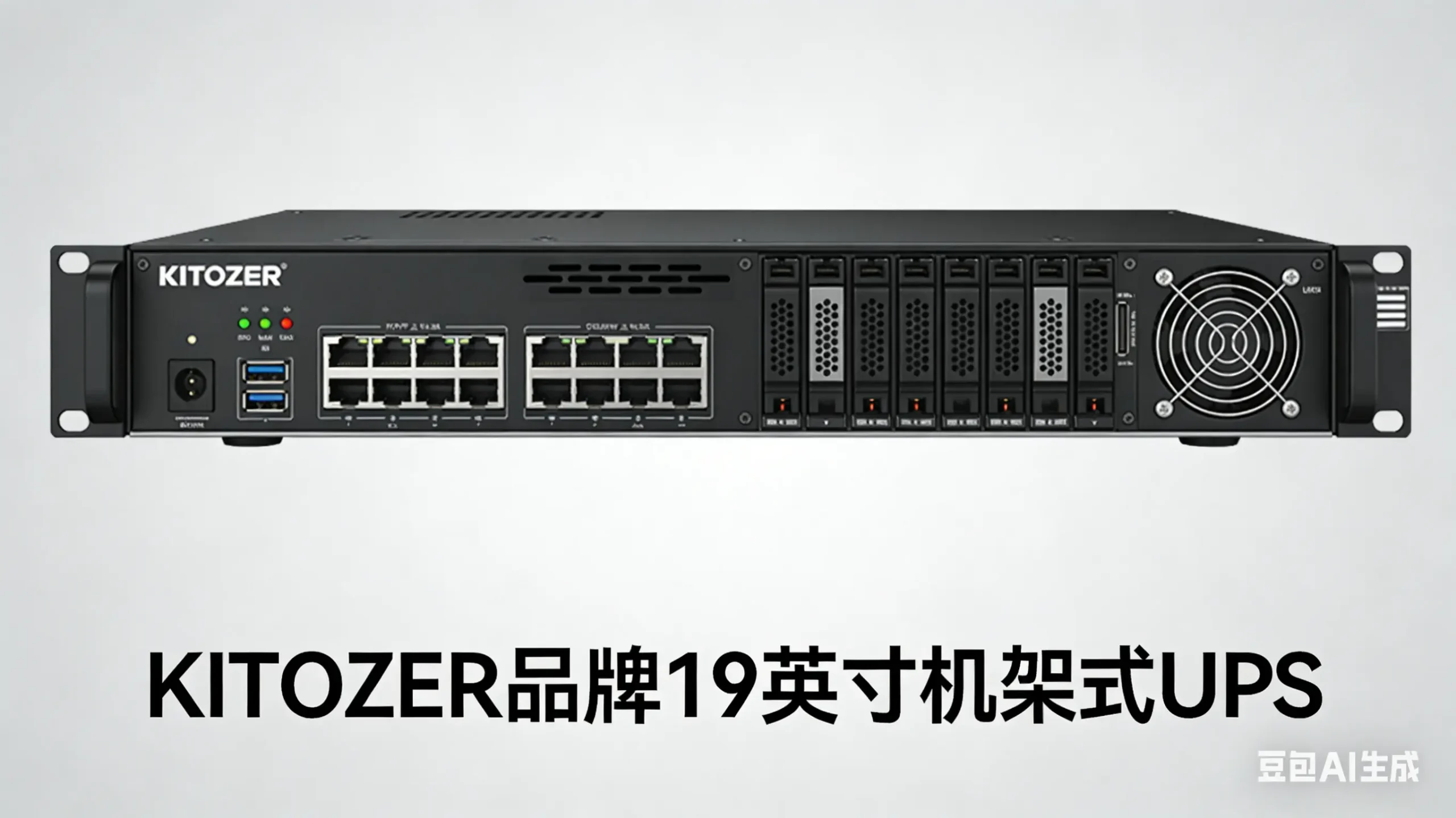
Meters with RS485/Modbus daisy-chain onto a communication bus that terminates in a data concentrator, gateway or the building controller; the gateway polls each meter address and pushes data over Ethernet or 4G to the energy management platform. Pulse-output meters can instead be counted by a pulse accumulator or a building automation input. The platform then stores interval data, builds dashboards, raises alarms and exports reports. A well-planned meter network is simply a matter of assigning unique Modbus addresses, correct baud rate and a termination resistor at the end of the bus — details our commissioning team confirms on site.
4.2 Can submetering support tenant billing?
Yes — that is one of its main roles. Install a meter per tenant or per cost center, read them on a fixed schedule or in near real time, and allocate consumption (and if needed demand or reactive energy) from the platform. Because readings are automated and time-stamped, billing disputes drop to near zero, and the same data shows which tenants or departments drive the peak. Where the supply authority requires it, submeters can be configured with the same tariff structure as the main meter so allocations mirror the utility bill.
5. Installation, Accuracy and Maintenance
5.1 Can meters be installed without cutting the main supply?
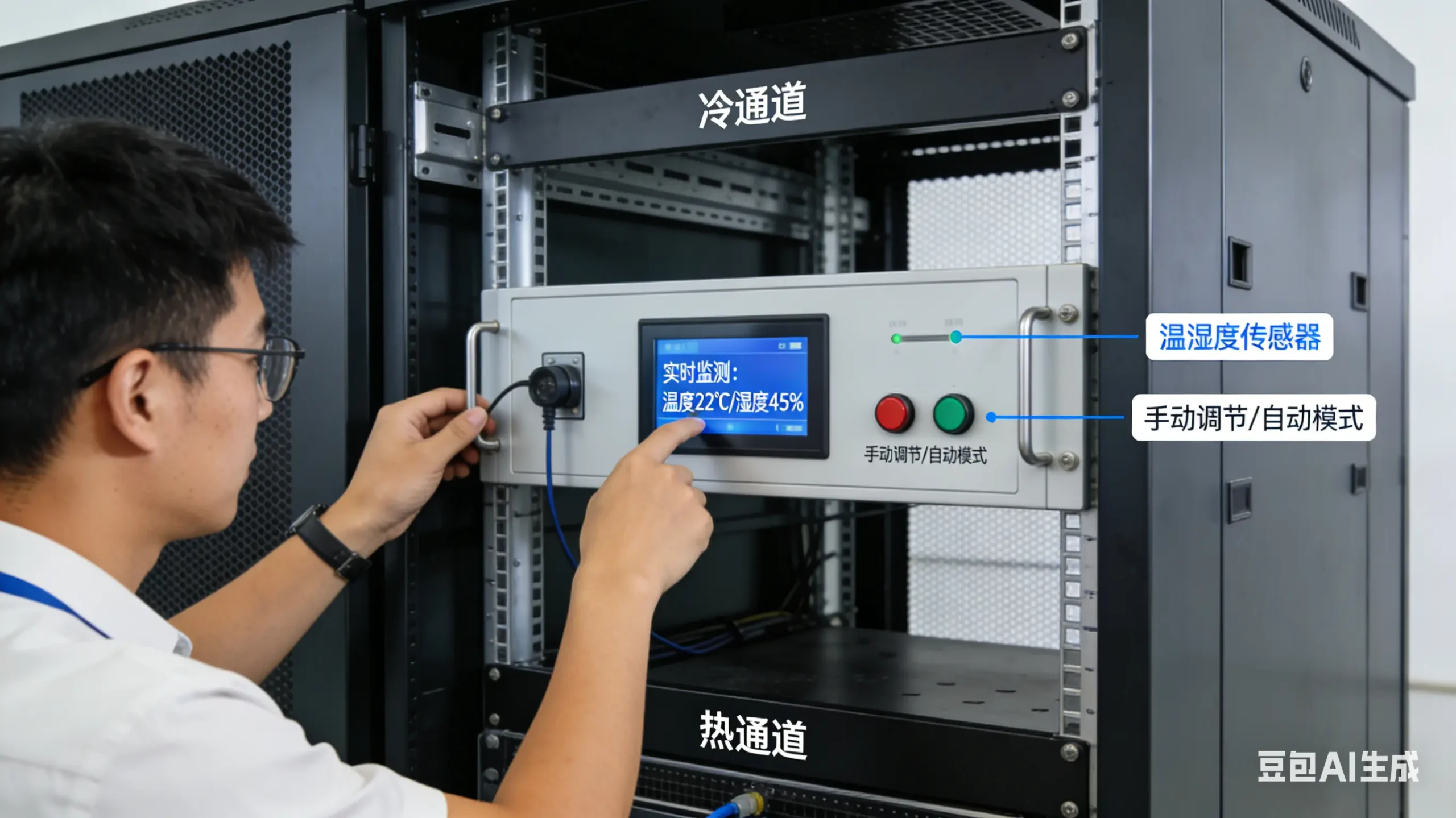
Direct-connect meters replace an existing meter position or are added into a spare way, which normally means a short planned outage of that circuit. CT-operated metering is the retrofit-friendly option: split-core CTs clamp around the conductor of a live busbar or cable, so the main supply does not have to be switched off, and the meter is mounted in a small enclosure or existing panel compartment nearby. Many energy audits start exactly this way — adding CTs and meters to main feeders during normal operation, with zero downtime for the building.
5.2 How is metering accuracy maintained over time?
Meters are factory-calibrated and their accuracy is stable for many years, but the installation must be right: CTs sized so the load sits in their accurate range, correct polarity and phase wiring, no shared neutrals on three-phase meters, and torque-tightened connections. Routine checks compare a meter’s reading against a portable reference or against the utility meter over a period, and meters that drift or fail are replaced individually — the modular design means one faulty meter does not disturb the rest of the metering network.
6. Delivery, Documentation and Support
6.1 How long is delivery for meters and submetering systems?
Standard single-phase and three-phase meters ship from stock in 3–7 days. A full submetering package — meters, CTs, gateway and platform onboarding — is typically delivered and commissioned within 15–25 days after the point list is confirmed, depending on the number of metering points and whether installation is on a live or new site. Urgent replacement meters are handled on request so a billing point is never down for long.
6.2 What documentation and support come with the system?
Each order includes meter data sheets, wiring diagrams, CT specifications, the Modbus register map for every meter model, and a platform user guide covering dashboard, alarms and report export. Our engineers provide commissioning support, address mapping and on-site or remote training, and after-sales covers warranty, recalibration service, spare meters and platform support — with optional remote health monitoring of the meter network.
7. Frequently Asked Questions — Quick Reference
Energy Meter FAQ
1. What is the difference between single-phase and three-phase meters?
Single-phase meters measure one live conductor and neutral for rooms and lighting; three-phase meters measure three lives for motors, lifts, HVAC and whole-site or main-feeder metering.
2. When is a CT-operated meter needed?
Above about 80 A, or where the busbar cannot be interrupted — CTs step the current down to 5 A or 1 A secondary so the meter stays separate from heavy conductors.
3. What does a smart meter measure besides kWh?
Reactive energy, power, voltage, current, power factor, demand, interval load profile and often power quality events, with time-of-use registers.
4. What accuracy class should I choose?
Class 1.0 for billing (0.5S with CTs for revenue metering); Class 1.0 or 2.0 for internal monitoring — matched to the CT class.
5. How do meters connect to a platform?
RS485/Modbus daisy-chain to a gateway that pushes data over Ethernet or 4G; pulse outputs can feed a pulse accumulator or BMS input.
6. Can submetering support tenant billing?
Yes — per-tenant meters with automated scheduled readings give time-stamped allocation that mirrors the utility tariff and minimizes disputes.
7. Can meters be installed without cutting the supply?
Direct-connect meters need a short outage of that circuit; split-core CT retrofit metering clamps onto live conductors with zero downtime.
8. How is accuracy maintained?
Correct CT sizing, polarity and wiring plus routine comparison checks; drifting meters are replaced individually in the modular network.
9. How long is delivery?
Stock meters 3–7 days; a full submetering package with gateway and platform typically 15–25 days after the point list is confirmed.
10. What support is provided?
Data sheets, wiring diagrams, Modbus maps, platform training, commissioning support, warranty, recalibration and optional remote meter health monitoring.
8. Related Solutions
- Distribution Switchgear: LV Power Distribution & Motor Control
- Energy Efficiency Monitoring System: Find and Fix Energy Waste
- Campus Energy Monitoring Integration: One Platform for All Buildings
- Data Center EMS Integration: Energy Management for Efficiency
- Instrument Transformer: CT & VT for Measurement and Protection
About Guangzhou Lain Intelligent System Development Co., Ltd.
Guangzhou Lain Intelligent System Development Co., Ltd. supplies energy meters, CT-operated metering and multi-circuit submeters together with the data collection platform for tenant billing, benchmarking and energy management in buildings, campuses and data centers worldwide. From single rooms to enterprise facilities, KITOZER provides design, manufacturing, integration, testing and after-sales service under one roof and exports worldwide.
Contact us for a free technical consultation:
- Company: Guangzhou Lain Intelligent System Development Co., Ltd.
- Address: 1st Floor, Building A, Chaotian Industrial Park, Zhongrun Industrial Park, Shilou Town, Panyu District, Guangzhou, Guangdong, China
- Tel/WeChat: +86 135-0923-8849 | +86 135-0923-8849
- WhatsApp: +86 135-0923-8849
- Email: zl19068534140@gmail.com
- Website: www.gdlain.com | Request a Quote
Typical response time: within one business day. Project references, drawings and samples are available on request.