1. Overview: Protecting Grain Means Watching Temperature and Moisture
Grain stored in silos and warehouses is a living product: it respires, transfers moisture, and hosts insects and mold that multiply when conditions turn favorable. The classic failure sequence is invisible until it is costly — a warm pocket develops deep in the grain mass, moisture migrates to it, insects and mold multiply, and by the time the problem reaches the surface, a silo of grain is damaged.
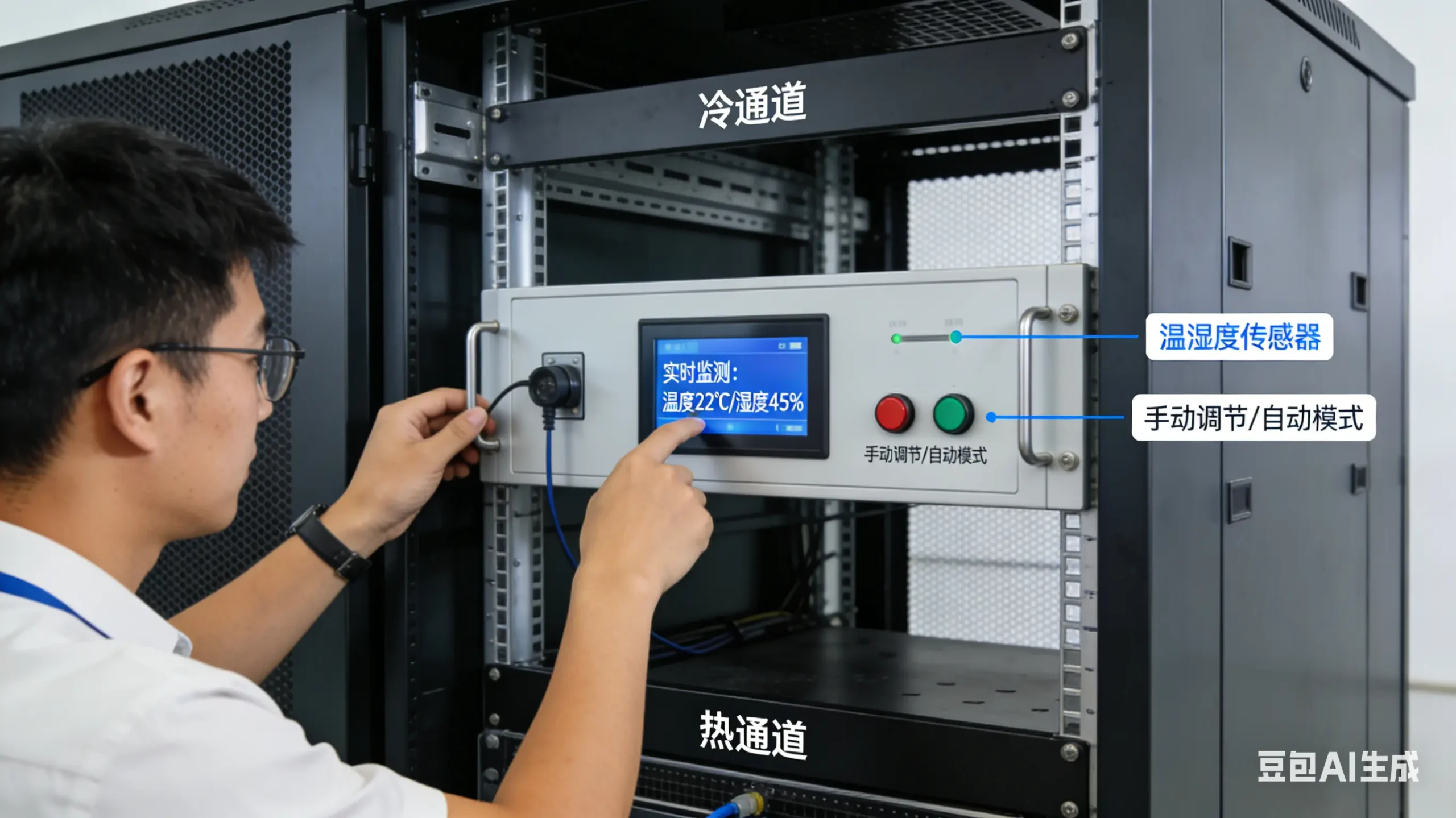
A grain storage monitoring system prevents that sequence by watching the grain mass continuously: temperature cables through the grain detect hot spots within hours, moisture and level sensors track storage conditions, and ventilation control acts on real data. Guangzhou Lain Intelligent System Development Co., Ltd. supplies grain monitoring systems for silos, warehouses and granaries. This guide explains the technology, installation and operation.
2. What the System Monitors
2.1 Grain Temperature — The Primary Warning
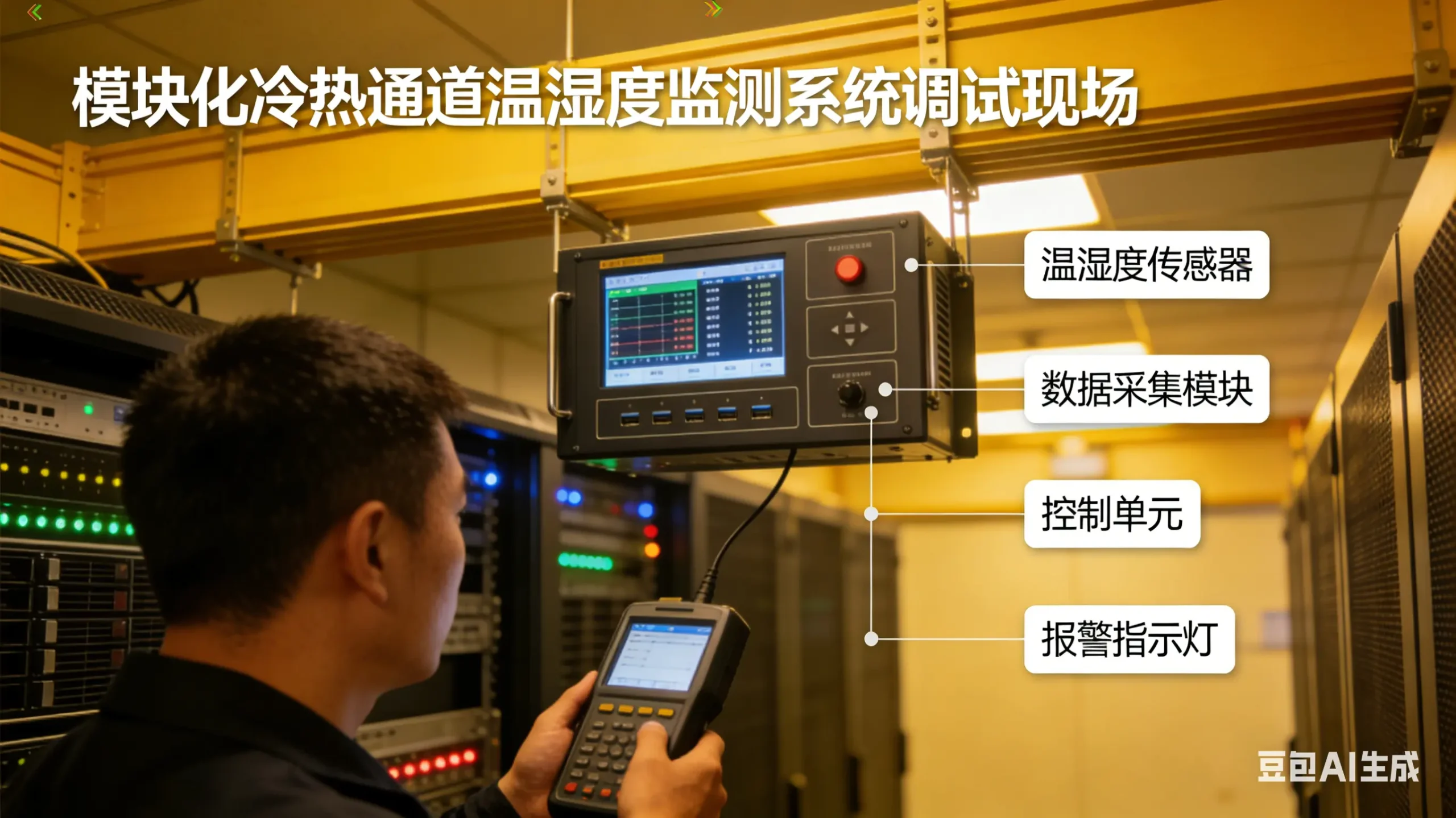
Thermometric cables are suspended vertically through the grain mass with sensors every 1.5-3 m of depth and cables spaced per storage standards (commonly every 3-5 m in plan). Scans every few minutes detect hot spots early — the difference between ventilating a small zone and losing a silo.
2.2 Warehouse Environment
Air temperature and humidity inside and outside the warehouse guide ventilation decisions: when outside air is cooler and drier than inside, ventilation helps; when it is warmer and humid, ventilation would hurt. The system compares conditions and recommends or automates the correct action.
2.3 Grain Moisture
Moisture probes at representative points track the water content that drives mold and insect risk. Rising moisture in a zone triggers investigation before mildew develops.
2.4 Fill Level
Level sensors confirm storage quantity and prevent overfilling — useful for inventory and for planning the aeration program by depth.
3. Control and Platform
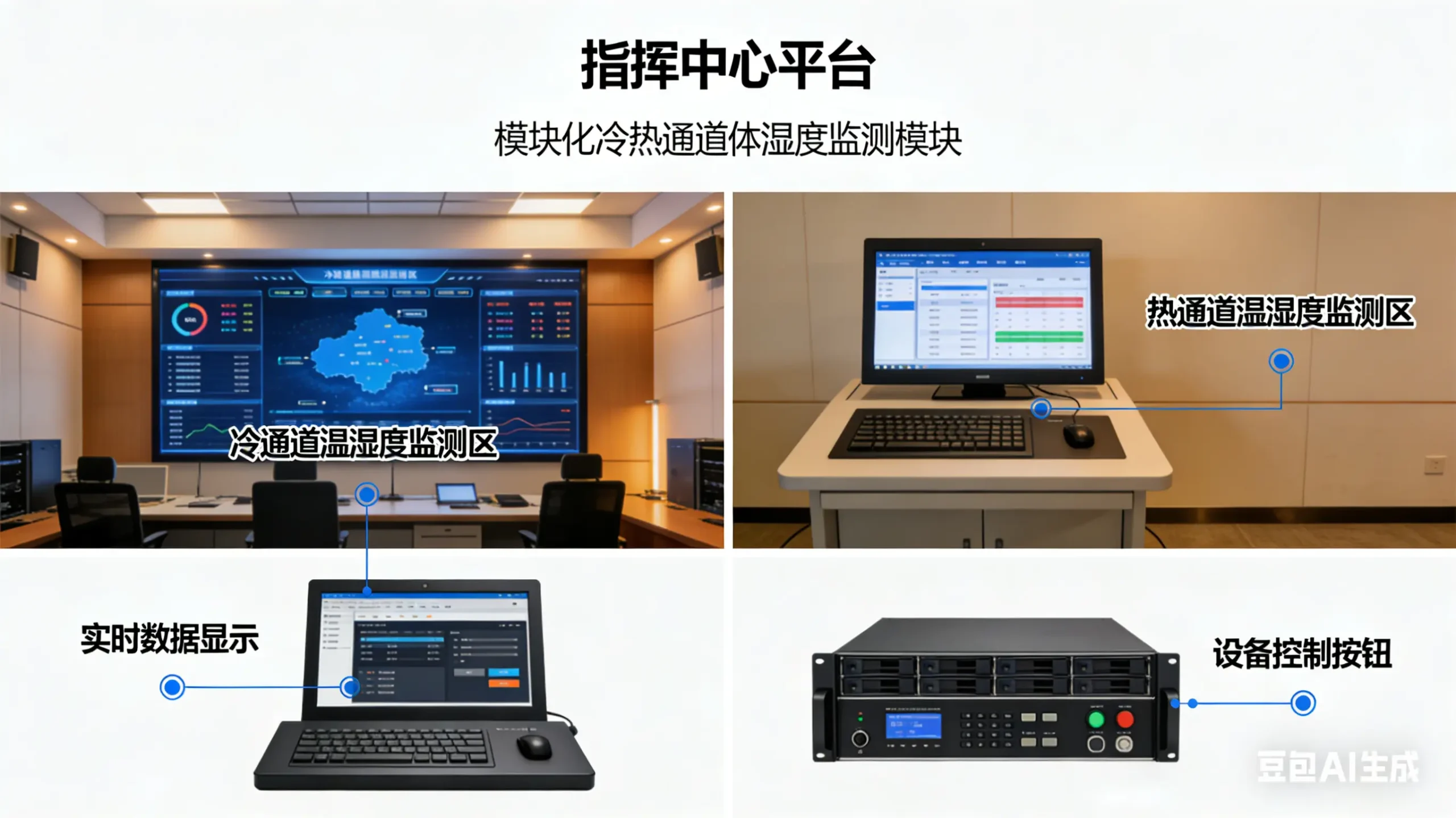
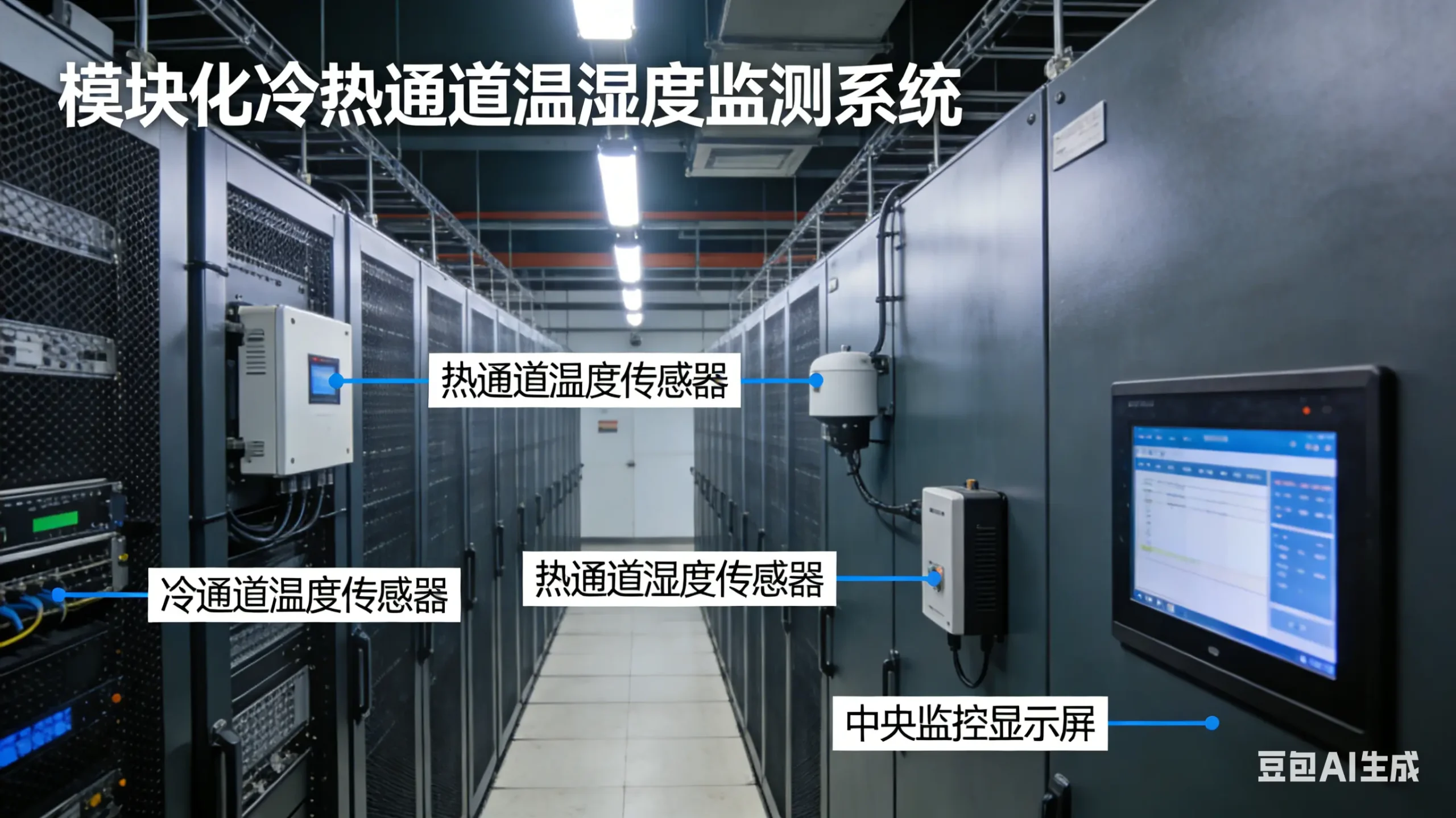
The controller scans all points periodically, compares values against thresholds, and acts: hot-spot or high-humidity alarms are raised, and ventilation fans start automatically with interlocking to door and window status where configured. Data is stored for trend analysis, so managers see the effect of each ventilation campaign and plan aeration scientifically instead of by feel.
4. Benefits
| Benefit | How It Is Achieved |
|---|---|
| Early hot-spot detection | Continuous in-grain scans find heat within hours, not days |
| Reduced labor | Automatic scans replace manual rodding checks |
| Better aeration decisions | Real inside/outside data instead of guesswork |
| Energy savings | Fans run only when conditions justify them |
| Audit records | Traceable temperature and moisture history per silo |
5. New Silos and Retrofits
For new silos, temperature cables and sensors are integrated during construction. For existing silos, cables install through top hatches during emptying cycles or maintenance windows, and wireless sensor chains simplify retrofits of older warehouses. Systems scale from a single silo to a whole granary estate on one platform.
6. Deployment
- Survey — silo geometry, fill type, access points, power and network.
- Sensor plan — cable positions and sensor depth spacing per storage standards.
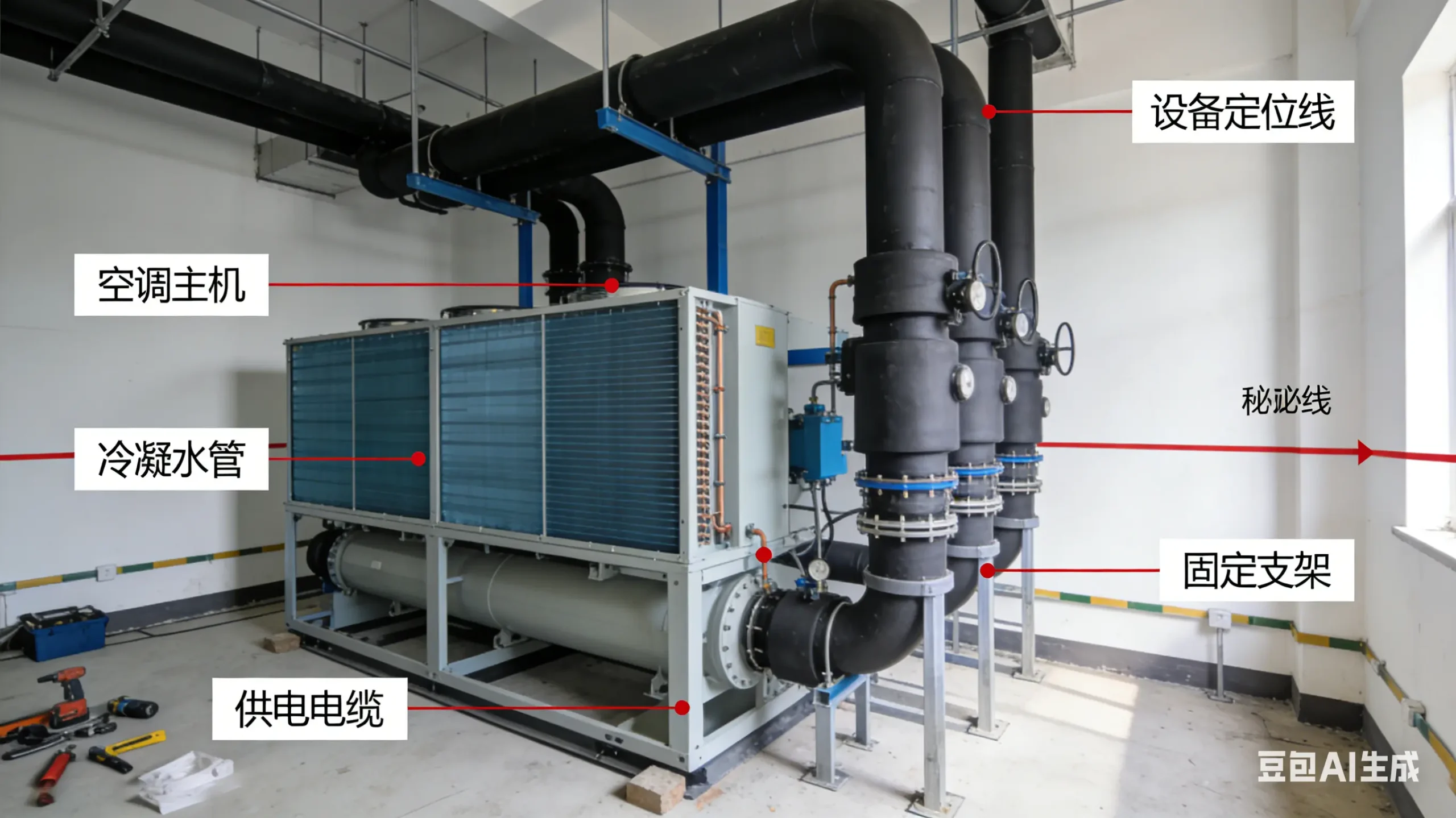
- Installation — cables, level and environment sensors, controller and communication.
- Configuration — thresholds per grain type, alarm routing, ventilation rules.
- Commissioning and training — function tests, staff training, documentation.
7. Frequently Asked Questions
Grain Storage Monitoring FAQ
1. Why is temperature monitoring critical in grain storage?
Heat is the first sign of trouble: insects, mold and moisture migration all raise grain temperature. Detecting a hot spot early lets you ventilate or move grain before damage spreads.
2. How are temperature points arranged?
Thermometric cables hang vertically in the grain at a grid spacing per storage standards (commonly every 3-5 m in plan), with sensors along each cable every 1.5-3 m of depth.
3. Does the system measure moisture?
Yes — moisture probes at representative locations plus air humidity sensors in the warehouse headspace and outside, the data needed to judge safe ventilation conditions.
4. Can it automatically control fans?
Yes — the controller compares inside/outside temperature and humidity and starts or stops fans automatically, or recommends manual operation through the platform.
5. Is the system suitable for existing silos?
In most cases yes — sensors install via top hatches during grain turn-over or maintenance windows; wireless sensor chains reduce cabling work in old warehouses.
6. How is data accessed?
On a local computer and/or a cloud platform accessible from office and mobile, with alarms by SMS, WeChat/WhatsApp or email.
7. What maintenance is needed?
The system is low-maintenance: annual sensor calibration checks and controller filter cleaning; damaged cables are replaced from spares during grain movement windows.
8. Can it connect to an existing ERP or warehouse system?
Yes — the platform exports data through standard interfaces (Modbus/TCP, API, CSV) for integration.
9. What are typical thresholds?
Grain temperature limits vary by region and grain (commonly alarm above 25-35°C in temperate storage); thresholds are configured per grain type and season.
10. How many sensors does a silo need?
Cable count follows diameter and standards — typically 4-12 cables per silo with multiple sensors per cable.
11. Does it work for flat warehouses?
Yes — for flat storage, cables are suspended from the roof or installed on posts through the grain depth.
12. What documentation is provided?
Sensor plans, wiring diagrams, configuration records, test certificates and training materials.
8. Related Solutions
- Agricultural Monitoring Systems
- Cold-Chain Container
- Livestock Environmental Monitoring
- Irrigation Soil-Moisture Monitoring
- Precision Temperature & Humidity Monitoring
About Guangzhou Lain Intelligent System Development Co., Ltd.
Guangzhou Lain Intelligent System Development Co., Ltd. supplies grain storage monitoring, agricultural IoT and environmental monitoring systems for granaries and agriculture worldwide. From single rooms to enterprise facilities, KITOZER provides design, manufacturing, integration, testing and after-sales service under one roof and exports worldwide.
Contact us for a free technical consultation:
- Company: Guangzhou Lain Intelligent System Development Co., Ltd.
- Address: 1st Floor, Building A, Chaotian Industrial Park, Zhongrun Industrial Park, Shilou Town, Panyu District, Guangzhou, Guangdong, China
- Tel/WeChat: +86 13922289957 | +86 18520668845 | +86 13538869979
- WhatsApp: +86 19068534140
- Email: zl19068534140@gmail.com
- Website: www.gdlain.com | Request a Quote
Typical response time: within one business day. Project references, drawings and samples are available on request.