1. Overview: What This FAQ Covers
On a medium-voltage supply, the metering cabinet is where energy is counted for billing — and metering errors on a large intake repeat on every reading, month after month. An HV metering cabinet (MV metering panel) houses the current transformers, voltage transformers and energy meters that measure 10kV/35kV energy with metering-grade accuracy, inside a secure, tamper-evident enclosure. This page answers the questions utilities, consultants and plant owners ask when specifying metering panels.
Guangzhou Lain Intelligent System Development Co., Ltd. manufactures HV metering cabinets for utility substations, industrial intakes, commercial buildings and renewables. The answers below reflect our standard engineering and testing practice.
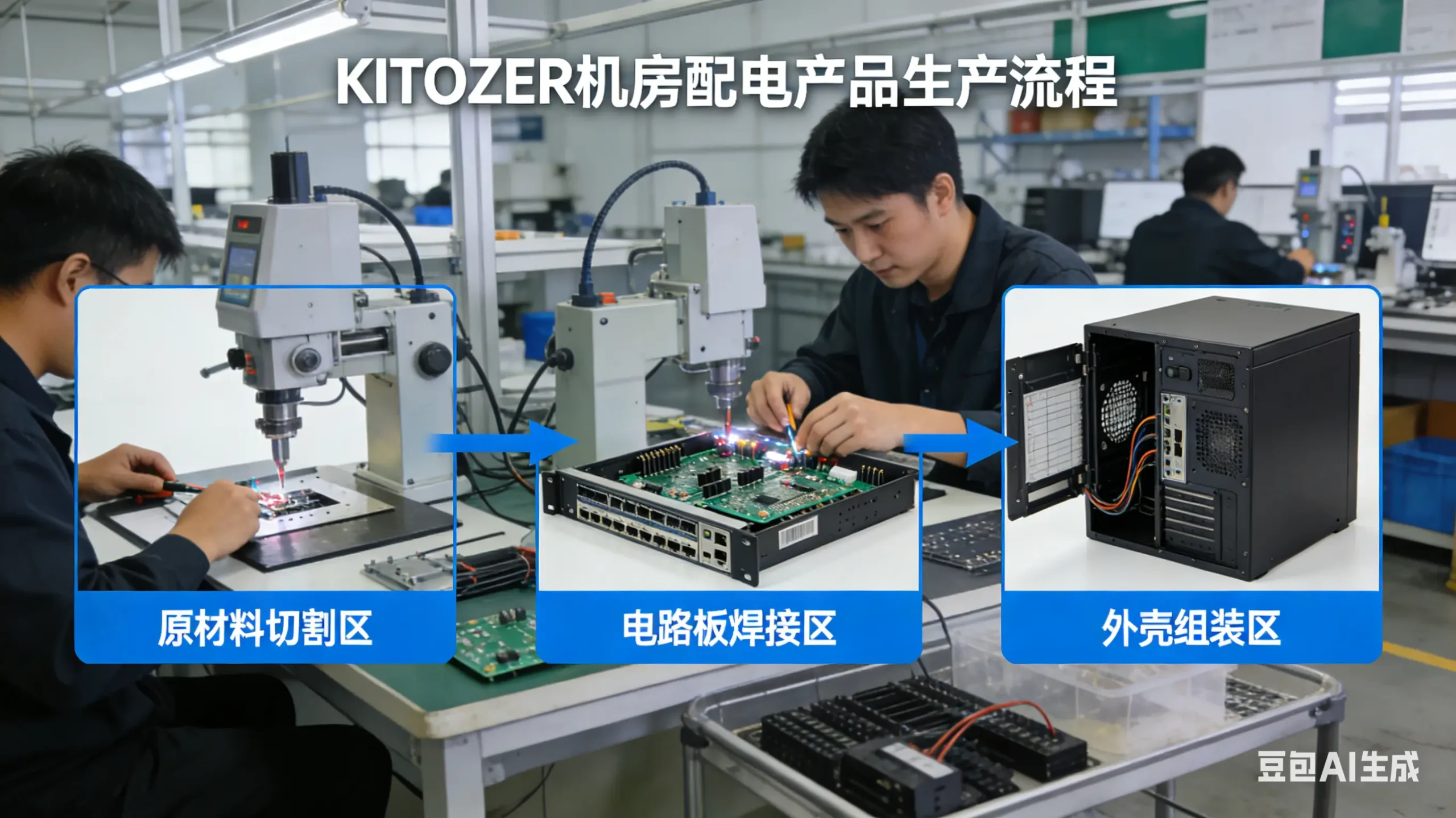
2. What the Cabinet Does
2.1 What is an HV metering cabinet?
A medium-voltage panel housing CTs, VTs and meters that measure MV energy accurately for billing, allocation and monitoring. CTs and VTs reduce line current and voltage to instrument levels, and the meter converts those signals into the kWh/kvarh readings that billing and allocation are based on.
2.2 What is inside a typical cabinet?
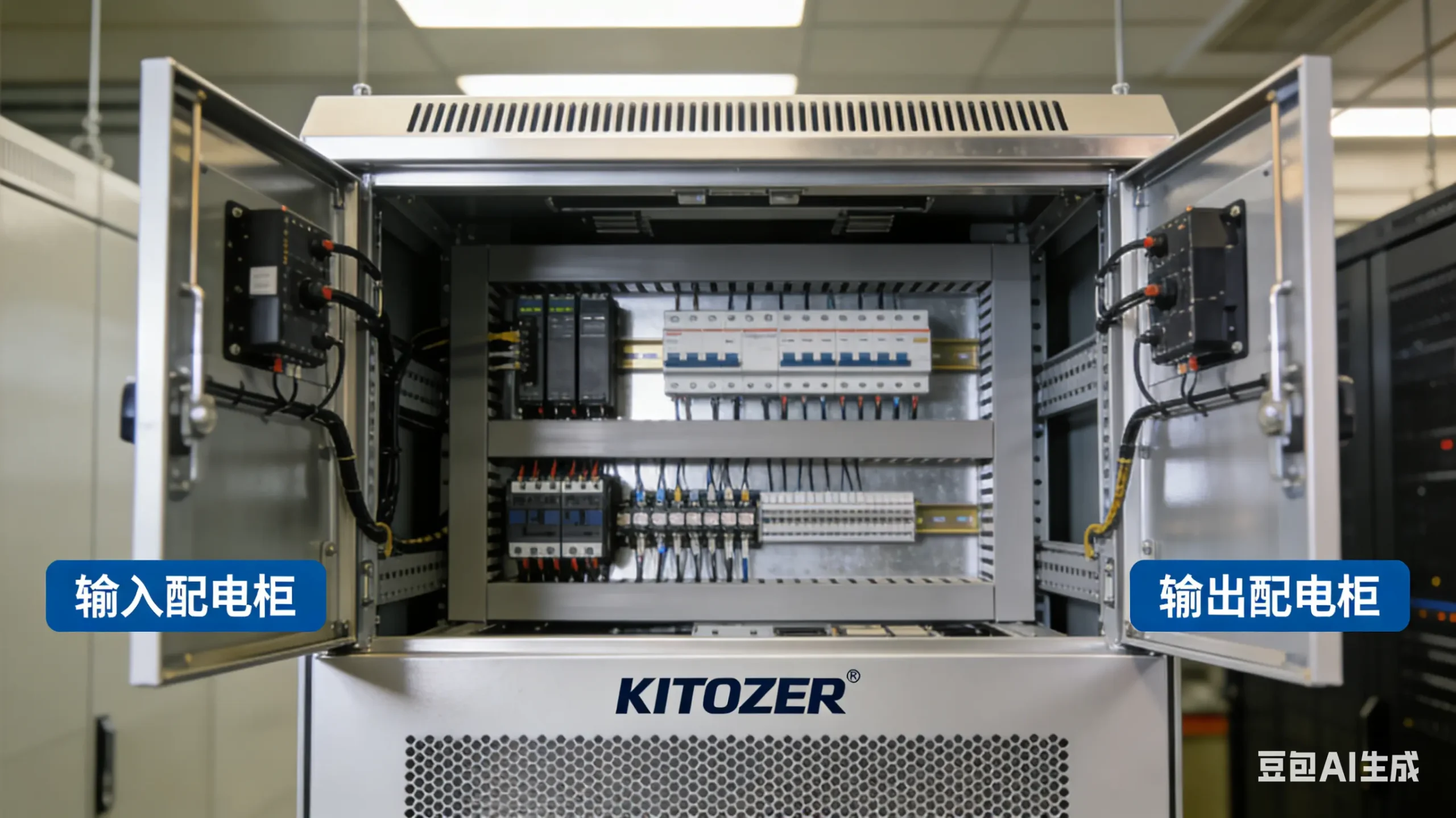
Metering CTs and VTs (typically class 0.2S/0.2), a multifunction energy meter, test terminal blocks, secondary-circuit protection and a sealed, interlocked metal enclosure. Each part has one job: preserving the accuracy and integrity of the measurement.
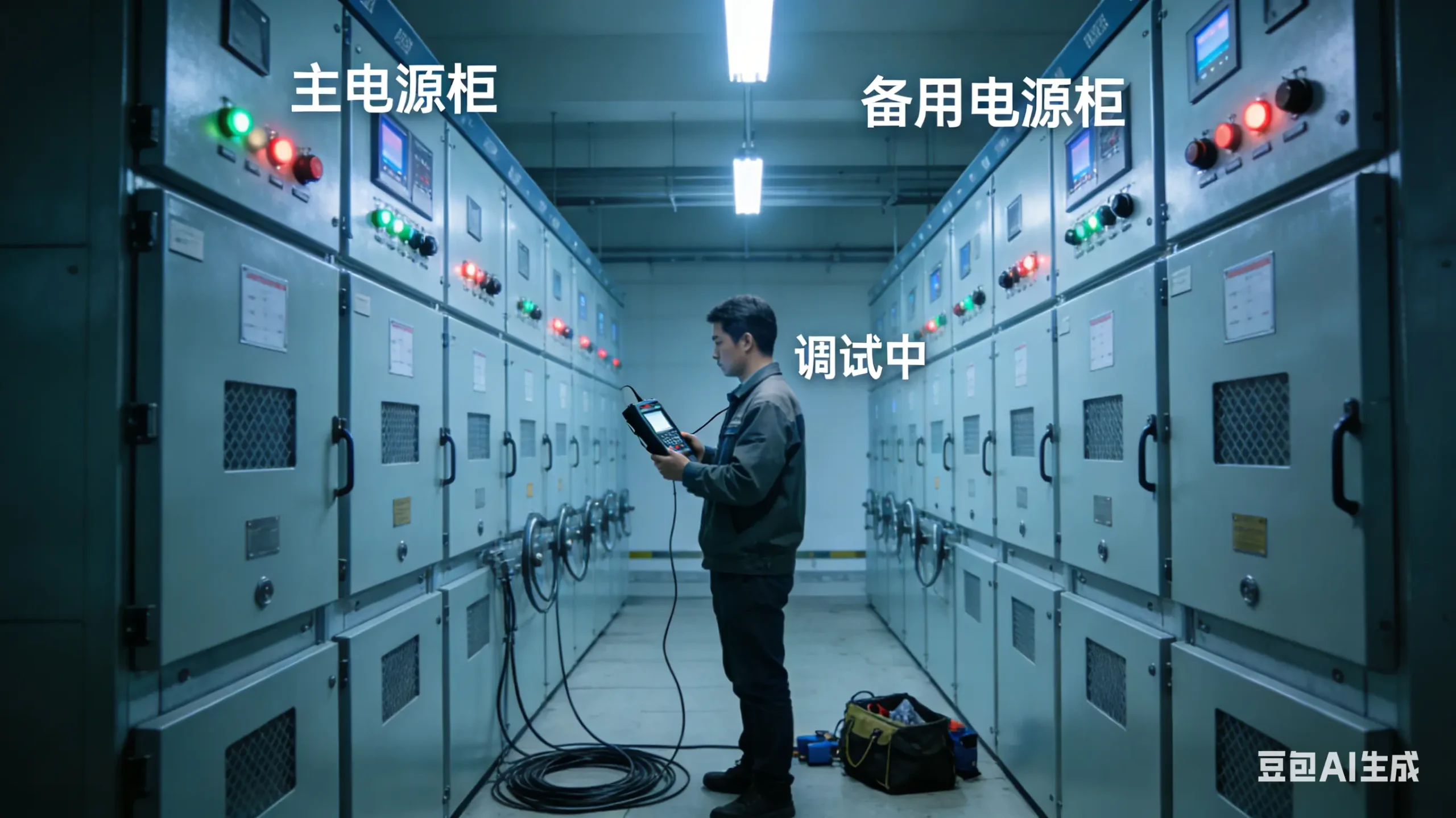
3. Accuracy and Billing
3.1 Why are CT/VT accuracy classes important?
Billing requires high accuracy (0.2S/0.2 classes) because metering errors on large intakes represent real money; correct class, burden and wiring preserve that accuracy. A small ratio or burden error at the CT repeats in every reading the meter ever produces.
3.2 Billing meter or internal monitoring meter?
Revenue/billing meters follow utility rules with high accuracy and sealing; internal allocation meters can use standard classes for cost-center distribution. When the same feeder serves both purposes, dedicated metering cores keep the two functions independent.
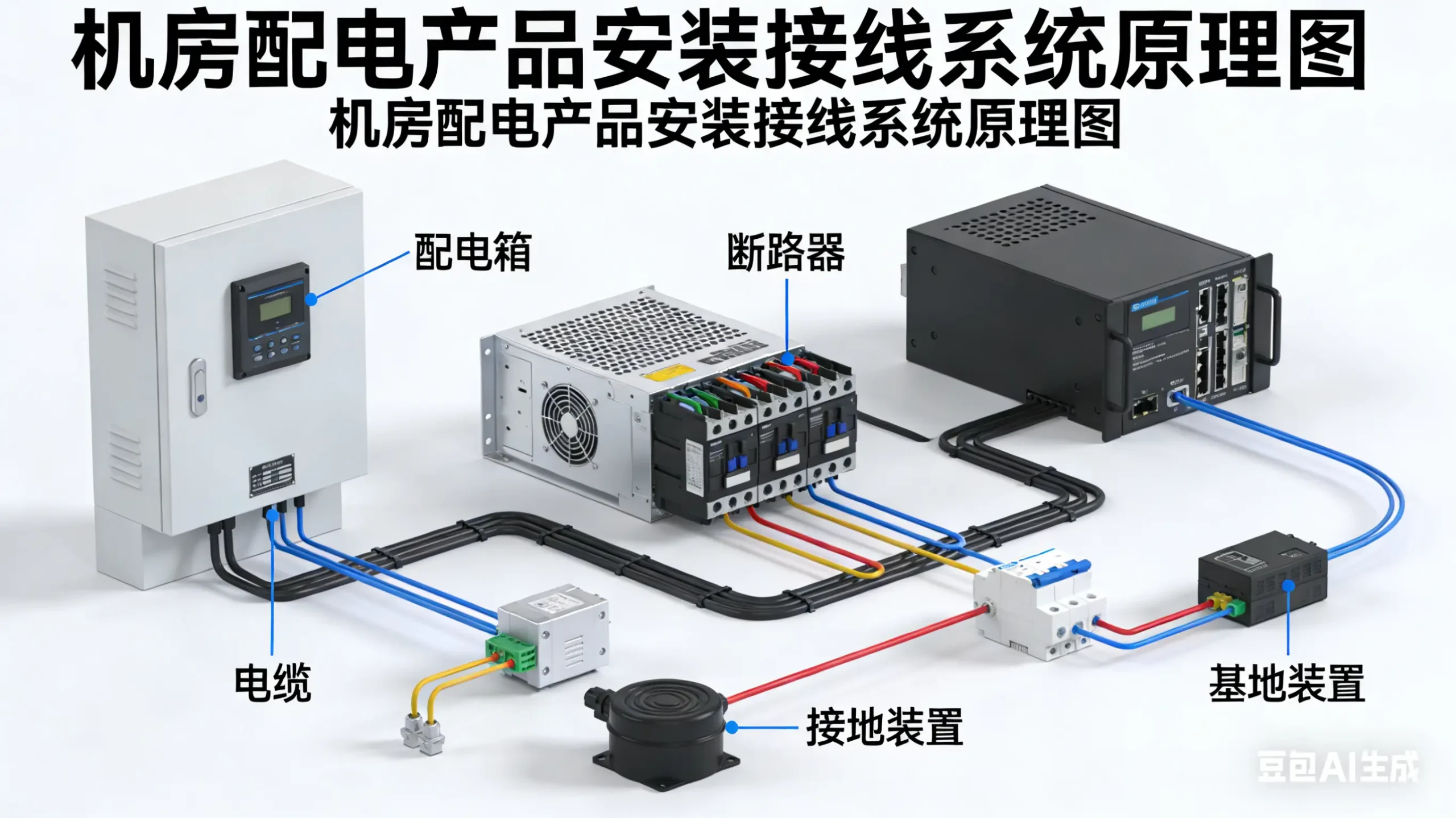
4. Security and Testing
4.1 How is tampering prevented?
Sealed meter compartments, anti-tamper covers and tamper-event logging in the meter protect revenue metering integrity. The CT/VT compartment is interlocked and sealable, so the measurement path cannot be altered without leaving evidence.
4.2 How are meters tested without losing supply?
Test terminal blocks short the CT secondaries and open the VT circuits so a reference meter can be connected in series while the primary circuit stays energised. Commissioning, periodic verification and dispute checks all happen without an outage.
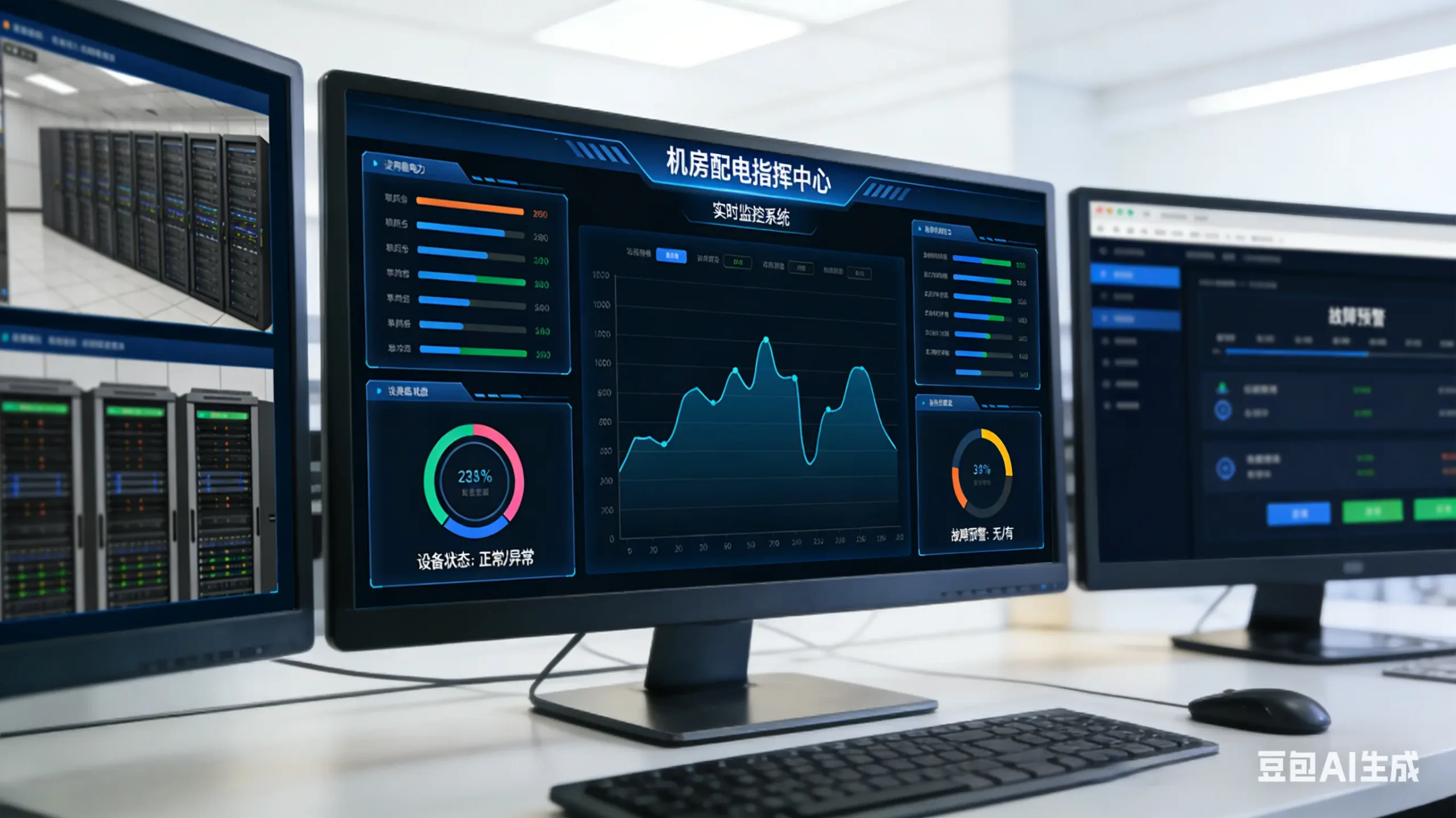
5. Utility Coordination and Standards
5.1 Do you coordinate with the utility?
Yes — we design to utility metering requirements, support scheme approval documentation and prepare the panel for inspection and sealing. Drawings and test certificates follow the network operator’s format so approval is straightforward.
5.2 Which standards apply?
Instrument transformers follow IEC 61869 (CTs per IEC 61869-2, VTs per IEC 61869-3) with type-test documentation; meters follow IEC 62053 series. Routine tests are performed per unit and certificates delivered with the cabinet.
6. Frequently Asked Questions — Quick Reference
HV Metering Cabinet FAQ
1. What is an HV metering cabinet?
A medium-voltage panel housing CTs, VTs and meters that measure MV energy accurately for billing, allocation and monitoring.
2. Why are CT/VT accuracy classes important?
Billing requires high accuracy (0.2S/0.2 classes) because metering errors on large intakes represent real money; correct class, burden and wiring preserve that accuracy.
3. Billing meter or internal monitoring meter?
Revenue/billing meters follow utility rules with high accuracy and sealing; internal allocation meters can use standard classes for cost-center distribution.
4. How is tampering prevented?
Sealed meter compartments, anti-tamper covers and tamper-event logging in the meter protect revenue metering integrity.
5. Do you coordinate with the utility?
Yes — we design to utility metering requirements, support scheme approval documentation and prepare the panel for inspection and sealing.
6. Which standards apply?
Instrument transformers follow IEC 61869 with type-test documentation; routine tests are performed per unit and certificates delivered.
7. Can one cabinet include protection and metering?
Yes — many intake cabinets combine a metering compartment with protection/control, using separate CT cores for each function.
8. What voltage classes are available?
Typical ratings are 12kV, 24kV and 40.5kV (10kV/35kV networks), with CT ratios selected to the feeder load.
9. Does the cabinet support remote reading?
Yes — the meter supports RS485/Modbus, pulse outputs and optional 4G/NB-IoT communication for AMR and head-end integration.
10. Are outdoor versions available?
Yes — weatherproof kiosk versions are available for transformer sites and outdoor networks.
11. What documentation is supplied?
Wiring diagrams, instrument transformer test certificates, meter verification reports, enclosure type-test documentation and operation manuals.
12. What is the lead time?
Typically 3-5 weeks after approval of drawings, depending on configuration and CT/VT ratios.
7. Related Solutions
- HV Metering Cabinet: Accurate MV Energy Measurement
- HV Isolator Cabinet
- HV Switchgear: MV Circuit Protection & Control
- Instrument Transformers (CT & VT)
- LV Distribution Cabinet
About Guangzhou Lain Intelligent System Development Co., Ltd.
Guangzhou Lain Intelligent System Development Co., Ltd. manufactures HV metering cabinets with metering-grade CT/VT, secure enclosures and utility-coordinated design for accurate MV energy billing worldwide. From single rooms to enterprise facilities, KITOZER provides design, manufacturing, integration, testing and after-sales service. Export and support scope are confirmed on the quotation..
Contact us for a free technical consultation:
- Company: Guangzhou Lain Intelligent System Development Co., Ltd.
- Address: 1st Floor, Building A, Chaotian Industrial Park, Zhongrun Industrial Park, Shilou Town, Panyu District, Guangzhou, Guangdong, China
- Tel: +86 13538869979
- WhatsApp: +86 13538869979
- Email: zl19068534140@gmail.com
- Website: www.gdlain.com | Request a Quote
Typical response time: within one business day. Project references, drawings and samples are available on request.