1. Overview: What This FAQ Covers
IDS/IPS (intrusion detection and prevention systems) watch network traffic for malicious activity — alerting on it (IDS) or blocking it in real time (IPS). This page answers the questions security teams ask when planning detection and prevention for their networks.
Guangzhou Lain Intelligent System Development Co., Ltd. supplies and deploys IDS/IPS solutions for enterprise, campus and industrial networks. The answers below reflect our standard deployment practice.

2. Detect vs Block
2.1 What is the difference between IDS and IPS?
IDS passively monitors and alerts on suspicious traffic; IPS sits inline and actively blocks it. Many deployments use IPS at the edge and IDS for internal visibility — blocking where the attack arrives, watching where understanding matters more than interruption.
2.2 How does detection work?
Signature matching for known attacks, protocol analysis, anomaly/behavior baselining and threat-intelligence rules — combined for broad coverage. No single method catches everything: signatures know the known, protocol analysis sees the malformed, and behavior baselining flags the unusual.

3. Placement and Tuning
3.1 Where should sensors be placed?
At the internet edge, DMZ, internal segment boundaries, and the OT/IT boundary — wherever traffic crosses trust zones and where visibility is missing. Placement follows the traffic map: each boundary between trust levels is a place an attack must cross and therefore a place to look.
3.2 What about false positives?
Policies are tuned to the environment after a baseline period, and alert severity/response rules are calibrated so analysts act on real risks without alarm fatigue. Tuning is a phase of the project, not a defect — the baseline period teaches the system what normal looks like at your site.
4. OT and SIEM Integration
4.1 Does it work in OT/industrial networks?
Yes — OT-aware sensors understand industrial protocols and can monitor without disrupting control traffic, using passive modes where inline blocking is unsafe. OT protection prioritizes visibility and safe modes: watch the control traffic, understand it, and only block where the process allows.
4.2 Can alerts feed a SIEM?
Yes — standard formats (syslog, CEF/CEF-like) integrate with SIEM/SOC platforms for correlation and workflow. Alerts become part of the wider picture — correlated with logs from other sources and routed through the SOC’s existing processes.

5. Operations
5.1 How are signatures kept current?
Threat-intelligence feeds update signatures and indicators continuously; behavior rules are tuned by your analysts with our support. The system stays current against the campaigns that are actually spreading — not only the attacks known last year.
5.2 What supporting infrastructure is needed?
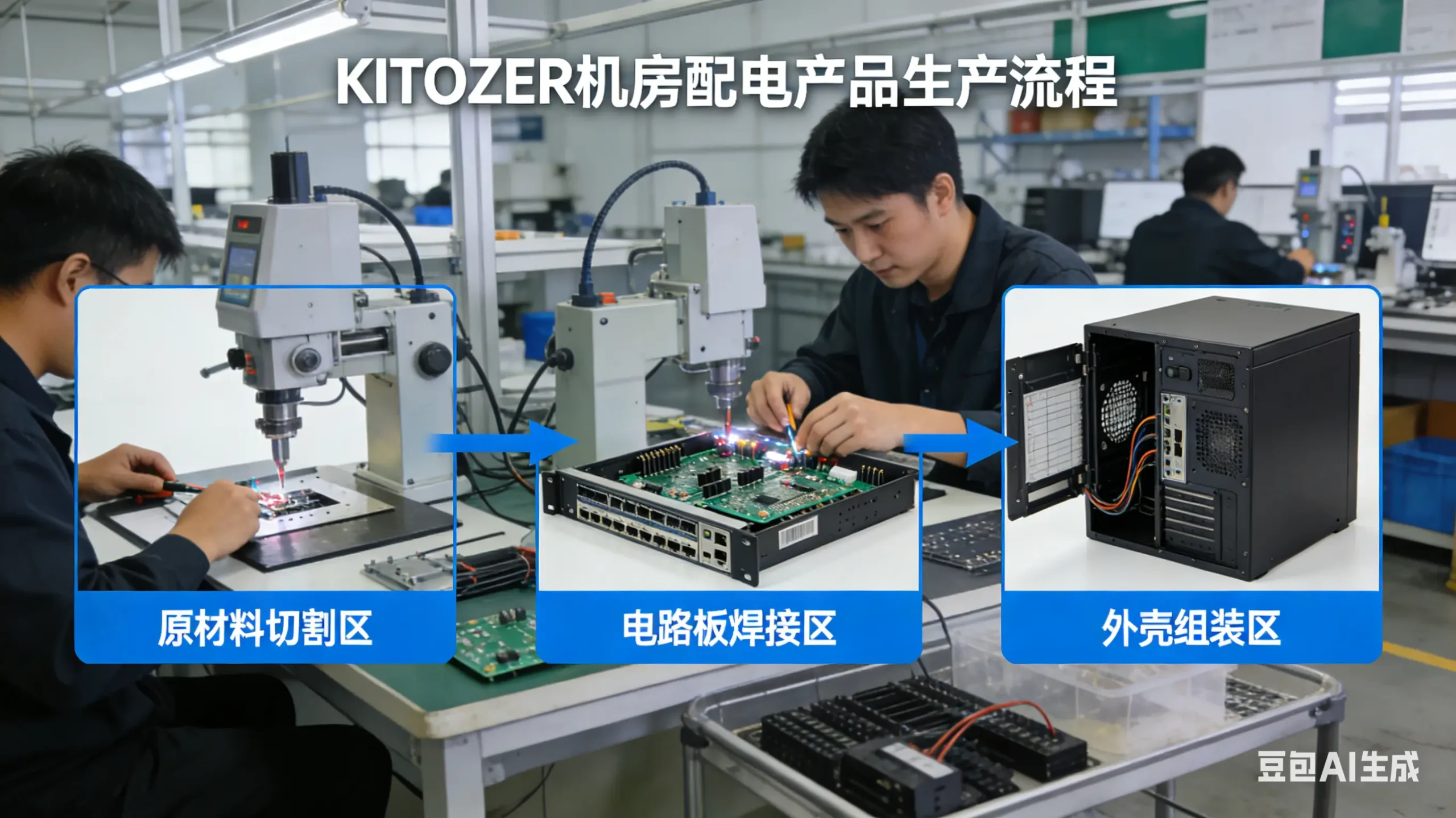
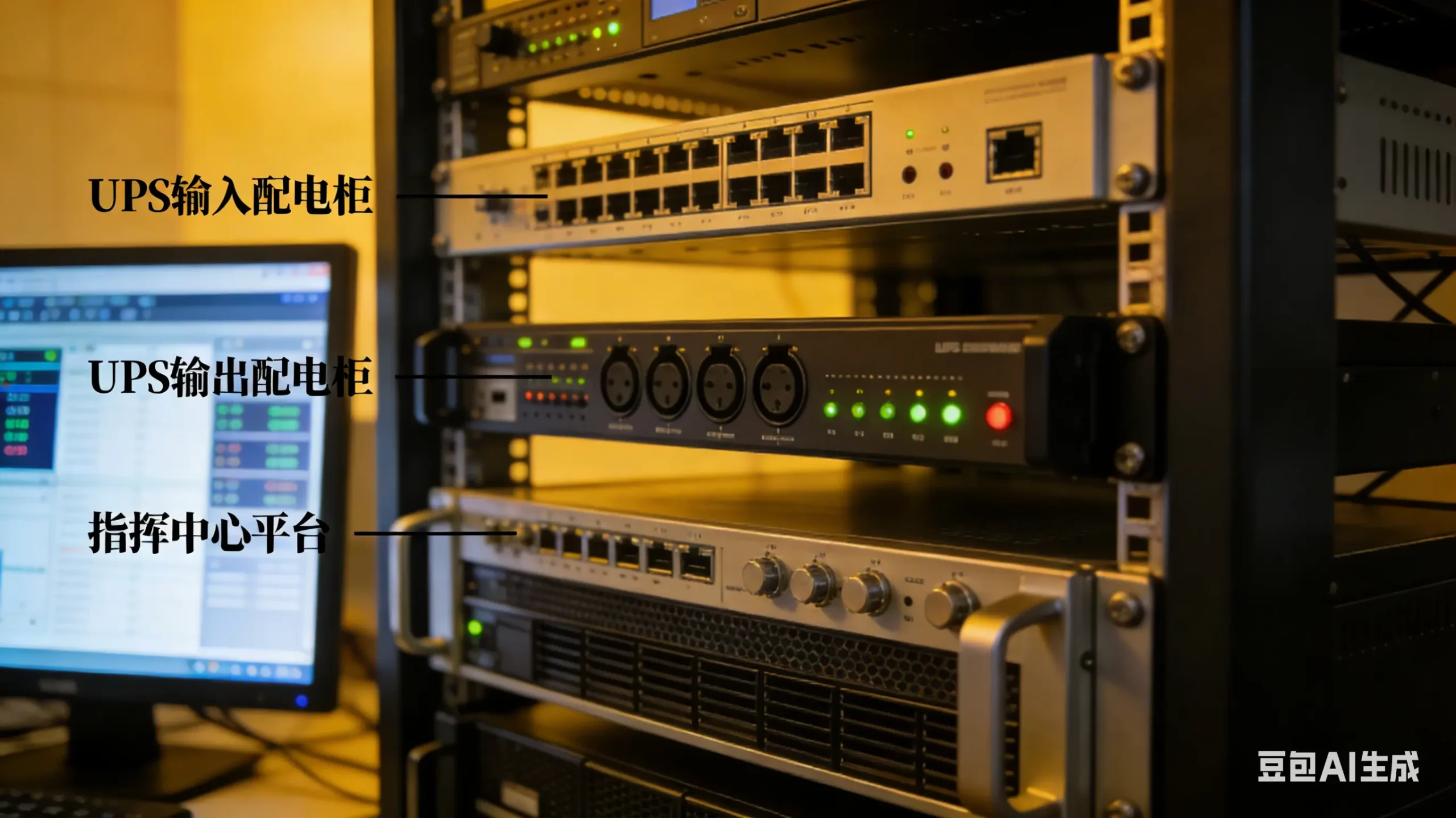
Inline IPS adds microseconds of latency with modern appliances; deployment includes the power, cabinet and network integration so the sensor’s own availability matches the security it provides.

6. Frequently Asked Questions — Quick Reference
IDS/IPS FAQ
1. What is the difference between IDS and IPS?
IDS passively monitors and alerts on suspicious traffic; IPS sits inline and actively blocks it. Many deployments use IPS at the edge and IDS for internal visibility.
2. How does detection work?
Signature matching, protocol analysis, anomaly/behavior baselining and threat-intelligence rules — combined for broad coverage.
3. Where should sensors be placed?
At the internet edge, DMZ, internal segment boundaries and the OT/IT boundary — wherever traffic crosses trust zones and visibility is missing.
4. What about false positives?
Policies are tuned to the environment after a baseline period, and severity/response rules are calibrated so analysts act without alarm fatigue.
5. Does it work in OT/industrial networks?
Yes — OT-aware sensors understand industrial protocols and monitor without disrupting control traffic, using passive modes where inline blocking is unsafe.
6. Can alerts feed a SIEM?
Yes — syslog, CEF and similar standard formats integrate with SIEM/SOC platforms for correlation and workflow.
7. Does IPS slow the network?
Inline IPS adds latency measured in microseconds with modern appliances; throughput is sized to link capacity with margin.
8. How are rules updated?
Threat-intelligence feeds update signatures continuously; behavior rules are tuned by your analysts with our support.
9. What hardware is needed?
Purpose-built appliances or virtual sensors sized to throughput, matching link speeds and segment count.
10. What documentation is provided?
Design, policy baseline, tuning records, runbooks and operator training.
7. Related Solutions
About Guangzhou Lain Intelligent System Development Co., Ltd.
Guangzhou Lain Intelligent System Development Co., Ltd. supplies and deploys IDS/IPS solutions for enterprise, campus and industrial networks worldwide. From single rooms to enterprise facilities, KITOZER provides design, manufacturing, integration, testing and after-sales service. Export and support scope are confirmed on the quotation.
Contact us for a free technical consultation:
- Company: Guangzhou Lain Intelligent System Development Co., Ltd.
- Address: 1st Floor, Building A, Chaotian Industrial Park, Zhongrun Industrial Park, Shilou Town, Panyu District, Guangzhou, Guangdong, China
- Tel: +86 13538869979
- WhatsApp: +86 13538869979
- Email: zl19068534140@gmail.com
- Website: www.gdlain.com | Request a Quote
Typical response time: within one business day. Project references, drawings and samples are available on request.