1. Overview: What This FAQ Covers
An industrial solid-waste monitoring system tracks waste from generation at the production line to handover to licensed disposal — measuring types, quantities and compliance at every step. This page answers the questions environmental managers ask when building a waste accounting and compliance system.
Guangzhou Lain Intelligent System Development Co., Ltd. supplies industrial solid-waste monitoring systems covering weighing, manifest control, contractor verification and regulatory reporting. The answers below reflect our standard practice.
2. Tracking and Measurement
2.1 What does solid-waste monitoring track?
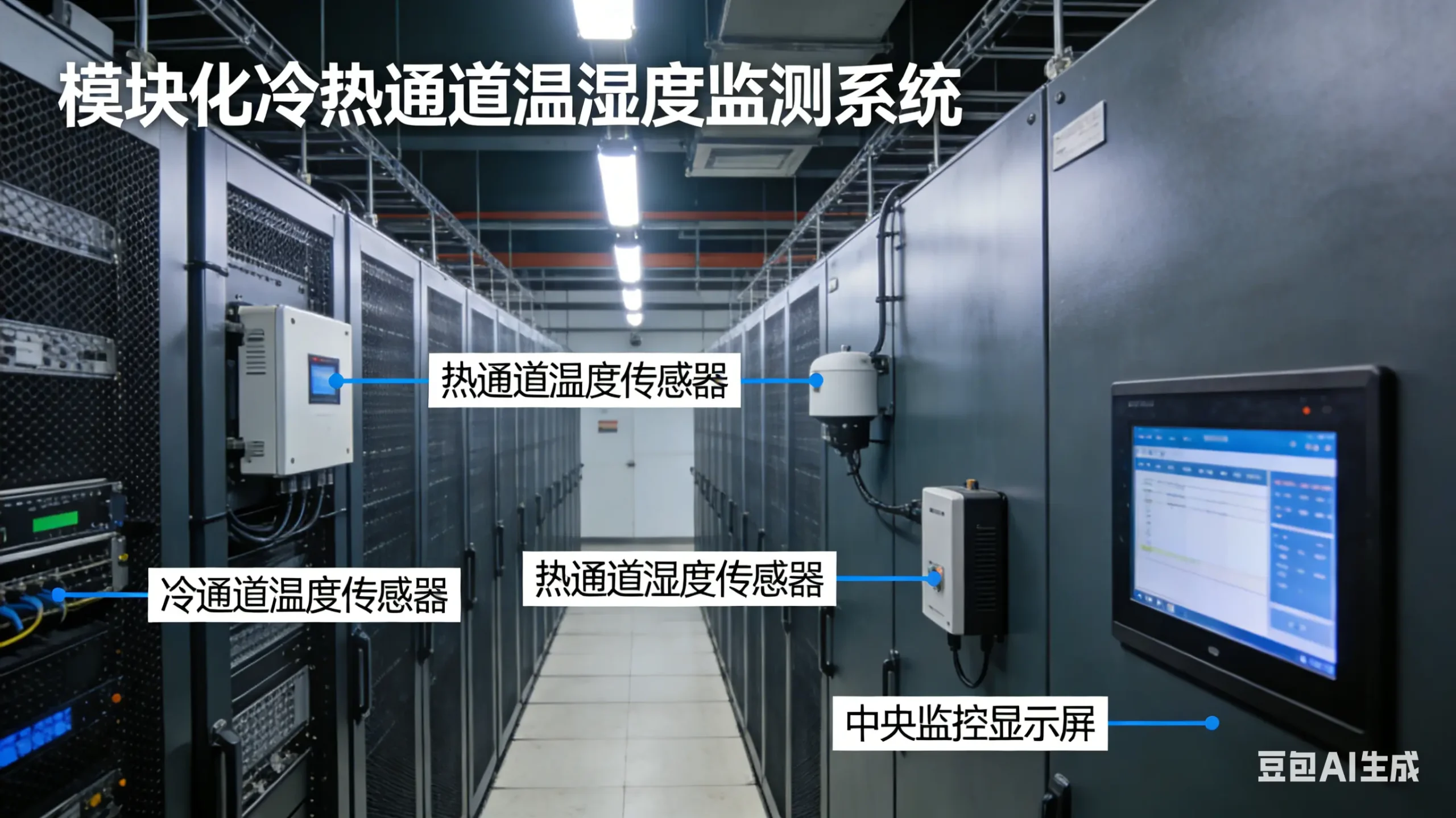
Waste types, quantities, sources, storage and disposal — from generation at production lines to handover to licensed disposal. Every stream becomes a line item: what it is, where it came from, how much was made, where it sat and who took it away.
2.2 How is quantity measured?
Via scale interfaces at collection/storage points or structured estimation by container volume and density; weighing is preferred for accuracy. Scales give the trusted number at the point of truth — where waste leaves the process or leaves the site — while volume-based estimation fills gaps between weigh points.
3. Hazardous Waste and Contractors
3.1 How is hazardous waste handled?
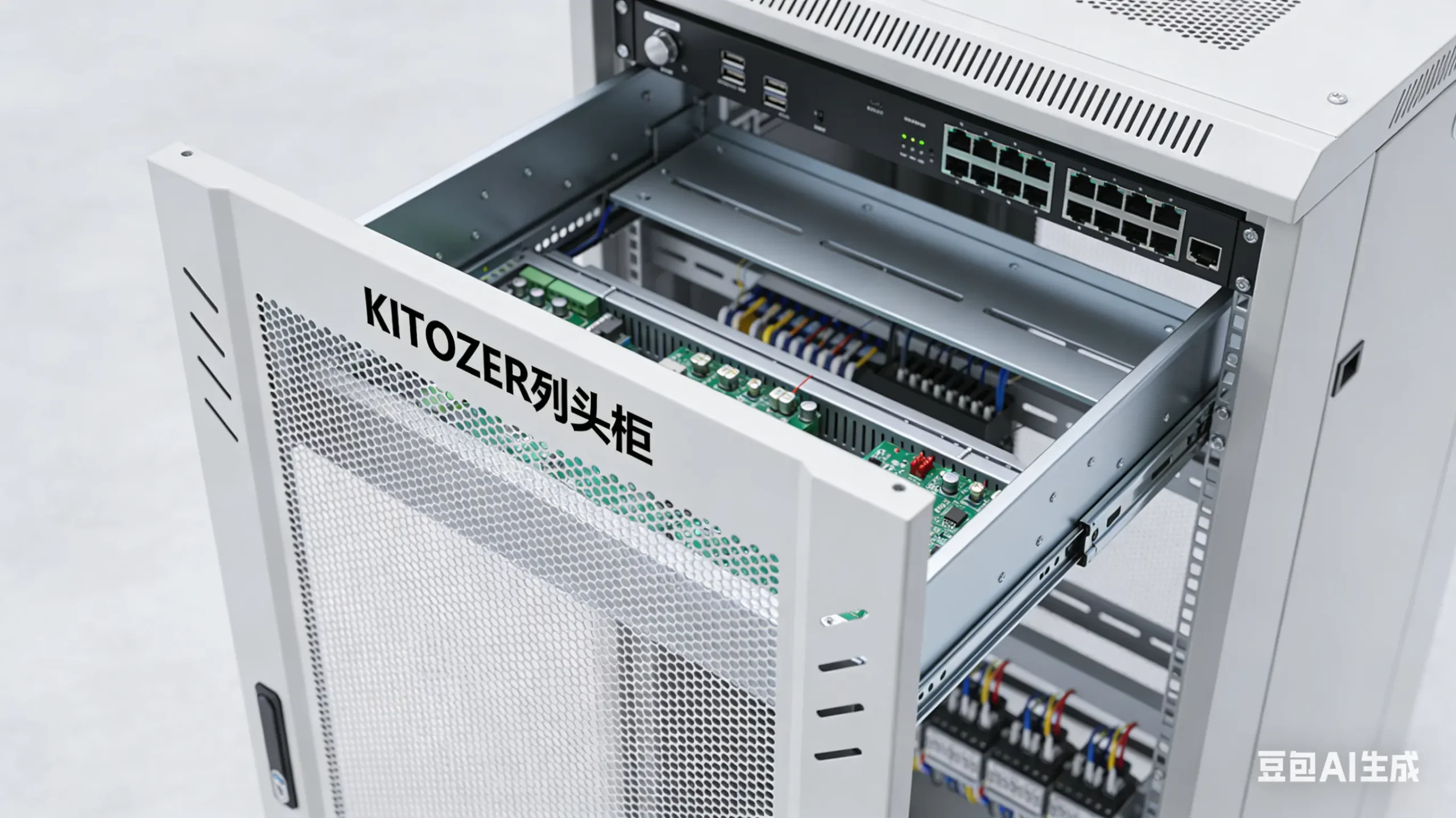
Separately — classified with manifests, labeled containers, retention-time alerts and documented handover to licensed carriers and treatment plants. Hazardous streams get the full paper trail: classification, labeling, storage-time limits and a manifest that follows the consignment to its licensed destination.
3.2 Does it verify the disposal contractor?
Yes — carrier licenses and transfer documents are recorded and matched to each consignment, proving legal disposal. The system checks that the license on file covers the waste being handed over — and keeps the matched documents as proof if a regulator asks.
4. Reporting and Reduction
4.1 Can it report to regulators?
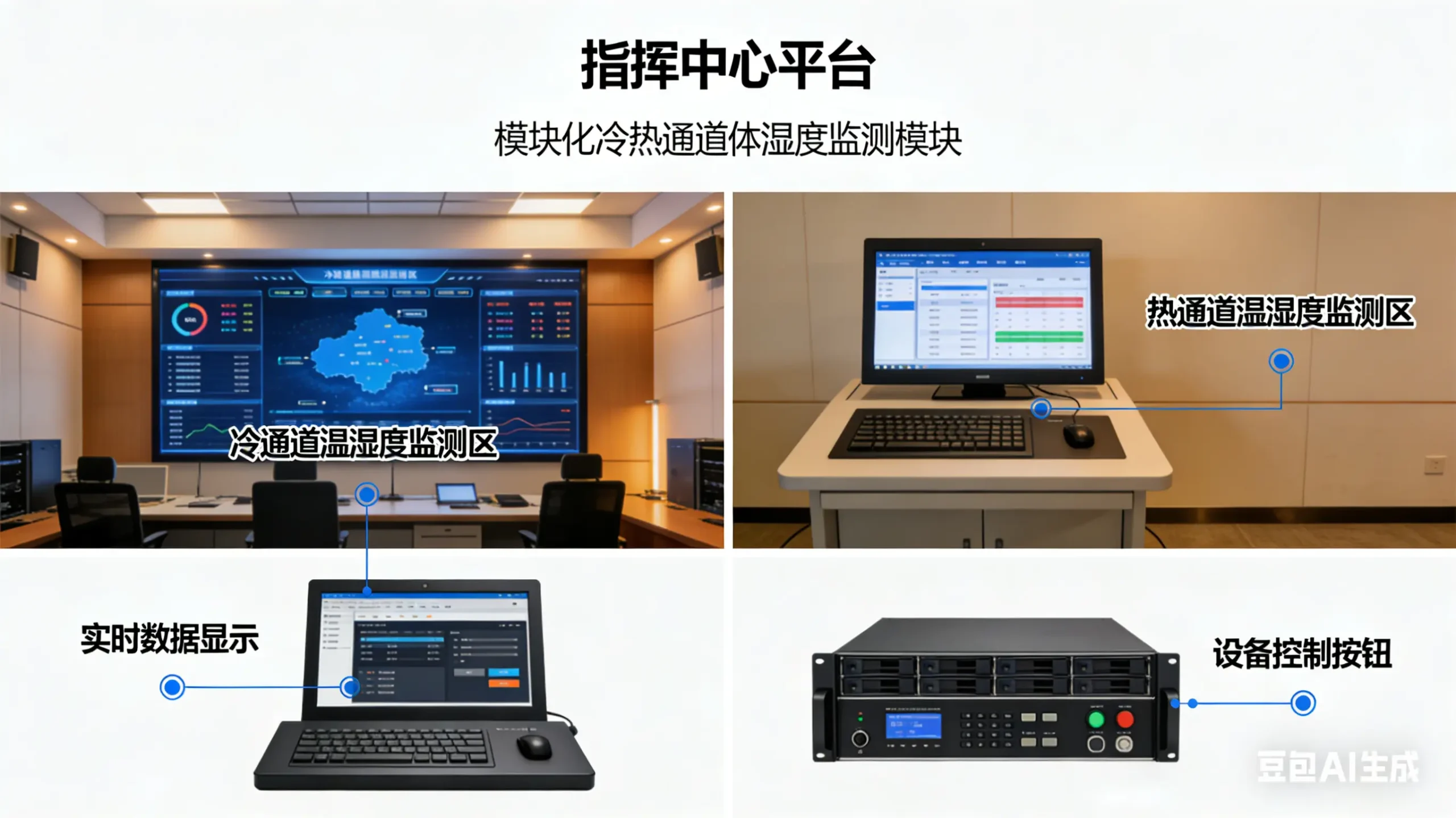
Yes — summaries by type, source and period are exportable in formats accepted by environmental authorities. The periodic report is generated from the same live data the site manages with — no re-keying, no version mismatch, no last-minute spreadsheet archaeology.
4.2 How does it support waste reduction?
By measuring waste per unit of production, the system quantifies the effect of reduction and recycling programs over time. Reduction becomes a number the plant can manage — waste per tonne of product trends down as programs take effect, and the improvement is documented.
5. Deployment
5.1 What are the main data points?
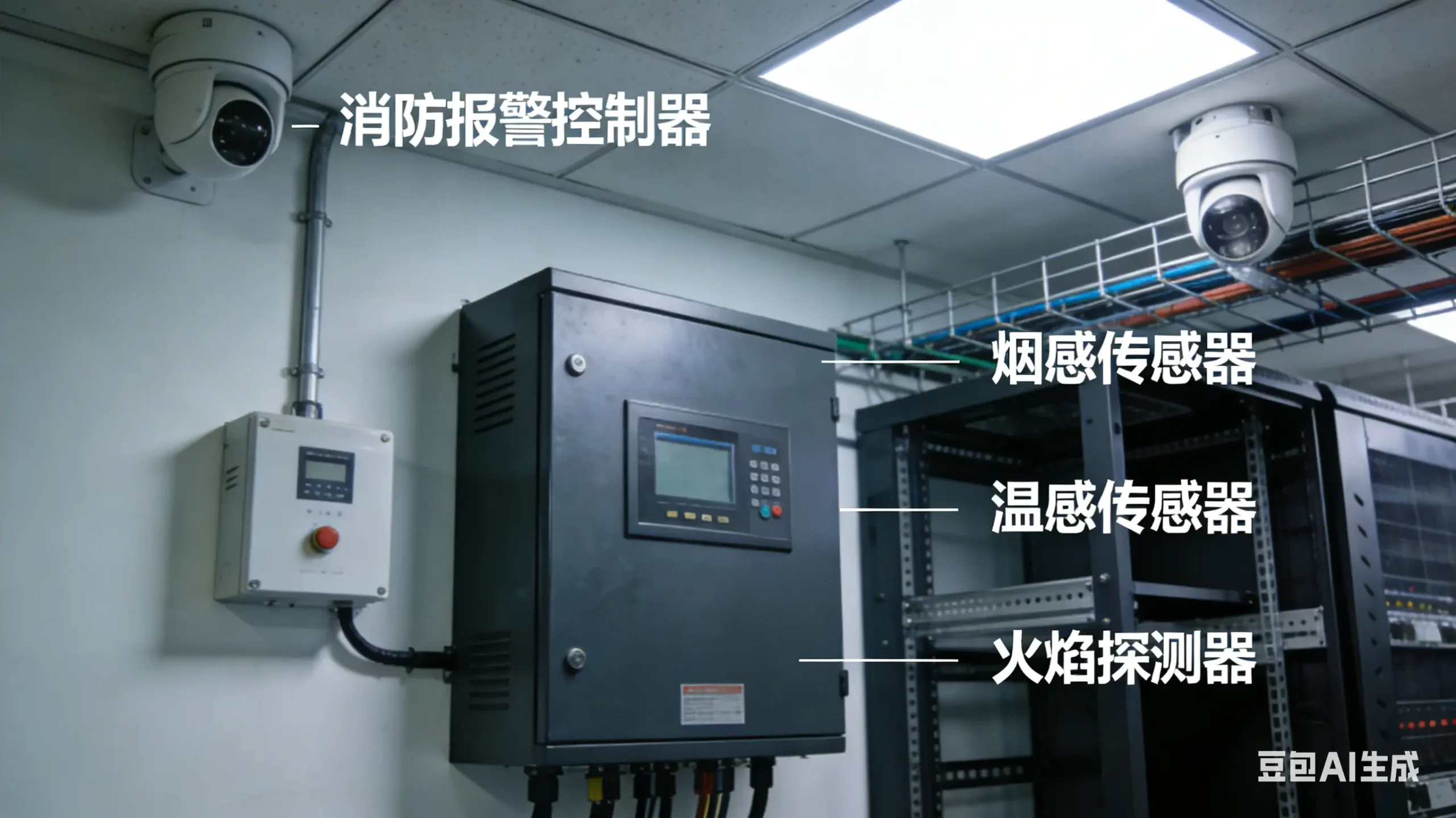
Consignment records, storage-area balances, collection rounds, manifest status and license validity — each visible live and summarized for management. One screen shows where every stream is, from the bin on the line to the manifest at the gate.
5.2 What documentation is provided?
Waste-stream mapping, manifest templates, reporting formats and integration notes — so the system lands aligned with local classification and the site’s own procedures from day one.
6. Frequently Asked Questions — Quick Reference
Industrial Solid-Waste Monitoring FAQ
1. What does solid-waste monitoring track?
Waste types, quantities, sources, storage and disposal — from generation at production lines to handover to licensed disposal.
2. How is quantity measured?
Via scale interfaces at collection/storage points or structured estimation by container volume and density; weighing is preferred for accuracy.
3. How is hazardous waste handled?
Separately — classified with manifests, labeled containers, retention-time alerts and documented handover to licensed carriers and treatment plants.
4. Does it verify the disposal contractor?
Yes — carrier licenses and transfer documents are recorded and matched to each consignment, proving legal disposal.
5. Can it report to regulators?
Yes — summaries by type, source and period are exportable in formats accepted by environmental authorities.
6. How does it support waste reduction?
By measuring waste per unit of production, the system quantifies the effect of reduction and recycling programs over time.
7. Can the system cover multiple sites?
Yes — each site runs its own data while headquarters sees consolidated summaries across the group.
8. Who enters the data?
Line operators, warehouse and EHS staff enter at source; supervisors verify; the platform timestamps every entry.
9. How long are records kept?
Records are retained per local regulation and company policy, exportable whenever needed.
10. Can it integrate with existing ERP?
Yes — manifests and summaries export to common formats and connect to ERP or EHS platforms.
7. Related Solutions
- Industrial Solid-Waste Monitoring: Complete Guide
- Industrial Wastewater Monitoring System
- Industrial Gas Monitoring System
- Industrial Greenhouse-Gas Monitoring System
- Industrial Energy Submetering System
About Guangzhou Lain Intelligent System Development Co., Ltd.
Guangzhou Lain Intelligent System Development Co., Ltd. supplies industrial solid-waste monitoring systems covering weighing, manifest control, contractor verification and regulatory reporting. From single rooms to enterprise facilities, KITOZER provides design, manufacturing, integration, testing and after-sales service. Export and support scope are confirmed on the quotation.
Contact us for a free technical consultation:
- Company: Guangzhou Lain Intelligent System Development Co., Ltd.
- Address: 1st Floor, Building A, Chaotian Industrial Park, Zhongrun Industrial Park, Shilou Town, Panyu District, Guangzhou, Guangdong, China
- Tel: +86 13538869979
- WhatsApp: +86 13538869979
- Email: zl19068534140@gmail.com
- Website: www.gdlain.com | Request a Quote
Typical response time: within one business day. Project references, drawings and samples are available on request.