1. Overview: See Every Kilogram of Waste
Industrial solid waste is a cost, a compliance risk and — increasingly — a resource. Factories, parks and logistics hubs generate waste across production lines, warehouses, offices and treatment areas, and very few can answer a simple question: how much waste did we generate, where did it come from, and where did it go? An industrial solid-waste monitoring system weighs, identifies, tracks and reports waste from the point of generation to final disposal, turning guesswork into a documented, auditable stream of data.
Guangzhou Lain Intelligent System Development Co., Ltd. supplies solid-waste monitoring and traceability solutions for manufacturers, industrial parks, hospitals, e-waste recyclers and environmental service companies. This guide covers the data model, the hardware, the compliance drivers and how to build the system in practice.

2. Why Monitor Solid Waste?
- Regulatory compliance — environmental authorities worldwide require manifests, transfer records and disposal proof for industrial waste, especially hazardous fractions; monitoring supplies the evidence automatically.
- Cost control — disposal is charged by weight and category; accurate measurement stops over-billing, leakage and undocumented scavenging, and exposes shrink in valuable by-products.
- Circular economy programs — reuse, recycling and recovery targets need a baseline; you cannot report a recycling rate you never measured.
- Liability reduction — generator liability often survives transfer; a clean chain-of-custody record proves the waste reached a licensed facility.
- Operational insight — waste data by line, shift and material highlights process losses, packaging waste and quality problems that are invisible in the aggregate.
Monitoring converts waste from an overhead to be minimized into a measurable stream that operations and sustainability teams can actually manage.
3. The Waste Data Model
| Data Field | What It Captures | Why It Matters |
|---|---|---|
| Waste category | Hazardous / non-hazardous, code | Routing, licensing and reporting split |
| Source point | Line, station, building | Cost allocation and loss detection |
| Weight | Weighbridge / floor scale / count | The core quantity for billing and reporting |
| Container / ID | Bin, drum, skip identifier | Traceability and ownership |
| Time and shift | Timestamp of generation/transfer | Trends and accountability |
| Destination | Transporter, treatment facility | Chain of custody and disposal proof |
A well-designed system treats every movement — generation, internal transfer, storage, dispatch and receipt at the treatment facility — as a record with these fields, so the full journey of any batch can be reconstructed.

4. Measurement and Identification Hardware
- Weighbridges and floor scales — truck and container weighing at the gate and at the waste station, with automatic capture of weight, time and vehicle or container ID.
- Bin and drum scales — in-process weighing at the source so generation is allocated to the correct line or shift.
- RFID and barcode tags — every bin, drum or skip carries a unique ID read at each transfer point, creating an automatic chain of custody.
- Fill-level sensors — ultrasonic or radar sensors on large bins and compactors trigger collection only when needed, cutting haulage cost.
- Cameras — gate and station cameras record load images linked to the manifest record for verification and dispute resolution.
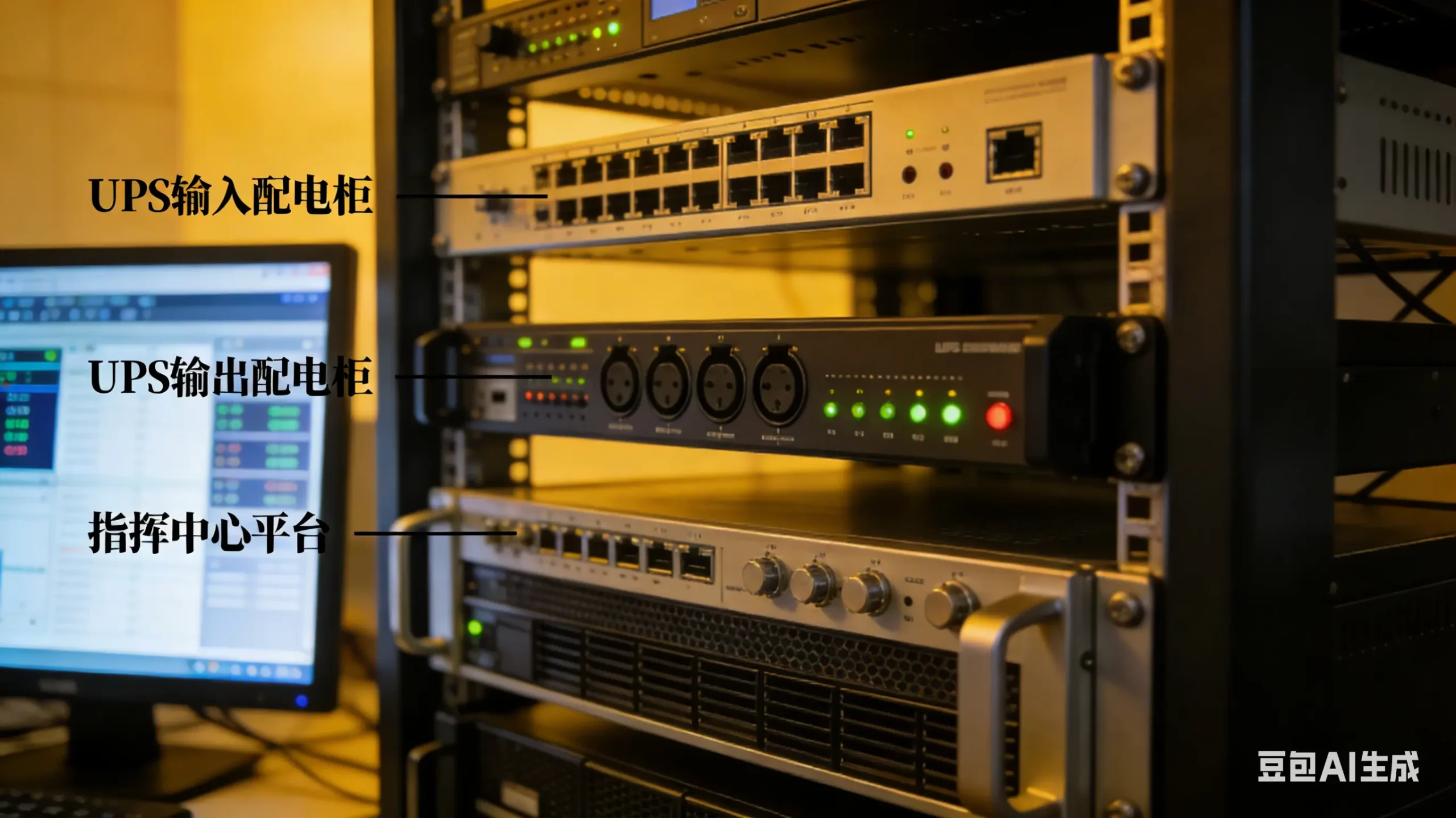
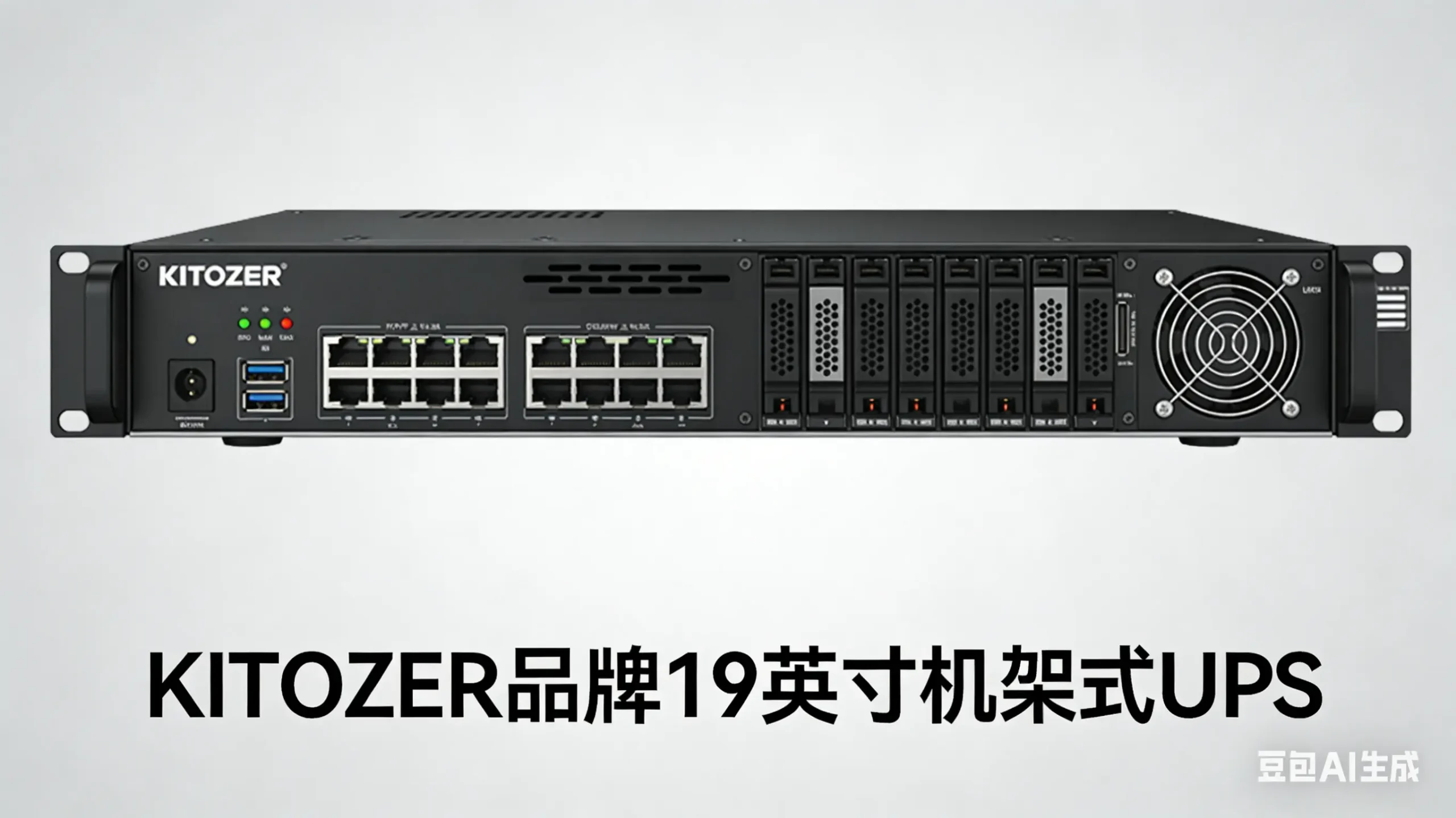
- Field controllers — industrial cabinets collect scale and reader data, buffer it locally and push it to the platform even if the network drops.
Lain integrates these devices into a single data stream, so a weight ticket, a tag read and a photograph belong to the same manifest record automatically.
5. System Architecture
- Collection layer — scales, RFID readers, fill-level sensors and cameras at generation points, waste stations and the site gate.
- Control layer — rugged industrial cabinets with local logic, weighing-terminal integration and buffer storage for uninterrupted operation.
- Platform layer — the monitoring server builds manifests, tracks inventory, allocates costs and manages transporter and facility records.
- Reporting layer — regulator-format reports, internal dashboards and export to ERP or environmental management systems.
Because the architecture mirrors the physical flow of waste, the electronic record and the physical reality stay in step — the property auditors check first.
6. Chain of Custody and Manifesting
Regulated waste moves under manifest — a document that names the generator, the waste, the quantity, the transporter and the receiving facility. Lain systems automate the manifest: the generator creates it at dispatch with weight and category from the scale and tag reads; the transporter acknowledges pickup on a mobile terminal; the facility confirms receipt and weight on arrival. Any mismatch — a different weight, an unlicensed transporter, a rejected load — raises an immediate alert. The completed manifest is stored with its supporting images and signatures, exportable for the authority and for the generator’s own records.
7. Hazardous Waste Controls
- Segregation enforcement — category rules stop hazardous fractions being mixed with general waste at the point of disposal.
- Storage limits — the system tracks how long hazardous waste has been stored and warns when regulatory storage-time limits approach.
- Licensed-only routing — transporters and facilities are vetted in the platform; dispatch is blocked to unapproved parties.
- Emergency events — spills and abnormal storage conditions trigger containment and notification workflows with the same audit trail.
For generators, these controls convert a dense regulatory obligation into routine, enforced-by-software operations.
8. Cost Allocation and Loss Detection
Weighed waste attributed to source points changes how plants see waste. Disposal invoices are checked line by line against measured weights and contracted rates, exposing over-billing before it is paid. Internal reports rank lines and shifts by waste per unit of production, so a packaging change or a process drift shows up as a measurable shift in the waste stream. Materials with resale value — scrap metal, cardboard, plastic regrind — are tracked as an asset rather than an expense, and shrinkage that used to disappear between the line and the yard now appears as a variance to investigate.
9. Sustainability Reporting
Corporate ESG and sustainability disclosures increasingly ask for waste intensity, recycling rates and disposal routes. The monitoring platform feeds these metrics directly: total generation by category, percentage diverted to recycling and recovery, and auditable proof of final destination. Year-on-year reduction programs measure themselves against the same data definitions, so a claimed improvement is a computed fact, not an estimate. For industrial parks and campuses, per-tenant waste accounting supports fair cost sharing and park-level sustainability targets.
10. Applications
- Manufacturing plants — line-level waste tracking, scrap accountability and disposal verification.
- Industrial parks and campuses — tenant waste accounting, shared collection and park-level reporting.
- Hospitals and medical facilities — segregation and manifesting of medical and hazardous waste streams.
- E-waste and recycling enterprises — inbound and outbound weighing with material coding and recovery reporting.
- Food and beverage plants — organic waste measurement feeding reuse, animal-feed and digestion programs.
- Construction and demolition — skip weighing, fill-level alerts and lawful disposal proof.
- Logistics and distribution centers — packaging waste monitoring across the network.
11. Deployment and After-Sales
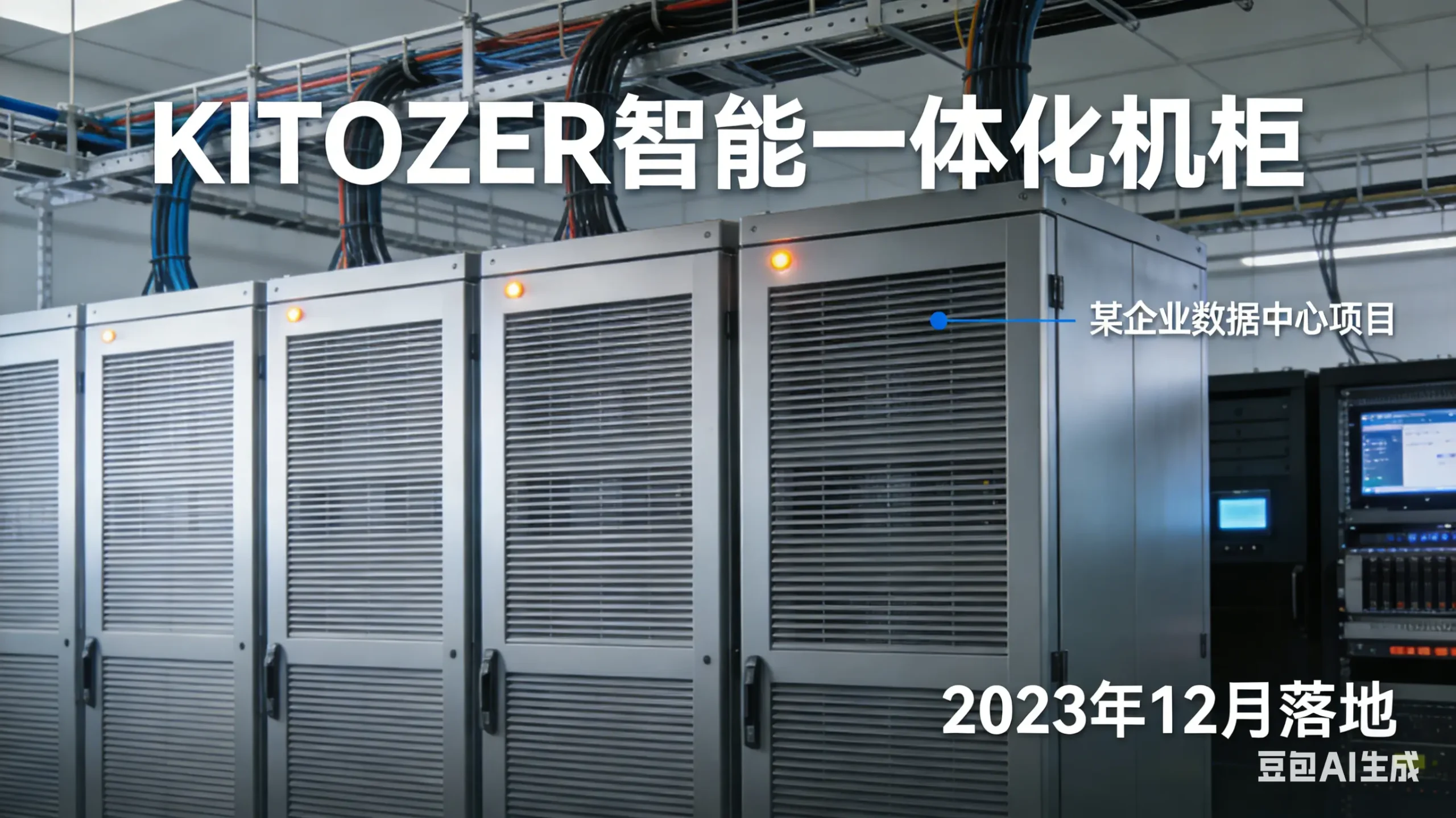
Lain delivers the system as a project: waste-flow survey and data model design, hardware selection and installation, platform configuration and staff training, then documentation for the environmental authority if required. Scales and readers carry calibration and maintenance schedules managed through the platform. Data formats follow national manifest and reporting conventions and can be extended to the ERP or the regional environmental information platform.
12. Frequently Asked Questions
Solid-Waste Monitoring FAQ
1. What is an industrial solid-waste monitoring system?
It weighs, identifies and tracks waste from generation through transfer to disposal, building an automatic manifest and reporting record for every batch.
2. Do we need a weighbridge?
Large sites with truck movements benefit from a weighbridge; smaller operations can use floor scales, bin scales or counted units — the data model is the same.
3. How is hazardous waste handled differently?
Segregation rules, storage-time limits, licensed-transporter checks and emergency workflows are enforced automatically in the platform.
4. Can it produce the manifest forms our authority requires?
Yes — manifests are configured to the national or regional format, completed automatically from scale and tag data, and exportable for submission.
5. How do we know a load reached the treatment facility?
Receipt confirmation at the facility, matching weight and ID, closes the chain of custody; mismatches alert you immediately.
6. Does it integrate with our ERP?
Yes — REST API and file export connect waste records to the ERP, environmental management system or reporting package.
7. What happens during a network failure at the waste station?
Local controllers buffer tickets and upload them when connectivity returns, so no movement is lost.
8. Can fill-level sensors really cut haulage cost?
Yes — collection is triggered by measured fill rather than a fixed calendar, typically reducing trips for low-volume streams.
9. Is weighing data usable for sustainability reports?
Directly — generation, diversion and disposal metrics are computed from the same audited records used for compliance.
10. Who maintains the system?
KITOZER provides calibration management, hardware service and platform support so the records stay accurate and audit-ready.
13. Related Solutions
- Industrial Wastewater Monitoring System
- Industrial Greenhouse-Gas Monitoring System
- Industrial Gas Monitoring System
- Energy Efficiency Monitoring System
- Campus Energy Monitoring Integration
- Industrial Energy Submetering System
About Guangzhou Lain Intelligent System Development Co., Ltd.
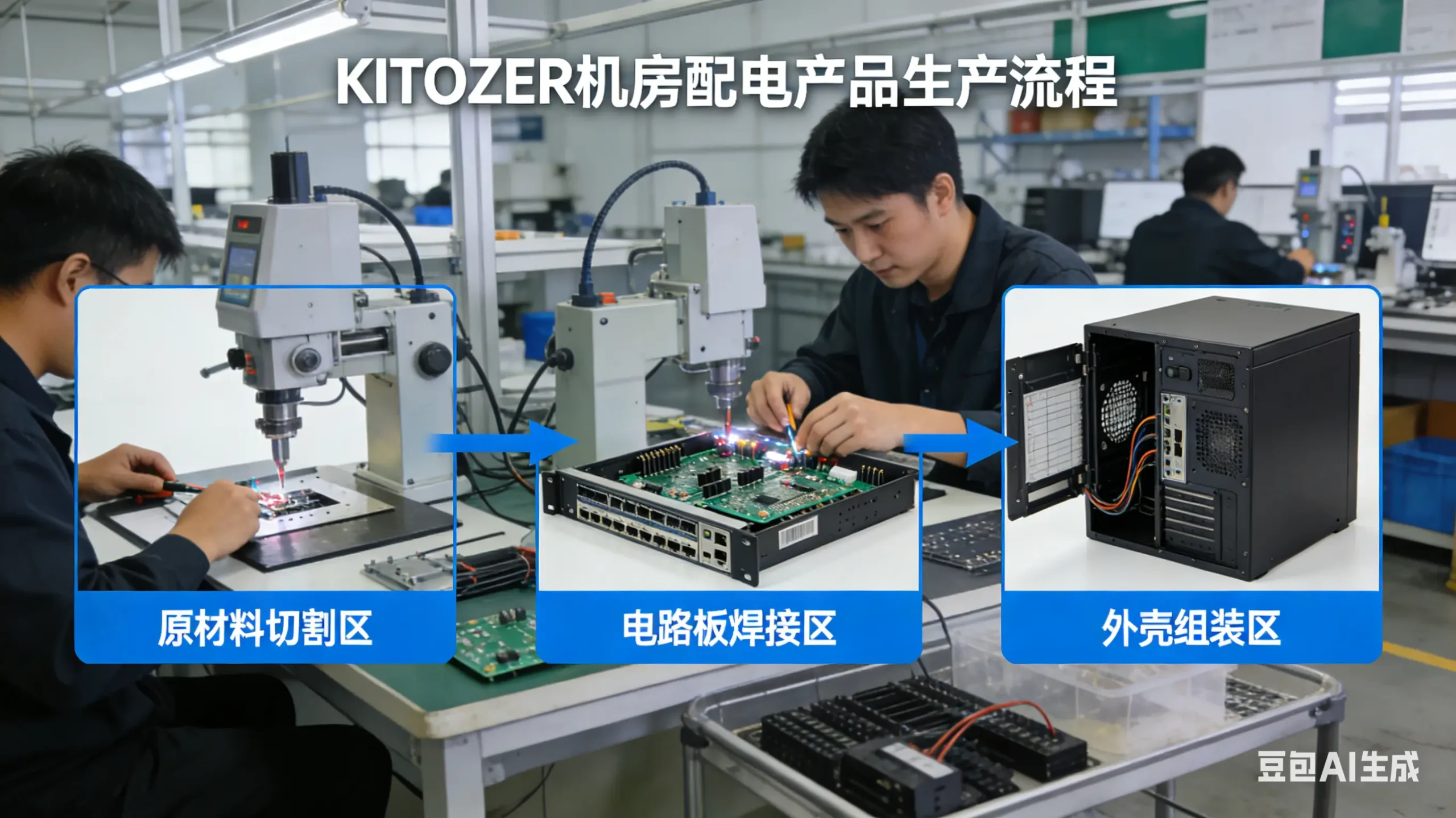
Guangzhou Lain Intelligent System Development Co., Ltd. supplies solid-waste monitoring and traceability systems — weighing, RFID chain of custody, manifest automation and reporting — for manufacturers, parks, hospitals and recyclers. From single rooms to enterprise facilities, KITOZER provides design, manufacturing, integration, testing and after-sales service. Export and support scope are confirmed on the quotation.
Contact us for a free technical consultation:
- Company: Guangzhou Lain Intelligent System Development Co., Ltd.
- Address: 1st Floor, Building A, Chaotian Industrial Park, Zhongrun Industrial Park, Shilou Town, Panyu District, Guangzhou, Guangdong, China
- Tel: +86 13538869979
- WhatsApp: +86 13538869979
- Email: zl19068534140@gmail.com
- Website: www.gdlain.com | Request a Quote
Typical response time: within one business day. Project references, drawings and samples are available on request.