1. Overview: What This FAQ Covers
Lightning monitoring systems give sites two capabilities in one platform: real-time detection of strikes that hit or threaten the facility, and electric-field based warning of approaching storms. Operators use the data to protect staff, prove outage causes and look after surge protection devices before they fail.
Guangzhou Lain Intelligent System Development Co., Ltd. supplies lightning monitoring and protection solutions for telecom, industrial, new-energy and data-center sites. The answers below reflect our standard engineering practice.
2. What the System Detects and How
2.1 What does a lightning monitoring system detect?
Lightning strikes at or near your site — time, count and intensity — plus approaching storm activity for advance warning. Rather than a single lightning rod or arrester, a monitoring installation treats protection as measurable: every event is timestamped and counted, and the data is available to the same operations team that watches power and environment alarms.
2.2 What components make up a complete system?
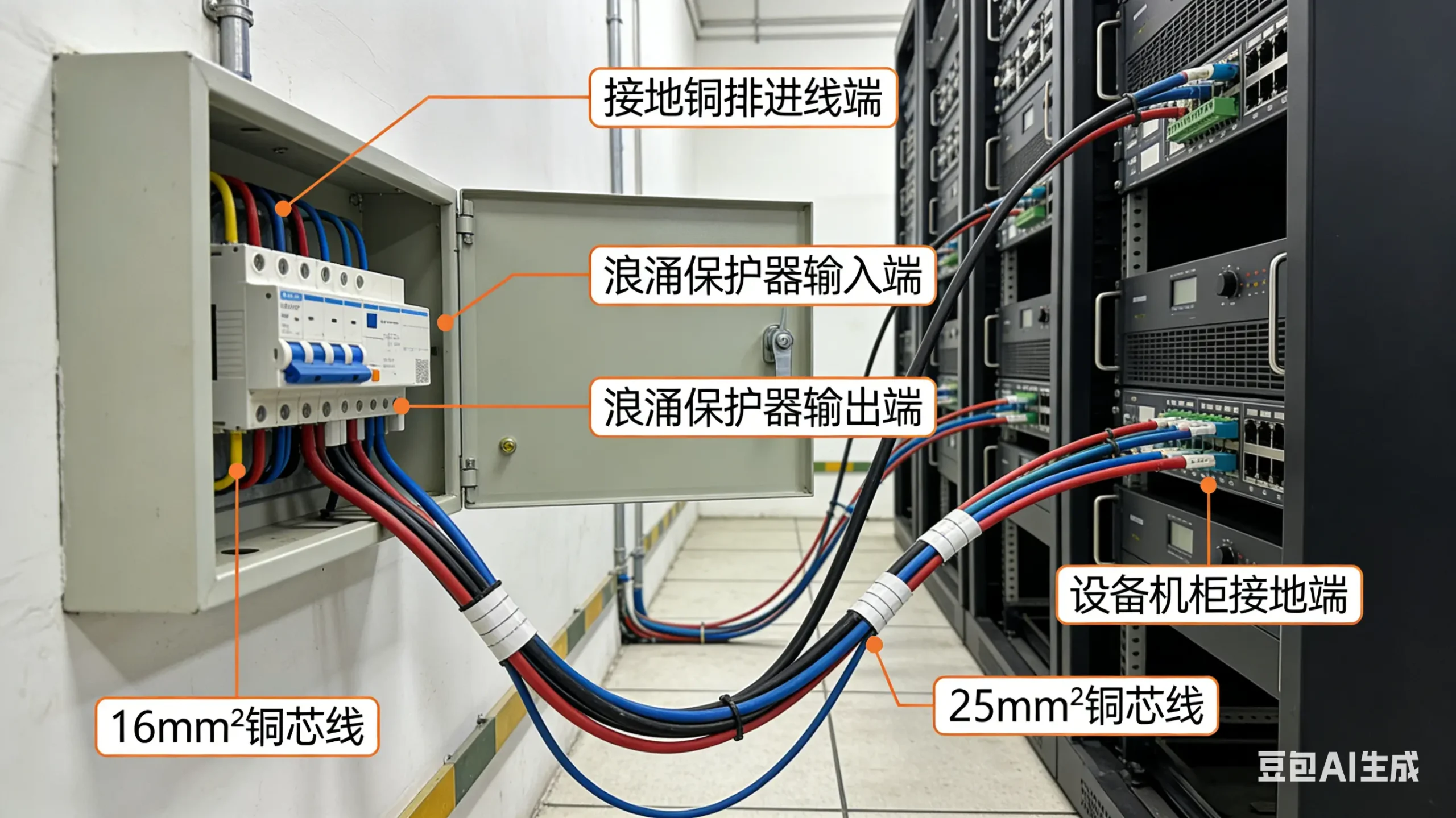
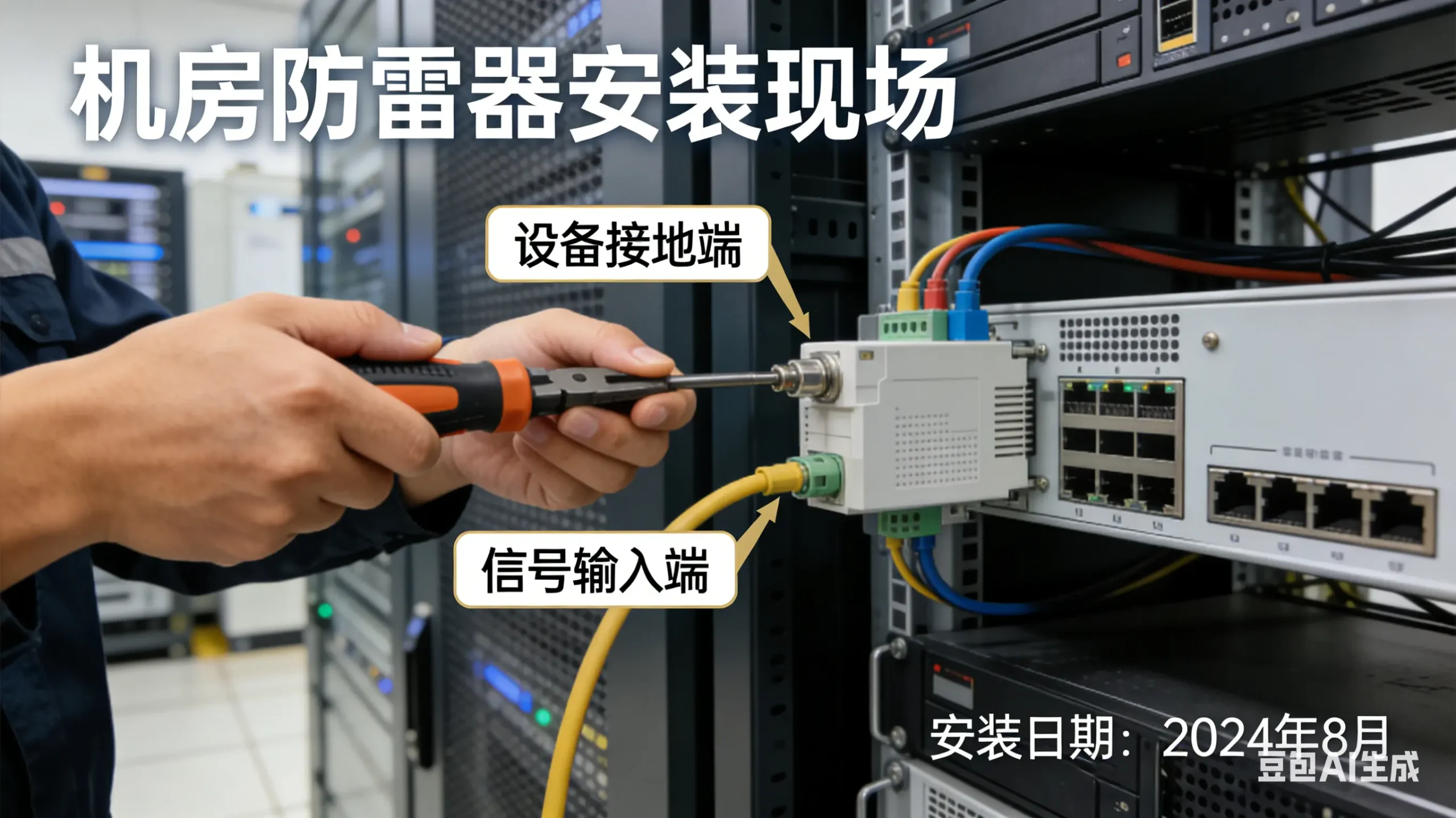
Strike and electric-field sensors mounted on or near the structure, a local acquisition and control unit, and monitoring software that logs events and raises alarms; the controller can also report into an existing NMS or SCADA platform. This modular design means a tower, plant or data center adds monitoring without redesigning its existing protection scheme.
3. Warning, Detection and Outage Forensics
3.1 How is storm warning provided?
Atmospheric electric-field sensors (field mills) detect the build-up that precedes strikes, giving tens of minutes of warning to trigger work-stop or safety protocols. That lead time is the difference between bringing people down from a tower calmly and reacting when the first flash is already overhead.
3.2 Can it prove lightning caused an outage?
Yes — strike timestamps are correlated with equipment trip and alarm records, confirming or excluding lightning as the cause. When an outage coincides with a recorded strike at the site, the evidence is in the log; when it does not, engineers stop chasing a lightning fault and look at the real cause — both outcomes save truck rolls and downtime.
4. SPD Health and Protection Wear
4.1 Does it monitor SPD health?
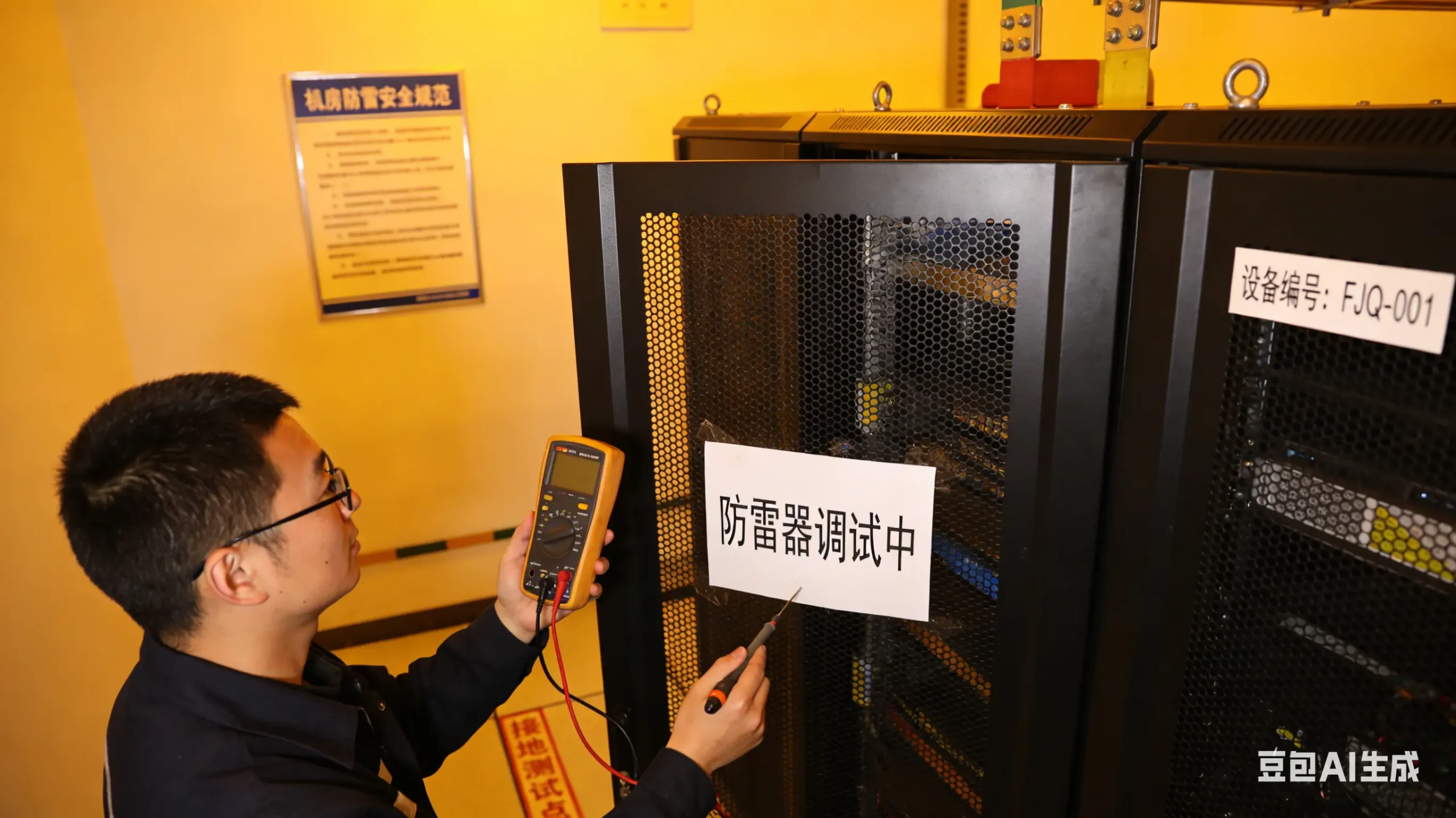
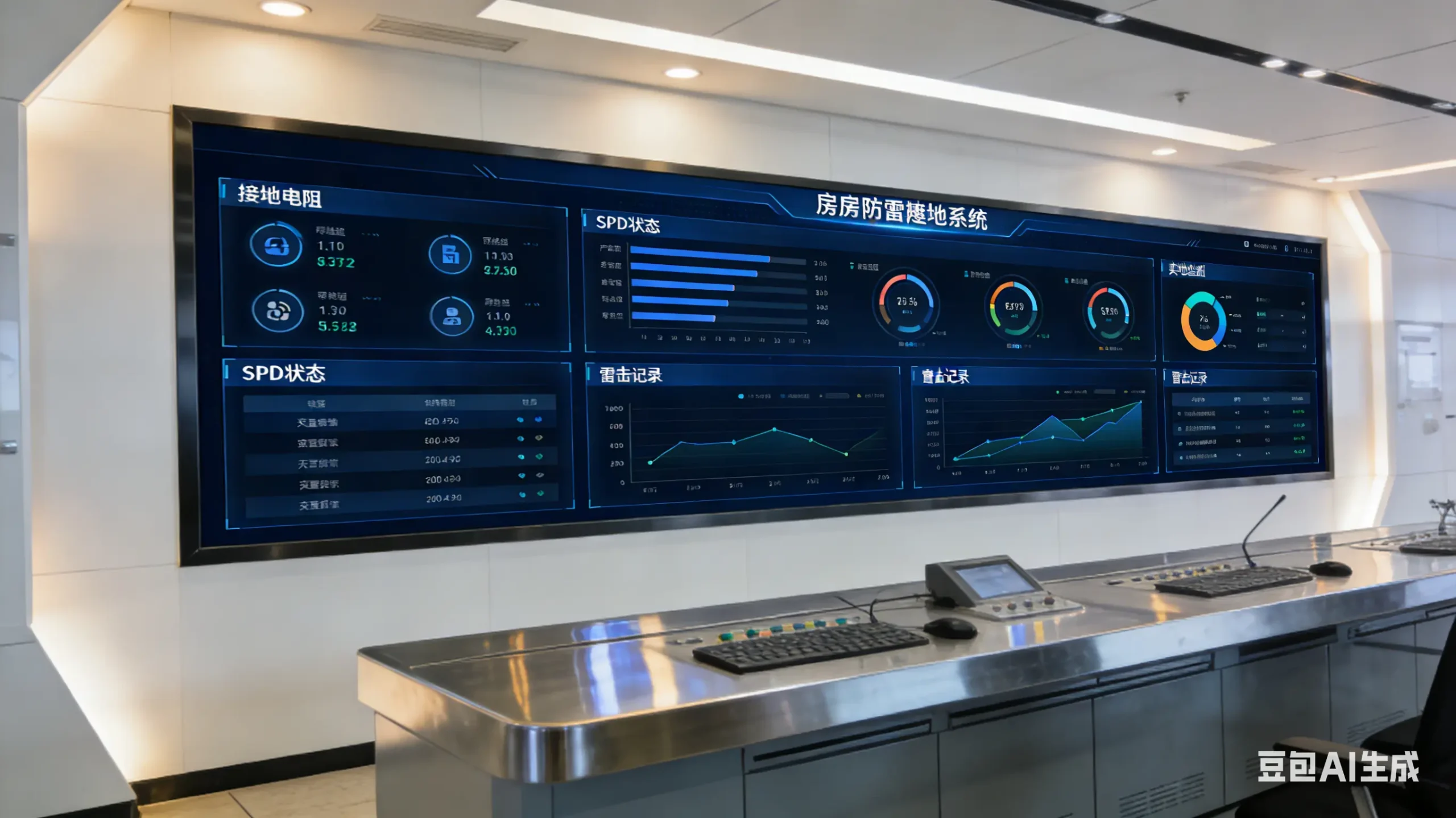
Surge counter and status inputs track SPD operations and end-of-life, prompting replacement before protection is lost. Every operation of a surge protector is counted and reported, so a device that has absorbed repeated strikes is identified from data rather than discovered during the next storm.
4.2 Why does SPD monitoring matter for maintenance?
Surge protection fails silently — a spent SPD still sits in the panel looking normal. Continuous operation counting turns SPD replacement into a planned task: the moment a module reaches its rated operation count or signals end-of-life, the system flags it for swap, keeping protection intact across every season.
5. Deployment, Alarms and Site Operations
5.1 Where is it typically installed?
Telecom towers, wind and solar plants, industrial sites, data centers and areas where outdoor work stops during storms. The same platform protects people — by warning of approaching danger — and equipment — by logging strikes and SPD wear — which is why it suits remote and unattended locations best.
5.2 Can alarms trigger site procedures?
Yes — risk-level alarms notify the operations center and can trigger automated work-stop alerts per your protocol. Warning thresholds are configured for each site: a moderate field reading can page the duty manager, while a high reading can broadcast a work-stop instruction to everyone on site.
6. Frequently Asked Questions — Quick Reference
Lightning Monitoring System FAQ
1. What does a lightning monitoring system detect?
It records strikes at or near your site — time, count and intensity — and also tracks approaching storm activity so the site gets advance warning rather than reacting after the fact.
2. How is storm warning provided?
Atmospheric electric-field sensors (field mills) measure the charge build-up that precedes strikes, typically giving tens of minutes of warning to trigger work-stop or safety protocols before the first strike lands.
3. Can it prove lightning caused an outage?
Yes — strike timestamps are correlated with equipment trip and alarm records, confirming or excluding lightning as the cause of a specific outage instead of leaving it to guesswork.
4. Does it monitor SPD health?
Surge counter and status inputs track SPD operations and end-of-life, prompting replacement before protection is lost and letting maintenance plan swaps rather than discover failures during a storm.
5. Where is it typically installed?
Telecom towers, wind and solar plants, industrial sites, data centers and any area where outdoor work must stop during storms — the monitoring protects both equipment and people.
6. Can alarms trigger site procedures?
Yes — risk-level alarms notify the operations center and can trigger automated work-stop alerts per your protocol, so the response is consistent even when the site is unattended.
7. What components make up a complete system?
Strike and electric-field sensors mounted on or near the structure, a local acquisition and control unit, and monitoring software that logs events and raises alarms; the controller can also report into an existing NMS or SCADA platform.
8. What is the difference between storm warning and strike detection?
Warning looks ahead: field mills sense the charge build-up before lightning occurs and provide lead time. Detection records what actually happened — the moment, number and intensity of strikes — which is what outage forensics and SPD counting rely on.
9. Can it be added to an existing site?
Yes — sensors mount on towers, masts, cabinets or rooftops, and the controller connects to power and the existing network, so a monitoring layer is added without replacing the site’s current protection or disturbing operations.
10. What records and reports does it keep?
The system keeps a strike event log, SPD operation counts, alarm history and periodic summaries, giving maintenance a clear picture of storm exposure and protection wear across the year.
7. Related Solutions
- Lightning Monitoring System: Complete Guide
- Distribution SPD Module: Surge Protection for LV Distribution
- Base Station SPD Module for Telecom Sites
- Grounding Copper Bar: The Backbone of Earthing Systems
- Geohazard Monitoring: Landslide & Deformation Early Warning
About Guangzhou Lain Intelligent System Development Co., Ltd.
Guangzhou Lain Intelligent System Development Co., Ltd. supplies lightning monitoring, surge protection and grounding solutions for telecom towers, industrial plants, new-energy sites and data centers. From single rooms to enterprise facilities, KITOZER provides design, manufacturing, integration, testing and after-sales service. Export and support scope are confirmed on the quotation.
Contact us for a free technical consultation:
- Company: Guangzhou Lain Intelligent System Development Co., Ltd.
- Address: 1st Floor, Building A, Chaotian Industrial Park, Zhongrun Industrial Park, Shilou Town, Panyu District, Guangzhou, Guangdong, China
- Tel/WeChat: +86 13538869979
- WhatsApp: +86 19068534140
- Email: zl19068534140@gmail.com
- Website: www.gdlain.com | Request a Quote
Typical response time: within one business day. Project references, drawings and samples are available on request.