1. Overview: Know Every Strike on Your Site
Lightning is unpredictable — but its damage does not have to be. A single strike can take down telecom towers, wind turbines, substations, industrial plants and data centers, yet most operators only learn about the event hours later, after equipment has failed and revenue has been lost. A lightning monitoring system detects every strike in real time, records its time, location and estimated current, and turns a random weather threat into a measurable, manageable risk.
Guangzhou Lain Intelligent System Development Co., Ltd. supplies lightning monitoring, surge protection and grounding solutions for towers, industrial sites, renewable energy and critical facilities. This guide explains how lightning monitoring works, what it measures and how it protects your people, assets and operations.
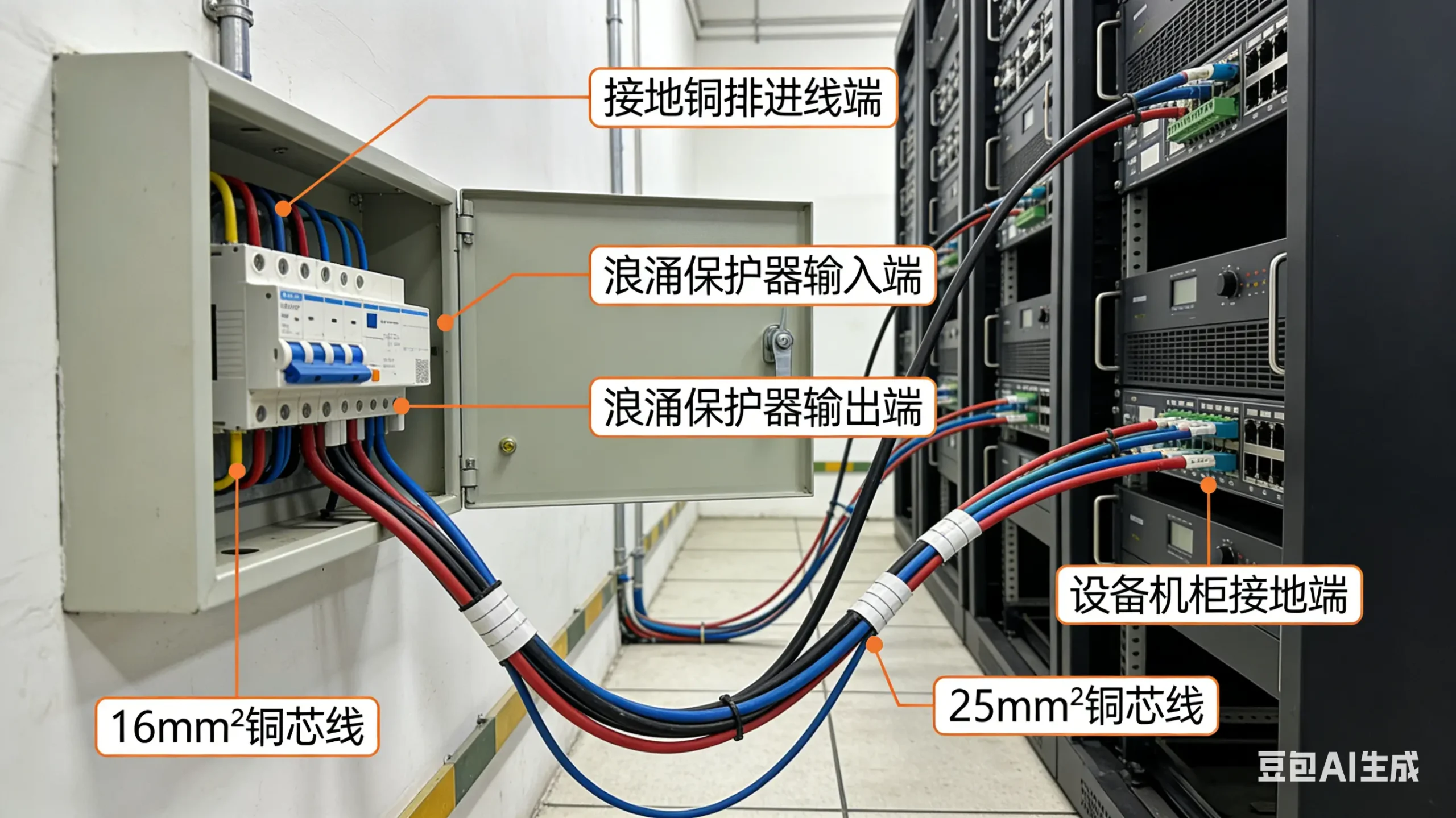
2. Why Monitor Lightning?
| Problem | Without Monitoring | With Monitoring |
|---|---|---|
| Damage investigation | Days of guesswork | Strike record with time and location |
| Equipment failure cause | Unknown, repeated outages | Correlated to strike events |
| Insurance claims | Weak evidence | Documented strike history |
| Preventive maintenance | Reactive repairs | Inspect after verified strikes |
| Safety of personnel | No warning | Strike alerts and safe-work windows |
| Risk statistics | Anecdotal | Real exposure data for design decisions |
Monitoring answers three questions after every storm: was our site hit, how severe was the strike, and what should we inspect — in minutes instead of days.
3. What the System Measures
- Strike time — exact timestamp of every detected discharge, accurate to the second.
- Strike location — which sensor, zone or structure was affected, with local area precision.
- Current amplitude — estimated peak current (kA) of the strike, indicating severity and damage potential.
- Polarity and multiplicity — whether the stroke was positive or negative and how many return strokes occurred.
- Count and rate — number of events per storm, per day or per season for exposure statistics.
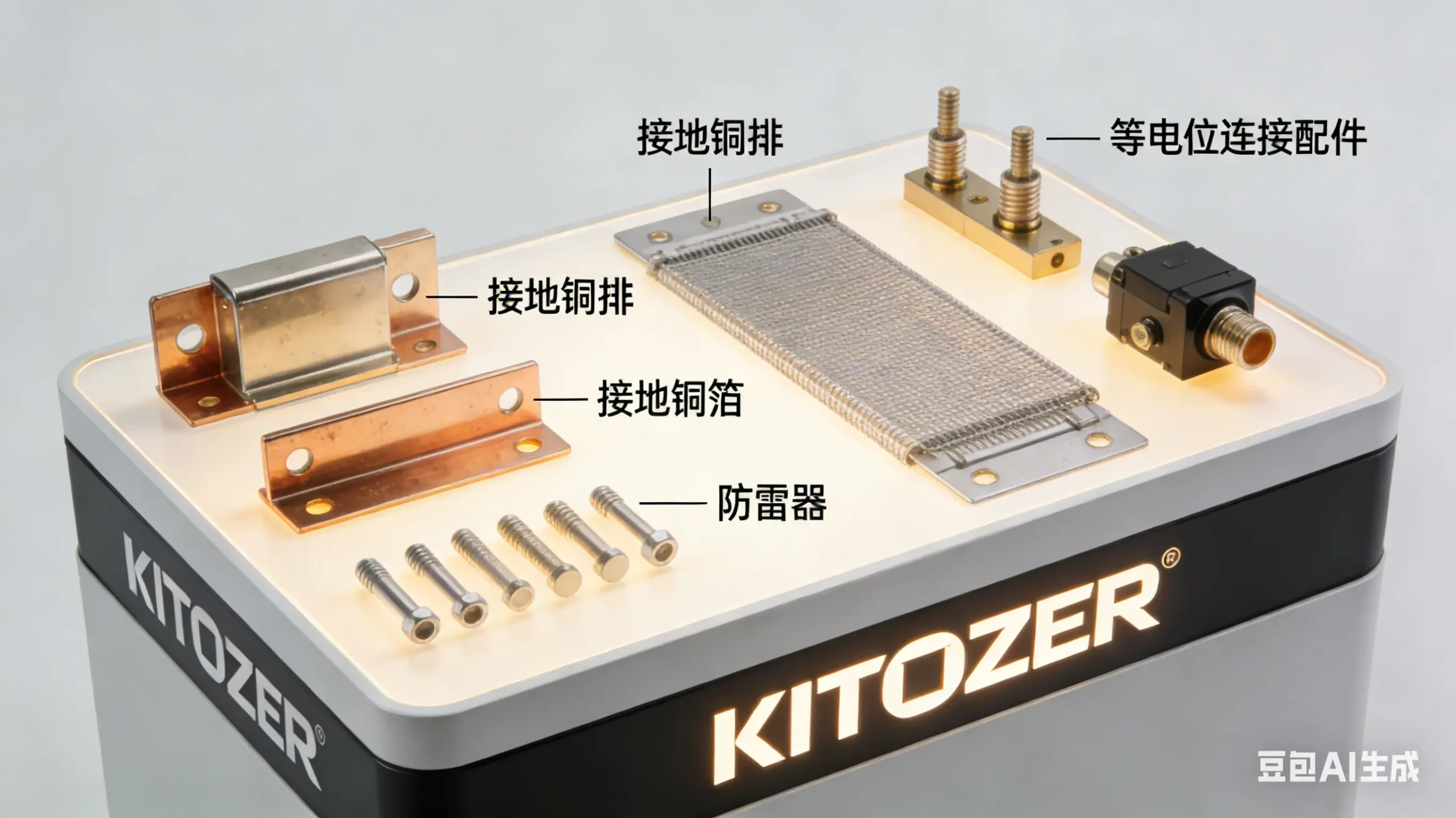
- SPD operation counters — how many times surge protection devices have diverted energy, signalling end-of-life.
4. Detection Technology
| Technology | What It Detects | Typical Use |
|---|---|---|
| Lightning current transformer (on down conductor) | Current flowing in the lightning protection down conductor | Direct-strike measurement on towers and structures |
| Rogowski coil / loop sensor | Magnetic field of nearby strokes | Local strike detection with wide dynamic range |
| Field mill / electric-field sensor | Electrostatic field change before and during strikes | Storm activity and close-strike alerting |
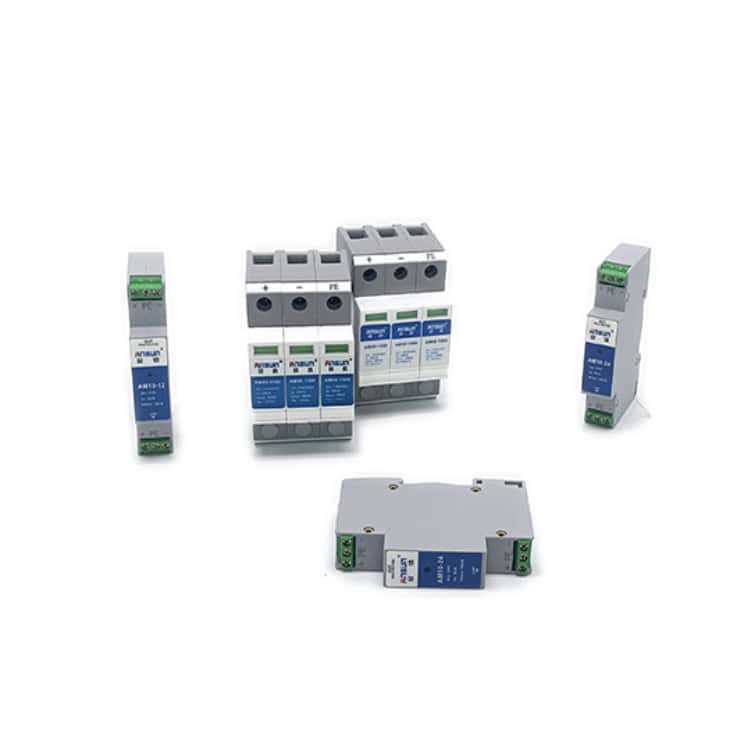
| SPD status and counter module | Operation of surge arresters | Protection health at power and signal entries |
Practical systems combine a direct-measurement channel on the structure with SPD condition monitoring, so operators see both the event and the state of the protection that absorbed it.
5. System Architecture
- Sensor layer — current transformers or field sensors mounted at the air-termination and down-conductor system, and counters on SPDs.
- Data acquisition — a local controller samples sensors continuously, time-stamps events and stores them even during power loss.
- Communications — 4G/5G, Ethernet or fibre carries event data to the monitoring platform in real time.
- Platform layer — dashboards show strike maps and timelines; SMS, email and app alarms notify responsible staff instantly.
6. Alarms and Response
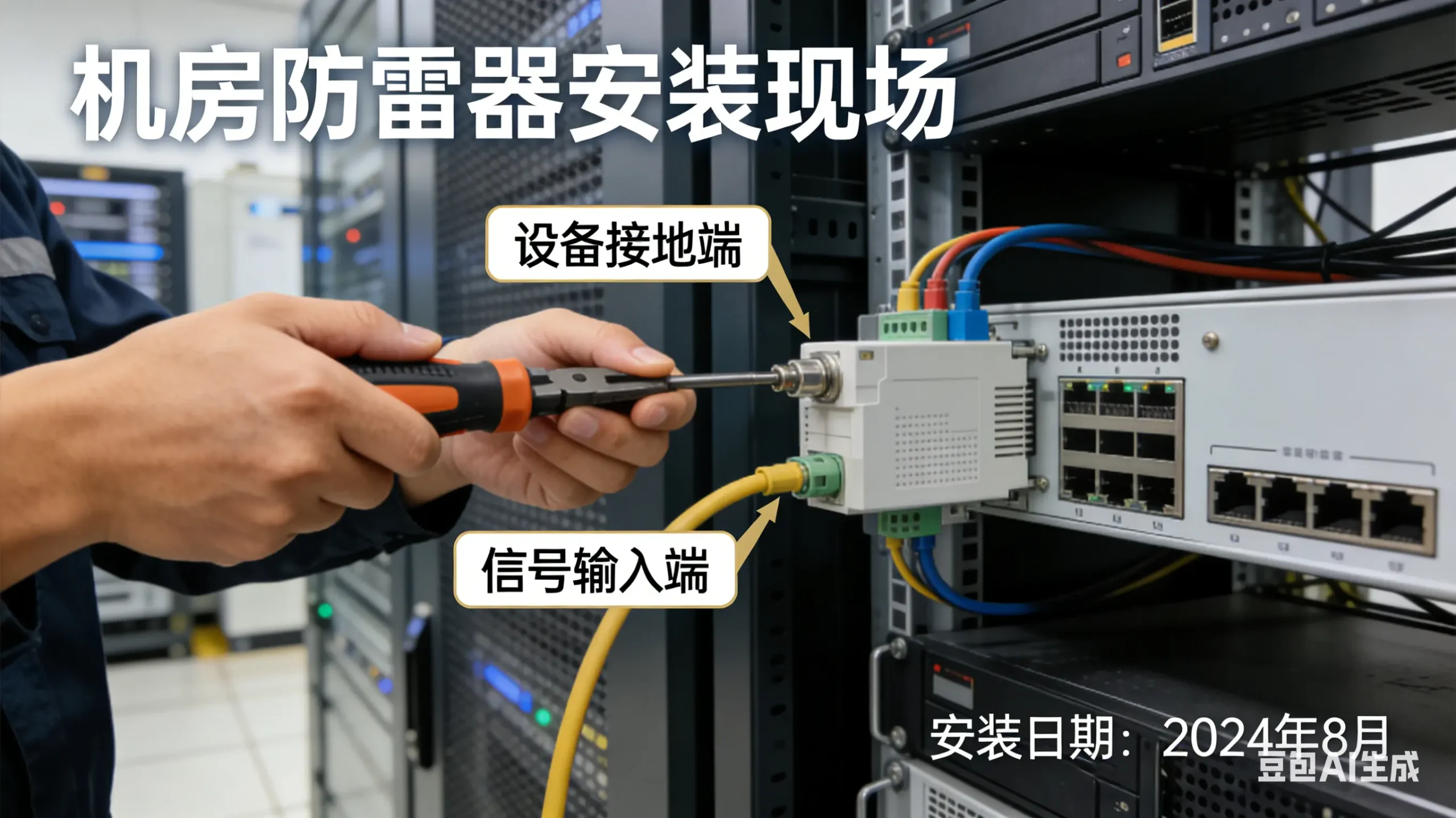
When a strike is recorded, the system classifies it by severity. A remote strike with low current may only log an event; a direct strike on the protected structure triggers an immediate alert with an inspection recommendation. Response workflows guide operators: verify critical equipment, inspect surge protection status, check grounding continuity, and document findings against the strike record. After storms, the platform produces a per-event report that becomes the maintenance and insurance record.
7. Applications
- Telecom towers and base stations — tall, exposed structures with electronics that cannot tolerate outages.
- Wind turbines — blades and nacelles are frequent strike targets; monitoring protects blade pitch and control systems.
- Substations and power plants — protection of switchgear, protection relays and control rooms.
- Industrial plants and refineries — process safety and continuity in hazardous and outdoor environments.
- Data centers — mains, standby and telecom entries are vulnerable to induced surges.
- Airports, railways and monitoring networks — distributed sites where every structure needs a strike record.
8. Integrating Lightning Protection with Monitoring
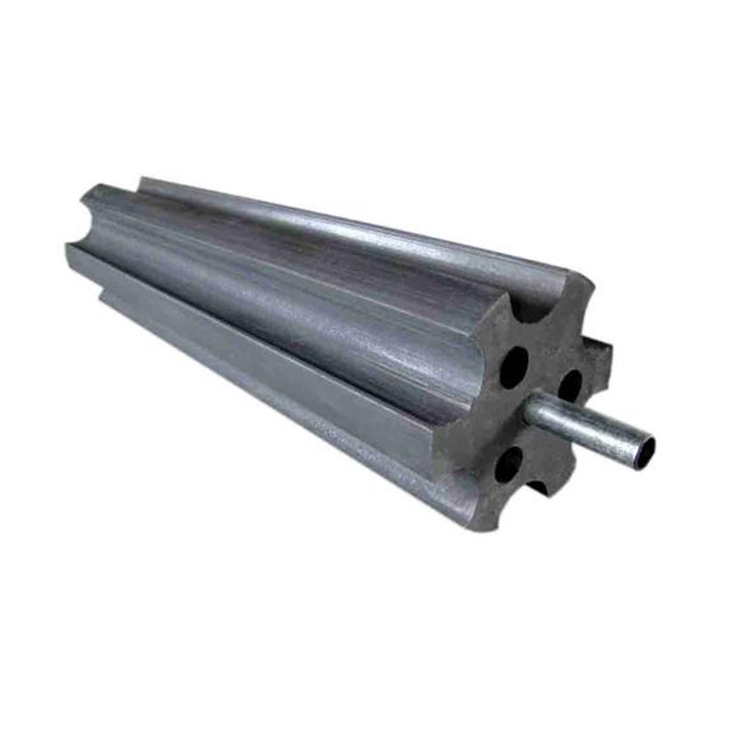
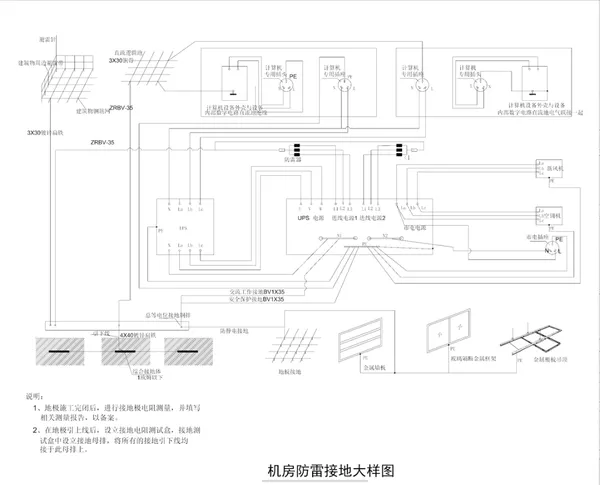
Monitoring is the visibility layer on top of a complete protection system: air-termination and down conductors carry the strike to ground safely; surge protection devices (SPDs) clamp the energy at power and signal entries; an equipotential bonding and grounding network keeps every conductive part at the same potential. KITOZER supplies these as coordinated layers — SPD modules, grounding bars and bonding accessories — so the monitoring record sits on protection that is actually rated for the site’s exposure.
9. Installation and Commissioning
- Site assessment — lightning density (keraunic level), structure height, exposure and existing protection are reviewed first.
- Sensor placement — down-conductor sensors and SPD counters are installed at defined points with correct orientation and ratings.
- Calibration — sensors are verified against known test signals so amplitude readings are trustworthy.
- Platform setup — thresholds, alarm routing and report formats are configured with the operator.
- Training and handover — response procedures are documented so staff know what each alarm means.
10. Maintenance and Data Use
Lightning monitoring equipment is passive and low-maintenance, but the data it produces compounds in value. Season after season, operators build a site-specific exposure profile that informs tower siting, insulation coordination, SPD replacement budgets and even insurance premiums. Regular checks confirm sensor calibration, SPD health and ground resistance, closing the loop between protection design and real-world performance.
11. Frequently Asked Questions
Lightning Monitoring FAQ
1. How do I know if my site was actually struck?
Current transformers on the down conductor record the strike directly; the system time-stamps the event and reports estimated peak current, so a direct strike is confirmed rather than assumed.
2. What is the difference between lightning monitoring and lightning protection?
Protection (air terminals, down conductors, SPDs, grounding) safely carries or clamps strike energy; monitoring records strikes and protection operation so you can respond, report and improve the design.
3. Can the system tell me the strike current in kiloamperes?
Yes — down-conductor sensors measure the discharge current and the logger reports estimated peak current, polarity and stroke multiplicity.
4. Do I need one sensor per structure?
Each protected structure or tower normally carries its own sensor set; distributed sites report to one central platform for a complete picture.
5. How are alarms delivered?
SMS, email and app push alerts are configured by severity, with escalation to the right team when a direct strike is detected.
6. Does lightning monitoring help with insurance claims?
Yes — the documented strike record with timestamps and severity is strong evidence for claims and for demonstrating that protection was maintained.
7. How does SPD monitoring work?
Surge counters record each operation of the protection device; when counts approach the device rating, the platform flags replacement before failure.
8. Can it integrate with my existing monitoring platform?
Yes — event data is delivered through standard protocols (Modbus, SNMP, API) for integration with site and enterprise platforms.
9. Is the system suitable for hazardous industrial areas?
Explosion-proof and rugged sensor enclosures are available for refineries, chemical plants and other classified zones.
10. What maintenance does it require?
Very little — periodic calibration checks, SPD health review and ground-resistance testing, typically on an annual or semi-annual schedule.
12. Related Solutions
- Base Station SPD Module
- Distribution SPD Module
- Equipotential Bonding Accessories
- Grounding Copper Bar
- Geohazard Monitoring
- Explosion-Proof Weather Station
About Guangzhou Lain Intelligent System Development Co., Ltd.
Guangzhou Lain Intelligent System Development Co., Ltd. supplies lightning monitoring, coordinated surge protection and grounding solutions for towers, industry, renewables and critical facilities worldwide. From single rooms to enterprise facilities, KITOZER provides design, manufacturing, integration, testing and after-sales service. Export and support scope are confirmed on the quotation.
Contact us for a free technical consultation:
- Company: Guangzhou Lain Intelligent System Development Co., Ltd.
- Address: 1st Floor, Building A, Chaotian Industrial Park, Zhongrun Industrial Park, Shilou Town, Panyu District, Guangzhou, Guangdong, China
- Tel/WeChat: +86 13538869979 | +86 13538869979
- WhatsApp: +86 19068534140
- Email: zl19068534140@gmail.com
- Website: www.gdlain.com | Request a Quote
Typical response time: within one business day. Project references, drawings and samples are available on request.