1. Overview: The DC Heart of the Telecom Site
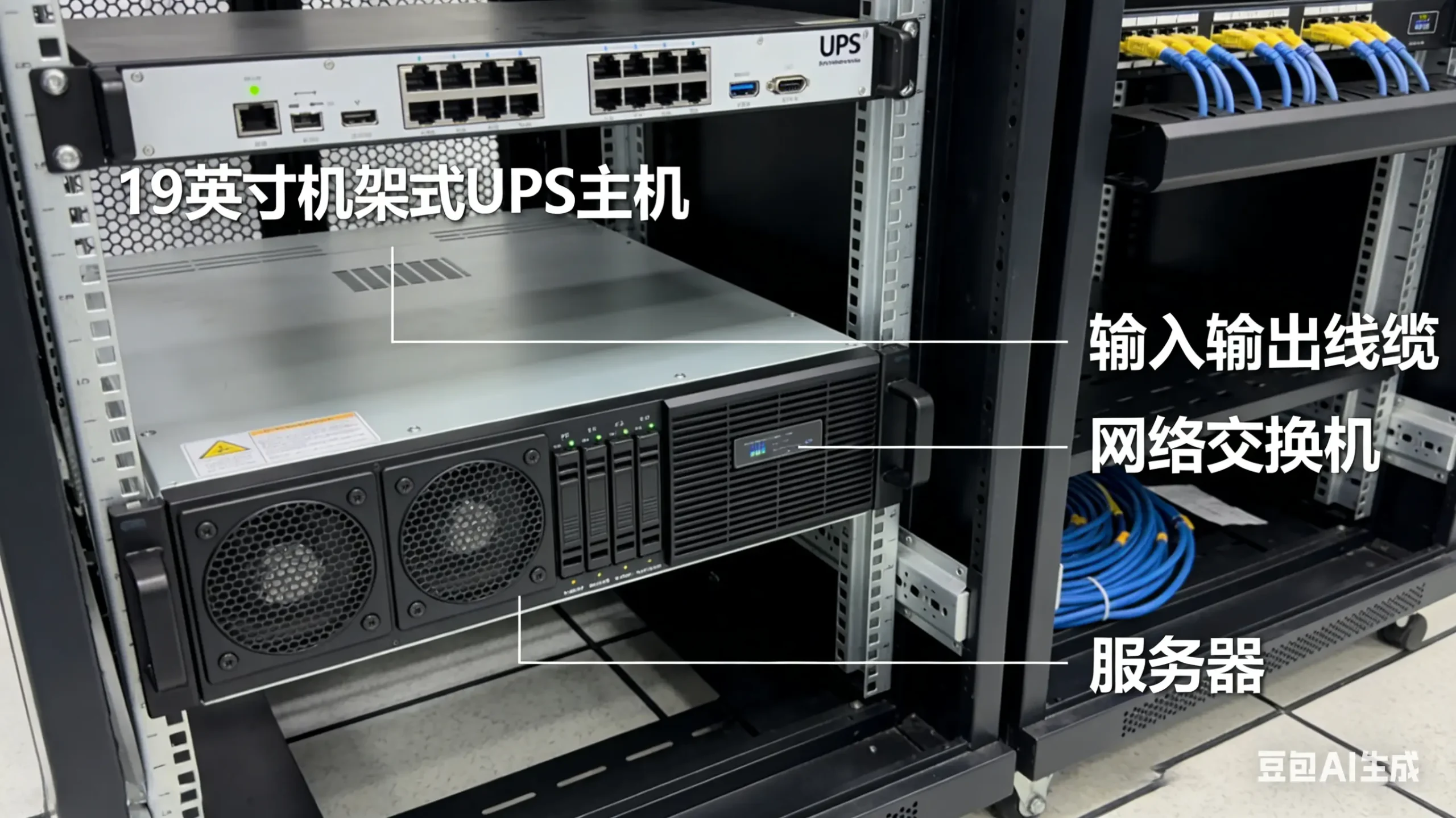
Every telecom site — from a single rural pole cabinet to a central office — converts mains power to -48V DC, stores it in batteries, and distributes it to the equipment that carries traffic. The telecom power distribution unit (PDU) is the component that performs that final distribution: it takes rectified DC from the power system and delivers it through protected, monitored branches to radios, transmission gear and auxiliary loads.
Guangzhou Lain Intelligent System Development Co., Ltd. manufactures telecom PDUs and DC distribution panels from 100 A to 2000 A with pluggable breakers, high-accuracy metering and full alarm reporting. This guide explains their role, specification, installation and maintenance.

2. Core Functions
2.1 Protected Distribution
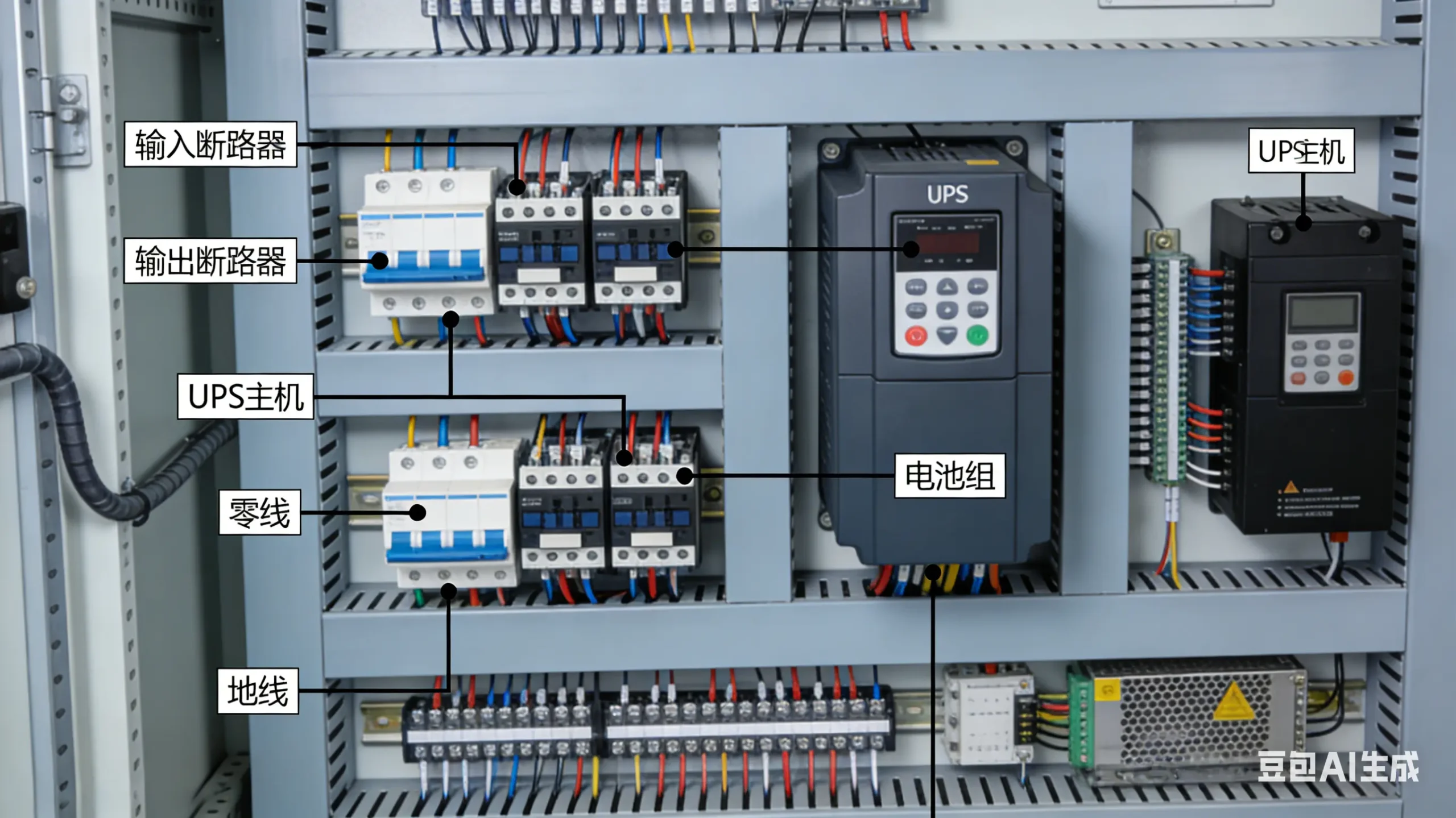
DC from the rectifier/battery bus enters the PDU and is split into 6 to 48 output branches, each protected by a DC-rated MCB or fuse from 10 A to 630 A. Branches are matched to the circuit schedule — radios, transmission, controllers — and clearly labeled for safe operation.
2.2 Metering and Measurement
Total voltage, current and power are measured and displayed; smart PDUs add per-branch current sensing. This data shows load balance across branches, supports capacity planning, and detects abnormal consumption before it becomes a fault.
2.3 Alarm and Reporting
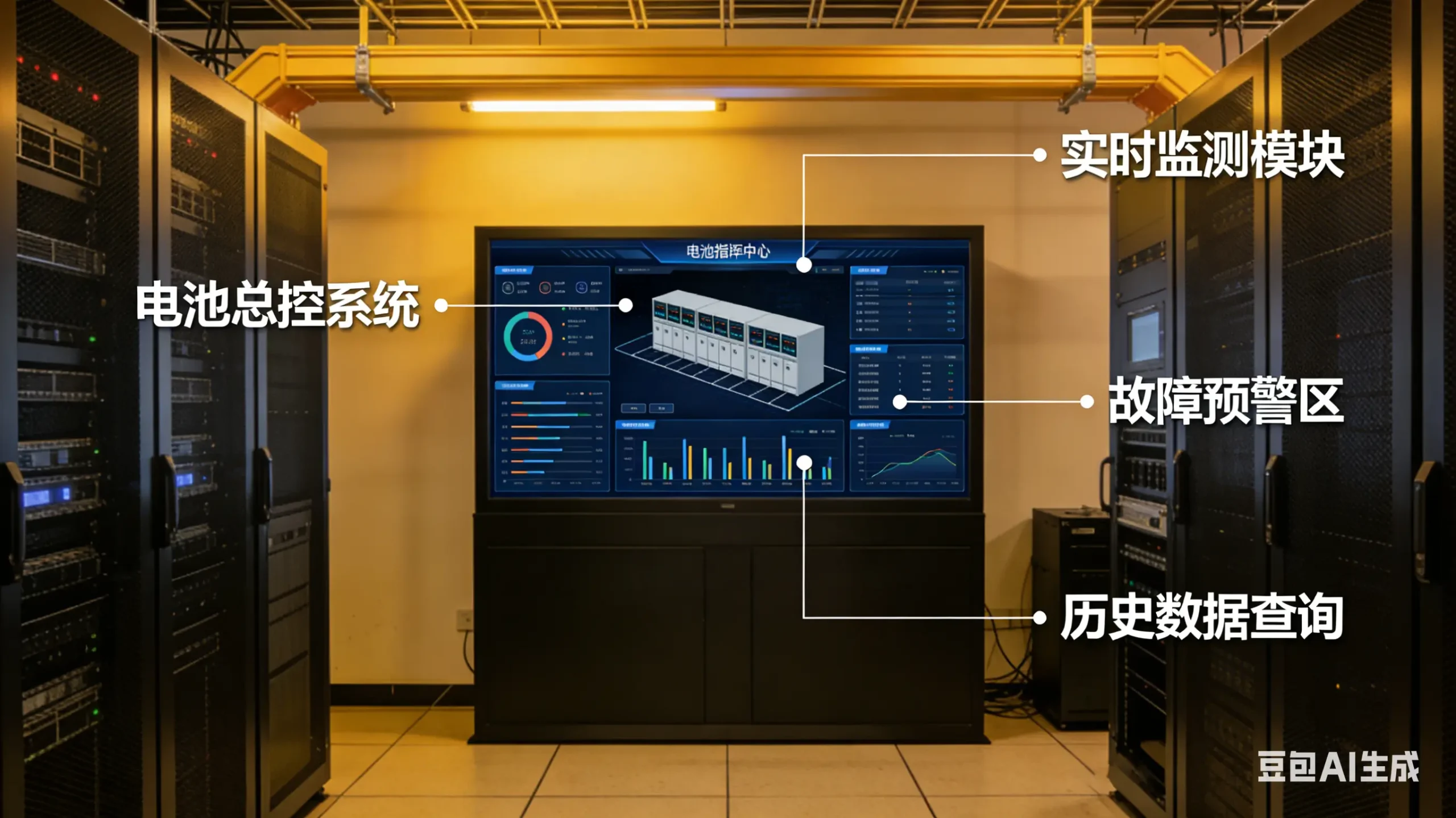
Branch trips, fuse failures, under/over-voltage, insulation faults and door-open events are reported via RS485/Modbus, SNMP or dry contacts to the site controller and NMS. Remote visibility means the NOC knows a branch tripped within seconds — no truck roll to discover it.
2.4 Battery Interface and LVD
Dedicated battery branches connect the battery bank through fuses, with optional low-voltage disconnect (LVD) that sheds non-critical loads at a set voltage (e.g. 43.2 V) to preserve energy for critical traffic during long outages.
3. Applications
- Macro base stations — distribution to 3-6 sectors plus transmission and auxiliary loads.
- Converged and multi-operator sites — larger PDUs serving multiple technologies from one shelter.
- Small exchanges and edge sites — busbar PDUs up to 2000 A for racked equipment.
- Indoor DAS and small cells — compact PDUs in cabinets and head-end rooms.
- Enterprise and industrial 48V plants — DC power for servers, routers and control systems.
4. Technical Specifications
| Parameter | Standard Range | Notes |
|---|---|---|
| Nominal voltage | -48V DC (24V/110V options) | Telecom standard |
| Total rating | 100 A to 2000 A | Wall-mount to floor busbar types |
| Output branches | 6 to 48 ways | Pluggable DC MCB or fuse |
| Branch rating | 10 A to 630 A | Mixed ratings per schedule |
| Metering | Total + per-branch | RS485/Modbus, SNMP |
| LVD | Optional (e.g. 43.2 V) | Battery protection |
| Alarm outputs | Dry contacts / protocols | To site controller or NMS |
| Standards | IEC/GB DC design rules | Test certificates per unit |
4.1 Design and Build Quality
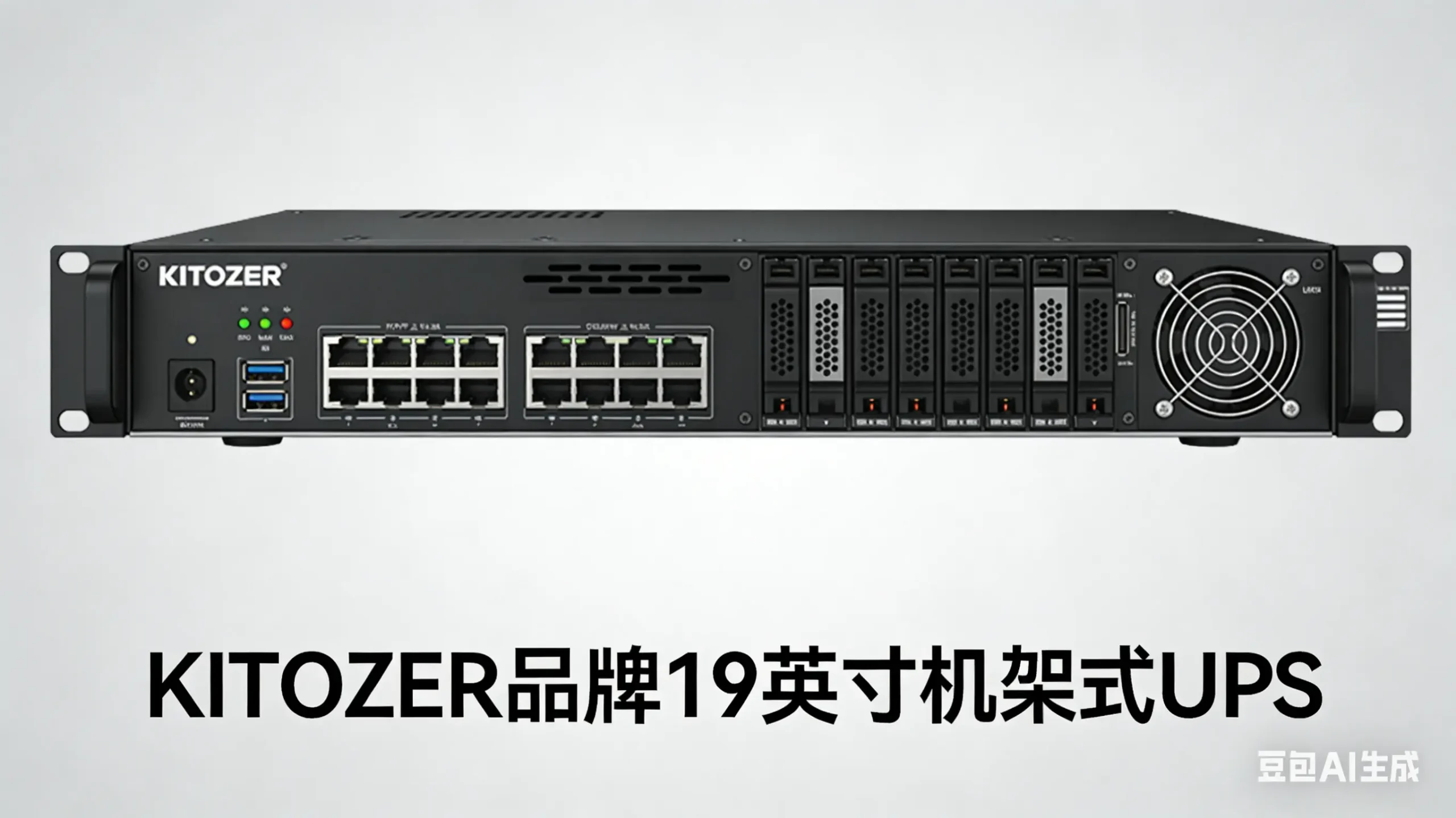
Panels follow -48V DC design rules: tinned copper busbars sized for low voltage drop, creepage and clearance distances per IEC 60950/GB standards, reverse-polarity protection options, and color-coded wiring with ferrules and service loops. Standard 19″ rack or wall-mount versions are available; larger units are floor-standing with front and rear access.
5. Sizing and Selection Guide
- Sum the DC load — every branch at full load plus 20-30% growth margin.
- Choose the form — rack PDU for cabinets, wall-mount for small shelters, floor busbar panel for exchanges.
- Select protection — pluggable MCBs for flexibility, fuses where higher currents or specific coordination is required.
- Decide on smart features — per-branch metering and remote alarms pay back at remote or high-availability sites.
- Include battery path — LVD where grid reliability is poor or battery autonomy is critical.
6. Installation and Commissioning
- Mounting and earthing per the power plan; DC polarity verified before connection.
- Rectifier and battery cables terminated with correct torque.
- Branch breakers fitted and labeled per the circuit schedule.
- Commissioning tests: insulation, polarity, LVD function, alarm reporting, metering accuracy.
- Handover with as-built schedules, test certificates and operator training.
Because branch modules are pluggable, circuits can be added or changed during commissioning without interrupting the site.

7. Maintenance and Troubleshooting
PDUs are highly reliable with simple care: quarterly visual checks (heat discoloration, dust, breaker positions), annual torque verification on busbar and battery connections, periodic LVD function tests, and breaker sample testing. Troubleshooting guidance covers repeated branch trips (downstream fault or overload), metering anomalies (shunt wiring or communication address) and warm busbars (loose termination or overload). Battery-path fuses and LVD contactors deserve the most attention — they act only in emergencies and must be proven regularly.
8. Standards and Compliance
Design and testing follow IEC/GB requirements for DC equipment: clearance and creepage distances, temperature-rise limits, and surge protection. All breakers are DC-rated — AC-rated devices are never acceptable on DC circuits because of arc interruption differences. Test certificates and design documentation accompany each delivery.
9. Industry Use Cases
9.1 5G Site Standardization
An operator standardized new 5G macro sites on 800 A smart PDUs with per-branch metering. Remote branch visibility reduced trip-related truck rolls by more than half and exposed two chronically overloaded feeders within the first quarter.
9.2 Weak-Grid Rural Sites
Rural sites with poor grid installed PDUs with LVD at 43.2 V; battery banks stopped suffering repeated deep discharges and critical transmission loads now survive outages up to 40% longer.
9.3 Exchange Consolidation
A regional exchange replaced three legacy panels with one 1200 A busbar PDU with dual battery paths, freeing floor space and adding full remote alarming to the NOC.
10. Frequently Asked Questions
Telecom Power Distribution Unit FAQ
1. What does a telecom power distribution unit do?
It distributes -48V DC from the rectifier/battery bus to individual telecom loads through protected branches, and reports branch current, voltage and trip status to the site monitoring system.
2. What is the difference between PDU and PDB?
Both distribute DC power. PDU often refers to rack or cabinet-level distribution; PDB (power distribution board) to the larger room-level panel. They are the same family built to different sizes.
3. Which output currents are available?
Standard branches cover 10 A, 16 A, 32 A, 63 A and 100 A using pluggable DC MCBs or fuse carriers; total panel ratings range from 100 A to 630 A (larger on request).
4. Can the panel be monitored remotely?
Yes — smart versions meter each branch and report via RS485/Modbus or dry-contact alarms to the site controller, so the NOC sees branch trips and load balance in real time.
5. Why is low-voltage disconnect needed?
LVD automatically disconnects non-critical loads when battery voltage falls (e.g. below 43.2 V), protecting the battery from deep discharge and keeping critical transmission loads alive longer during outages.
6. Do you make AC distribution too?
Yes — AC distribution boxes for mains input, air conditioners and sockets, and combined AC/DC panels where space is limited.
7. What standards do the panels comply with?
Design and testing follow IEC/GB requirements for DC equipment, including clearance/creepage distances, temperature-rise limits and surge protection.
8. How long is delivery?
Standard panels ship in 10-15 days; smart panels with branch metering in 15-20 days after drawing approval.
9. Can branches be added later?
Yes — pluggable breaker or fuse modules allow live addition of circuits using spare ways.
10. What is the recommended growth margin?
Reserve 20-30% of branch positions and capacity for future sectors, features and load growth.
11. Do PDUs work with existing rectifiers?
Yes — any standard -48V rectifier system connects to the PDU bus; interfaces are universal DC.
12. What documentation is delivered?
Wiring diagrams, terminal schedules, test certificates, operation manual and protocol documentation for smart units.
11. Related Solutions
- DC Distribution Cabinet
- AC Distribution Unit
- LiFePO4 Batteries for Base Stations
- Base Station SPD Module
- Base Station Environmental Sensors
About Guangzhou Lain Intelligent System Development Co., Ltd.
Guangzhou Lain Intelligent System Development Co., Ltd. designs and manufactures -48V DC power systems, distribution units, batteries and monitoring platforms for telecom operators and tower companies worldwide. From single rooms to enterprise facilities, KITOZER provides design, manufacturing, integration, testing and after-sales service under one roof and exports worldwide.
Contact us for a free technical consultation:
- Company: Guangzhou Lain Intelligent System Development Co., Ltd.
- Address: 1st Floor, Building A, Chaotian Industrial Park, Zhongrun Industrial Park, Shilou Town, Panyu District, Guangzhou, Guangdong, China
- Tel/WeChat: +86 135-0923-8849 | +86 135-0923-8849
- WhatsApp: +86 135-0923-8849
- Email: zl19068534140@gmail.com
- Website: www.gdlain.com | Request a Quote
Typical response time: within one business day. Project references, drawings and samples are available on request.