Executive Summary
Sheet Metal Fabrication covers a structured family of engineered systems that support mission-critical facilities, industrial sites and communication infrastructure. This guide reviews the engineering context, typical challenges, and practical selection considerations for buyers, integrators and operations teams.
Sheet metal fabrication turns a drawing into a precise, repeatable enclosure. The result depends on tolerance control, material selection, joining method and finishing — not on the machine alone. This guide covers the family from custom products and outdoor structures to standard enclosures and finishing accessories, and explains how to specify fabrication quality that survives assembly, transport and years of service.
Industry Context
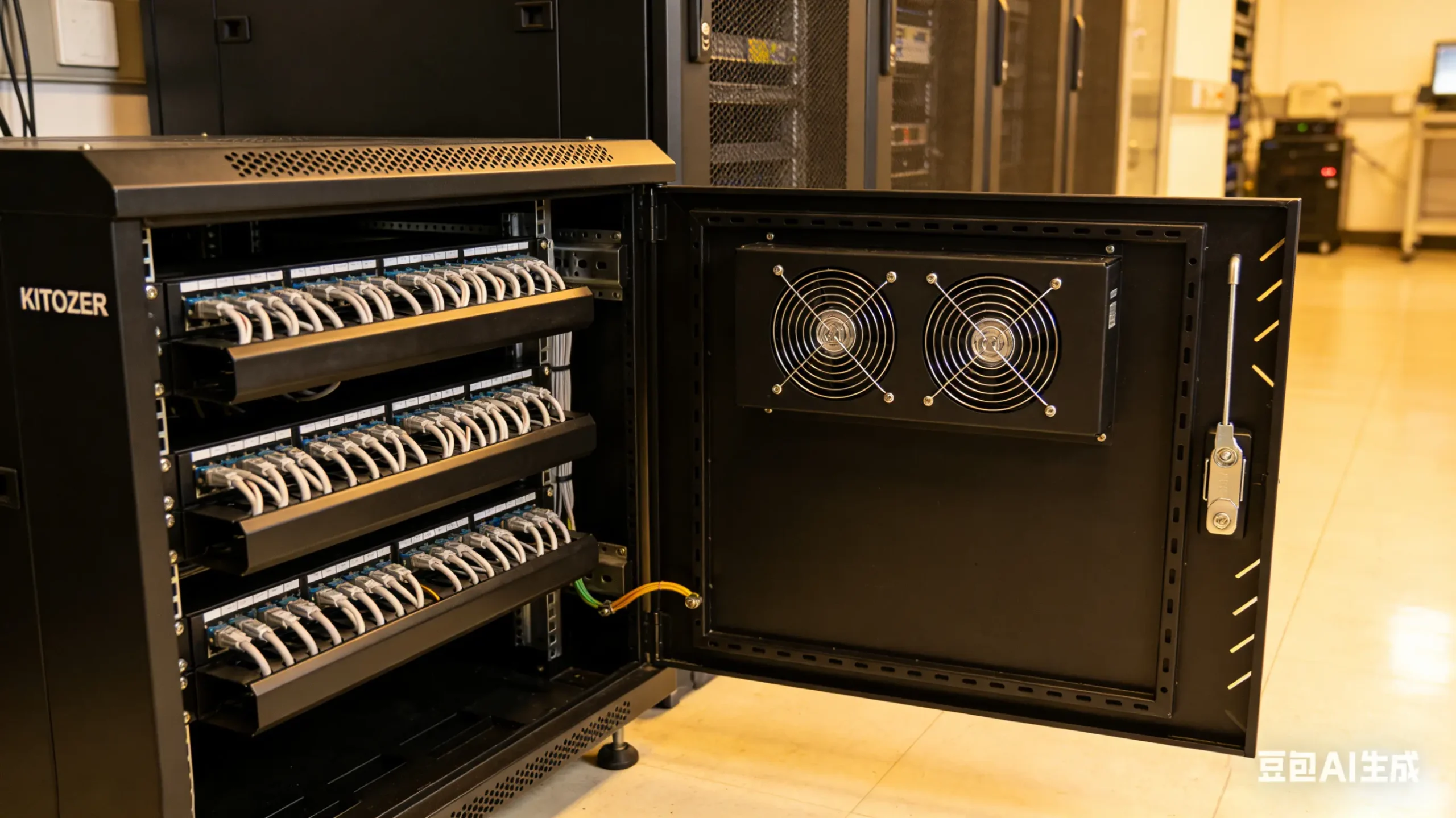
Demand for sheet metal fabrication continues to grow as operators upgrade legacy infrastructure and adopt standardized, factory-integrated solutions. Procurement decisions increasingly depend on verified specifications, lifecycle cost and supplier engineering capability rather than price alone.
Three pressures shape demand. Enclosure specifications are tightening as equipment densities rise and customers demand documented ingress and corrosion performance. Lead times matter more, so buyers favour fabricators that combine design support with in-house cutting, forming, welding and coating. And global sourcing means a drawing must be manufacture-ready, because rework across a supply chain costs far more than a drawing review.
Engineering Challenge
The main challenge is matching the right configuration to real site conditions: space, load, thermal environment, power availability and maintenance access. A mismatch at specification stage typically leads to rework during installation or higher operating cost.
Fabrication problems show up as fit, finish and durability. Cumulative tolerance errors stop doors closing and gaskets sealing; welding heat distorts flat panels; coating fails at cut edges and threads; and material grade substitutions quietly reduce strength or corrosion resistance. Each is decided by process control and documentation, so the fabricator’s quality system — not only its equipment list — determines the delivered result.
Technical Analysis
Key technical dimensions include structural integrity, thermal performance, electrical safety, environmental protection rating, and integration interfaces. Each subcategory in this family addresses a specific portion of the overall system:
- Custom Sheet-Metal Products
- Outdoor Sheet-Metal Structures
- Sheet-Metal Accessories & Finishing
- Standard Sheet-Metal Enclosures
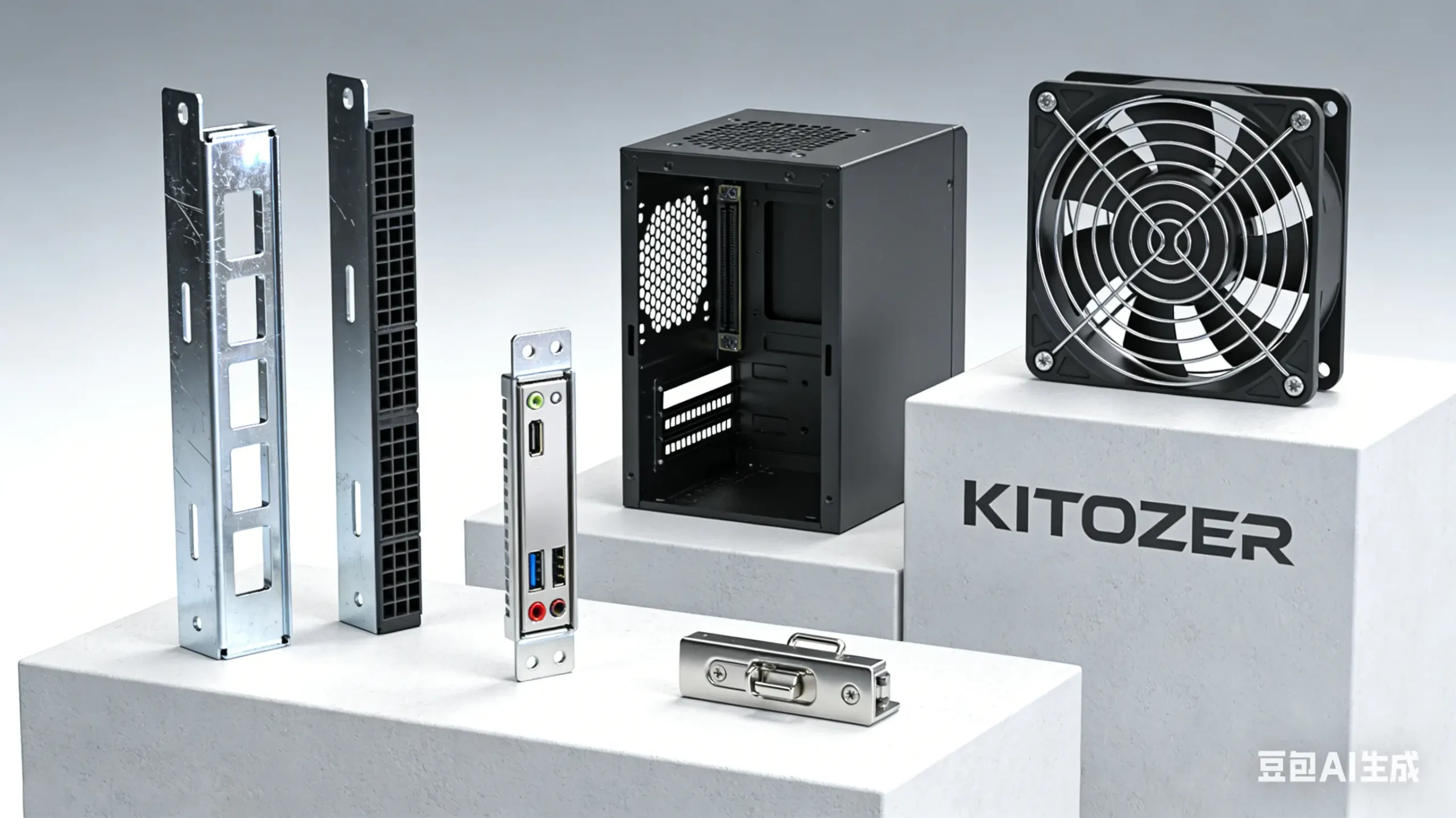
The subdivisions describe different production paths. Standard sheet-metal enclosures are series-produced to a fixed design with repeatable tooling; custom sheet-metal products are built to drawing for a specific project; outdoor sheet-metal structures add weather and corrosion requirements; and accessories and finishing cover brackets, panels, powder coating, plating and screen printing. The key dimensions — material grade and thickness, tolerance class, joining method, surface treatment and inspection criteria — are agreed together, because changing one, such as a heavier gauge, changes forming, welding and coating practice.

Application
Typical applications include sheet metal fabrication environments and comparable facilities where reliability and serviceability are mandatory. Site surveys and load calculations are recommended before configuration.
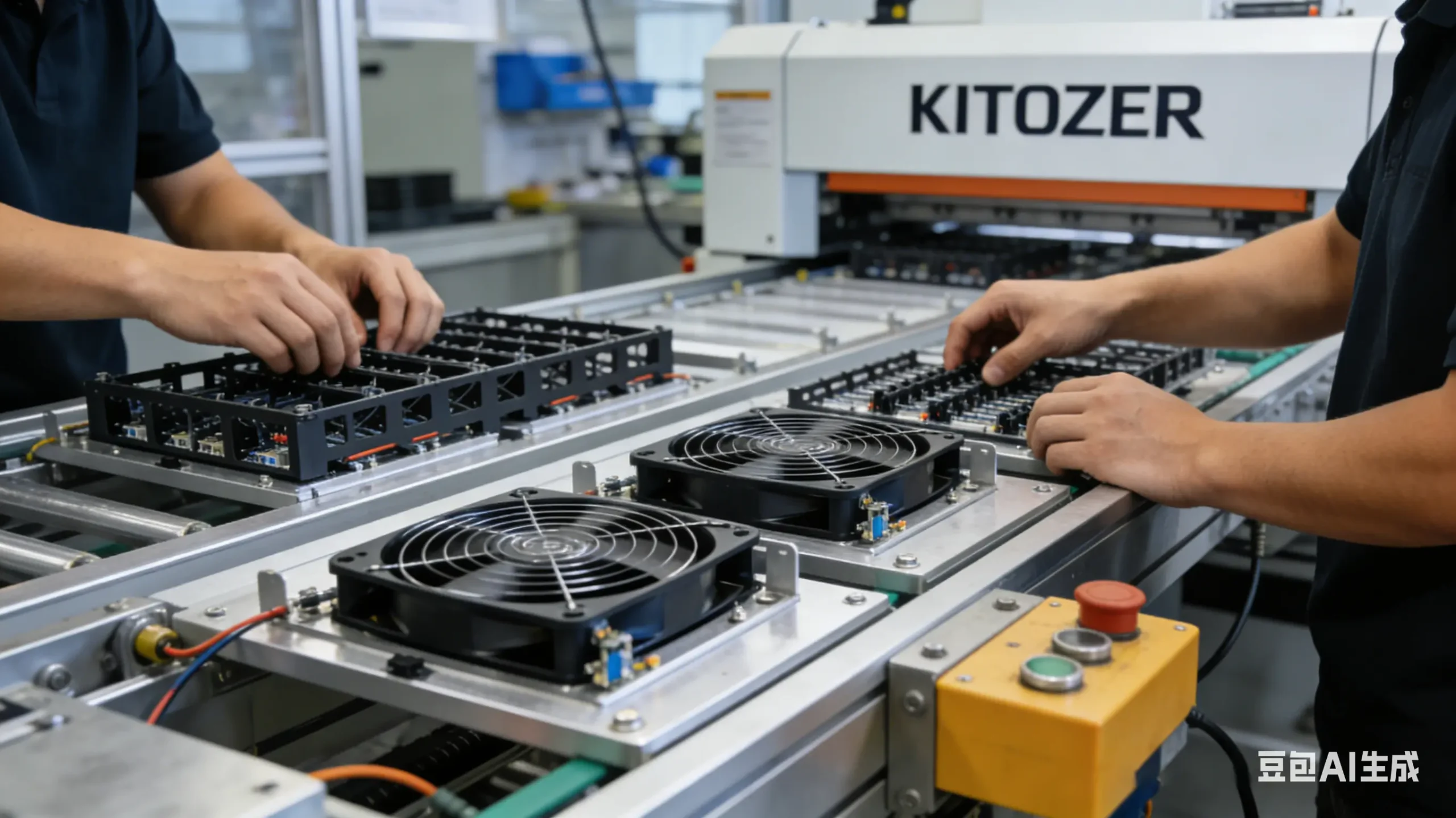
Production follows a controlled sequence: drawing review with manufacturability feedback; material certification; laser or punch cutting; forming; welding or fastening; surface preparation and coating; assembly with hardware and gaskets; and final inspection against the approved drawing. For outdoor structures, salt-spray and ingress tests are added, and for series products a first-article inspection locks the process before volume production.
Selection Considerations
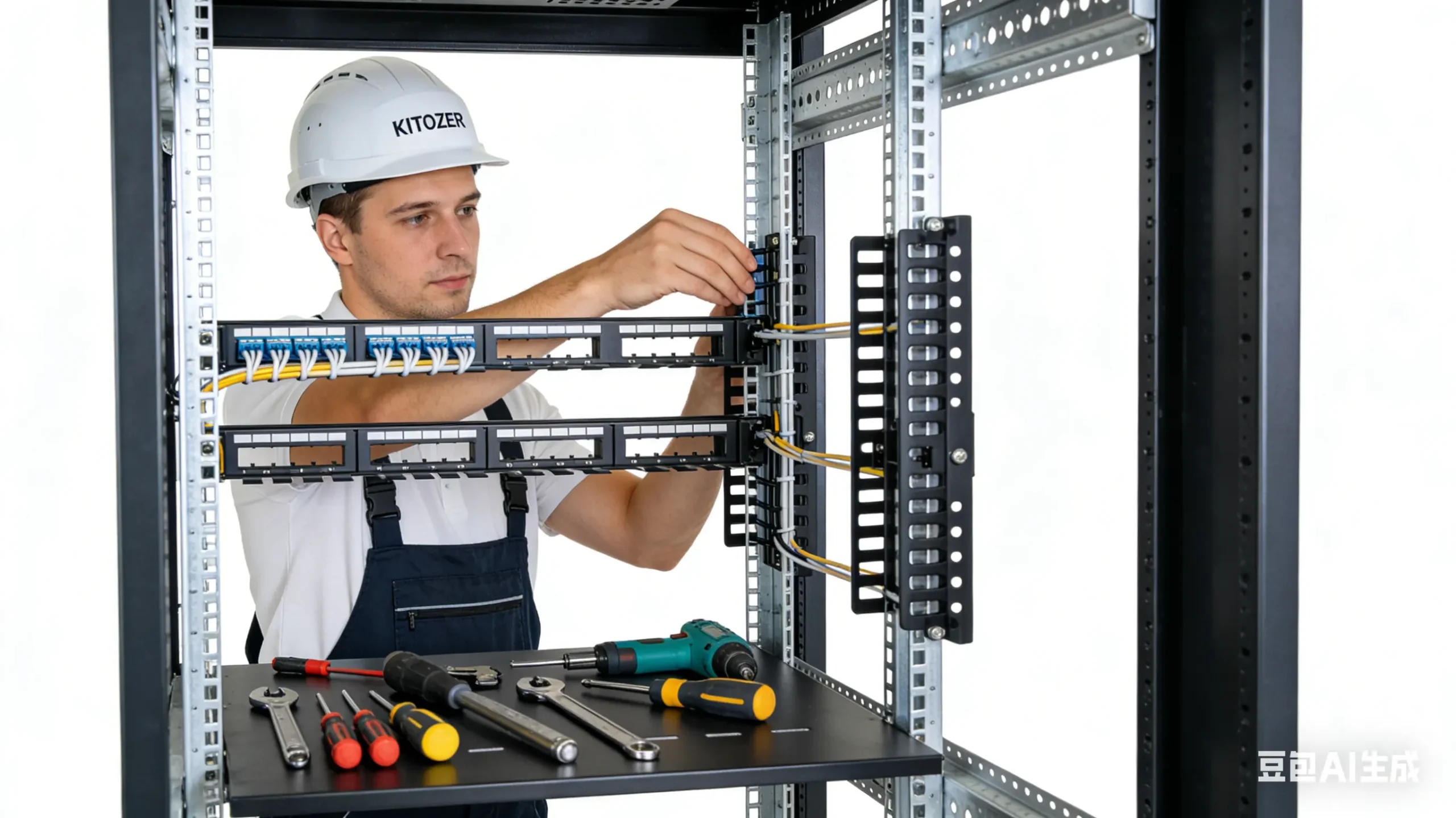
When selecting from this family, verify: (1) compatibility with existing infrastructure, (2) environmental conditions such as temperature, humidity and dust, (3) power and cooling budget, (4) maintenance and spare-part strategy, and (5) compliance requirements applicable to your region.
Beyond the five verification points, confirm what decides delivered quality: material certificates and grade, tolerance and inspection standard, welding and finishing specification, coating system with salt-spray rating, hardware and gasket quality, and packaging suitable for transport. For repeat orders, agree first-article approval and change control so a reorder matches the original.
Frequently Asked Questions — Quick Reference
1. What does the sheet metal fabrication family cover?
Standard enclosures, custom sheet-metal products, outdoor sheet-metal structures, and accessories and finishing such as brackets, panels, powder coating, plating and printing.
2. What determines fabrication quality?
Process control — material grade, tolerance class, joining method, surface preparation and inspection — supported by documentation, not equipment alone.
3. Why do tolerance errors matter so much?
They accumulate: small deviations stop doors closing, gaskets sealing and hardware aligning, which appears as leaks and rework rather than an obvious defect.
4. How are outdoor structures protected?
With appropriate material and thickness, correct surface preparation, and a coating system specified with a salt-spray rating for the environment.
5. What is first-article inspection?
Approving the first production unit against the drawing before volume runs, which locks the process and catches errors cheaply.
6. Which material grades are used?
Cold-rolled and galvanised steel, stainless and aluminium depending on strength, weight and corrosion needs; the grade is stated and certified, never implied.
7. How is welding distortion controlled?
Through joint design, sequencing and fixturing, plus stress relief where needed, so flatness and dimensions stay within tolerance.
8. What finishing options are available?
Powder coating, wet paint, plating and passivation, with surface preparation matched to the substrate and the service environment.
9. What should be inspected before delivery?
Dimensions against the drawing, flatness and squareness, coating thickness and adhesion, hardware and gasket fit, and correct labelling.
10. What documentation should be requested?
Material certificates, first-article report, coating specification and test results, inspection records and packing specification.
Conclusion
A structured, category-level approach to sheet metal fabrication procurement reduces risk and total cost. KITOZER supports customers from specification to commissioning; contact the engineering team for verified datasheets and project support.
Related Products
Sheet Metal Fabrication covers a structured family of engineered systems that support mission-critical facilities, industrial sites and communication infrastructure. This guide reviews the engineering context, typical challenges, and practical selection considerations for buyers, integrators and operations teams.
Related Articles
Sheet Metal Fabrication: Technical FAQ
Sheet Metal Fabrication: Engineering Considerations
About Guangzhou Lain Intelligent System Development Co., Ltd.
Guangzhou Lain Intelligent System Development Co., Ltd. (KITOZER) supplies and integrates sheet metal fabrication — engineered, tested and supported as one coordinated system for mission-critical and industrial sites. From single rooms to enterprise facilities, Lain provides design, manufacturing, integration, testing and after-sales service under one roof and exports worldwide.
Contact us for a free technical consultation:
- Company: Guangzhou Lain Intelligent System Development Co., Ltd.
- Address: 1st Floor, Building A, Chaotian Industrial Park, Zhongrun Industrial Park, Shilou Town, Panyu District, Guangzhou, Guangdong, China
- Tel/WeChat: +86 135-0923-8849 | +86 135-0923-8849
- WhatsApp: +86 135-0923-8849
- Email: zl19068534140@gmail.com
- Website: www.gdlain.com | Request a Quote
Typical response time: within one business day. Project references, drawings and samples are available on request.