Design Objectives
This design framework applies to Environmental Monitoring. The objective is a compliant, serviceable and cost-effective configuration built from verified subsystems.
The design objective is a monitoring chain that produces trustworthy decisions: sensors matched to the measured variable, communications that survive the events being monitored, alarm logic that distinguishes signal from noise, and records that satisfy the applicable compliance regime.
Design Basis
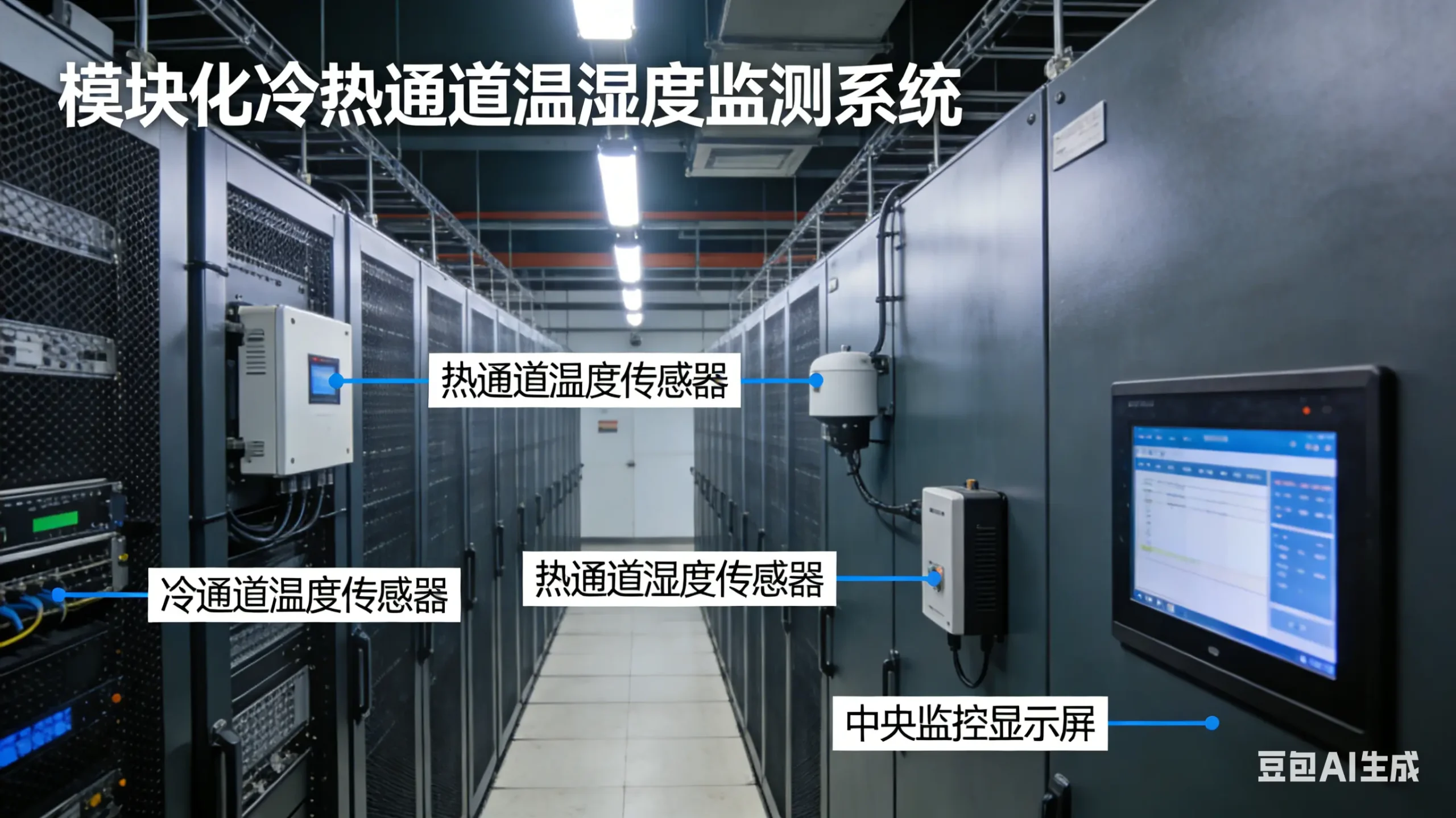
The design basis includes site survey data, load requirements, environmental conditions, applicable codes and the customer’s operational requirements. All parameters are confirmed with the customer before final design.
The design basis records which conditions must be monitored and to what accuracy, the decision and response each measurement supports, the environment and access constraints at each location, power and communications availability, the retention period required, and the standards that apply.
Architecture
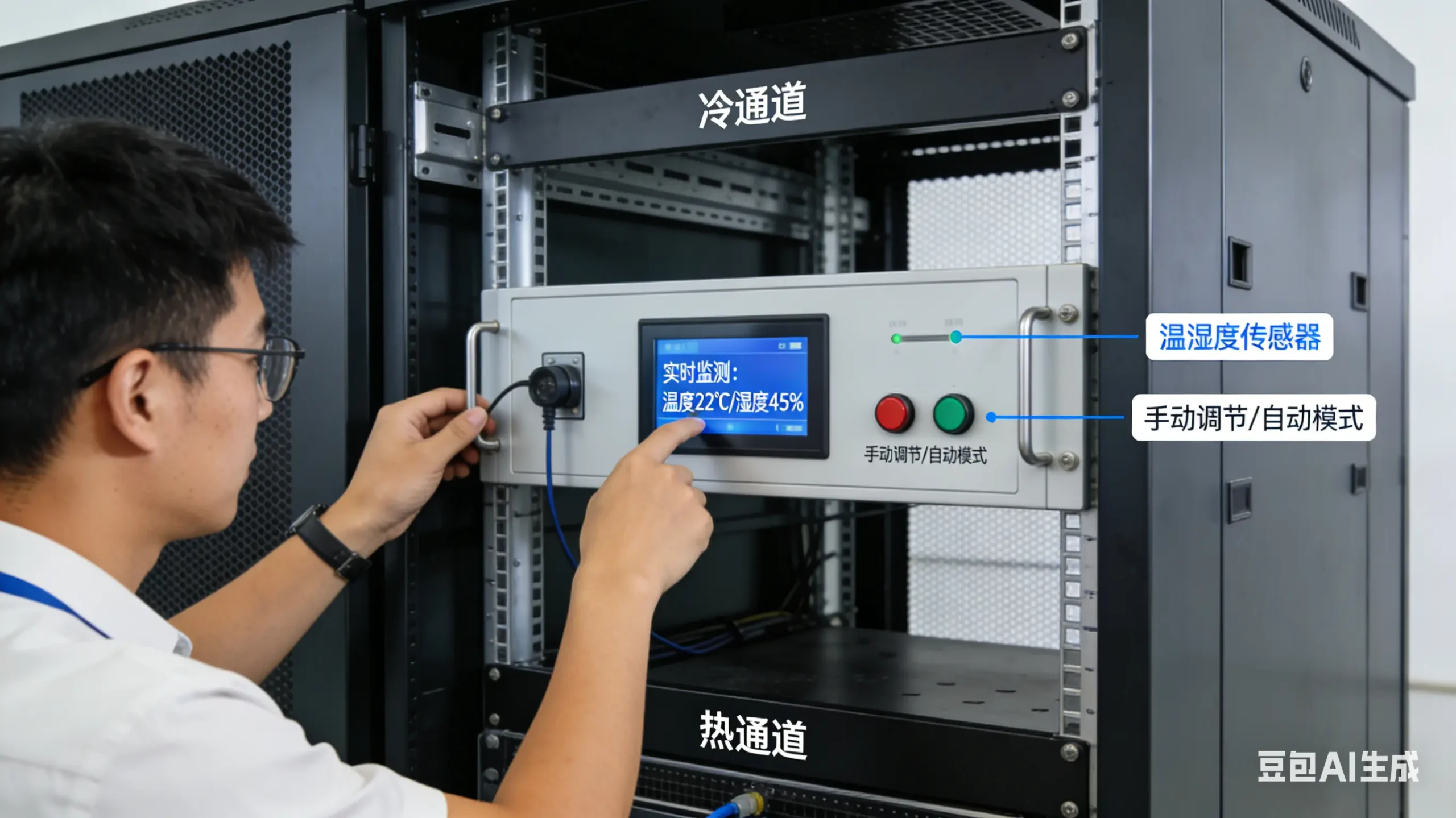
The system architecture follows the standard structure of this family: Agriculture & Grain Monitoring, Ambient Air & Weather Monitoring, Building & Special-Facility Monitoring, Cold Chain & Medical Storage Monitoring, Data Center Environmental Monitoring, Geohazard Monitoring, Hydrology & Water Monitoring, Industrial Environmental & Energy Monitoring, Museum, Tobacco & Specialty Storage Monitoring, Power & Energy Infrastructure Monitoring, and more. Each element is selected for its function within the overall design.
The architecture maps sensors to locations, controllers to zones and data to the platforms that will use it: local controllers for control loops, gateways for protocol conversion, and BMS, SCADA or cloud platforms for storage and reporting. Review confirms there is a defined path from every sensor to a recorded value and an alarm, with no orphaned measurement.
Subsystem Design
- Agriculture & Grain Monitoring
- Ambient Air & Weather Monitoring
- Building & Special-Facility Monitoring
- Cold Chain & Medical Storage Monitoring
- Data Center Environmental Monitoring
- Geohazard Monitoring
- Hydrology & Water Monitoring
- Industrial Environmental & Energy Monitoring
- Museum, Tobacco & Specialty Storage Monitoring
- Power & Energy Infrastructure Monitoring
- Transport & Port Monitoring
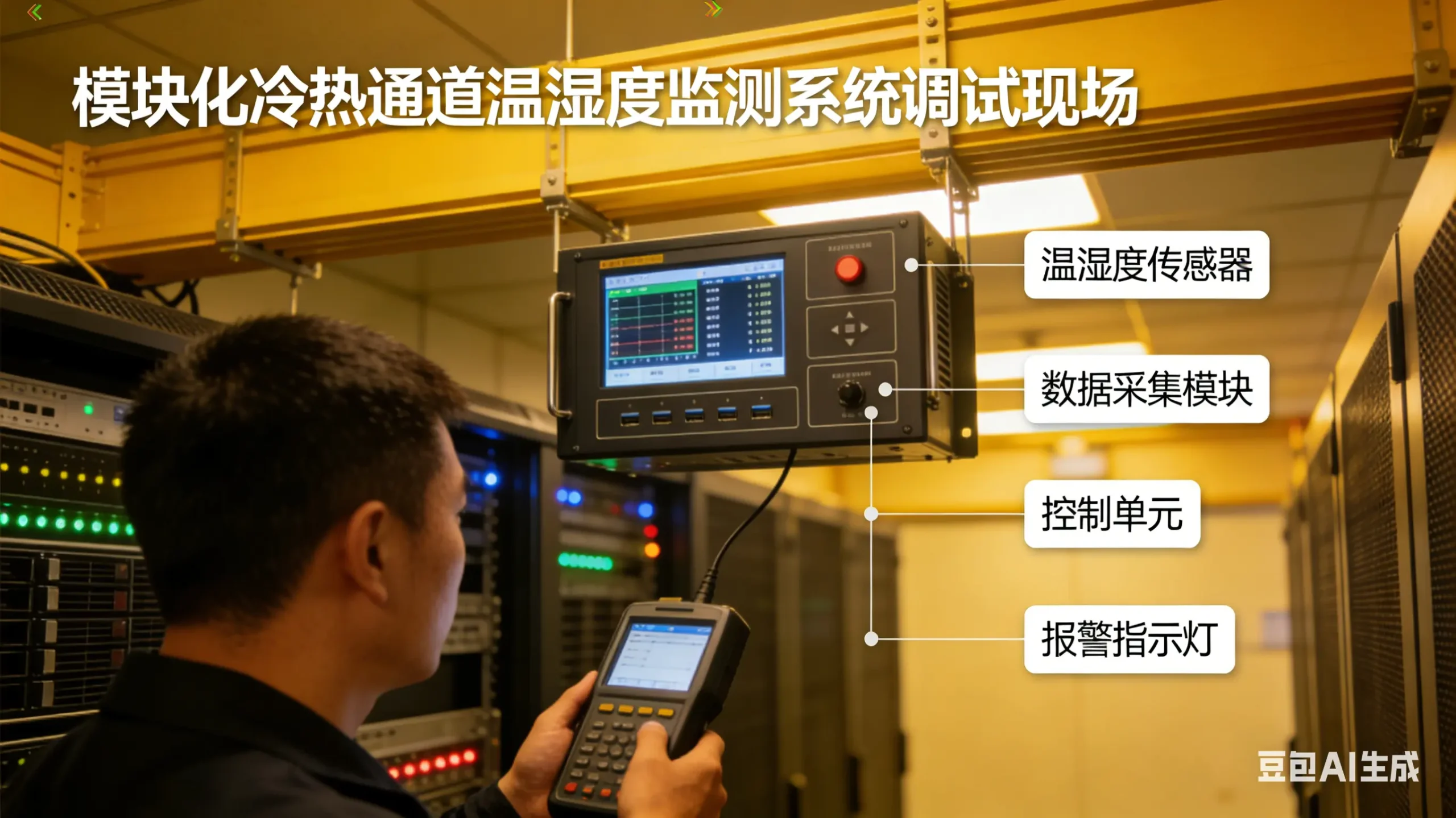
Each element is designed against its measurement and environment: sensor type, range and accuracy to the variable and the decision; siting and housing to dust, humidity, temperature or corrosion; power source — mains, battery or solar — to the site; communications to the worst-case link; and data storage to the retention requirement. The calibration interval is set with the accuracy the decision needs.
Configuration
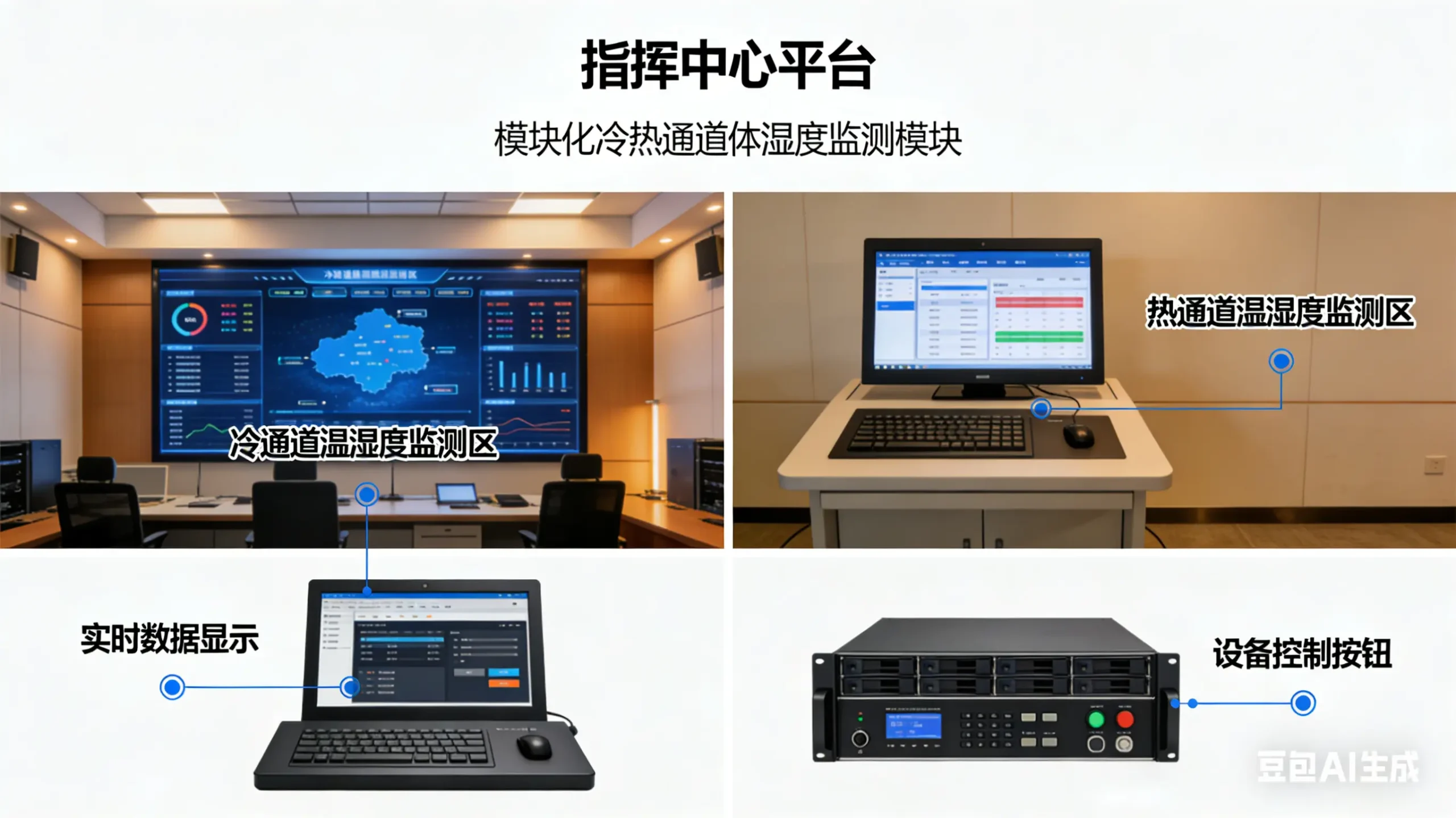
Configuration tiers are defined by capacity, redundancy and environmental class. A preliminary configuration table with model numbers is prepared during the design phase and finalized after technical confirmation.
Configuration tiers follow scale, environment and compliance need, from single-site standalone loggers to multi-site monitored platforms. The preliminary configuration is verified against the site survey and access constraints, because power and communications availability usually decide the feasible tier.
Construction & Commissioning
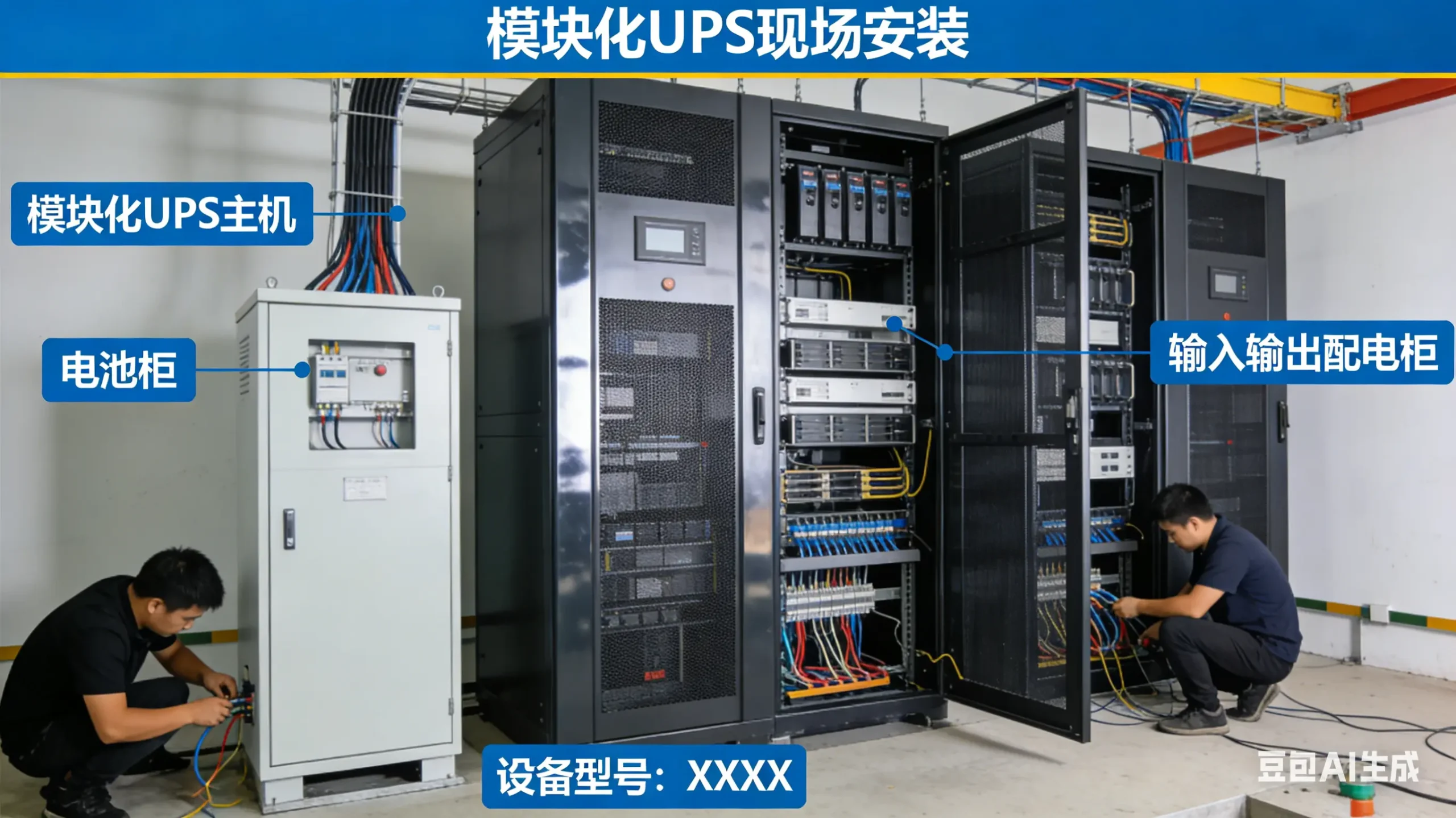
The deployment plan covers site preparation, installation sequence, cabling, testing and acceptance. Commissioning follows a documented checklist to verify each subsystem before handover.
Deployment covers sensor siting and mounting, controller and gateway installation, power and communications commissioning, calibration, and integration with the receiving platform. Commissioning tests the full chain from sensor to alert, including alarm escalation and acknowledgement.
Testing & Acceptance
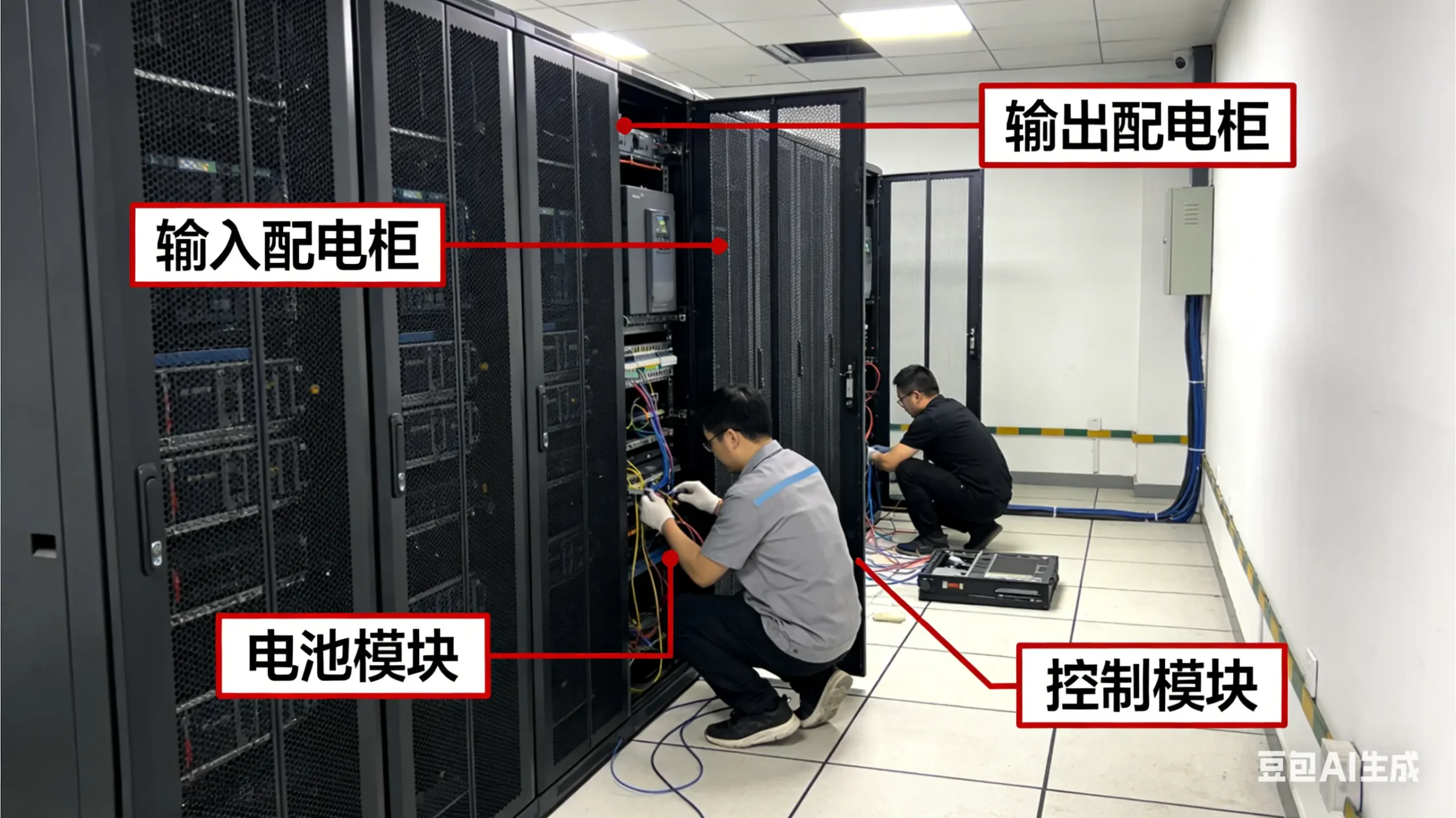
Acceptance testing covers functional tests, safety checks and performance verification against the design objectives. Documentation is delivered with the as-built record.
Acceptance testing verifies calibration records with traceable certificates, sensor siting, data path integrity including buffering through a communications loss, alarm escalation and acknowledgement, and data export for the compliance period.
FAQ
Frequently Asked Questions about this Environmental Monitoring design framework — quick reference.
1. Can the design be customized?
Yes; customization follows a documented process covering specification confirmation, engineering review and lead time.
2. What is the objective of a monitoring design?
A chain that produces trustworthy decisions — matched sensors, resilient communications, validated alarms and compliant records.
3. What data is needed before design?
The conditions to be monitored and their accuracy, the decision each supports, the environment and access at each location, and the retention the rules require.
4. How is the architecture structured?
Sensors at locations, controllers per zone, gateways for protocol conversion and a receiving platform — with a defined path from every sensor to a recorded value and alarm.
5. How are sensors selected?
By matching type, range and accuracy to the variable and the decision, and housing to the environment, with the calibration interval set accordingly.
6. How is communications reliability designed?
For the worst-case link, with redundancy or local buffering so nothing is lost when the link drops.
7. How are false alarms reduced?
By validating thresholds against real noise, requiring sustained deviation and using multi-sensor correlation before escalation.
8. How is compliance handled?
Records are stored to the required format and retention period and can be exported for audit.
9. What is verified at commissioning?
Calibration, sensor siting, the full chain from sensor to alert, alarm escalation and acknowledgement, and data export.
10. What documentation is delivered?
Calibration certificates, the sensor schedule, network and data architecture, test results and operating instructions.
Conclusion
KITOZER provides design-plan support for Environmental Monitoring projects. Contact the engineering team for a design questionnaire and preliminary proposal.
Related Products
This design framework applies to Environmental Monitoring. The objective is a compliant, serviceable and cost-effective configuration built from verified subsystems.
Related Articles
Environmental Monitoring: Industry & Engineering Guide
Environmental Monitoring: Technical FAQ
About Guangzhou Lain Intelligent System Development Co., Ltd.
Guangzhou Lain Intelligent System Development Co., Ltd. (KITOZER) provides design-plan support for environmental monitoring projects — from requirement questionnaire to configuration, commissioning and handover documentation. From single rooms to enterprise facilities, Lain provides design, manufacturing, integration, testing and after-sales service under one roof and exports worldwide.
Contact us for a free technical consultation:
- Company: Guangzhou Lain Intelligent System Development Co., Ltd.
- Address: 1st Floor, Building A, Chaotian Industrial Park, Zhongrun Industrial Park, Shilou Town, Panyu District, Guangzhou, Guangdong, China
- Tel/WeChat: +86 135-0923-8849 | +86 135-0923-8849
- WhatsApp: +86 135-0923-8849
- Email: zl19068534140@gmail.com
- Website: www.gdlain.com | Request a Quote
Typical response time: within one business day. Project references, drawings and samples are available on request.