Frequently Asked Questions about environmental monitoring systems — selection, compatibility and integration, installation, operation and maintenance, procurement and support.
Selection
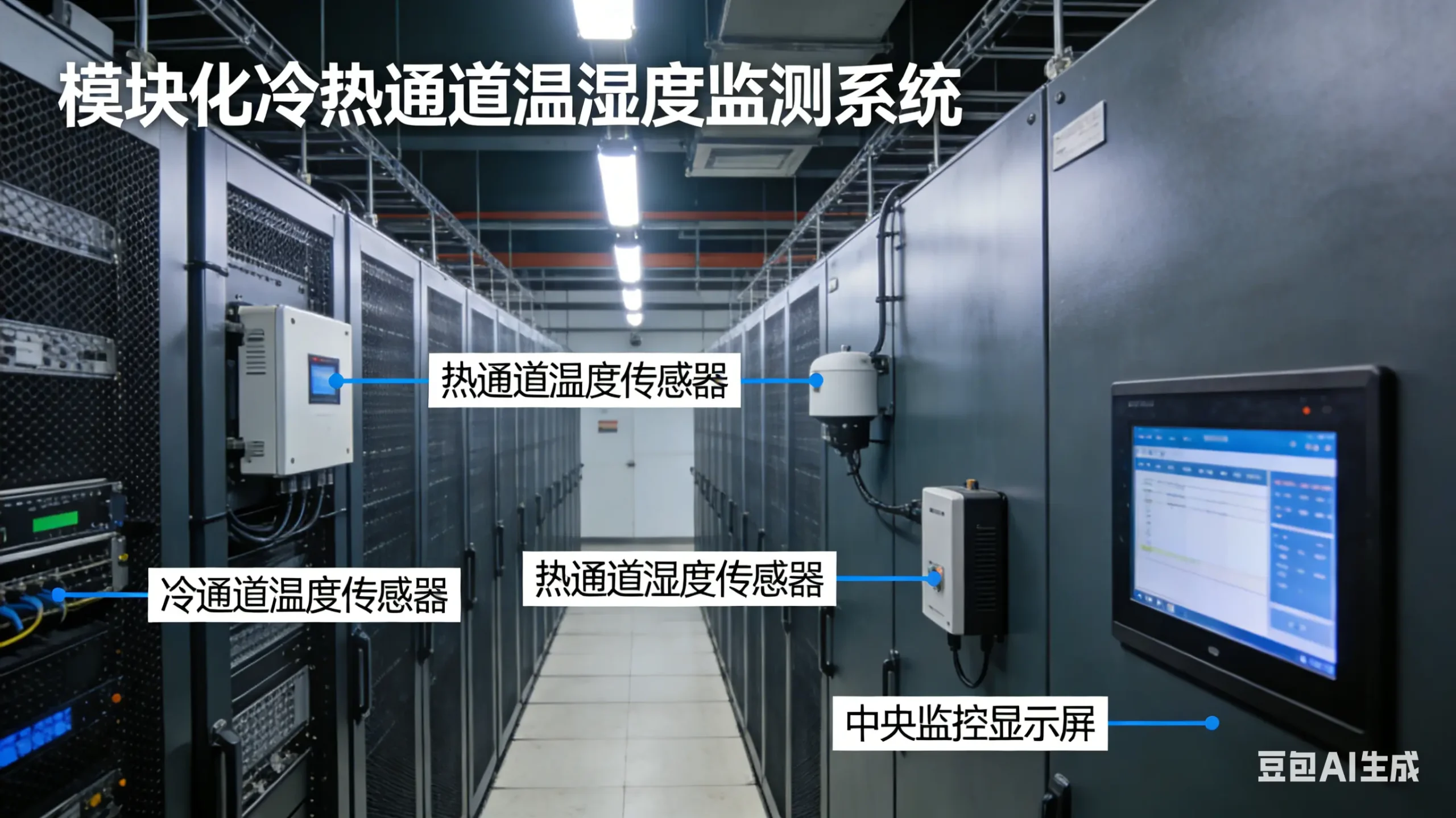
1. How do I select the right environmental monitoring configuration?
Start with site conditions, load and space data, then verify compatibility with existing infrastructure. KITOZER engineers can assist with a selection questionnaire (all items are confirmed before quotation).
2. Can configurations be customized?
Yes. Customization covers dimensions, finishes, power interfaces and control options. Each change is reviewed by engineering and reflected in the quotation.
3. What should be confirmed before ordering an environmental monitoring system?
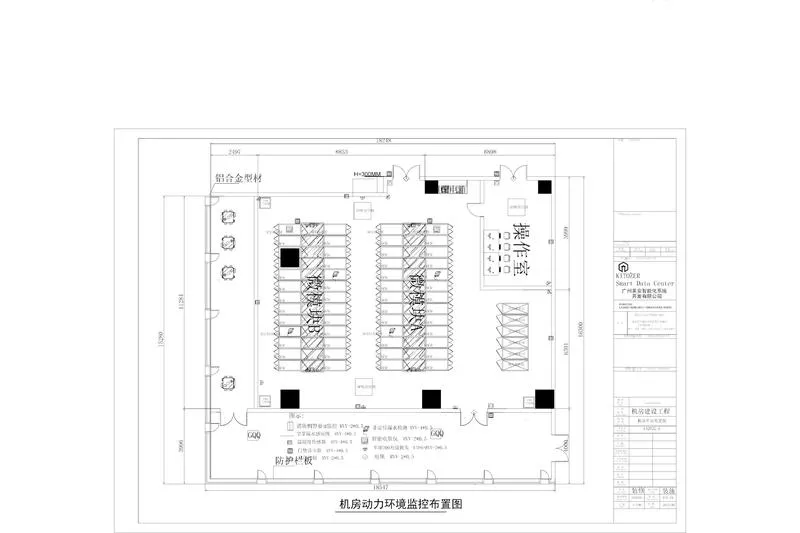
The parameters to be measured and their required ranges and accuracy, the number and location of monitoring points, the alarm thresholds and who is notified, the existing BMS or DCIM the system must report to, and the power and network available at each point. Fixing the point list and the reporting interface first prevents the sensor count and the controller capacity from drifting during the project.
Compatibility & Integration
4. Are the systems compatible with third-party equipment?
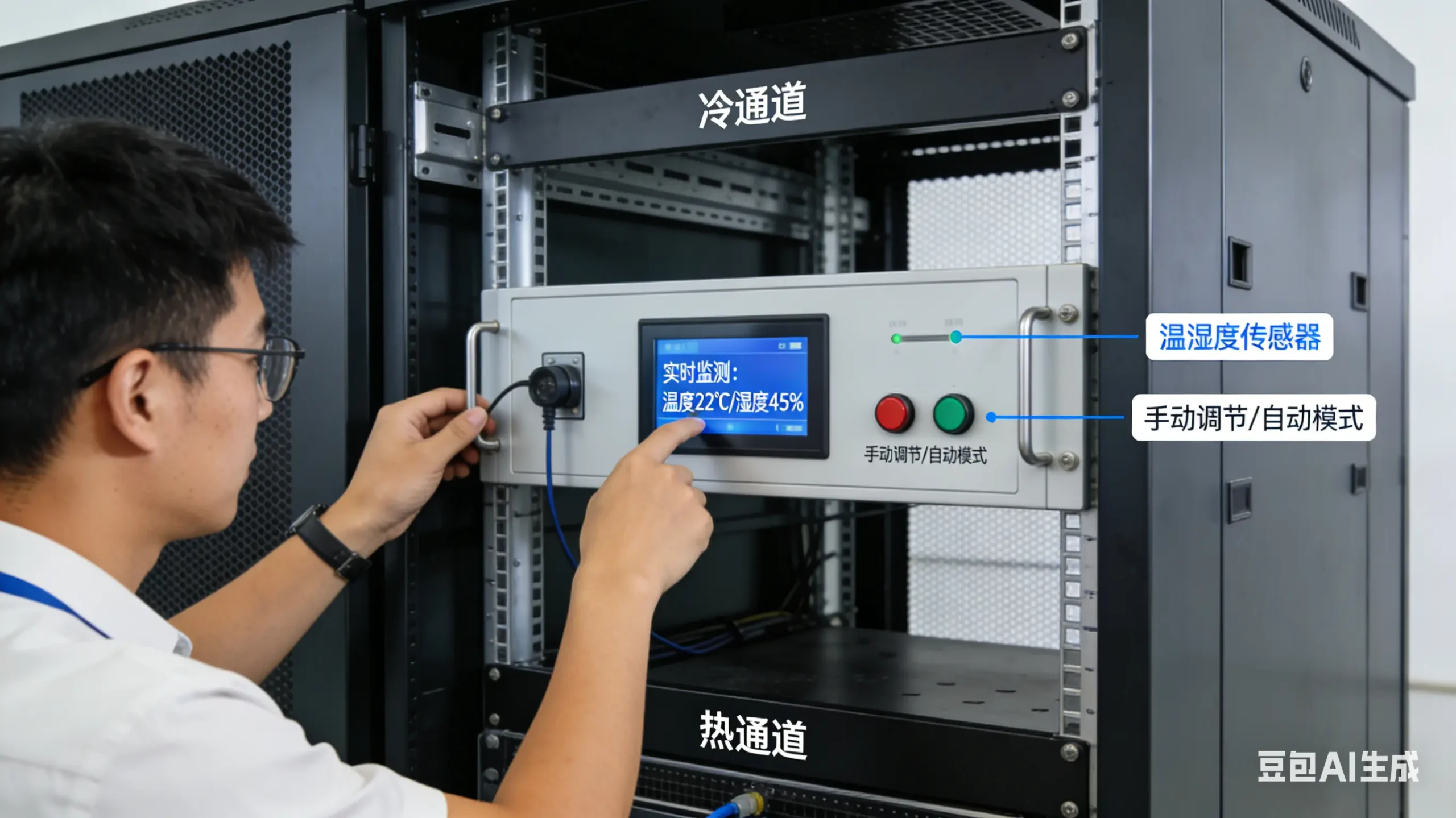
Standard interfaces are used where applicable; specific compatibility must be confirmed against the verified specification of both systems.
5. What integration interfaces are available?
Integration options include power, communication and monitoring interfaces. Confirm your required interface set during technical confirmation.
6. How does the monitoring system integrate with existing cooling, power and fire systems?
Sensors are chosen for the physical point they serve, the controller is sized for the total point count, and the reporting interface is matched to the protocol the building system already uses. Alarm logic is then agreed so that a high-temperature reading, a power failure and a fire signal each trigger the correct escalation without conflicting with the existing systems.
Installation
7. What are the installation prerequisites?
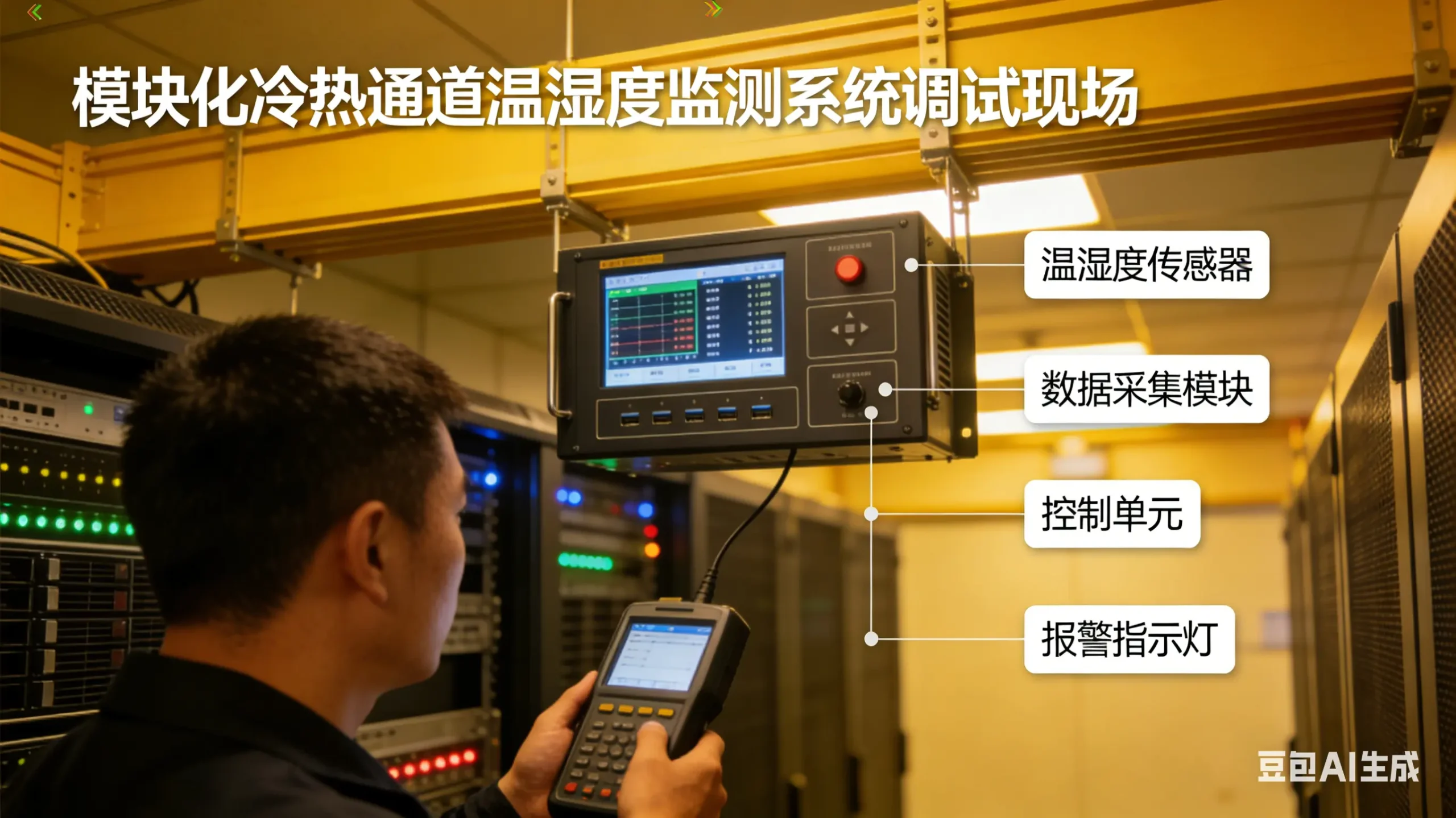
Site preparation follows the installation manual: level floor, adequate access, power availability and environmental conditions within the rated range.
8. Is installation support available?
Yes, on-site supervision or full installation can be arranged; details depend on project scope and location.
9. What site checks precede installation of monitoring sensors?
Confirm each sensor position against the airflow and rack layout, the cable route and gland entry to the controller, the power and network points, and the controller mounting location. Sensor positions are checked against heat sources and doorways so that readings represent the protected space rather than a local draught.
Operation & Maintenance
10. What routine maintenance is required?
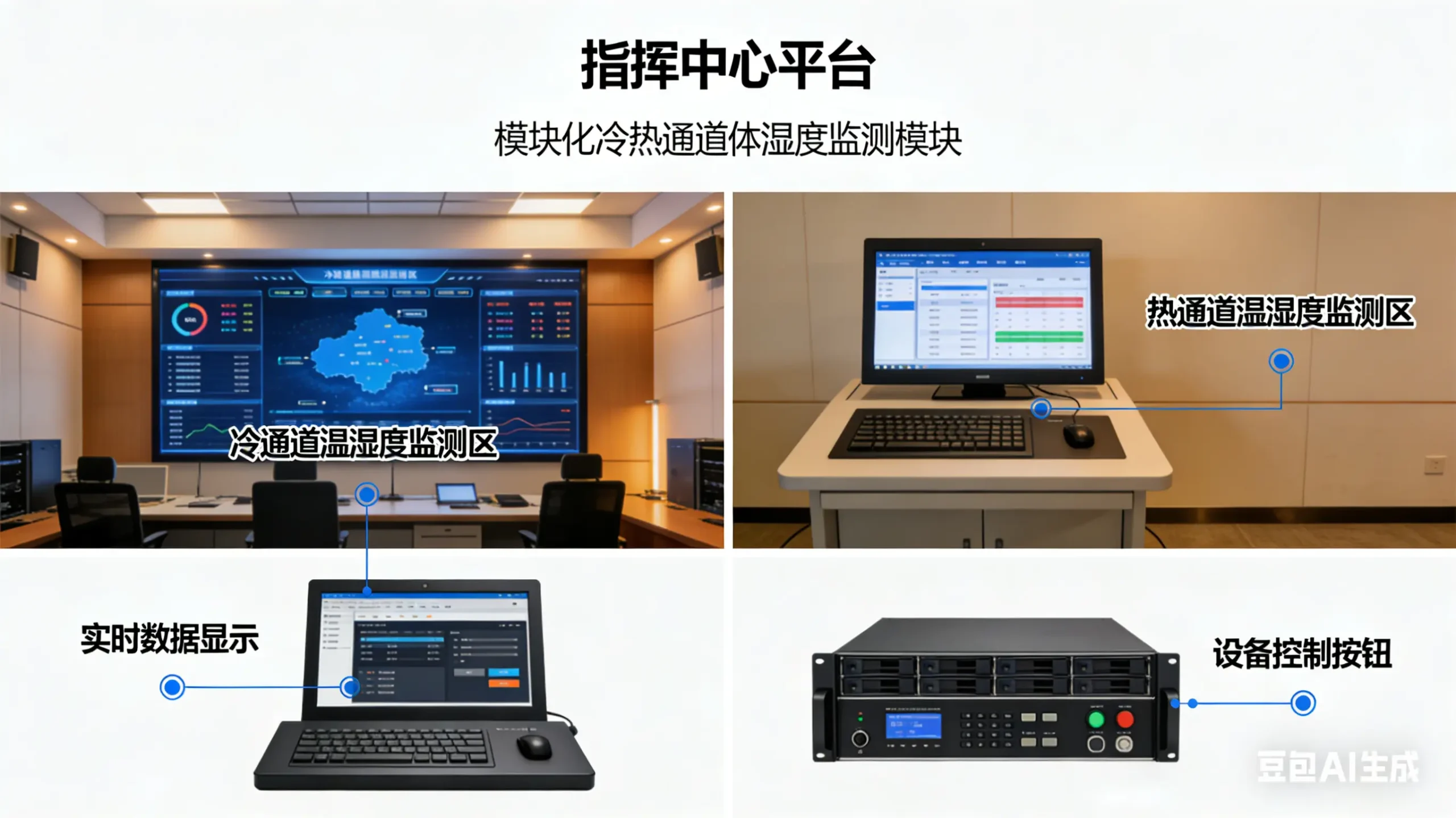
Follow the maintenance calendar in the manual: visual inspection, cleaning, electrical checks and functional testing at defined intervals.
11. How is troubleshooting performed?
The manual provides a symptom-first troubleshooting flow. For unresolved issues, contact technical support with the equipment ID and observed symptoms.
12. How is an environmental monitoring system verified after installation?
By comparing every sensor reading against a reference instrument at the same point, testing each alarm threshold to confirm it triggers and clears correctly, and confirming that notifications and log records reach the agreed recipients. Any point outside its stated tolerance is recalibrated or relocated before handover.
Procurement & Delivery
13. What is the packing and delivery process?
Equipment is packed for transport protection; delivery terms are confirmed at quotation stage.
14. What documents are provided?
Manuals, test reports and as-built documentation are provided with the delivery.
15. What affects the lead time for an environmental monitoring system?
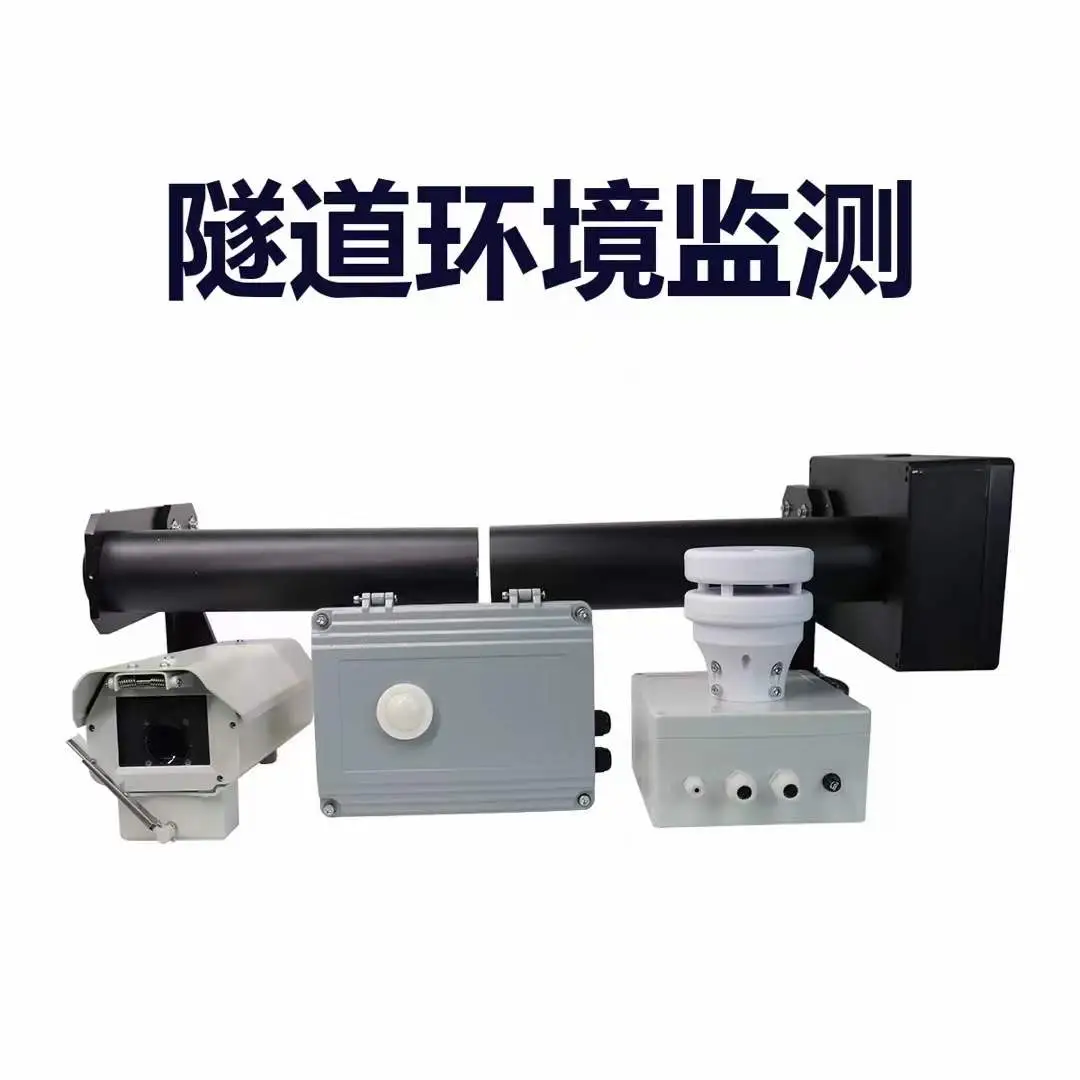
The sensor type and count, the controller capacity and interface options, the enclosure and finish, and the software or integration scope required. The schedule is confirmed at order and updated if the point list or the integration scope changes.
Support
16. How do I request technical support?
Contact the KITOZER support team with your equipment model and serial number. Support covers commissioning, operation and maintenance questions.
17. What should be included in a support request for an environmental monitoring system?
The controller and sensor model, the affected monitoring point, the reading and the alarm state observed, the threshold configured for that point, recent calibration or maintenance activity, and any change made to the room layout or to the reporting interface.
Related Products
Explore the KITOZER Environmental Monitoring product range for related solutions and configurations.
Related Articles
Environmental Monitoring: Industry & Engineering Guide
Environmental Monitoring: Design Plan Framework
About Guangzhou Lain Intelligent System Development Co., Ltd.
Guangzhou Lain Intelligent System Development Co., Ltd. (KITOZER) supports environmental monitoring systems projects with selection assistance, configuration review, installation supervision, commissioning and after-sales technical support. From single rooms to enterprise facilities, Lain provides design, manufacturing, integration, testing and after-sales service under one roof and exports worldwide.
Contact us for a free technical consultation:
- Company: Guangzhou Lain Intelligent System Development Co., Ltd.
- Address: 1st Floor, Building A, Chaotian Industrial Park, Zhongrun Industrial Park, Shilou Town, Panyu District, Guangzhou, Guangdong, China
- Tel/WeChat: +86 135-0923-8849 | +86 135-0923-8849
- WhatsApp: +86 135-0923-8849
- Email: zl19068534140@gmail.com
- Website: www.gdlain.com | Request a Quote
Typical response time: within one business day. Project references, drawings and samples are available on request.