Engineering considerations for system integration — how interfaces, data ownership and end-to-end verification interact, which variables drive specification, where integration projects fail, and what verification should prove.
Technical Context
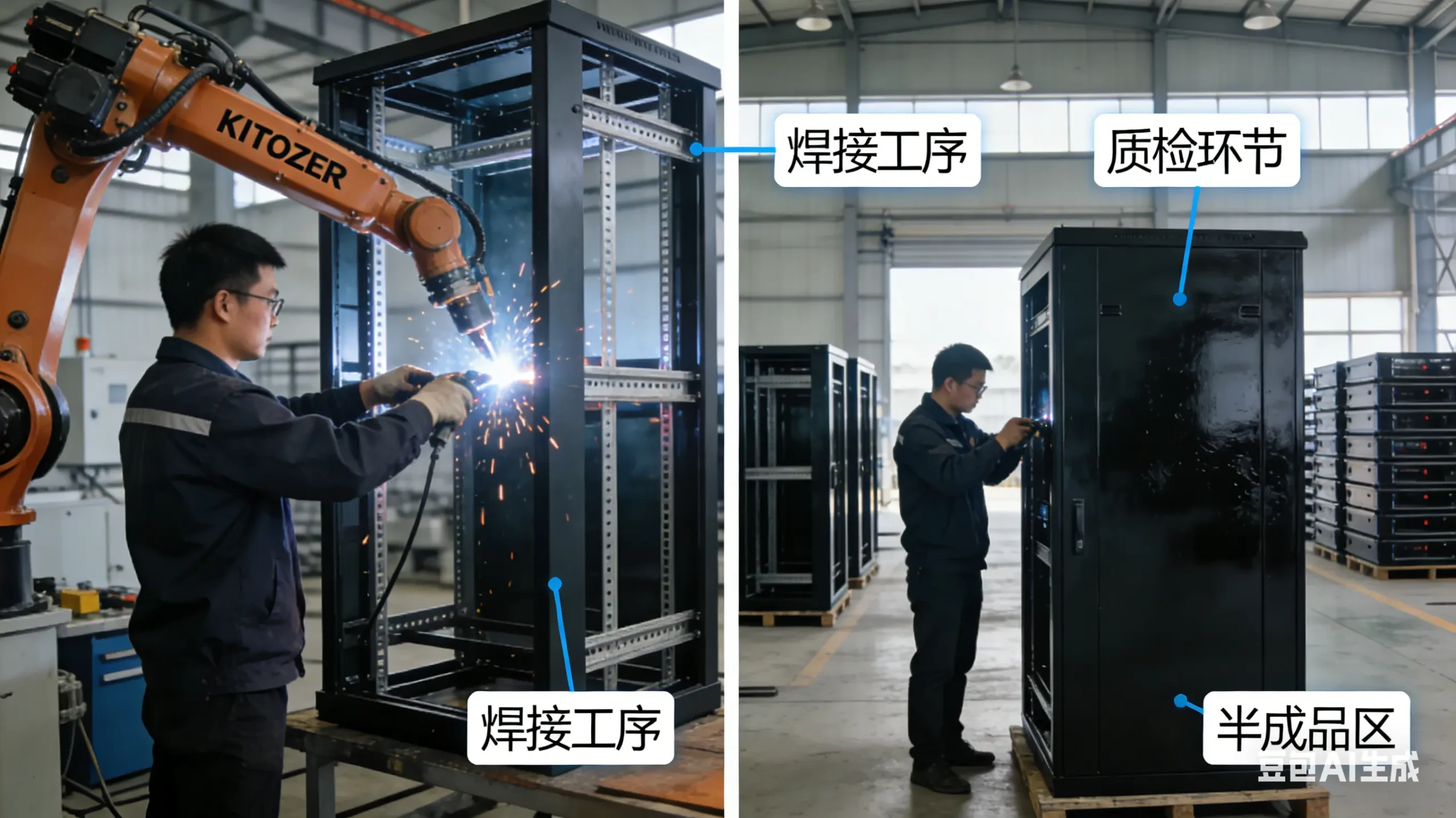
System Integration involves multiple engineering disciplines working together: structure, thermal management, electrical distribution, control and environmental protection. This article outlines the engineering considerations that determine reliable operation.
System integration is an engineering problem because the difficulty lies between the systems rather than inside them. Each vendor’s product may work exactly as specified while the integrated result still fails, because the interface, the data mapping or the responsibility for a link was never defined. The considerations therefore begin with the interface matrix and the outcomes the integrated system must deliver.
The second consideration is contractual as much as technical. Where scope spans several vendors, an undefined interface falls between two contracts and is discovered only when the end-to-end function is tested. Writing the interface, its owner and its acceptance criteria into the scope is what converts a multi-vendor project from a coordination risk into a deliverable.

Engineering Mechanism
Each subsystem in this family has a defined function: Building Intelligence Integration, Campus Intelligence Integration, Command Center Integration, Data Center Integration, Industry Custom Integration. Correct specification depends on understanding these functions and their interaction under real operating conditions.
The mechanism is a matrix of functions and links. Functions are assigned to systems; links between systems are specified by protocol, direction and data mapping; and each link has an owner. The integrated operating picture is then assembled from those links rather than from one monolithic system, which is why the mapping has to be maintained after handover.
What decides success is whether the required outcome can be observed end to end. A system that passes its own factory tests can still fail the operational scenario, because the failure appears only when data crosses a boundary. Defining the end-to-end scenario and its pass criteria before development turns integration from an open-ended activity into a testable one.

Selection Variables
The variables translate into integration specification. Data volumes and update rates replace simple load figures as the sizing driver for each link. Environmental class sets the network and physical interfaces available at each site. Space and structural constraints set where integration hardware can be housed. Redundancy targets decide whether the integration layer needs standby components. Maintenance access sets monitoring and diagnostics, and lifecycle cost weighs staging and test effort against the cost of failures found in operation.
Installation & Integration Concerns
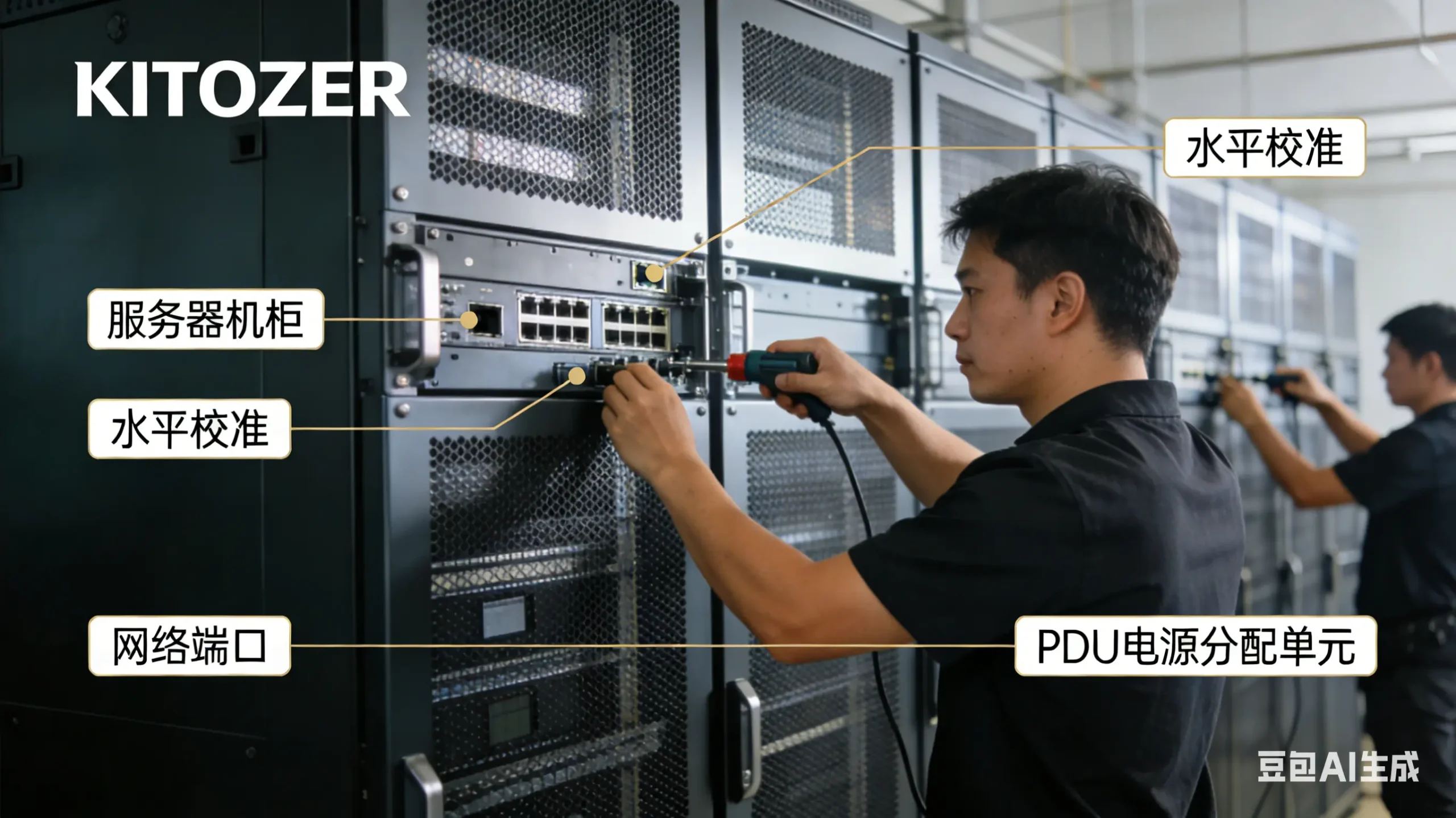
Installation concerns are change-control concerns. Integration must be developed and proven in a staging environment that mirrors production; migrations must be reversible; and interfaces must be re-tested whenever a connected system is upgraded. A change to one system that is not reflected in the mapping quietly breaks the integrated result.
Common Failure Modes
undefined
Integration failures are interface failures. Protocol details differ from the assumption; data ownership lapses so nobody maintains the mapping; a vendor delivers to its own interface and the end-to-end function is never exercised; and acceptance is written per system rather than per outcome, so the project is declared complete while the scenario still fails. Preventive measures are the written interface matrix, staging tests, end-to-end scenarios with pass criteria, and documentation updated on change.
Verification Checklist
- Specification matches site survey data
- Ratings verified against manufacturer documentation
- Installation follows the manual sequence
- Functional tests completed and recorded
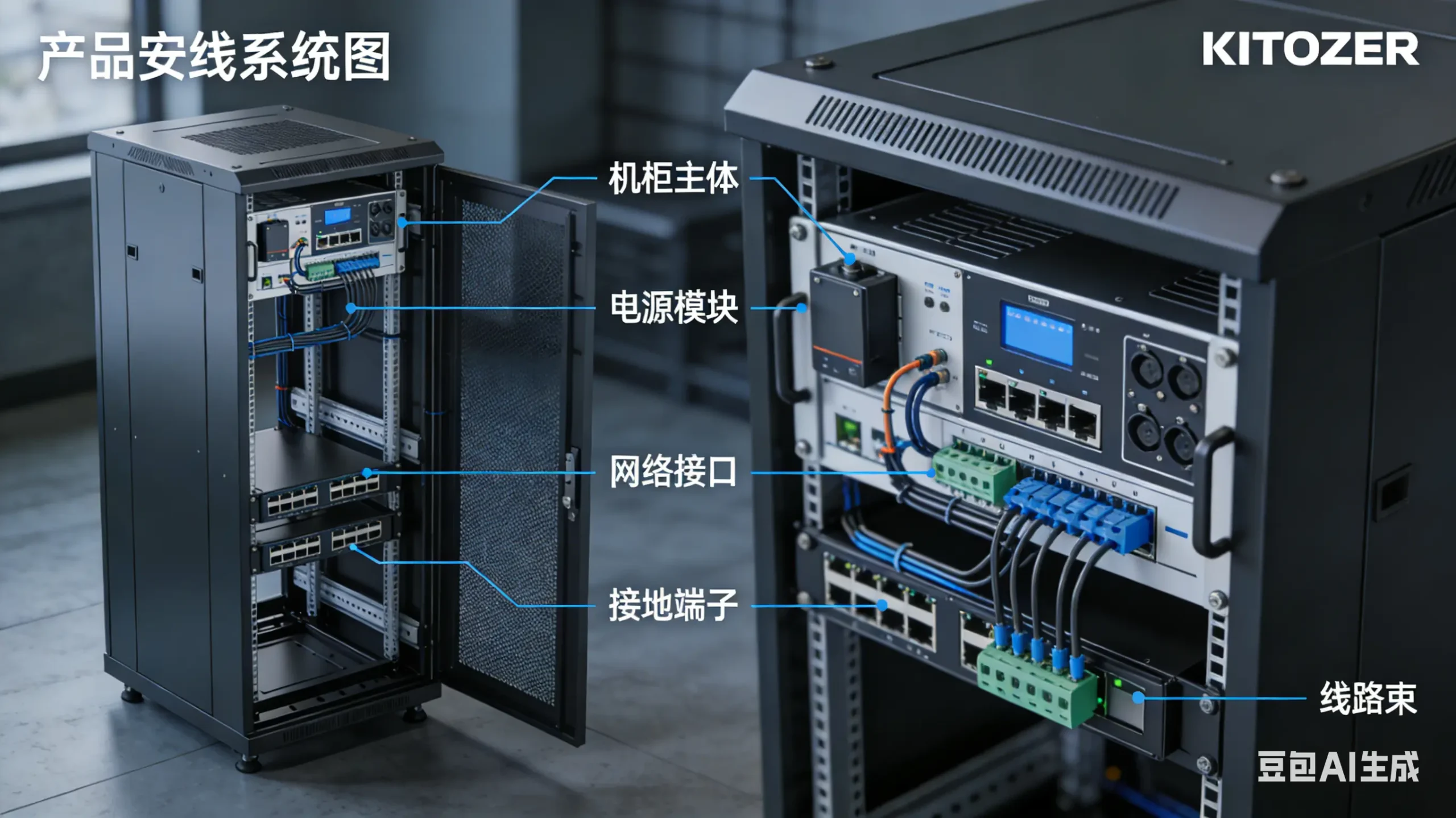
Verification should run the agreed end-to-end scenarios against the outcomes, confirm data mapping integrity across every link, verify monitoring and alerting over the integrated system, and check that documentation and training are complete. Testing the scenario rather than the device is what proves integration.
Conclusion
Engineering discipline at specification and installation stage is the most effective way to control risk in system integration projects. Consult KITOZER engineering for verified technical documentation and support.
For system integration the engineering considerations are defined interfaces, owned data and end-to-end proof. Specify the links, keep the mapping current, and verify the outcome rather than the components.
Frequently Asked Questions — Quick Reference
1. What is the core engineering consideration for system integration?
The interfaces between systems — each product can work as specified while the integrated result still fails if a link, its mapping or its owner is undefined.
2. What is an interface matrix?
A document listing every link between systems with its protocol, direction, data mapping and owner — the backbone of the integration design.
3. What data is needed before design?
The required outcomes, the systems and vendors in scope, interfaces between them, data volumes and update rates, and availability and migration constraints.
4. Why test end-to-end?
Because a system can pass its own tests while the required outcome fails when data crosses a boundary between systems.
5. How is data ownership handled?
By assigning a named owner and mapping for every data point, so the integration can be maintained after handover.
6. What are typical installation concerns?
Change control: integration proven in a staging environment, reversible migrations, and interfaces re-tested whenever a connected system is upgraded.
7. What are the most common failure modes?
Protocol assumptions that differ in detail, lapsed data ownership, per-vendor delivery without end-to-end testing, and acceptance written per system instead of per outcome.
8. How are acceptance criteria written?
As outcomes the operator can observe, with end-to-end scenarios and pass criteria agreed before development.
9. How is the integration layer kept resilient?
By sizing it for peak data rates and growth, adding standby components where availability requires it, and monitoring every interface.
10. What documentation should be requested?
The interface matrix, data mappings, staging and test results, operating and maintenance procedures, and operator training.
Related Products
Explore the KITOZER System Integration product range for related solutions and configurations.
Related Articles
System Integration: Design Plan Framework
System Integration: Technical FAQ
About Guangzhou Lain Intelligent System Development Co., Ltd.
Guangzhou Lain Intelligent System Development Co., Ltd. (KITOZER) supplies and integrates system integration — engineered, tested and supported as one coordinated system for data centers, telecom sites and industrial facilities. From single rooms to enterprise facilities, Lain provides design, manufacturing, integration, testing and after-sales service under one roof and exports worldwide.
Contact us for a free technical consultation:
- Company: Guangzhou Lain Intelligent System Development Co., Ltd.
- Address: 1st Floor, Building A, Chaotian Industrial Park, Zhongrun Industrial Park, Shilou Town, Panyu District, Guangzhou, Guangdong, China
- Tel/WeChat: +86 135-0923-8849 | +86 135-0923-8849
- WhatsApp: +86 135-0923-8849
- Email: zl19068534140@gmail.com
- Website: www.gdlain.com | Request a Quote
Typical response time: within one business day. Project references, drawings and samples are available on request.