1. Overview: The Brain of the Modern Building
Buildings consume about 30-40% of the world’s energy, and most of it goes to heating, ventilation and air conditioning (HVAC) — systems that traditionally run on fixed schedules regardless of whether anyone is inside. A building automation system (BAS/BMS) changes that: it centrally supervises and controls HVAC, lighting, power metering, water and ventilation, running the building on real conditions instead of assumptions.
Guangzhou Lain Intelligent System Development Co., Ltd. delivers BAS projects end to end — controller and field-device selection, programming, integration and commissioning — helping owners cut HVAC energy 15-30% while improving comfort and management efficiency. This guide explains what a BAS covers, how it is architected, what savings are realistic and how projects are delivered.
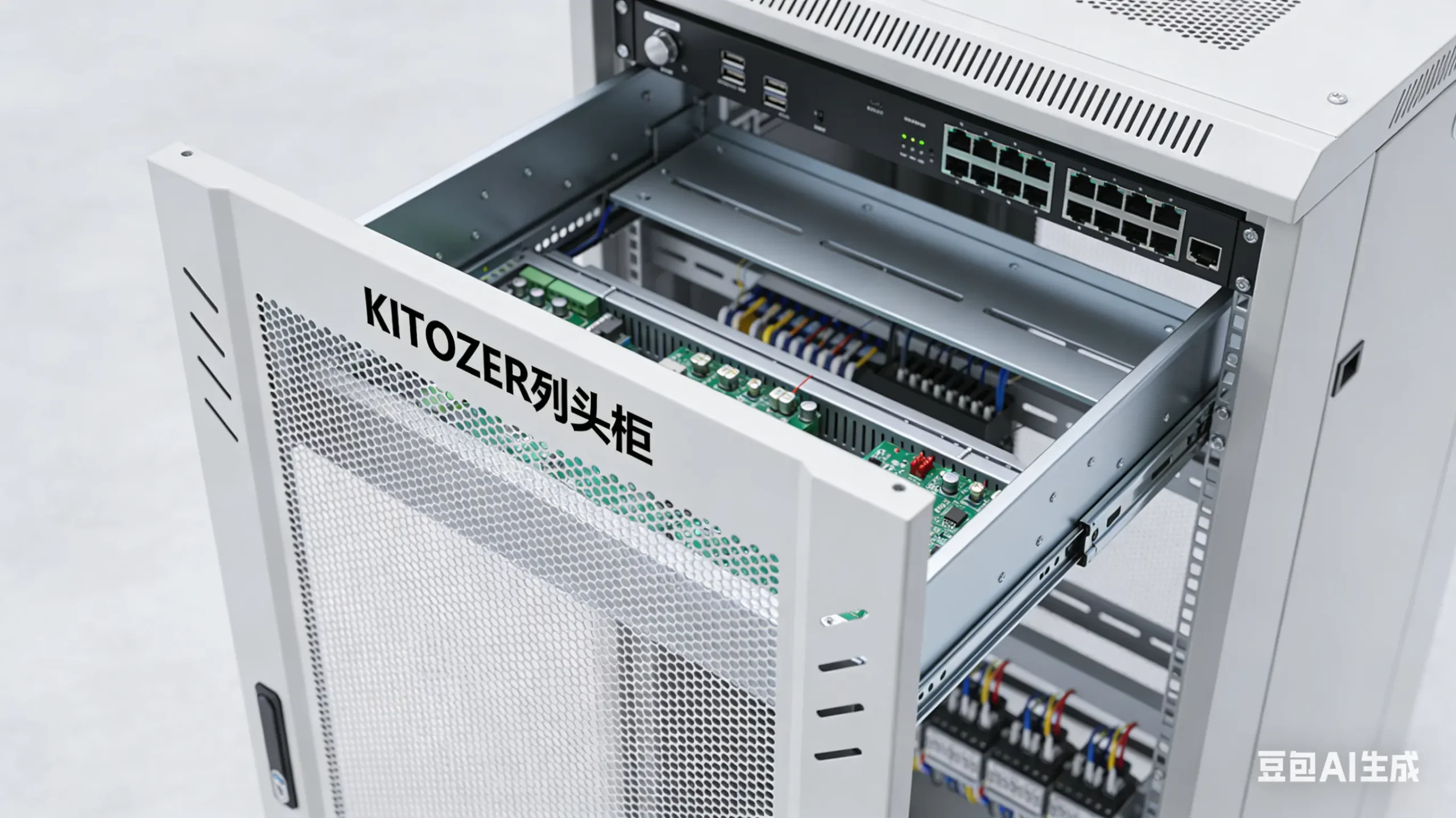
2. What a Building Automation System Controls
2.1 HVAC — The Largest Opportunity
Chillers, air handling units (AHU), fan coil units (FCU), fresh-air units, VAV boxes and pump groups are controlled with schedules, setpoints and sequences: optimum start/stop before occupancy, temperature setpoints per zone and time, demand-based fresh air, and free-cooling where climate allows. Every degree of unnecessary cooling or heating is energy and money.
2.2 Lighting and Small Power
Time-based and occupancy-based control of common-area lighting cuts the largest invisible waste — lights on in empty corridors and meeting rooms.
2.3 Energy and Submetering
Power, water and gas submetering feeds the BAS with consumption by zone and system, enabling cost allocation, anomaly alarms and efficiency reporting — the data layer of ISO 50001 and green-building certification.
2.4 Environment and Comfort
CO₂, temperature and humidity sensors drive demand-controlled ventilation, keeping air quality healthy at minimum energy cost.
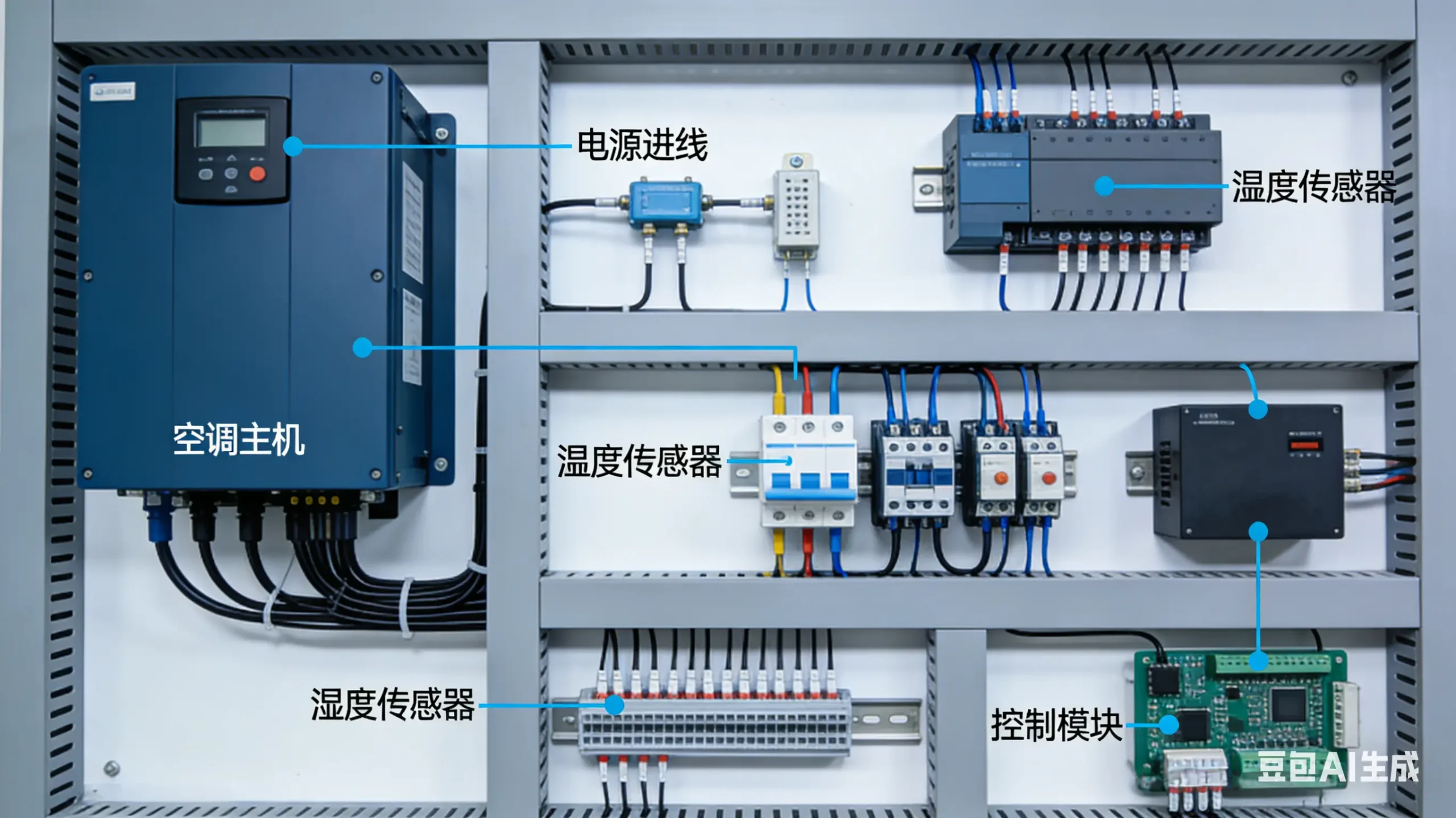
3. System Architecture
A professional BAS has three layers:
| Layer | Components | Role |
|---|---|---|
| 1. Field devices | Sensors, actuators, valves, VFDs, meters | Measure and act |
| 2. Controllers (DDC) | Distributed controllers per plant/floor | Run control logic locally |
| 3. Supervision | Server + operator workstations/web | Graphics, trends, alarms, reports |
Distributed controllers (DDC) are placed near the equipment they control and exchange data with the central server over BACnet/IP or Modbus TCP. If the server is unavailable, controllers keep running their local logic — the building is not dependent on the network. Operators use graphical floor plans with live values, trends, alarm lists and reports, with web access for facility managers anywhere.

4. Energy-Saving Strategies the BAS Implements
- Optimum start/stop — HVAC starts just early enough to reach comfort by occupancy and stops at the last useful moment.
- Demand-controlled ventilation — fresh air follows CO₂ instead of a fixed schedule.
- Night purge and free cooling — cool thermal mass with night air where climate permits.
- Chiller sequencing and optimization — match chiller and pump capacity to load at best efficiency.
- Duty cycling and efficiency monitoring — kW per RT trends detect degrading plant early.
- Holiday and event schedules — no energy spent heating or cooling empty buildings.
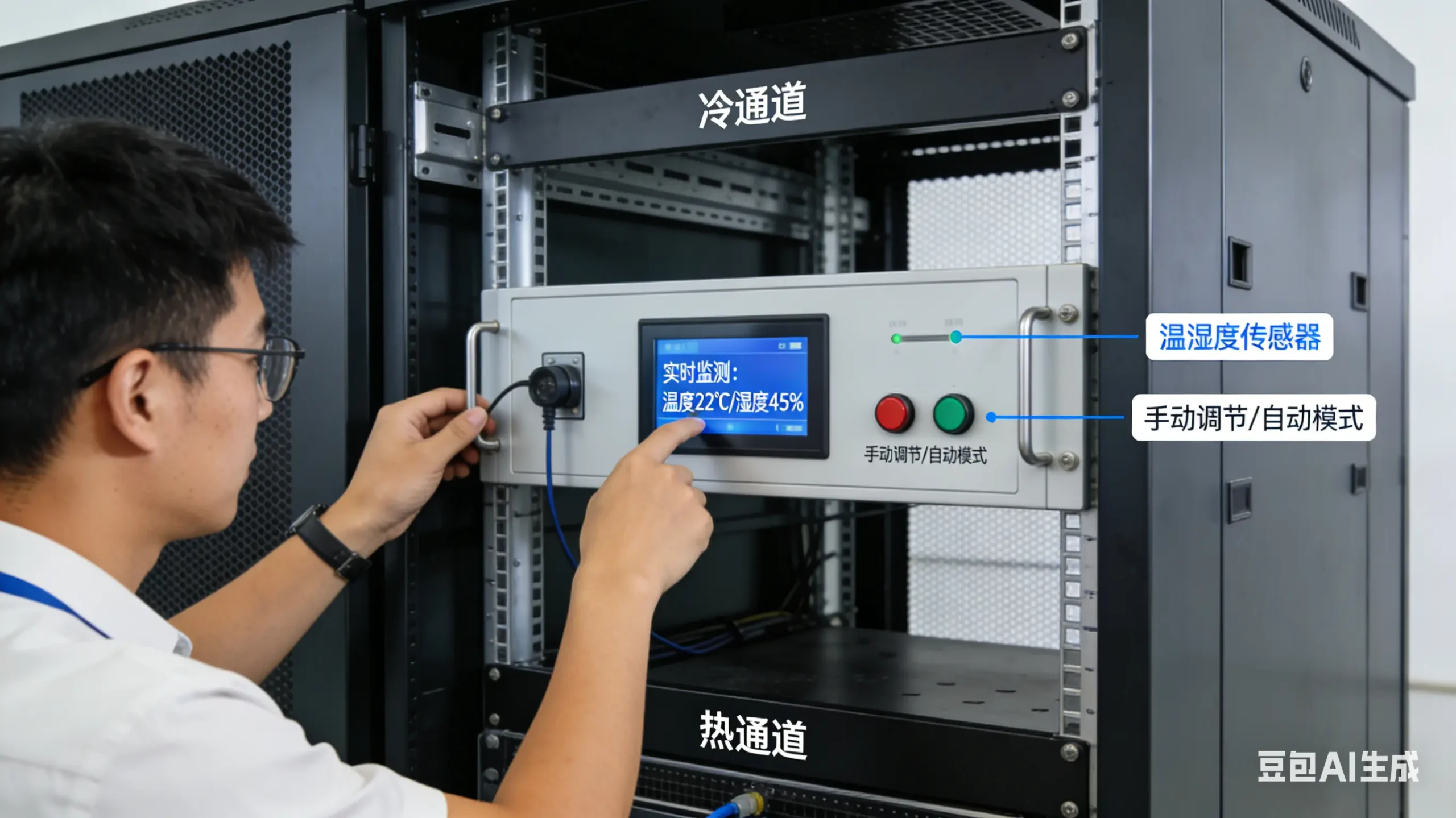
5. Realistic Savings
Measured results from BAS retrofits and tuning typically range from 15-30% of HVAC energy, and 10-20% of total building energy where lighting control and scheduling are included. Payback is usually 1.5-3 years depending on tariffs and usage patterns — and the savings compound as strategies are refined with the data the system collects.
6. Integration with Other Systems
A BAS is most valuable when it shares data: it integrates with power metering and submetering, lighting control, access control (occupancy-based HVAC), and monitoring-only interfaces to fire alarm panels and elevators per code requirements. Fire and life-safety systems remain independent with certified controllers — the BAS monitors status and can execute approved responses such as AHU fire-mode switching.
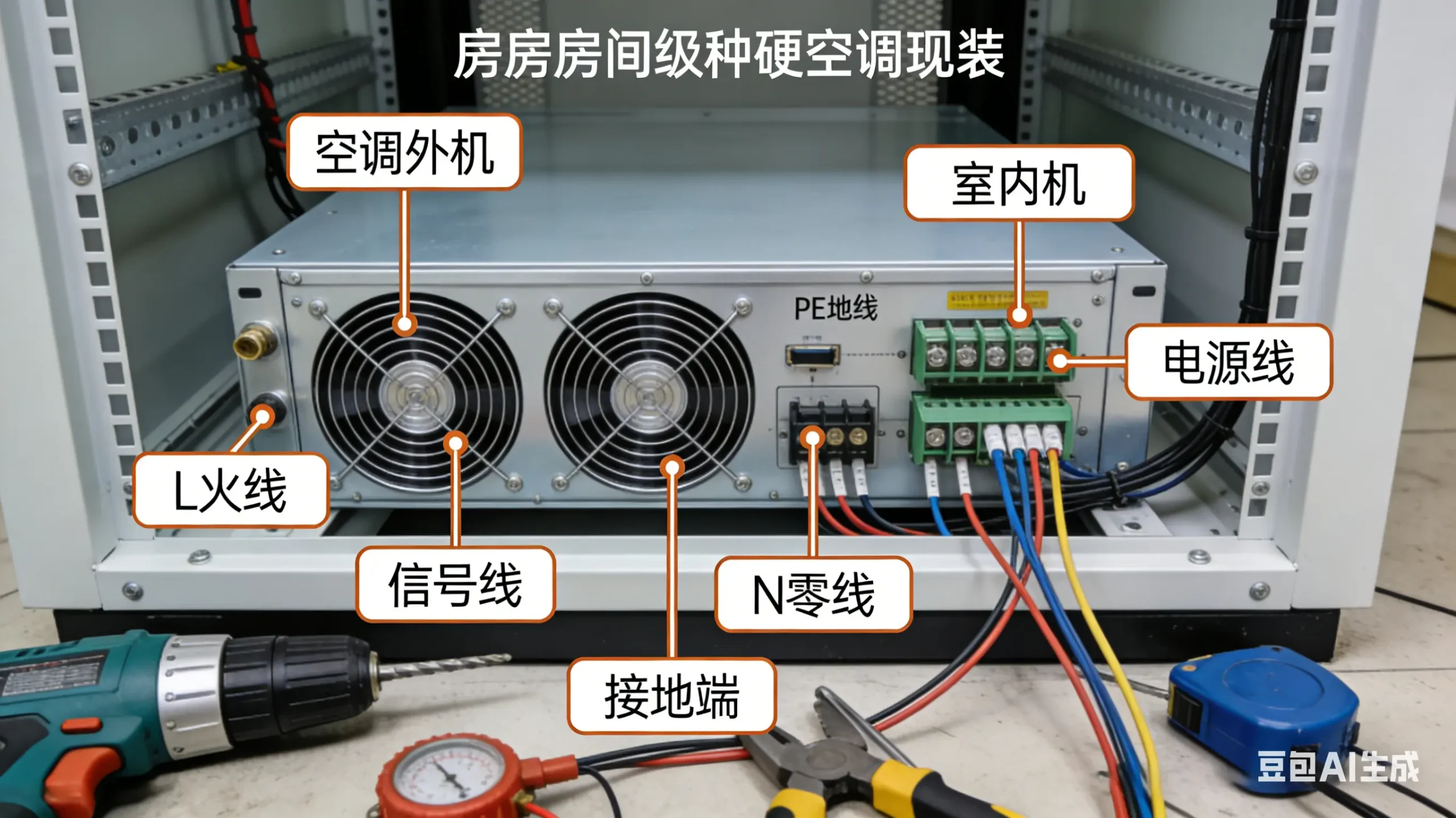
7. New Builds and Retrofits
7.1 New Buildings
For new projects, BAS design starts with the control strategy: points schedules are developed from the HVAC design, controllers and panels are specified, and the system is commissioned together with the plant — the cleanest and most efficient path.
7.2 Retrofits
Existing buildings can be automated without stopping operations: legacy chillers and AHUs with analog or Modbus interfaces are connected through I/O modules and modern DDCs, phased floor by floor or plant by plant around occupied hours. Panels are prefabricated and tested in the factory so on-site changeover is quick.
8. Project Delivery Process
- Survey and load analysis — plant inventory, usage patterns, energy baseline.
- Control strategy design — sequences, setpoints, schedules and point schedule document.
- Panel fabrication and programming — factory-built DDC panels, logic tested before delivery.
- Installation and networking — field wiring, sensors, controllers, server.
- Commissioning and tuning — loop tuning, sequence verification, seasonal adjustments.
- Training and handover — operator training, documentation, as-built drawings.

9. Operations and Maintenance
After handover, your facility team operates the system through a simple graphical interface. Guangzhou KITOZER offers optional remote monitoring support for the first year: our engineers watch plant efficiency, tune sequences seasonally and alert you to degrading equipment before it fails. Preventive maintenance covers controller health, sensor calibration and network integrity.
10. Frequently Asked Questions
Building Automation System FAQ
1. What is a building automation system (BAS)?
BAS, also called BMS, is a centralized platform that automatically controls and monitors building services — mainly HVAC, lighting and energy — to maintain comfort with the lowest practical energy use.
2. Which buildings need a BAS?
Buildings with centralized HVAC above roughly 5,000-10,000 m² — offices, hotels, hospitals, malls, factories, campuses — normally justify BAS. Smaller buildings can use simplified controllers with the same logic.
3. How much energy can it save?
Typical measured savings are 15-30% of HVAC energy through scheduling, demand ventilation and optimized start/stop; total building savings of 10-20% are common. Payback is usually 1.5-3 years.
4. Can BAS integrate with existing equipment?
Yes — any plant with control interfaces (Modbus, BACnet, dry contacts or analog signals) can be connected; legacy units are interfaced through I/O modules.
5. Is it possible to retrofit without stopping the building?
Yes — retrofits are phased floor by floor or plant by plant, working around occupied hours; prefabricated panels keep on-site changeover quick.
6. Who operates the system after handover?
Your facility team operates it through a graphical interface; we provide training, an operation manual and optional remote support for the first year.
7. Does BAS control the fire system?
BAS monitors fire alarm status and can switch AHUs into fire mode per local codes, but the fire alarm system itself remains independent with its own certified controller.
8. What is the typical project timeline?
A mid-size building (20,000-50,000 m²) usually takes 8-16 weeks from survey to handover, most of it panel fabrication and field installation.
9. What protocols are used?
BACnet/IP and Modbus TCP are standard at the supervisory level; field controllers use BACnet MS/TP or Modbus to devices.
10. Can it report energy consumption?
Yes — integrated submetering produces consumption and cost reports by zone, system and time period for management and certification.
11. Does a BAS need a dedicated operator?
No — web dashboards and automated alarms let existing facility staff manage it; alarms route to duty staff only when action is needed.
12. What documentation is delivered?
Point schedules, control sequences, as-built drawings, operation manuals and training materials.
11. Related Solutions
- Campus Energy Monitoring Integration
- Energy Efficiency Monitoring System
- Indoor Air Quality Monitoring
- Electrical Room Environmental Monitoring
- Campus Security Integration
About Guangzhou Lain Intelligent System Development Co., Ltd.
Guangzhou Lain Intelligent System Development Co., Ltd. delivers building automation, energy management and environmental monitoring systems for commercial, institutional and industrial buildings worldwide. From single rooms to enterprise facilities, KITOZER provides design, manufacturing, integration, testing and after-sales service under one roof and exports worldwide.
Contact us for a free technical consultation:
- Company: Guangzhou Lain Intelligent System Development Co., Ltd.
- Address: 1st Floor, Building A, Chaotian Industrial Park, Zhongrun Industrial Park, Shilou Town, Panyu District, Guangzhou, Guangdong, China
- Tel/WeChat: +86 135-0923-8849 | +86 135-0923-8849
- WhatsApp: +86 135-0923-8849
- Email: zl19068534140@gmail.com
- Website: www.gdlain.com | Request a Quote
Typical response time: within one business day. Project references, drawings and samples are available on request.