1. Overview: What This FAQ Covers
A grain storage monitoring system watches temperature and moisture inside silos and warehouses — the two conditions that decide whether stored grain keeps its value or silently spoils. Early detection of a hot spot or damp zone lets operators ventilate or move grain before insects, mold and moisture migration spread the damage. This page answers the questions warehouse and elevator managers ask before installing a monitoring system.
Guangzhou Lain Intelligent System Development Co., Ltd. supplies grain storage temperature and moisture monitoring systems with automatic ventilation control. The answers below reflect our standard engineering practice for silos and flat warehouses.
2. Why Monitoring Matters
2.1 Why is temperature monitoring critical in grain storage?
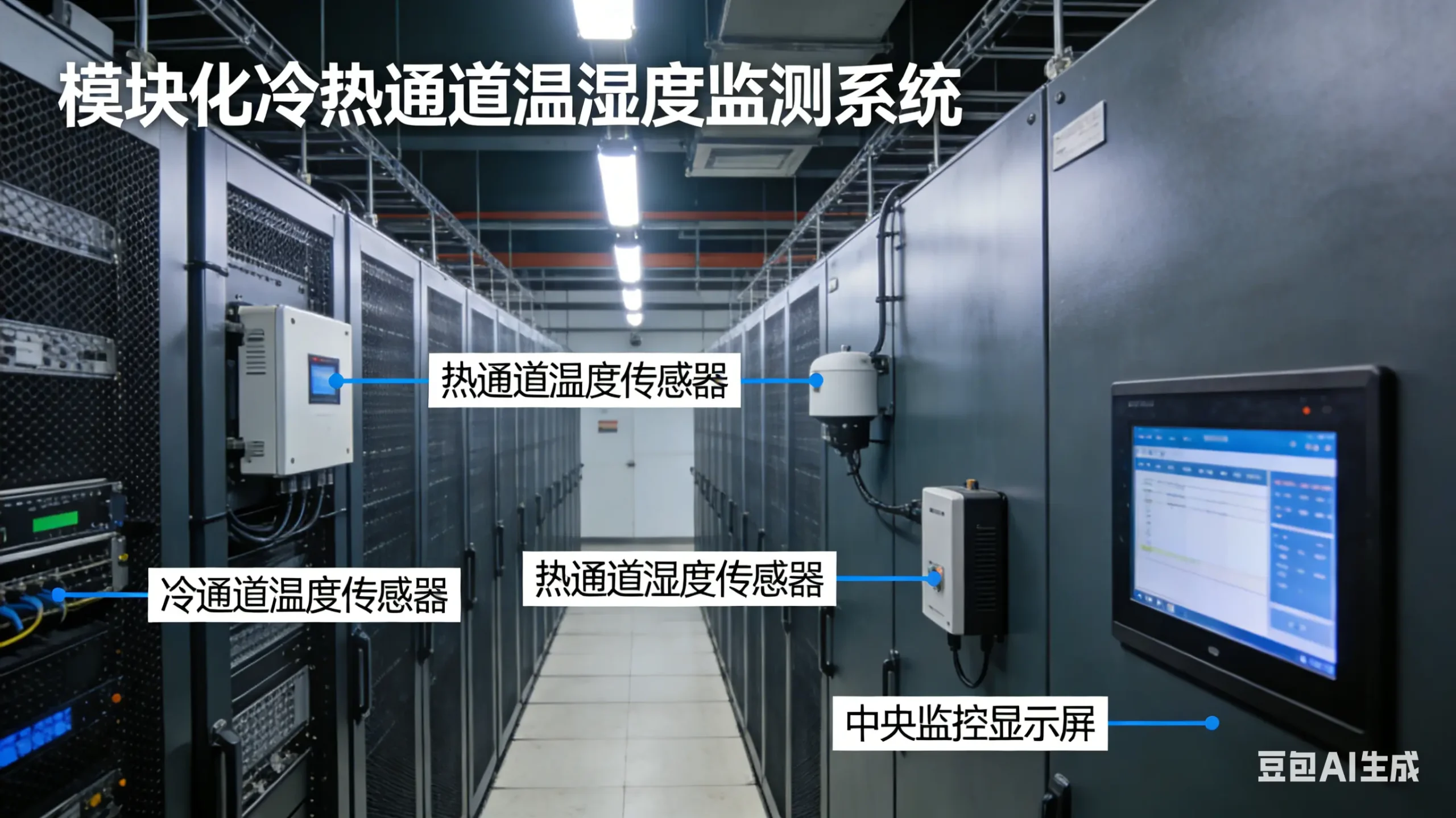
Heat is the first sign of trouble: insects, mold and moisture migration all raise grain temperature. Detecting a hot spot early lets you ventilate or move grain before damage spreads, protecting both quality and value. Temperature is the leading indicator because it rises before visible spoilage — by the time mold is smelled or seen, the loss is already done.
2.2 How are temperature points arranged?
Thermometric cables are hung vertically in the grain at a grid spacing recommended by storage standards (commonly every 3–5 m in plan), with sensors along each cable every 1.5–3 m of depth. Point count is designed from silo geometry, so every storage bin gets coverage matched to its actual shape and volume.
3. Measurement and Control
3.1 Does the system measure moisture?
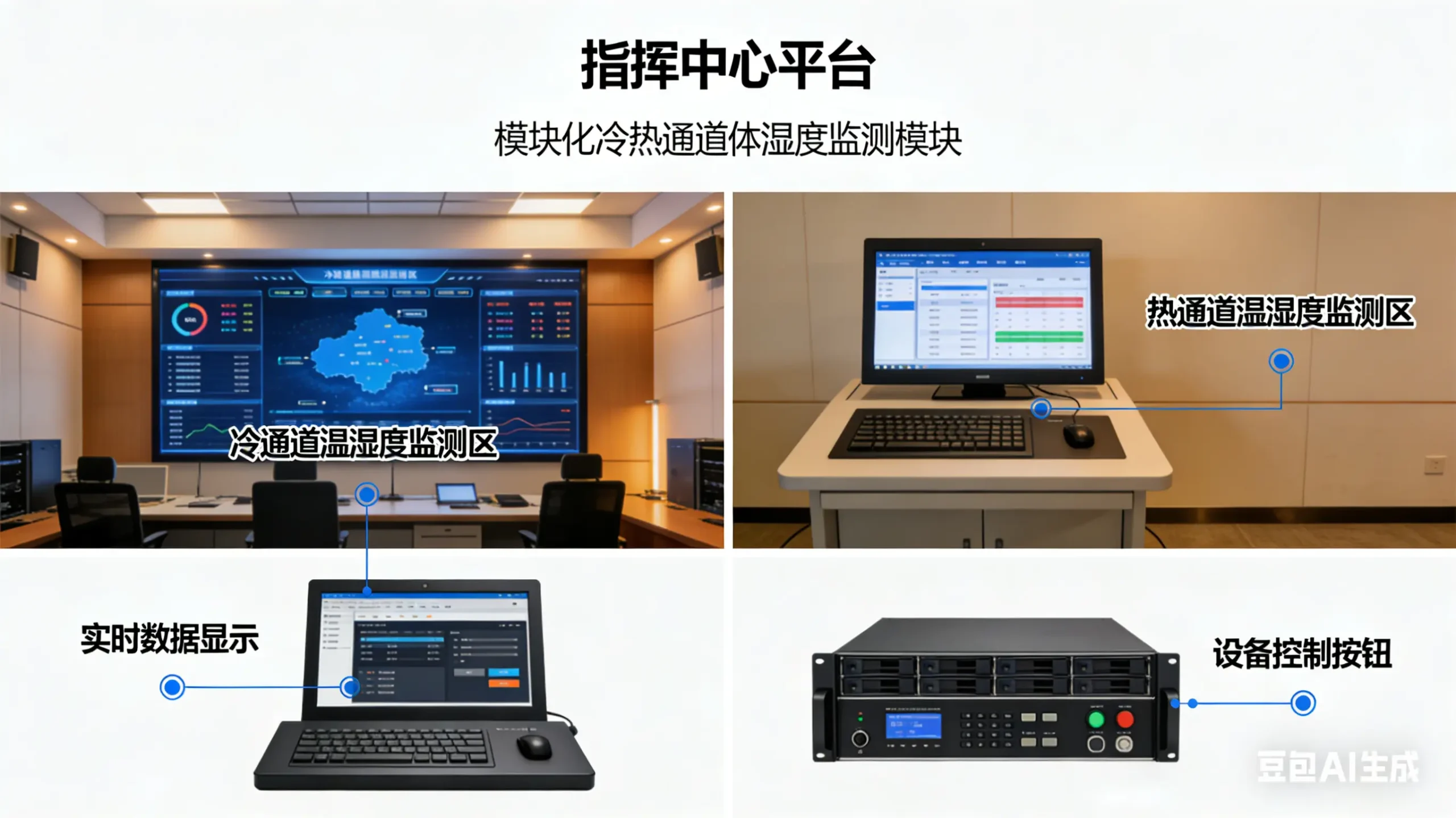
Yes, at selected representative locations using grain moisture probes, plus air humidity sensors in the warehouse headspace and outside — the data needed to judge safe ventilation conditions. Moisture plus temperature together tell the full story: when the grain is warm but the outside air is cool and dry, conditions are right to ventilate.
3.2 Can it automatically control fans?
Yes. The controller compares inside/outside conditions (temperature and humidity) and starts or stops exhaust/axial fans automatically, or recommends manual operation through the platform, depending on your preference. Automatic mode is favored for night and weekend aeration, when the best cooling air arrives and no operator is on site.
4. Retrofit and Integration
4.1 Is the system suitable for my existing silos?
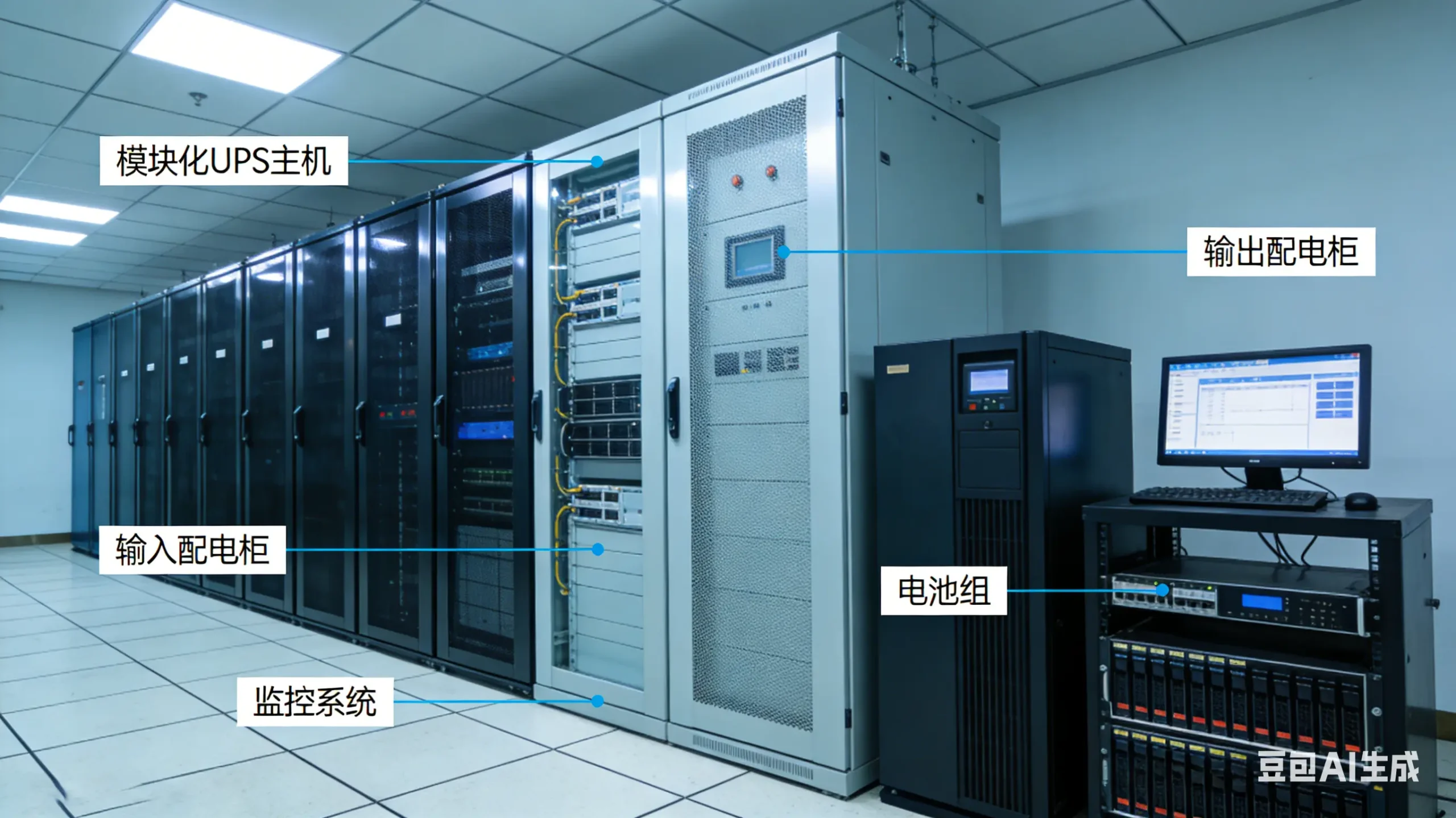
In most cases yes. Retrofits use sensors installed via top hatches during grain turn-over or maintenance windows. Wireless sensor chains reduce cabling work in old warehouses, and each silo or bay is commissioned independently so storage stays in service through the installation.
4.2 How is data accessed?
Data is available on a local computer and/or a cloud platform accessible from office and mobile, with alarm delivery by SMS, WeChat/WhatsApp or email. Operators see live temperatures per silo, trend graphs and hot-spot alarms from anywhere — no site visit needed to know the grain is safe.
5. Operations and Support
5.1 What maintenance is needed?
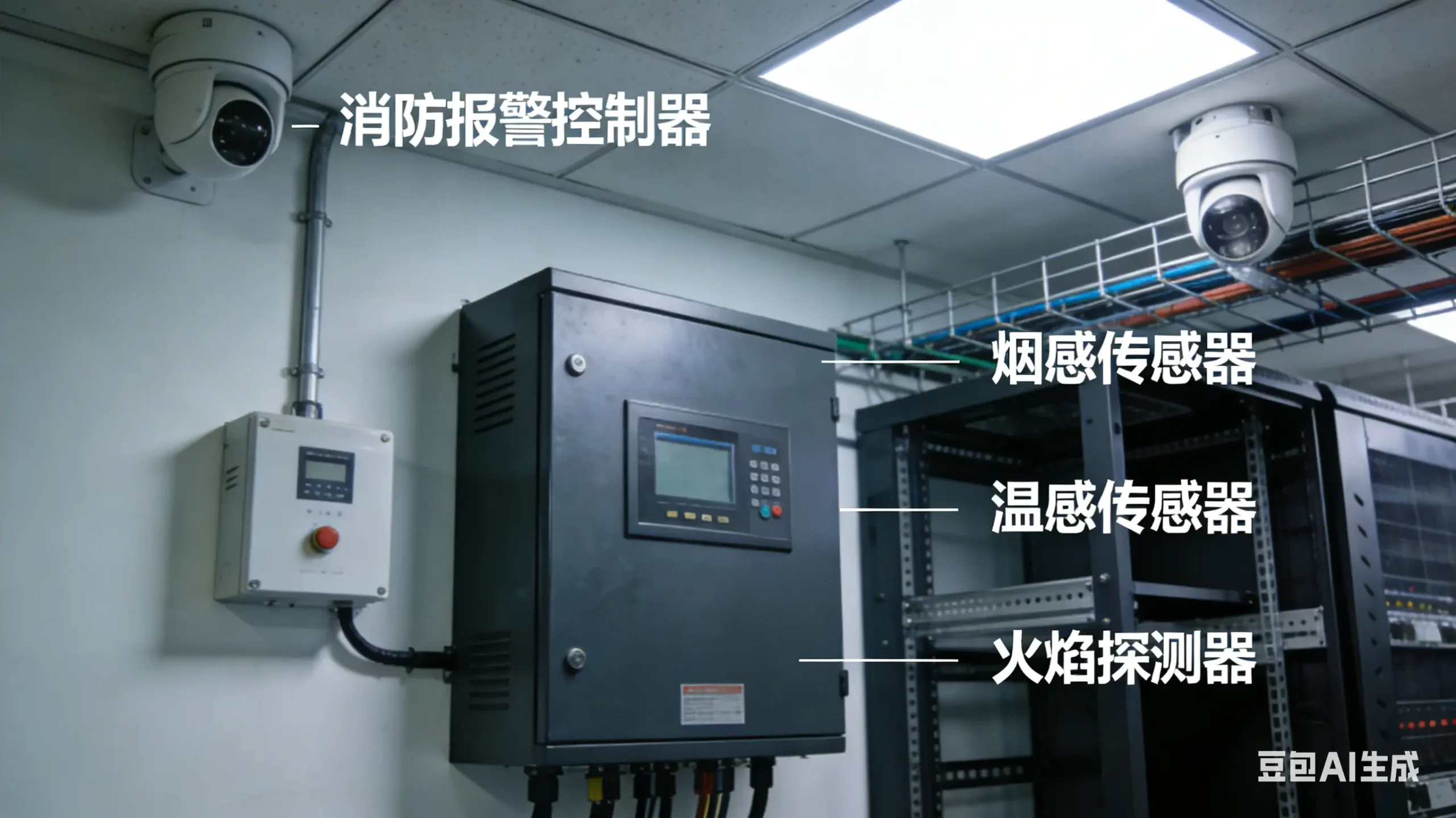
The system is low-maintenance: annual calibration check of sensors and cleaning of controller filters. Cable damage can occur during grain movement; spares are stocked and replacement is straightforward, so a damaged sensor chain is restored within the season rather than lost until unloading.
5.2 Can it connect to an existing ERP or warehouse system?
Our platform exports data through standard interfaces (Modbus/TCP, API, CSV reports), which can be integrated with your warehouse management or ERP system. Inventory and quality records can therefore carry live storage-condition evidence automatically.

6. Frequently Asked Questions — Quick Reference
Grain Storage Monitoring FAQ
1. Why is temperature monitoring critical in grain storage?
Heat is the first sign of insects, mold and moisture migration; early detection lets you ventilate or move grain before damage spreads, protecting quality and value.
2. How are temperature points arranged?
Thermometric cables hang vertically at a grid spacing commonly every 3–5 m in plan, with sensors along each cable every 1.5–3 m of depth, designed from silo geometry.
3. Does the system measure moisture?
Yes — grain moisture probes at representative locations plus air humidity in the headspace and outside, giving the data needed to judge safe ventilation conditions.
4. Can it automatically control fans?
Yes — the controller compares inside/outside temperature and humidity and starts or stops fans automatically, or recommends manual operation through the platform.
5. Is the system suitable for existing silos?
Mostly yes — sensors install via top hatches during turn-over or maintenance windows, and wireless chains reduce cabling in old warehouses.
6. How is data accessed?
Local computer and/or cloud platform from office and mobile, with alarm delivery by SMS, WeChat/WhatsApp or email.
7. What maintenance is needed?
Low-maintenance: annual sensor calibration checks and controller filter cleaning; damaged cable chains are replaced from stock.
8. Can it connect to ERP or warehouse systems?
Yes — standard interfaces (Modbus/TCP, API, CSV) export data to WMS/ERP for automatic storage-condition evidence.
9. What happens during a power failure?
The controller keeps local history and optional backup power preserves monitoring continuity across short outages.
10. What documentation comes with the system?
Point schedules, calibration certificates, drawings, operation manual and commissioning records per silo.
7. Related Solutions
- Grain Storage Monitoring System: Complete Guide
- Precision Temperature & Humidity Monitoring
- Four-Condition Agricultural Monitoring System
- Data Center Dust Monitoring System
- Explosion-Proof Weather Station
About Guangzhou Lain Intelligent System Development Co., Ltd.
Guangzhou Lain Intelligent System Development Co., Ltd. supplies grain storage temperature and moisture monitoring systems with automatic ventilation control for silos and warehouses worldwide. From single rooms to enterprise facilities, KITOZER provides design, manufacturing, integration, testing and after-sales service under one roof and exports worldwide.
Contact us for a free technical consultation:
- Company: Guangzhou Lain Intelligent System Development Co., Ltd.
- Address: 1st Floor, Building A, Chaotian Industrial Park, Zhongrun Industrial Park, Shilou Town, Panyu District, Guangzhou, Guangdong, China
- Tel/WeChat: +86 13922289957 | +86 18520668845 | +86 13538869979
- WhatsApp: +86 19068534140
- Email: zl19068534140@gmail.com
- Website: www.gdlain.com | Request a Quote
Typical response time: within one business day. Project references, drawings and samples are available on request.