1. Overview: What This FAQ Covers
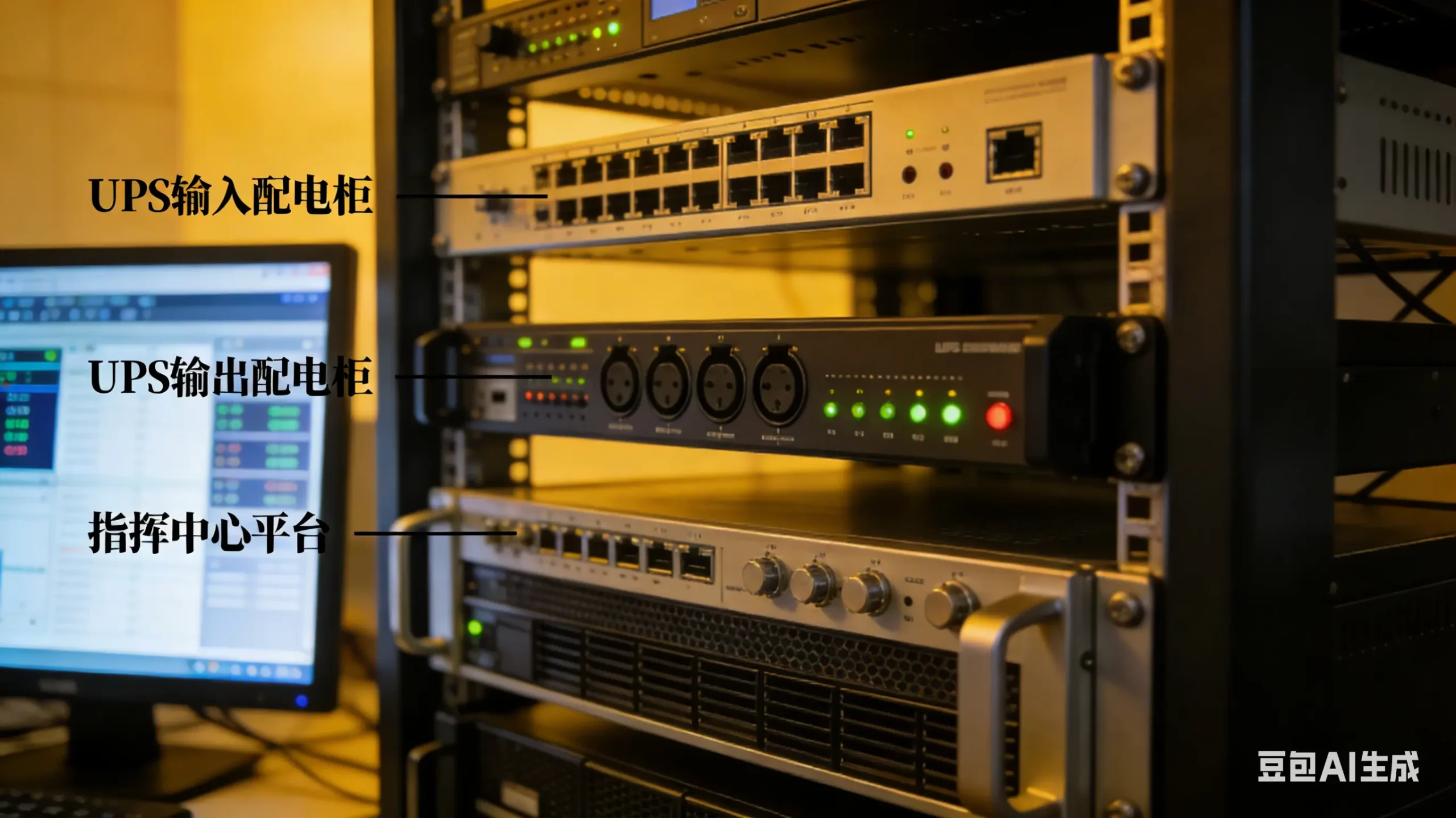
A DC distribution cabinet distributes -48 V DC from rectifiers and batteries to telecom and IT loads through individually protected branches, while measuring consumption and reporting branch status and alarms to the network operations center. It is the organized, safe middle layer between the DC power plant and the equipment it feeds — and this page answers the questions telecom and data center engineers ask when specifying, expanding or troubleshooting one.
Guangzhou Lain Intelligent System Development Co., Ltd. manufactures DC distribution cabinets from 100 A wall-mount units to 2000 A floor cabinets, with branch metering, low-voltage disconnect and remote monitoring options. The answers below reflect our standard product range and engineering practice.
2. Role and Architecture
2.1 What is a DC distribution cabinet used for?
It distributes -48 V DC from rectifiers and batteries to telecom and IT loads through individually protected branches, while measuring consumption and reporting branch status and alarms to the network operations center. Every load gets its own breaker or fuse, so a fault on one branch is isolated without dropping the rest of the site — and the NOC sees which branch tripped, when and how much current it was drawing.
2.2 How does it relate to the rectifier and the battery?
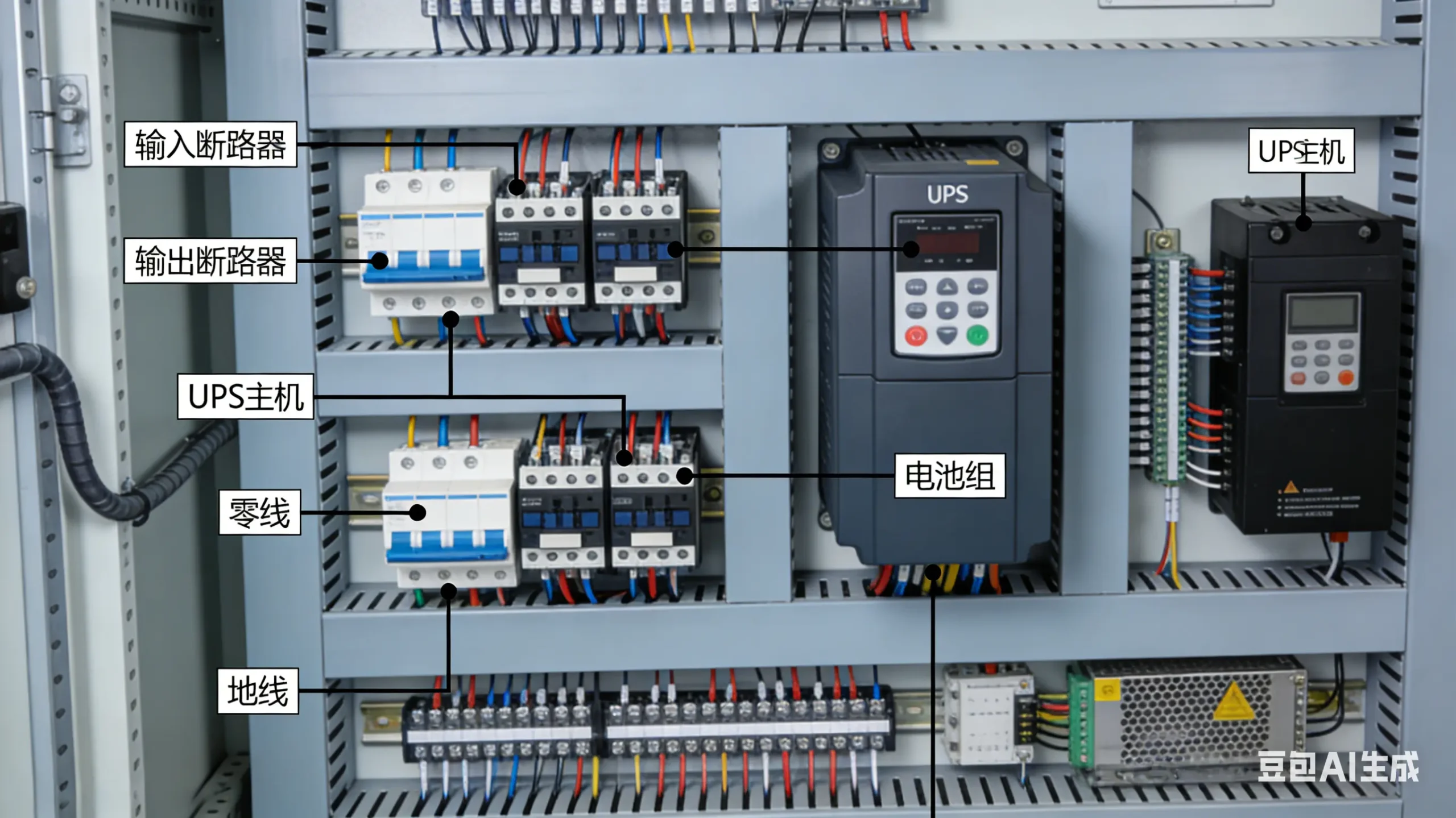
The rectifier converts AC to -48 V DC onto a common DC bus; the battery bank sits on the same bus to carry the load during AC failure; and the DC distribution cabinet is the bus’s outlet panel — it takes the bus and feeds every individual load through protected branches. In small sites all three functions may share one integrated power cabinet; in larger sites they are separate cabinets so each can be sized, maintained and expanded independently.
3. Ratings and Sizing
3.1 What are the available ratings?
Wall-mount units start at 100 A; floor cabinets range from 400 A up to 2000 A with busbar distribution. Branch ratings run from 10 A to 630 A. The panel is sized from the actual load list with spare ways reserved for growth, and busbar cross-section is calculated for the total rating with margin for temperature rise and future expansion — so a cabinet sized today still fits the site after the next two capacity additions.
3.2 How many branches can it hold?
Wall-mount units typically carry 6–24 ways; floor cabinets accept multiple pluggable module rows and can exceed 100 ways when fitted with miniature breakers. Because branch modules are pluggable, the same cabinet frame can be configured with breakers, fuse carriers or blank covers in any mix — and the layout is documented on the front diagram so every way is identified at a glance.
4. Expansion and Protection
4.1 Can branches be added later without downtime?
Yes — with pluggable breaker or fuse modules, spare ways can be fitted live without switching off the cabinet, which is essential for evolving sites. The module clicks onto a pre-wired busbar tap with the branch protected during insertion, so a new radio or router feed is added in minutes rather than scheduled as an outage. Pre-planned spare ways plus stocked modules mean capacity keeps pace with the network plan.
4.2 How are branches protected and how is safety ensured?
Each branch carries a DC-rated MCB or fuse sized to the load and cable; insulation monitoring, creepage/clearance per IEC/GB standards, arc barriers, proper earthing and routine dielectric testing are standard. Optional surge protection guards the distribution from lightning-induced transients on incoming feeders, and protection coordination ensures the smallest device nearest the fault clears first. Test certificates are delivered with every cabinet.

5. Low-Voltage Disconnect and Monitoring
5.1 Does it include low-voltage disconnect?
Optional but recommended: LVD disconnects non-critical loads when battery voltage drops (for example below 43.2 V), preserving energy for critical transmission equipment. Without LVD the whole site drains the battery toward cell damage during a long outage; with it, the loads that keep the network alive are automatically prioritized, and the non-critical feeders are restored automatically or manually once the mains returns.
5.2 Can it monitor each branch remotely?
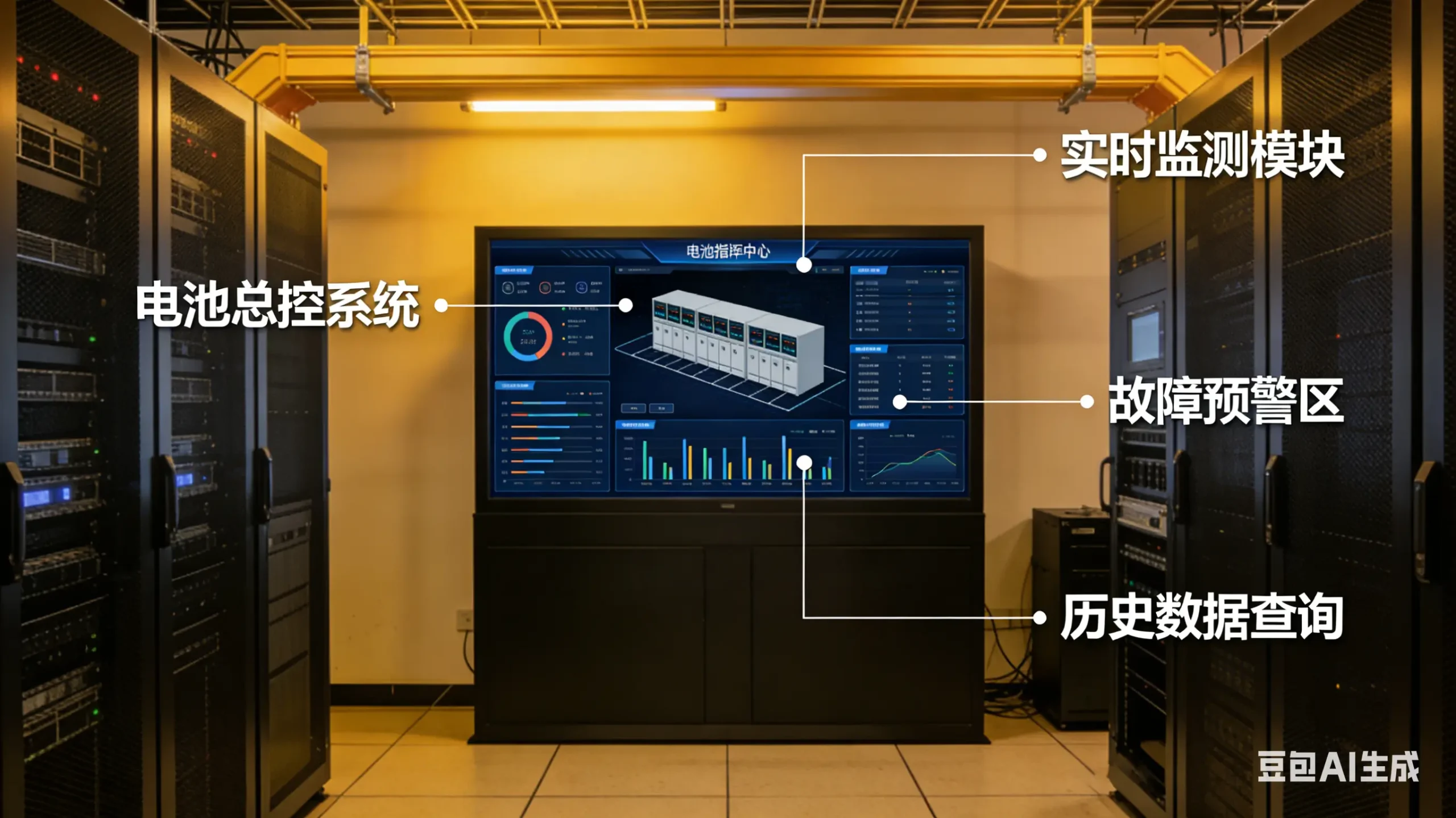
Yes — with the smart version each branch has current sensing and status; data is reported over RS485/Modbus or SNMP to the site controller or NMS. The platform shows per-branch current, total load, bus voltage, breaker trip events and battery voltage trends, with alarms for overload, trip and undervoltage — so an engineer often knows which shelf to open before arriving on site.
6. Delivery, Documentation and Support
6.1 How long is delivery?
Standard cabinets ship in 10–15 days; smart cabinets with branch metering in 15–20 days after drawing approval. Custom ratings, busbar layouts and branch mixes extend the schedule only by the drawing approval cycle, and urgent spare modules are handled on request so a damaged way is restored without replacing the panel.
6.2 What documentation comes with a cabinet?
Drawings (front view, schematic and wiring), test certificates, spare lists, installation guide, and — for smart versions — the Modbus register map so your NMS/EMS can integrate the data without reverse engineering. A maintenance checklist covers the yearly routine: torque checks, thermal imaging, breaker exercising and insulation monitoring verification.
7. Frequently Asked Questions — Quick Reference
DC Distribution Cabinet FAQ
1. What is a DC distribution cabinet used for?
It distributes -48V DC from rectifiers and batteries to telecom and IT loads through individually protected branches, while measuring consumption and reporting branch status and alarms to the NOC.
2. How does it relate to the rectifier and the battery?
The rectifier charges the DC bus, the battery carries it through AC failure, and the cabinet is the bus’s outlet panel feeding every load through protected branches.
3. What are the available ratings?
Wall-mount units start at 100 A; floor cabinets range from 400 A up to 2000 A with busbar distribution. Branch ratings run from 10 A to 630 A.
4. How many branches can it hold?
Wall-mount units typically carry 6–24 ways; floor cabinets accept multiple pluggable module rows and can exceed 100 ways with miniature breakers.
5. Can branches be added later without downtime?
Yes — with pluggable breaker or fuse modules, spare ways can be fitted live without switching off the cabinet, essential for evolving sites.
6. Does it include low-voltage disconnect?
Optional but recommended: LVD disconnects non-critical loads when battery voltage drops (for example below 43.2 V), preserving energy for critical transmission equipment.
7. Can it monitor each branch remotely?
Yes — with the smart version each branch has current sensing and status, reported over RS485/Modbus or SNMP to the site controller or NMS.
8. How is safety ensured?
Insulation monitoring, creepage/clearance per IEC/GB standards, arc barriers, proper earthing and routine dielectric testing are standard, with test certificates delivered with each cabinet.
9. How long is delivery?
Standard cabinets ship in 10–15 days; smart cabinets with branch metering in 15–20 days after drawing approval.
10. What documentation comes with a cabinet?
Drawings, test certificates, spare lists, installation guide, Modbus register map for smart versions, and a maintenance checklist.
8. Related Solutions
- DC Distribution Cabinet: Central -48V DC Power Distribution
- AC Distribution Unit: Reliable AC Power Distribution for Sites & Rooms
- Telecom Power Distribution Unit (PDU)
- LV Distribution Cabinet
- LiFePO4 Batteries for Base Stations
About Guangzhou Lain Intelligent System Development Co., Ltd.
Guangzhou Lain Intelligent System Development Co., Ltd. manufactures DC distribution cabinets with pluggable branches, low-voltage disconnect, branch metering and remote monitoring for telecom sites and data centers worldwide. From single rooms to enterprise facilities, KITOZER provides design, manufacturing, integration, testing and after-sales service under one roof and exports worldwide.
Contact us for a free technical consultation:
- Company: Guangzhou Lain Intelligent System Development Co., Ltd.
- Address: 1st Floor, Building A, Chaotian Industrial Park, Zhongrun Industrial Park, Shilou Town, Panyu District, Guangzhou, Guangdong, China
- Tel/WeChat: +86 135-0923-8849 | +86 135-0923-8849
- WhatsApp: +86 135-0923-8849
- Email: zl19068534140@gmail.com
- Website: www.gdlain.com | Request a Quote
Typical response time: within one business day. Project references, drawings and samples are available on request.