1. Overview: What This FAQ Covers
Fire interlock monitoring is the control logic and instrumentation that coordinates fire detection with suppression, HVAC, power and access systems in a data center — so that when fire is confirmed, the room follows a safe, automatic sequence instead of relying on humans to remember a dozen steps. This page answers the questions facility and safety managers ask when planning or upgrading fire protection integration.
Guangzhou Lain Intelligent System Development Co., Ltd. designs and integrates fire interlock monitoring for data centers and technical rooms. The answers below reflect our standard engineering practice with major suppression brands.
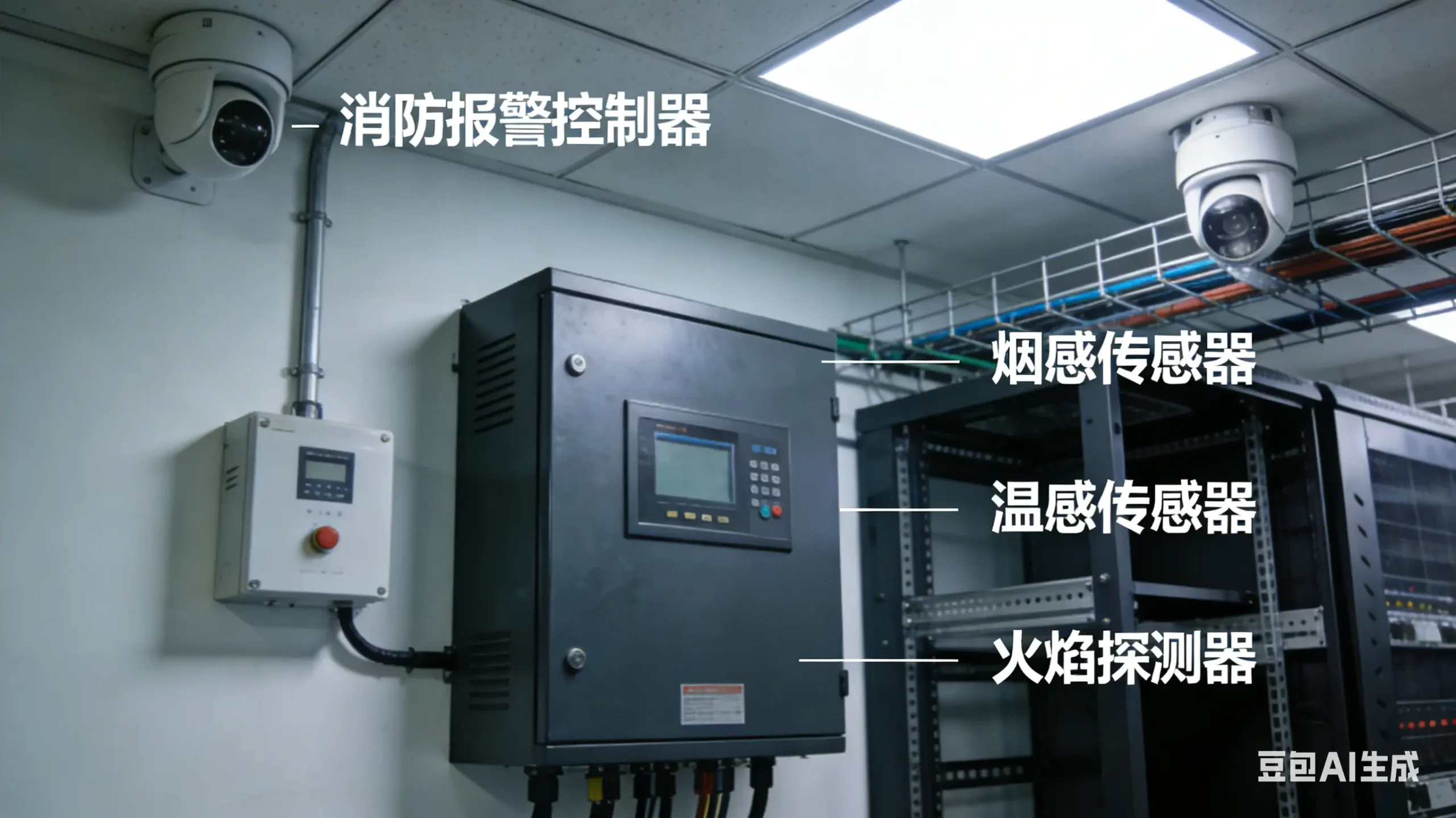
2. What Fire Interlock Does
2.1 What is fire interlock monitoring in a data center?
It is the control logic and instrumentation that coordinates fire detection with suppression, HVAC, power and access systems, so the room follows a safe, automatic sequence when fire is confirmed. Detection alone only tells you there is a fire; interlocking turns that signal into the right chain of actions — alarm, gas hold, HVAC off, dampers closed — in the right order.
2.2 Which suppression systems can be integrated?
Clean-agent, inert-gas, and aerosol suppression systems specified for the project can be integrated through their control panels; we program the interlock matrix and connect status/discharge signals to the monitoring platform. The suppression panel stays the certified authority for release; the interlock system coordinates everything around it.
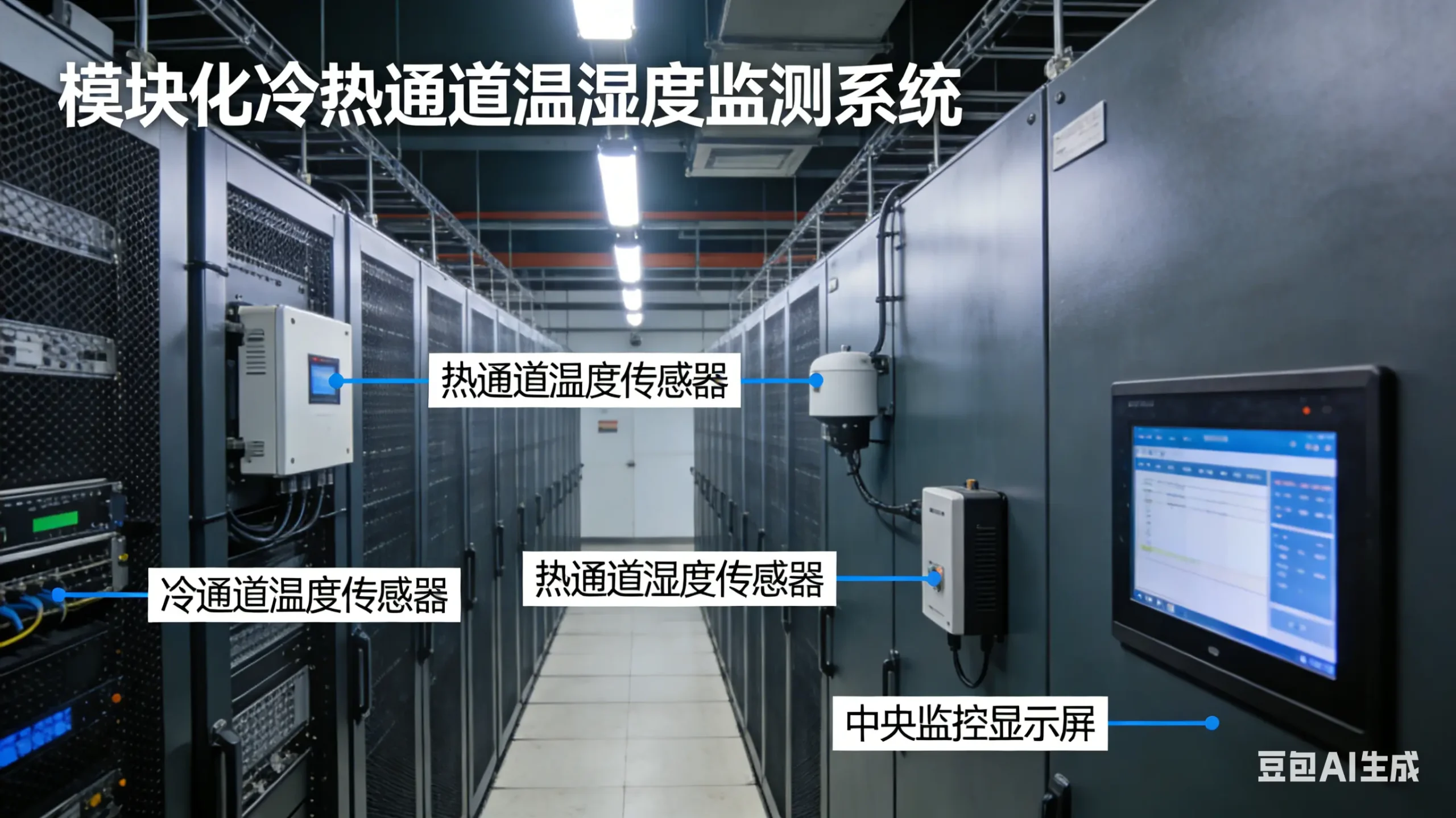
3. Detection and Response
3.1 How does very early detection help?
Aspirating (VESDA-type) systems detect the first particles of smoke — often 10–60 minutes before a visible fire — allowing investigation and intervention while equipment is still safe, avoiding unnecessary gas discharge. Early warning converts most “fire events” into “small incidents resolved by a technician with a flashlight,” which is exactly what operators want.
3.2 Does the system shut down the AC units?
On confirmed fire, precision AC supply is interlocked off (or switched to fire mode) and fire dampers close, so suppression gas is not exhausted and smoke is contained. This sequence is programmable per zone — a fire in one hall does not take down cooling in the whole building.
4. Retrofit and Testing
4.1 Can it be added to an existing data center?
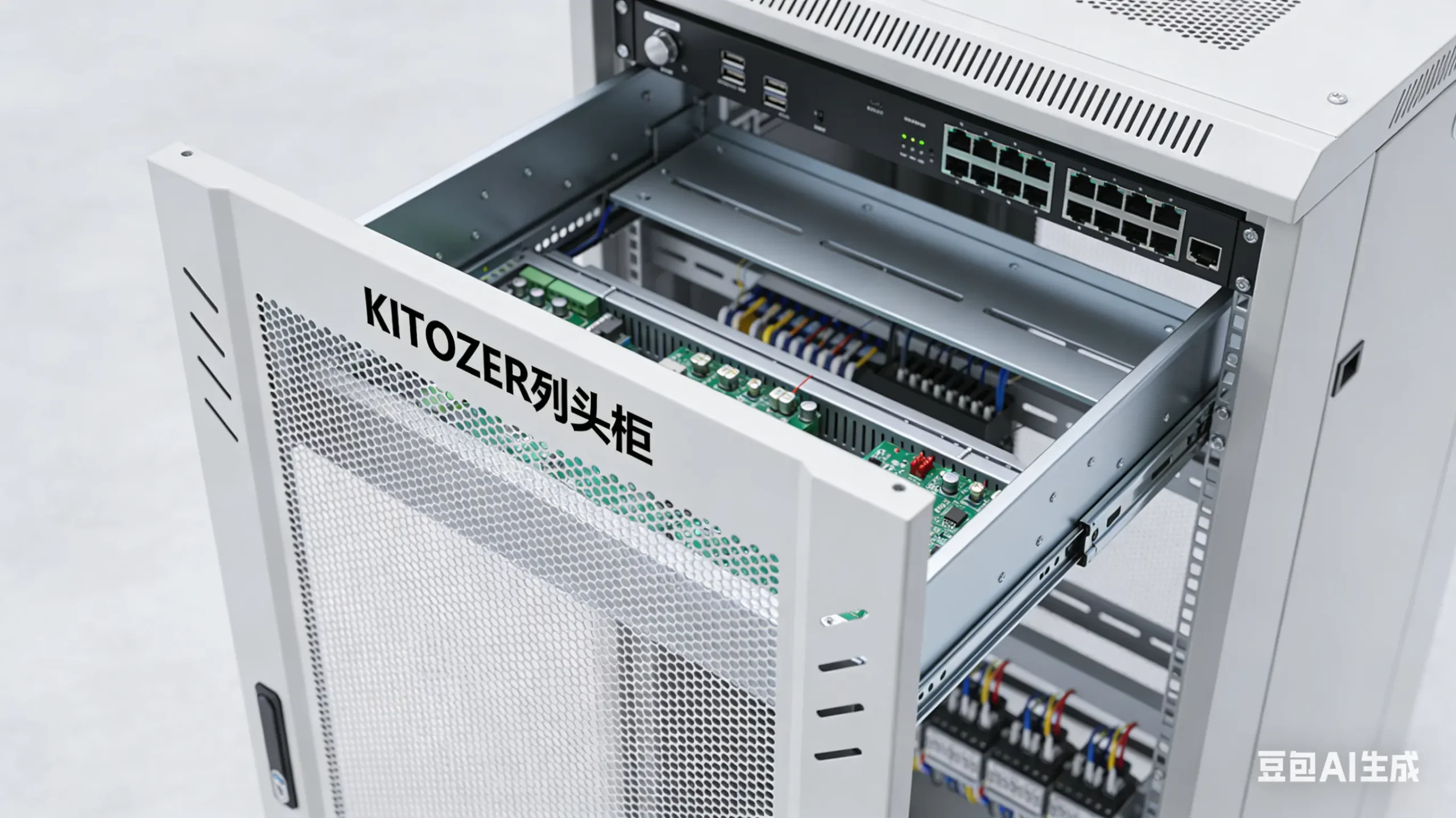
Yes — retrofit interlock panels can supervise existing fire panels, AC units and power distribution via dry contacts or communication modules without replacing them. Existing equipment keeps its own controllers; the interlock layer watches and coordinates rather than taking over.
4.2 How is the system tested?
We perform staged function tests (alarm only, then full sequence with gas simulation) with your safety team, and provide test records and operator training as part of handover. Testing is staged so the full discharge sequence is proven in simulation before it is ever needed in reality — and retested on a scheduled cycle.
5. Operations and Records
5.1 What does the operator see?
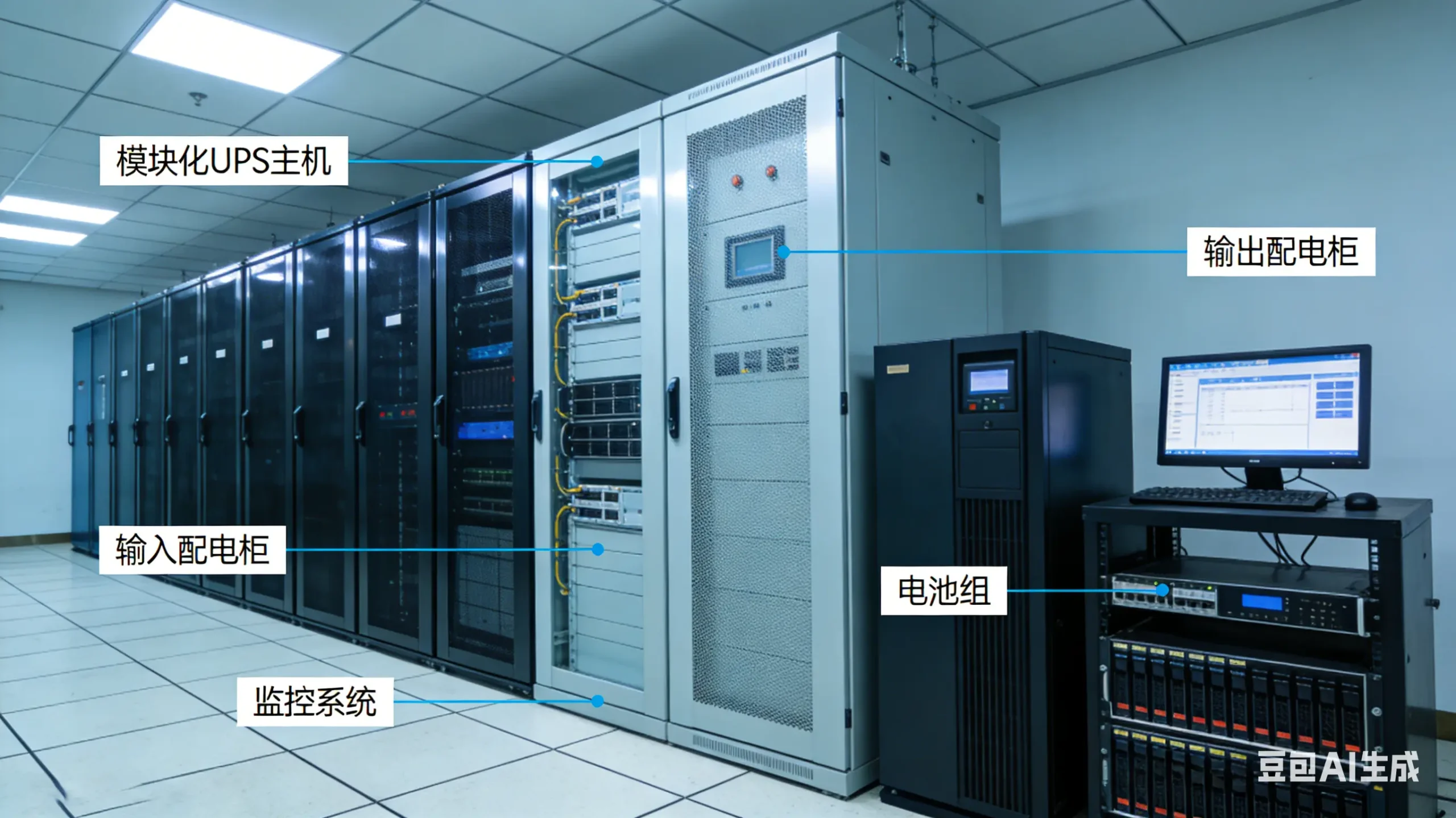
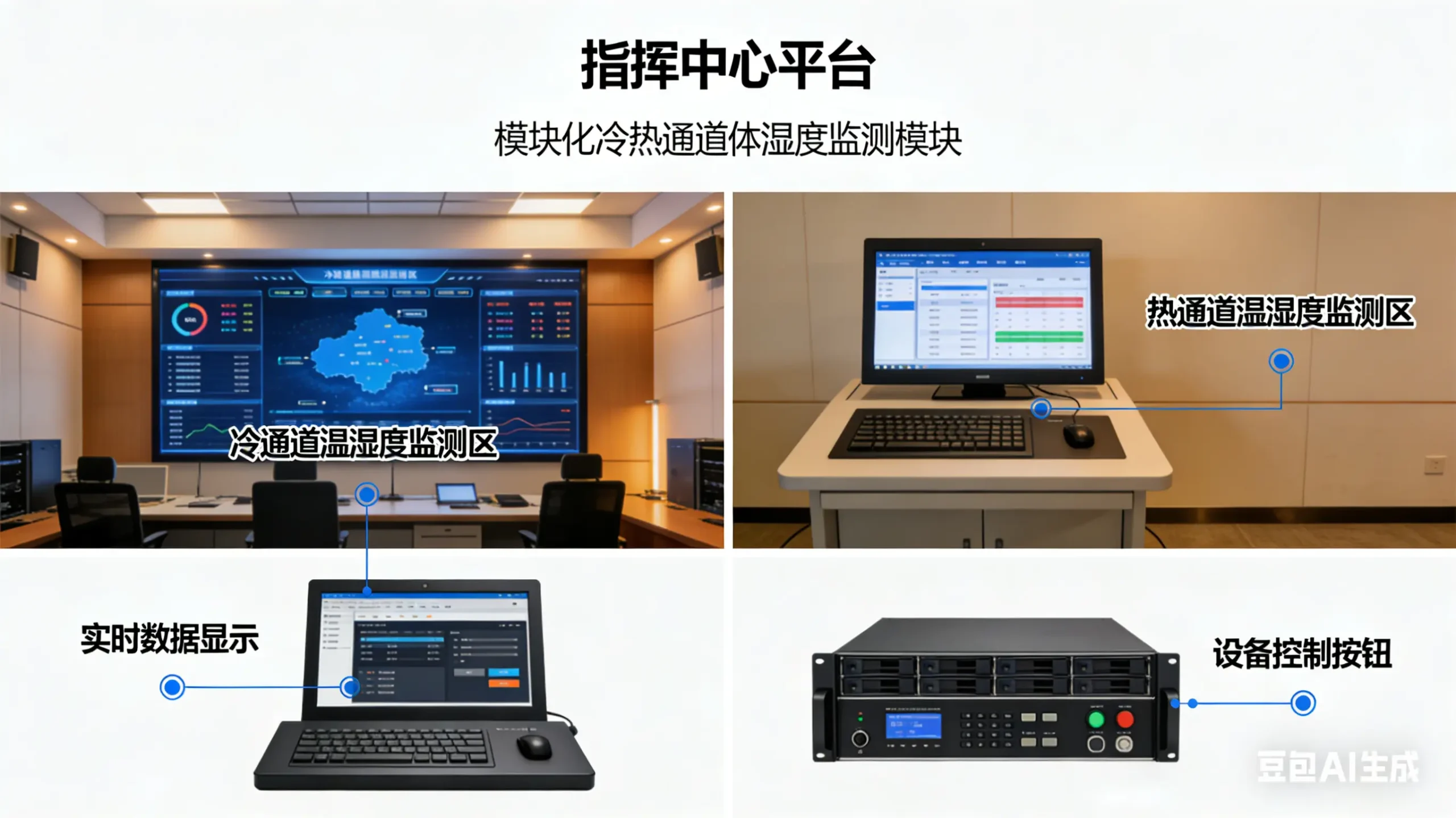
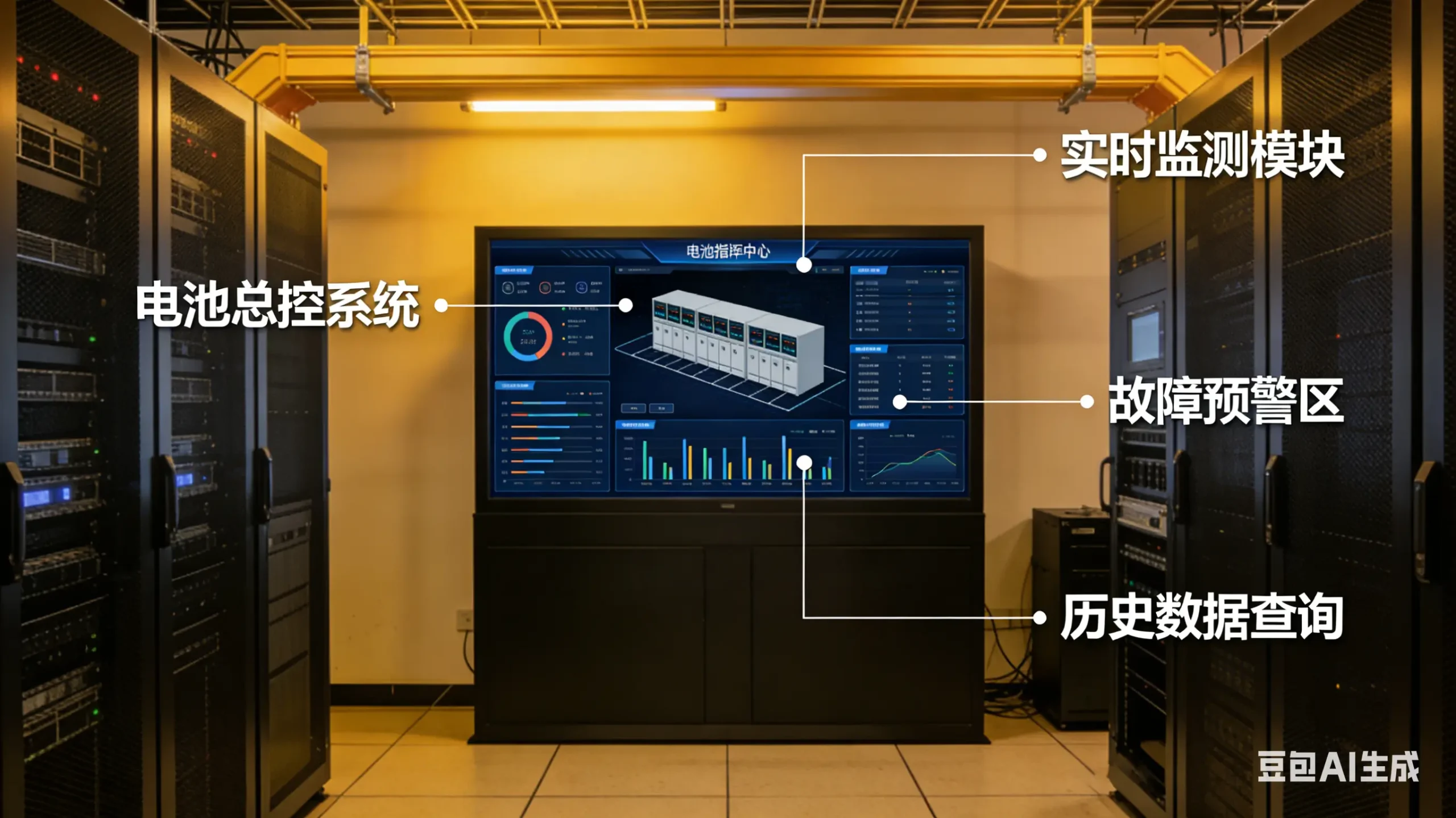
The monitoring platform shows detector and suppression status per zone, active alarms, and a live event timeline of every step in the interlock sequence — who was paged, which AC units stopped, when dampers closed. Post-incident, that timeline is the evidence for the investigation and the insurance report.
5.2 What maintenance is needed?
The interlock system follows the same discipline as the suppression system: scheduled function tests, status checks of interfaces and batteries, and re-verification after any change to the protected room. Test records are kept per zone, and we offer service contracts that keep the sequence current as the room evolves.
6. Frequently Asked Questions — Quick Reference
Data Center Fire Interlock FAQ
1. What is fire interlock monitoring in a data center?
The control logic and instrumentation that coordinates fire detection with suppression, HVAC, power and access, so the room follows a safe automatic sequence when fire is confirmed.
2. Which suppression systems can be integrated?
Clean-agent, inert-gas, and aerosol suppression systems specified for the project integrate through their control panels, with the interlock matrix programmed and status signals connected.
3. How does very early detection help?
Aspirating (VESDA-type) systems detect first smoke particles 10–60 minutes before visible fire, enabling investigation and intervention while equipment is still safe.
4. Does the system shut down the AC units?
On confirmed fire, precision AC supply is interlocked off or switched to fire mode and fire dampers close, programmable per zone, so gas is not exhausted and smoke is contained.
5. Can it be added to an existing data center?
Yes — retrofit interlock panels supervise existing fire panels, AC units and power via dry contacts or communication modules without replacement.
6. How is the system tested?
Staged function tests (alarm only, then full sequence with gas simulation) with your safety team, plus test records and operator training at handover.
7. What does very early warning avoid?
Most incipient events are resolved before gas discharge — protecting equipment and avoiding the cost and downtime of a full suppression release.
8. Is the suppression panel still the authority for release?
Yes — the certified suppression panel controls actual discharge; the interlock system coordinates everything around it.
9. What records support an investigation?
A per-zone event timeline of detection, paging, HVAC actions and damper status, plus test and maintenance history.
10. Do you offer service contracts?
Yes — scheduled function tests, interface checks and re-verification keep the sequence current as the room evolves.
7. Related Solutions
- Data Center Fire Interlock Monitoring: Complete Guide
- Data Center Monitoring System
- Precision Temperature & Humidity Monitoring
- Data Center Dust Monitoring System
- Electrical Room Environmental Monitoring
About Guangzhou Lain Intelligent System Development Co., Ltd.
Guangzhou Lain Intelligent System Development Co., Ltd. designs and integrates fire interlock monitoring systems that coordinate detection, suppression, HVAC and power in data centers worldwide. From single rooms to enterprise facilities, KITOZER provides design, manufacturing, integration, testing and after-sales service under one roof and exports worldwide.
Contact us for a free technical consultation:
- Company: Guangzhou Lain Intelligent System Development Co., Ltd.
- Address: 1st Floor, Building A, Chaotian Industrial Park, Zhongrun Industrial Park, Shilou Town, Panyu District, Guangzhou, Guangdong, China
- Tel/WeChat: +86 13922289957 | +86 18520668845 | +86 13538869979
- WhatsApp: +86 19068534140
- Email: zl19068534140@gmail.com
- Website: www.gdlain.com | Request a Quote
Typical response time: within one business day. Project references, drawings and samples are available on request.