1. Overview: Fire Is the Most Destructive Risk a Data Center Faces
Fire in a data center is rare — and catastrophic when it happens. Heat, smoke and suppression gas destroy equipment, data and business continuity in minutes. But the danger is not only the fire itself: an uncoordinated response can make it worse. If cooling fans keep running during a gas discharge, they blow the suppression agent away before it can work. If ventilation stays open, smoke spreads through the building. If power stays on, energized faults feed the fire.
Data center fire interlock monitoring solves this by linking detection, suppression, HVAC, power and access into one coordinated automatic sequence. Guangzhou Lain Intelligent System Development Co., Ltd. designs and installs fire interlock systems for computer rooms and data centers — engineering the cause-and-effect logic, integrating the panels and proving every sequence by testing. This guide explains detection, suppression, interlocks, testing and compliance.
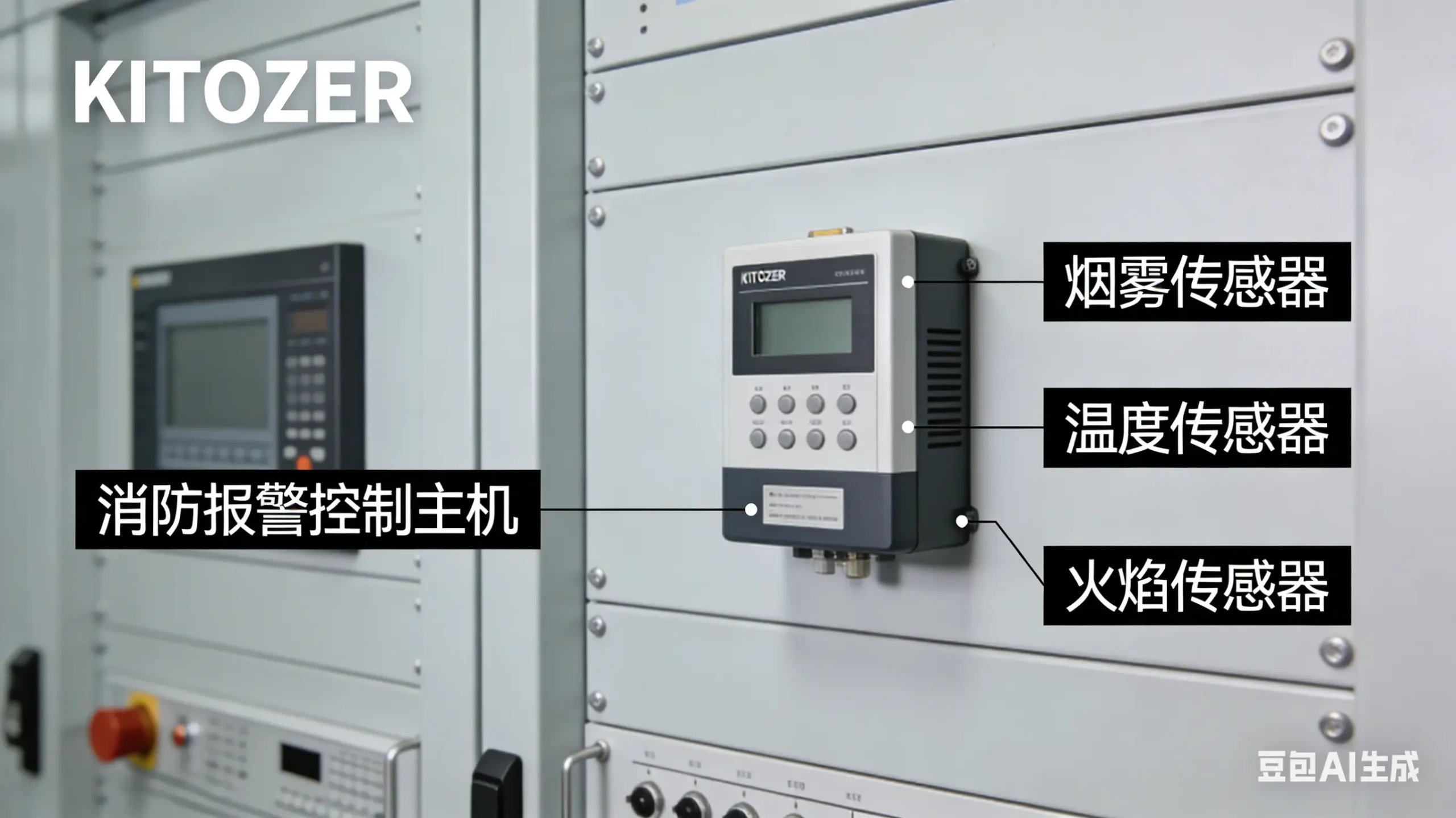
2. Detection: Finding Fire Before It Burns
2.1 Very Early Smoke Detection (Aspirating)
Aspirating systems (VESDA-type) draw air continuously through sampling pipes into a highly sensitive detector, catching the first microscopic particles of smoke — often 10-60 minutes before a visible fire. This window is the difference between investigating a smoking cable and replacing a rack. Aspirating detection is the recommended first layer in data centers.
2.2 Point Detection for Zone Confirmation
Photoelectric and heat detectors above the ceiling and under the raised floor confirm events by zone. Confirmation logic (two independent detectors, or detector plus manual call point) prevents accidental suppression discharge from a single false alarm.
2.3 Manual Release and Abort
Break-glass call points allow instant manual discharge where policy requires, while abort stations give trained staff a window to cancel a discharge if the alarm proves false — both wired with clear interlock logic.
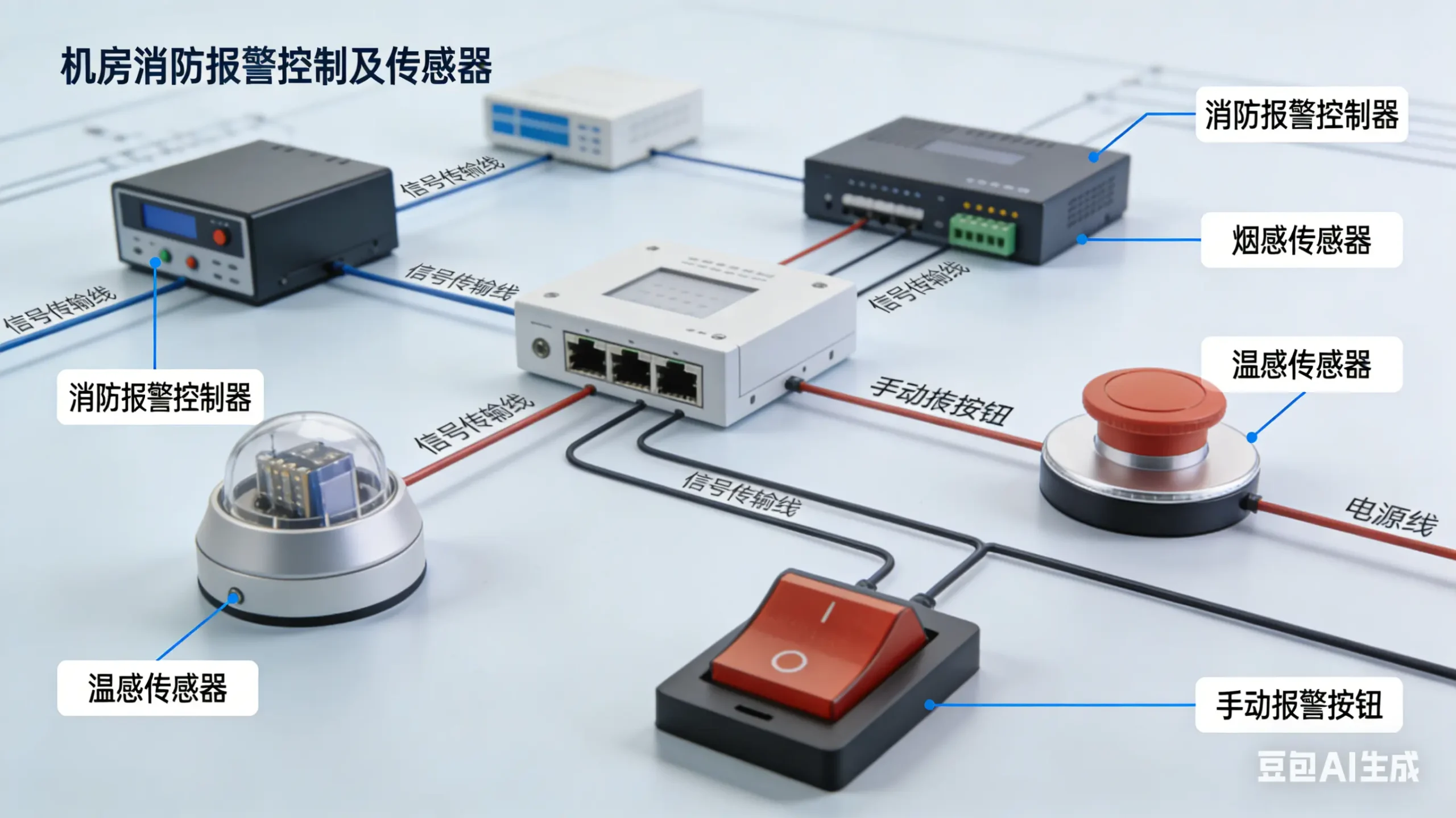
3. Suppression: The Right Agent, Released Correctly
Water is wrong for live electronics; data centers use clean agents: inert-gas or clean-agent suppression systems specified for the project that extinguish without damaging equipment and leave no residue. The suppression system is a certified, independent installation — but its release is an event the interlock system must manage: doors lock or release for evacuation, an evacuation delay counts down, ventilation isolates, and then gas discharges into the protected volume. Post-discharge, the system holds the atmosphere for a soak period before ventilation restores.
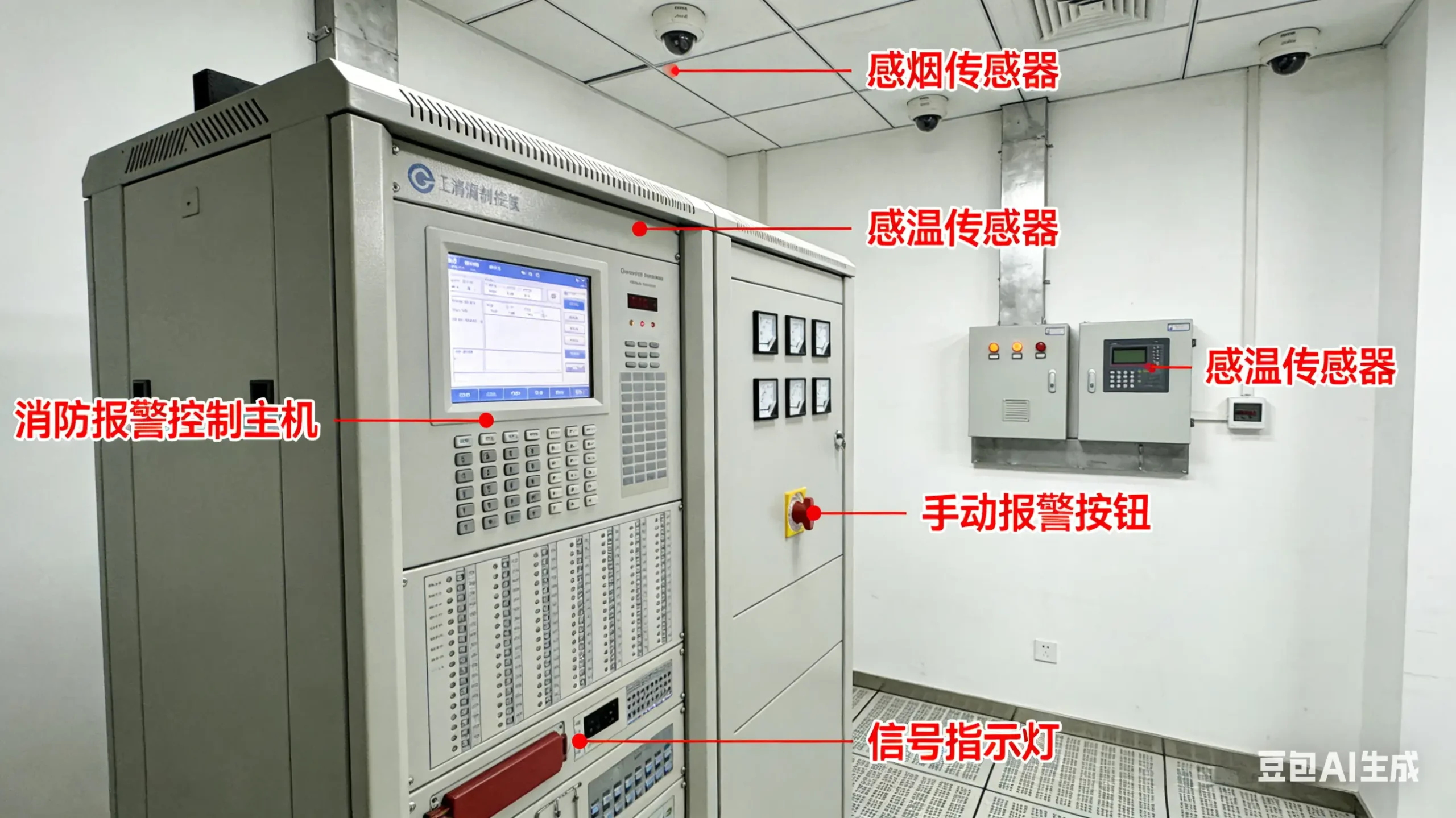
4. The Interlock Matrix: What Happens at Each Stage
| Stage | Detection State | Interlock Actions |
|---|---|---|
| Stage 1 — Alarm | First detector (aspirating) | Alert operators, display zone on monitoring screen, notify fire command |
| Stage 2 — Confirm | Second detector or manual call | Sound alarms, start evacuation announcement, prepare suppression |
| Discharge | Evacuation delay expires | Close dampers, stop precision AC supply, isolate ventilation, cut non-essential power, release gas, signal discharge |
| Post-discharge | Soak period | Hold atmosphere, monitor gas concentration, alarm on door opening |
Every action is documented in a cause-and-effect matrix agreed with the fire consultant and the authority having jurisdiction — the reference document that makes the system’s behavior predictable, testable and auditable.
5. HVAC and Power Interlocks
5.1 Precision AC and Dampers
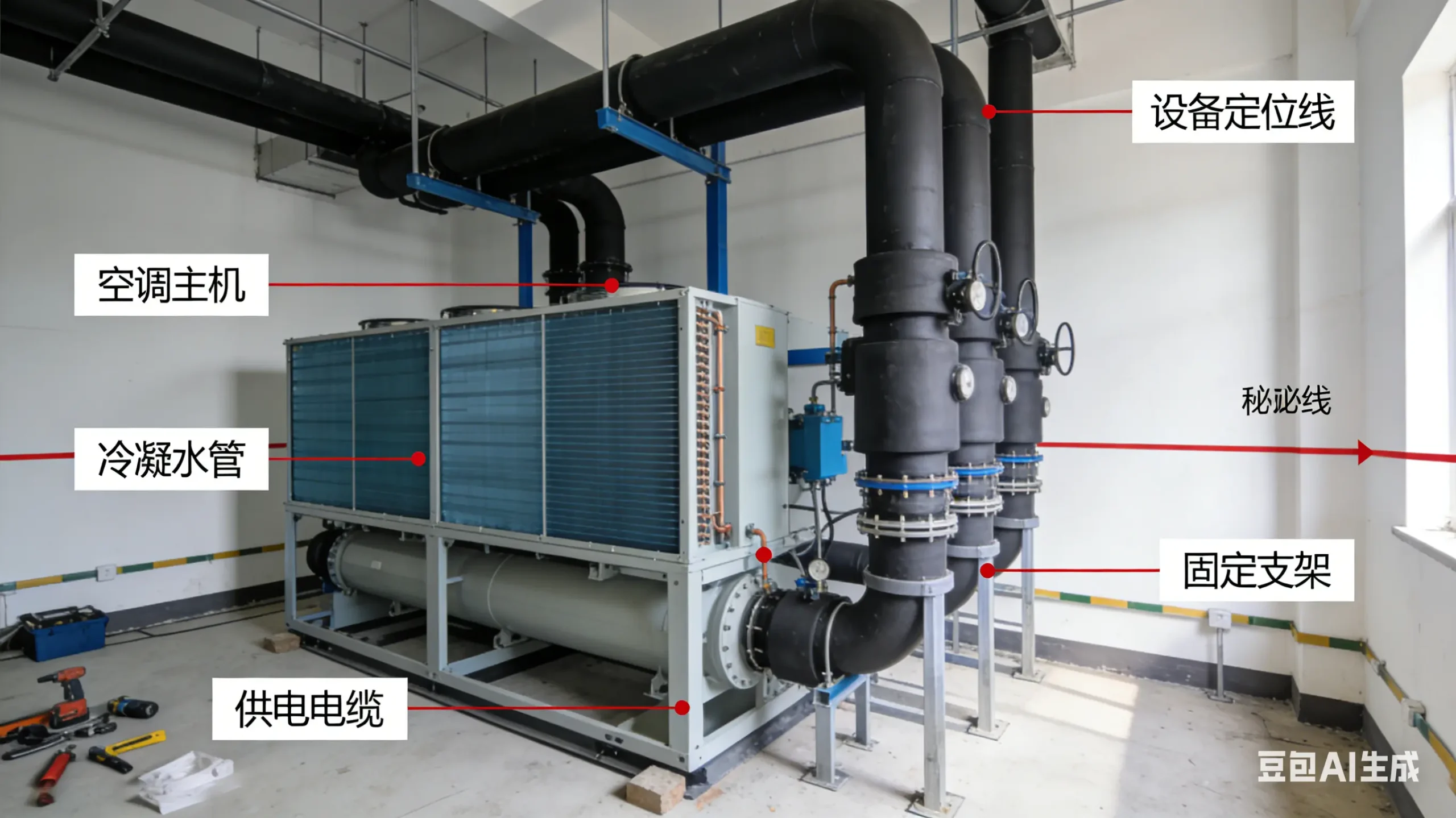
On confirmed fire, precision AC supply is interlocked off (or switched to fire mode) and fire dampers close — so suppression gas is not exhausted and smoke is contained. Supply and return fans follow the same logic per zone.
5.2 Power Isolation
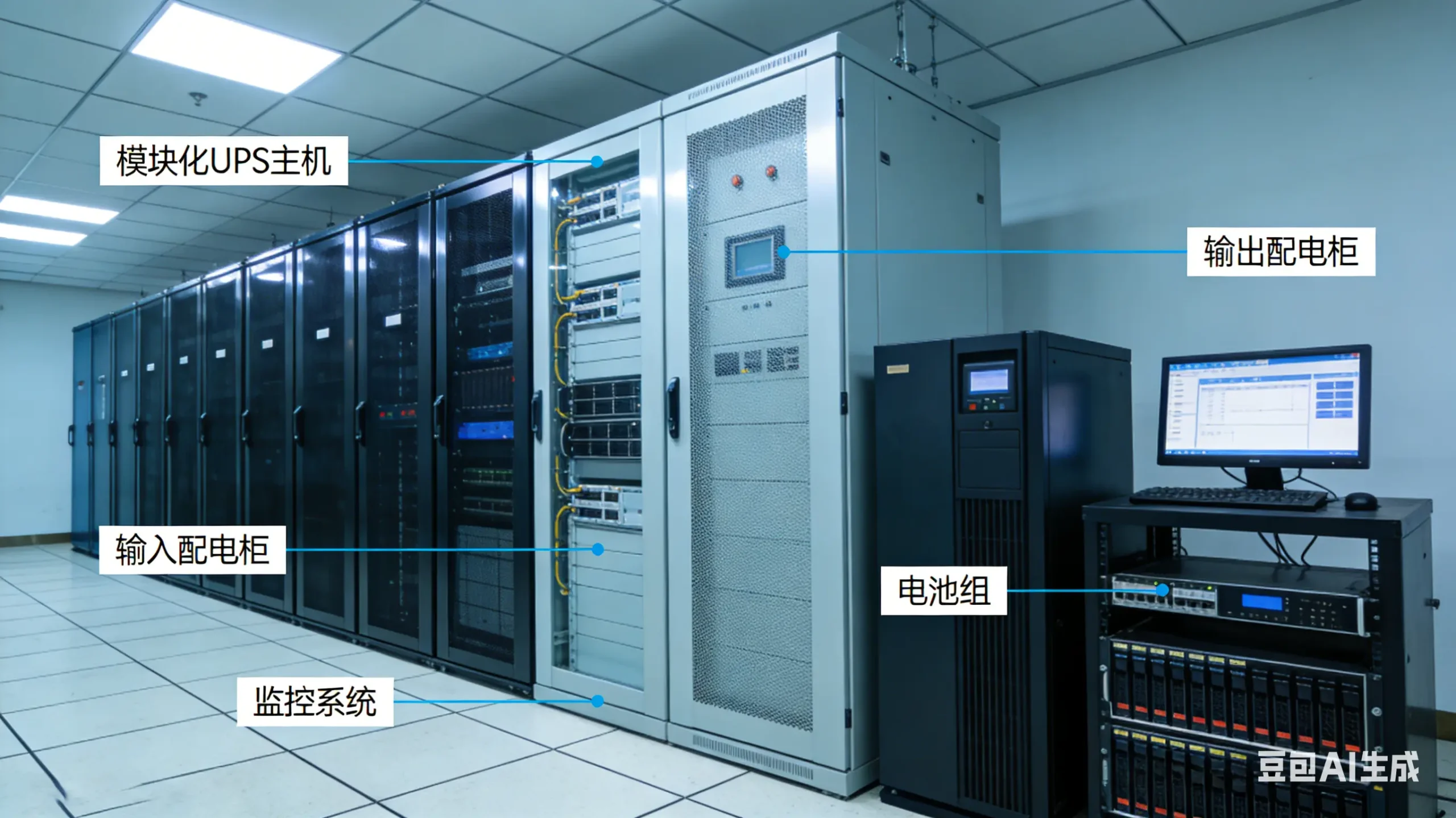
Non-essential power is isolated to remove ignition sources and protect firefighters; essential and emergency lighting remain on, and the sequence coordinates with ATS and generator logic. Equipment designed for fire-mode operation keeps critical safety systems powered under the approved scheme.
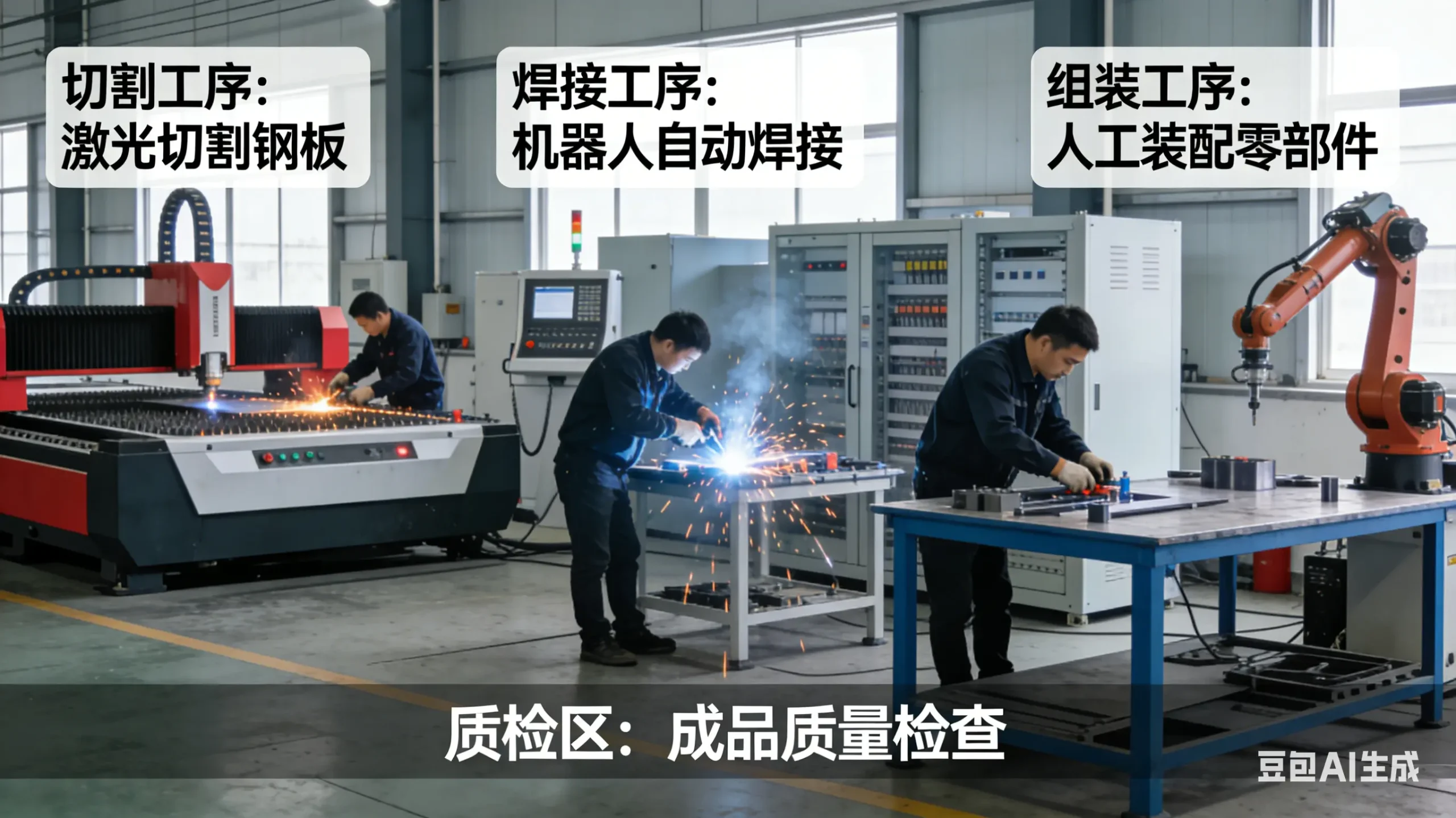
6. Integration with the Monitoring Platform
The fire system remains an independent, certified installation — interlock monitoring never replaces it. What integration adds is visibility: zone status, detector faults, suppression panel alarms and discharge events are displayed on the same platform as power and cooling, so during an incident the operations team has one picture. Event logs tie fire events to power and access records, supporting investigation and post-incident reporting.
7. Design and Engineering Process
- Risk and code review — occupancy, hazard classification, local fire code requirements.
- Detection and suppression design — zone layout, detector placement, agent quantity per protected volume.
- Interlock matrix — cause-and-effect table agreed with the consultant and authority.
- Panel and wiring integration — interface panels supervising existing or new systems via certified outputs.
- Programming — stage logic, delays and per-zone sequences implemented and documented.
- Testing — staged function tests per zone with records; operator training.
8. Testing: The Sequence Must Be Proven
An interlock system that is never tested is an assumption. Guangzhou Lain performs staged function tests: alarm-only tests exercise detection and notification; full-sequence tests simulate confirmed fire with gas-signal simulation (no actual discharge), verifying dampers, AC shutdown, power isolation and panel signaling step by step. Tests are recorded per zone, with corrective actions tracked to closure. Recommended routine: monthly visual and panel checks, quarterly staged tests, annual full-sequence tests with the fire brigade where required.
9. Retrofit: Adding Interlocks to an Existing Data Center
Existing rooms can gain coordinated fire response without replacing their fire system: certified interface panels supervise current detection and suppression, dry contacts or communication modules connect AC units, dampers and power distribution, and the interlock logic is programmed in the controller. Retrofit is phased per zone and executed during planned maintenance windows so the room keeps operating.
10. Standards and Compliance
Design follows local fire codes and referenced standards; suppression systems comply with the applicable gas-suppression standard; electrical interlocks follow low-voltage practice with proper segregation of fire-safety circuits. Documentation delivered includes the cause-and-effect matrix, as-built drawings, test records and certificates — the evidence auditors and insurers ask for.
11. Frequently Asked Questions
Data Center Fire Interlock FAQ
1. What is fire interlock monitoring in a data center?
It is the control logic and instrumentation that coordinates fire detection with suppression, HVAC, power and access systems, so the room follows a safe, automatic sequence when fire is confirmed.
2. Which suppression systems can be integrated?
Clean-agent, inert-gas, and aerosol suppression systems specified for the project can be integrated through their control panels; we program the interlock matrix and connect status/discharge signals.
3. How does very early detection help?
Aspirating (VESDA-type) systems detect the first particles of smoke — often 10-60 minutes before a visible fire — allowing investigation while equipment is safe and avoiding unnecessary gas discharge.
4. Does the system shut down the AC units?
On confirmed fire, precision AC supply is interlocked off (or switched to fire mode) and fire dampers close so suppression gas is not exhausted and smoke is contained.
5. Can it be added to an existing data center?
Yes — retrofit interlock panels supervise existing fire panels, AC units and power distribution via dry contacts or communication modules without replacing them.
6. How is the system tested?
Staged function tests (alarm only, then full sequence with gas simulation) are performed with your safety team, with records delivered at handover.
7. How are false discharges prevented?
Double-knock confirmation logic, pre-discharge alarms with evacuation delay, manual release stations and maintenance bypass modes are standard.
8. What is a cause-and-effect matrix?
A document defining exactly what happens at each stage and zone — which AC units stop, dampers close, power isolates, and when gas discharges — agreed with the fire consultant.
9. Does monitoring replace the fire alarm system?
No — the certified fire alarm and suppression system remains independent; interlock monitoring supervises and coordinates it, adding visibility.
10. What happens to essential power during a fire?
Non-essential power is isolated while essential and emergency systems remain powered per the approved scheme.
11. How often should interlocks be tested?
Monthly panel checks, quarterly staged tests and annual full-sequence tests are recommended; schedules follow code and insurance requirements.
12. What documentation is delivered?
Cause-and-effect matrix, as-built drawings, test records, certificates and operator training materials.
12. Related Solutions
- Data Center Fire Interlock Integration
- Data Center Monitoring System
- Electrical Room Environmental Monitoring
- Computer Room Fire Solutions
- Cabinet Access Control
About Guangzhou Lain Intelligent System Development Co., Ltd.
Guangzhou Lain Intelligent System Development Co., Ltd. engineers fire detection, suppression coordination and interlock systems for data centers and critical rooms worldwide. From single rooms to enterprise facilities, KITOZER provides design, manufacturing, integration, testing and after-sales service under one roof and exports worldwide.
Contact us for a free technical consultation:
- Company: Guangzhou Lain Intelligent System Development Co., Ltd.
- Address: 1st Floor, Building A, Chaotian Industrial Park, Zhongrun Industrial Park, Shilou Town, Panyu District, Guangzhou, Guangdong, China
- Tel/WeChat: +86 135-0923-8849 | +86 135-0923-8849
- WhatsApp: +86 135-0923-8849
- Email: zl19068534140@gmail.com
- Website: www.gdlain.com | Request a Quote
Typical response time: within one business day. Project references, drawings and samples are available on request.