1. Overview: What This FAQ Covers
Dust monitoring in a data center gives early warning of rising particulate levels — before they block filters, insulate heat sinks and corrode contacts, and long before they cause intermittent hardware faults that are almost impossible to trace. This page answers the questions facility managers ask when planning particulate monitoring for computer rooms.
Guangzhou Lain Intelligent System Development Co., Ltd. supplies data center dust and environment monitoring systems with laser particle sensors. The answers below reflect our standard practice and common ASHRAE/WHO-referenced guidance.
2. Why Dust Monitoring Matters
2.1 Why monitor dust in a data center?
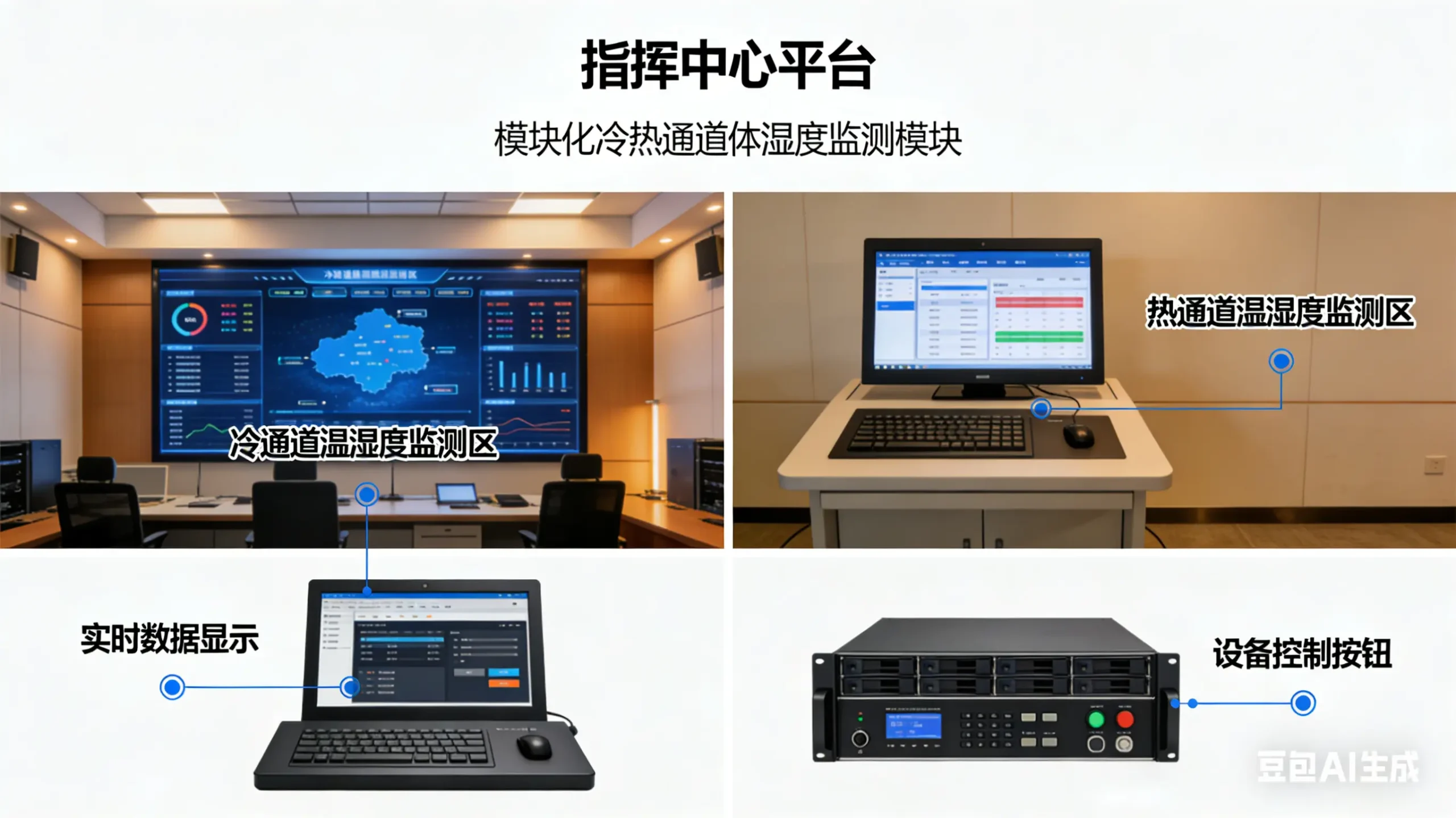
Dust blocks filters, insulates heat sinks and can corrode contacts. Monitoring gives early warning of rising particulate levels so you can act before it affects cooling efficiency or causes intermittent hardware faults. The failures dust causes are the worst kind — random, intermittent and expensive to diagnose — so prevention beats troubleshooting.
2.2 What exactly is measured?
Typically PM2.5 and PM10 mass concentration (µg/m³) with laser particle sensors, plus temperature, humidity and differential pressure where useful for interpretation. Particulate mass tells you the load; differential pressure across filters tells you when the filter itself is the bottleneck.
3. Placement and Thresholds
3.1 Where should sensors be installed?
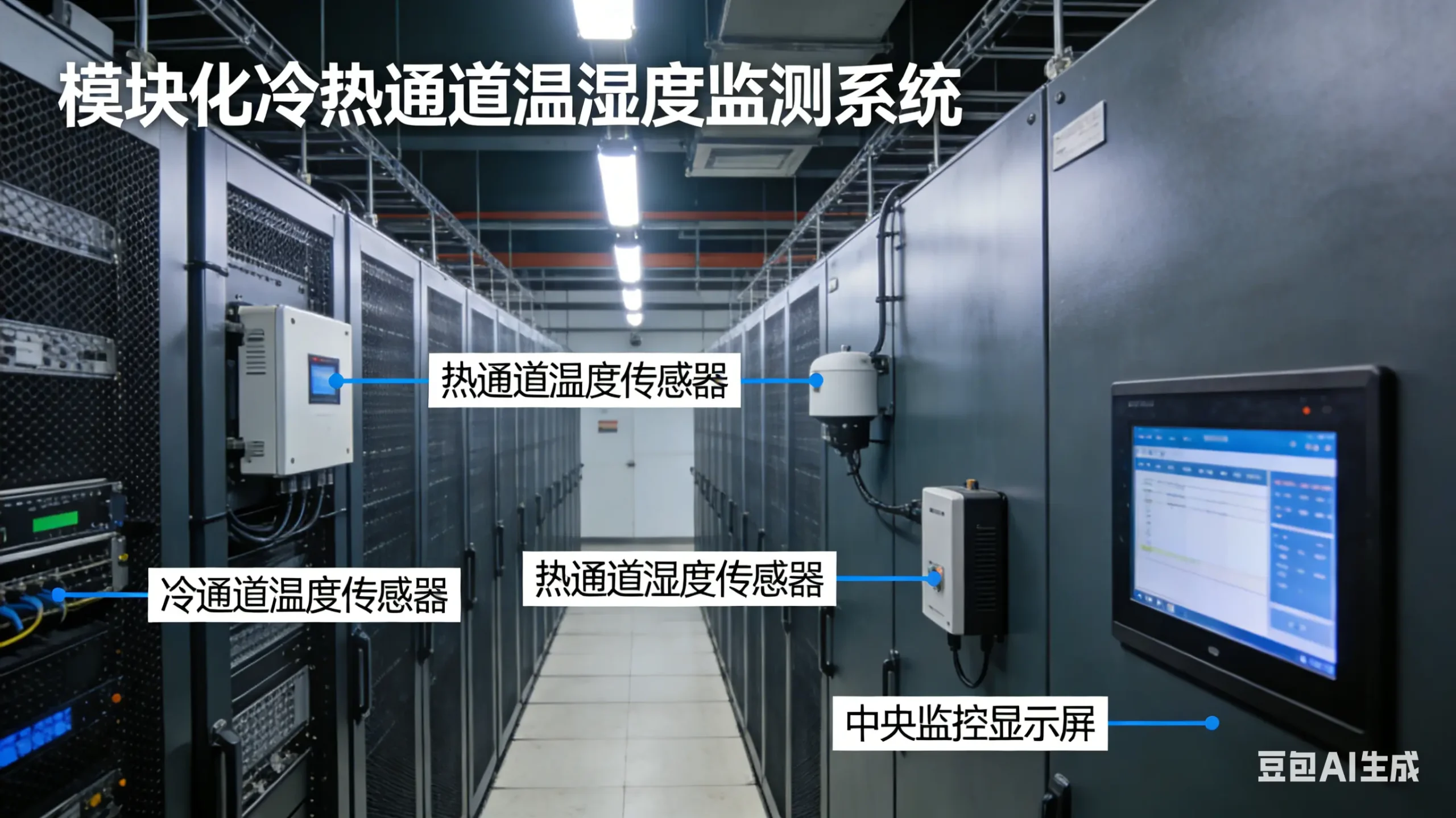
At AC return air, near doorways and cable entry points (main intrusion paths), and in cold aisles at rack level. One to three points cover most rooms. Sensor counts follow the intrusion paths — most dust enters through doors and cable openings, so that is where the earliest signal appears.
3.2 What alarm thresholds are recommended?
Common practice alarms at PM2.5 above 35 µg/m³ (24h guidance) with a warning earlier at ~25 µg/m³, and at filter differential pressure above the manufacturer limit. Warning levels are set so the response is routine — checking door seals and filter state — rather than an emergency.
4. Integration and Maintenance
4.1 Can it connect to the existing monitoring platform?
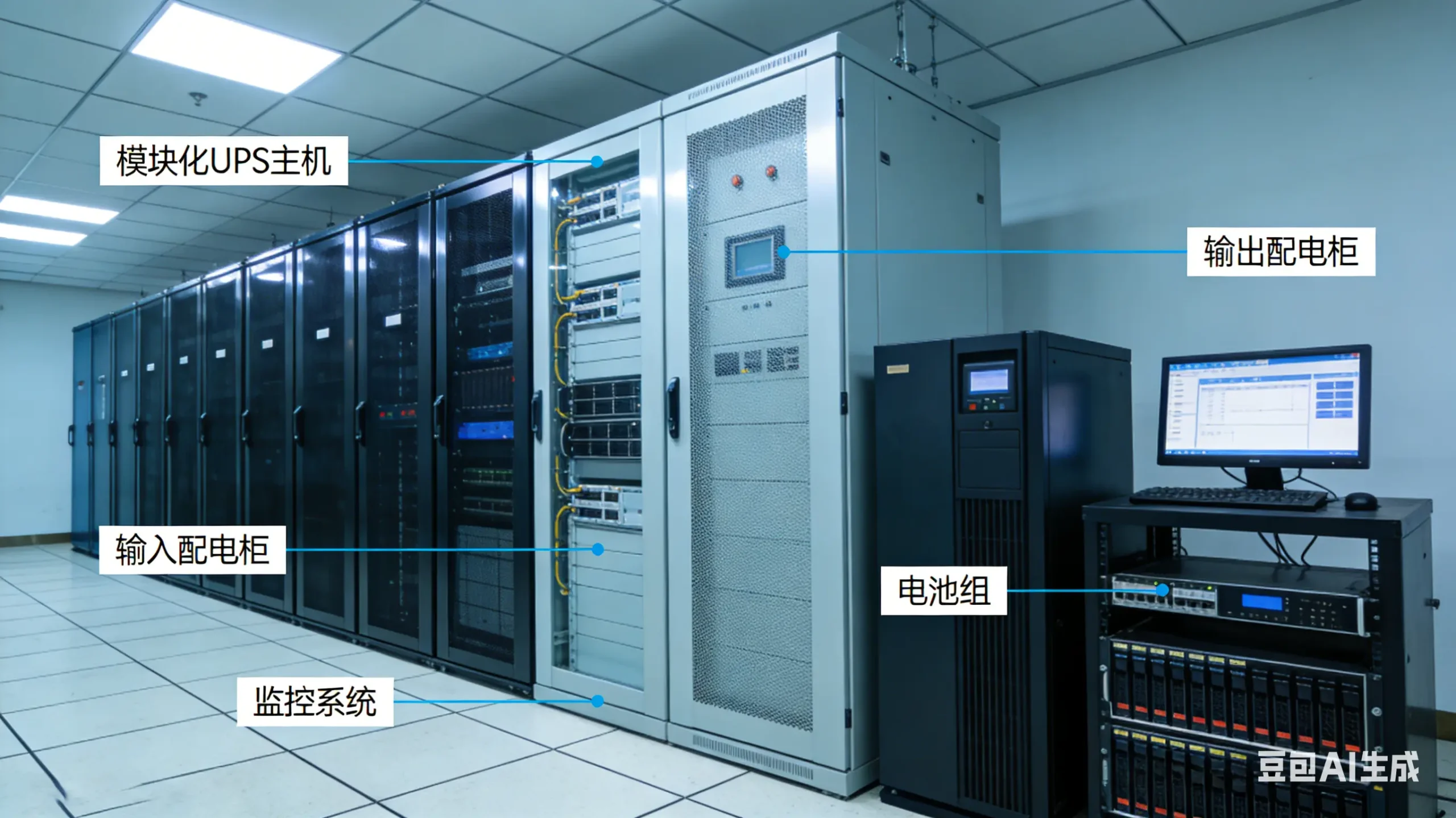
Yes — sensors report over RS485/Modbus or Ethernet, so data can be added to your current environment monitoring or DCIM platform. One platform then shows particulate, temperature, humidity and power together, which is how correlations (construction nearby, filter aging, season) become visible.
4.2 Does monitoring replace filter maintenance?
No — it optimizes it. You replace filters based on measured differential pressure and dust trends instead of fixed calendar intervals, saving cost while protecting equipment. Filters are changed when they need it, not when the calendar says so — and never after they have already starved the cooling system.
5. Operations
5.1 What triggers a dust alarm event in practice?
Common events: nearby construction or demolition, open loading doors, renovation of adjacent floors, and poor housekeeping in the room. When an alarm correlates with an event, the fix is usually sealing and scheduling — which is exactly the kind of action a monitoring trend makes obvious.
5.2 How do I know my room is clean enough?
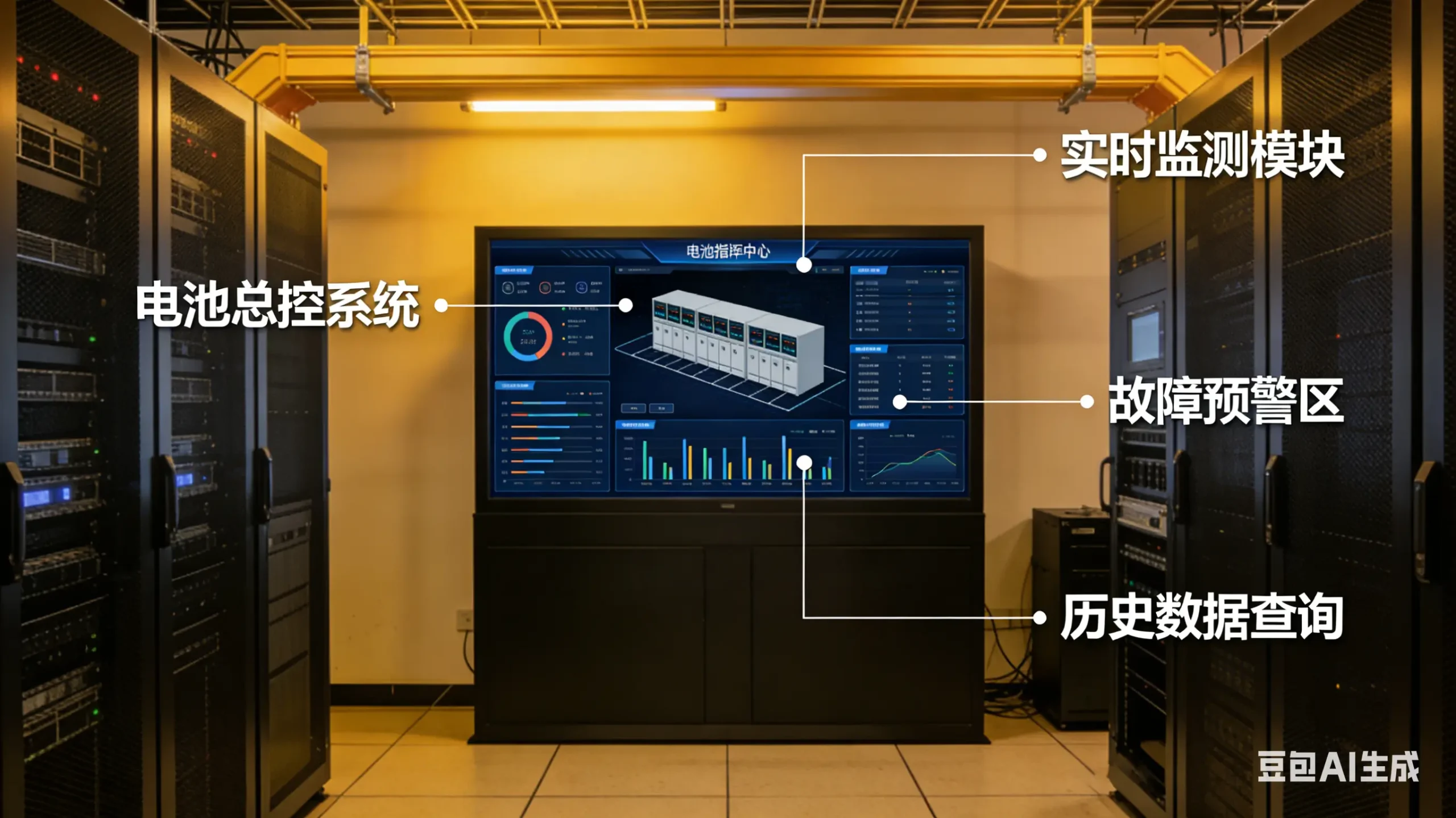
The trend tells you: stable low PM readings with alarms only during known events, and no rising baseline. Periodic review of weekly averages keeps the picture clear even when no single alarm fires — a slow filter-loading trend is visible in the data long before the differential-pressure limit.
6. Frequently Asked Questions — Quick Reference
Data Center Dust Monitoring FAQ
1. Why monitor dust in a data center?
Dust blocks filters, insulates heat sinks and corrodes contacts; monitoring gives early warning of rising particulates before cooling efficiency drops or intermittent faults appear.
2. What exactly is measured?
PM2.5 and PM10 mass concentration (µg/m³) with laser particle sensors, plus temperature, humidity and differential pressure for interpretation.
3. Where should sensors be installed?
At AC return air, near doorways and cable entry points, and in cold aisles at rack level; one to three points cover most rooms.
4. What alarm thresholds are recommended?
Alarm at PM2.5 above 35 µg/m³ (24h guidance) with warning at ~25 µg/m³, and at filter differential pressure above the manufacturer limit.
5. Can it connect to the existing monitoring platform?
Yes — RS485/Modbus or Ethernet reporting adds data to your current environment monitoring or DCIM platform.
6. Does monitoring replace filter maintenance?
No — it optimizes it: filters are replaced on measured differential pressure and dust trends instead of fixed calendar intervals.
7. How many sensors does a room need?
Typically one to three points following the intrusion paths — AC return, doorways and cable entries — scaling with room size and exposure.
8. What are the typical causes of dust events?
Nearby construction, open loading doors, renovation and poor housekeeping — all visible as alarm correlations in the trend data.
9. Can it also watch filter status?
Yes — differential pressure sensors track filter loading and alarm before airflow is starved.
10. What documentation is provided?
Sensor calibration certificates, placement drawings, platform setup and threshold configuration records at handover.
7. Related Solutions
- Data Center Dust Monitoring System: Complete Guide
- Data Center Fire Interlock Monitoring
- Precision Temperature & Humidity Monitoring
- Data Center Monitoring System
- Electrical Room Environmental Monitoring
About Guangzhou Lain Intelligent System Development Co., Ltd.
Guangzhou Lain Intelligent System Development Co., Ltd. supplies data center dust and environment monitoring systems that protect cooling efficiency and hardware reliability worldwide. From single rooms to enterprise facilities, KITOZER provides design, manufacturing, integration, testing and after-sales service under one roof and exports worldwide.
Contact us for a free technical consultation:
- Company: Guangzhou Lain Intelligent System Development Co., Ltd.
- Address: 1st Floor, Building A, Chaotian Industrial Park, Zhongrun Industrial Park, Shilou Town, Panyu District, Guangzhou, Guangdong, China
- Tel/WeChat: +86 13922289957 | +86 18520668845 | +86 13538869979
- WhatsApp: +86 19068534140
- Email: zl19068534140@gmail.com
- Website: www.gdlain.com | Request a Quote
Typical response time: within one business day. Project references, drawings and samples are available on request.