1. Overview: What This FAQ Covers
Edge computing containers bring data center infrastructure to the place where data is created — a factory, mine, hospital campus, cell site or remote station. Because they are factory-integrated micro data centers, buyers usually have the same practical questions: how much IT can fit inside, how power and cooling work, how fast it can be deployed, and whether it can run unattended. This page answers those questions directly.
Guangzhou Lain Intelligent System Development Co., Ltd. manufactures edge computing containers and containerized data centers with racks, power, cooling, fire protection, security and monitoring integrated and load-tested in the factory. The answers below reflect our standard engineering practice.
2. What Is an Edge Computing Container?
2.1 Basic definition
An edge computing container is a self-contained micro data center built inside a standard shipping container — including racks, power, cooling, fire suppression, access control and monitoring — delivered ready to run after power and network connection. Everything is integrated and tested before shipment, so the unit behaves like a small data hall that happens to arrive on a truck.
2.2 What is inside a typical unit?
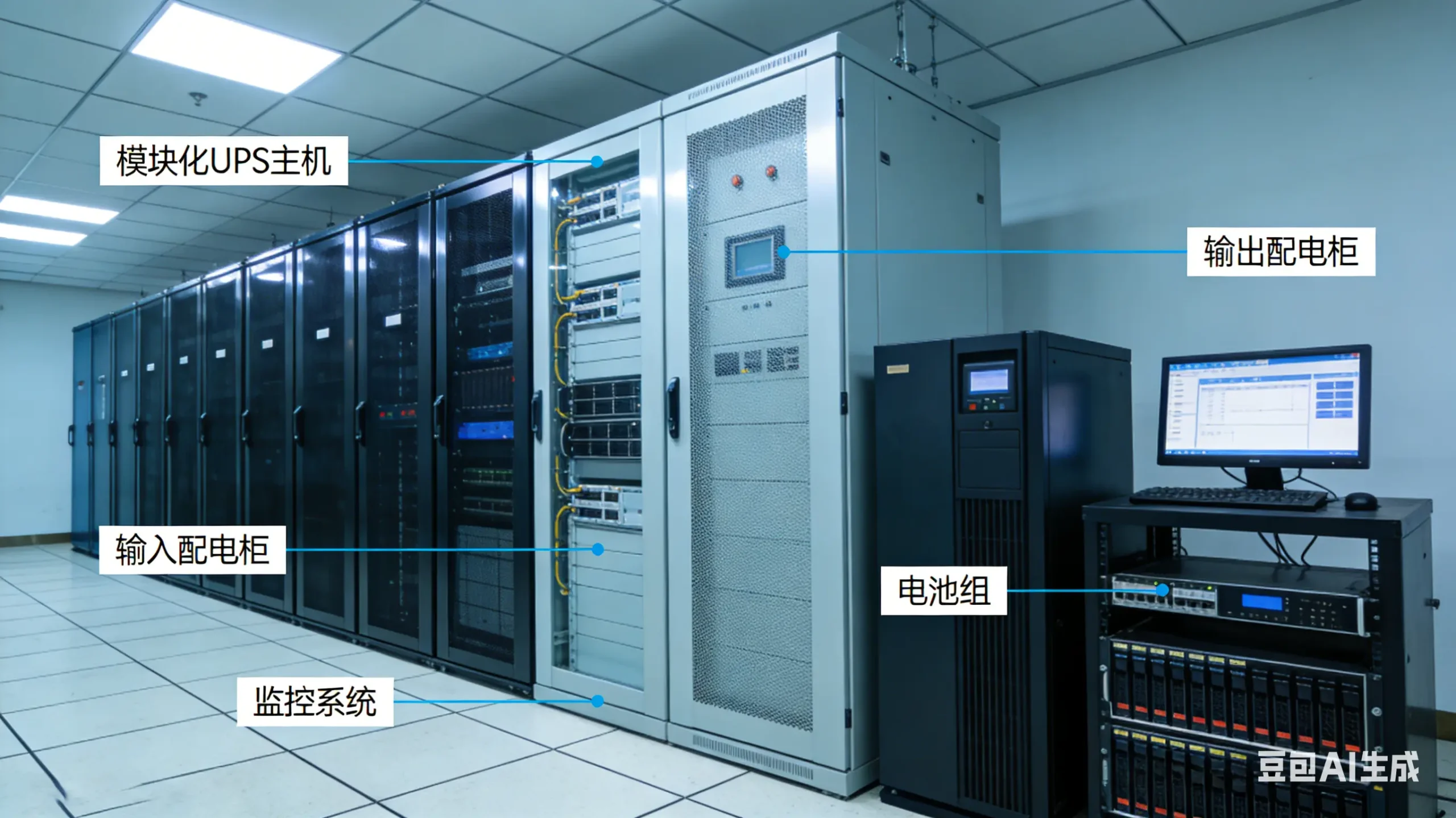
Typical contents are 19″ IT racks, a UPS with battery backup, precision cooling, an environment and power monitoring system, very early smoke detection with inert gas suppression, access control with CCTV, and the cabling to interconnect it all. Factory integration means the interfaces between subsystems are proven before the container leaves the plant — the riskiest part of conventional site-built computer rooms is designed out.
3. Capacity and Configuration
3.1 How many servers or racks can it hold?
A 20 ft container typically hosts 6-12 racks and a 40 ft unit 12-24 racks, depending on power density, usually 3-10 kW per rack. Higher-density configurations are possible with liquid cooling or optimized airflow layouts. Configurations are tailored to the actual IT load rather than fixed — you specify the servers, storage and network equipment, and the internal layout is engineered around them.
3.2 Can racks be sized for my equipment?
Yes — standard 19″ racks with adjustable mounting rails accept almost all commercial servers, storage arrays and network gear, with copper and fiber cabling managed through overhead or under-floor routes. Hot/cold aisle containment keeps airflow predictable at any density within the design envelope.
4. Power and Backup
4.1 What power and backup are available?
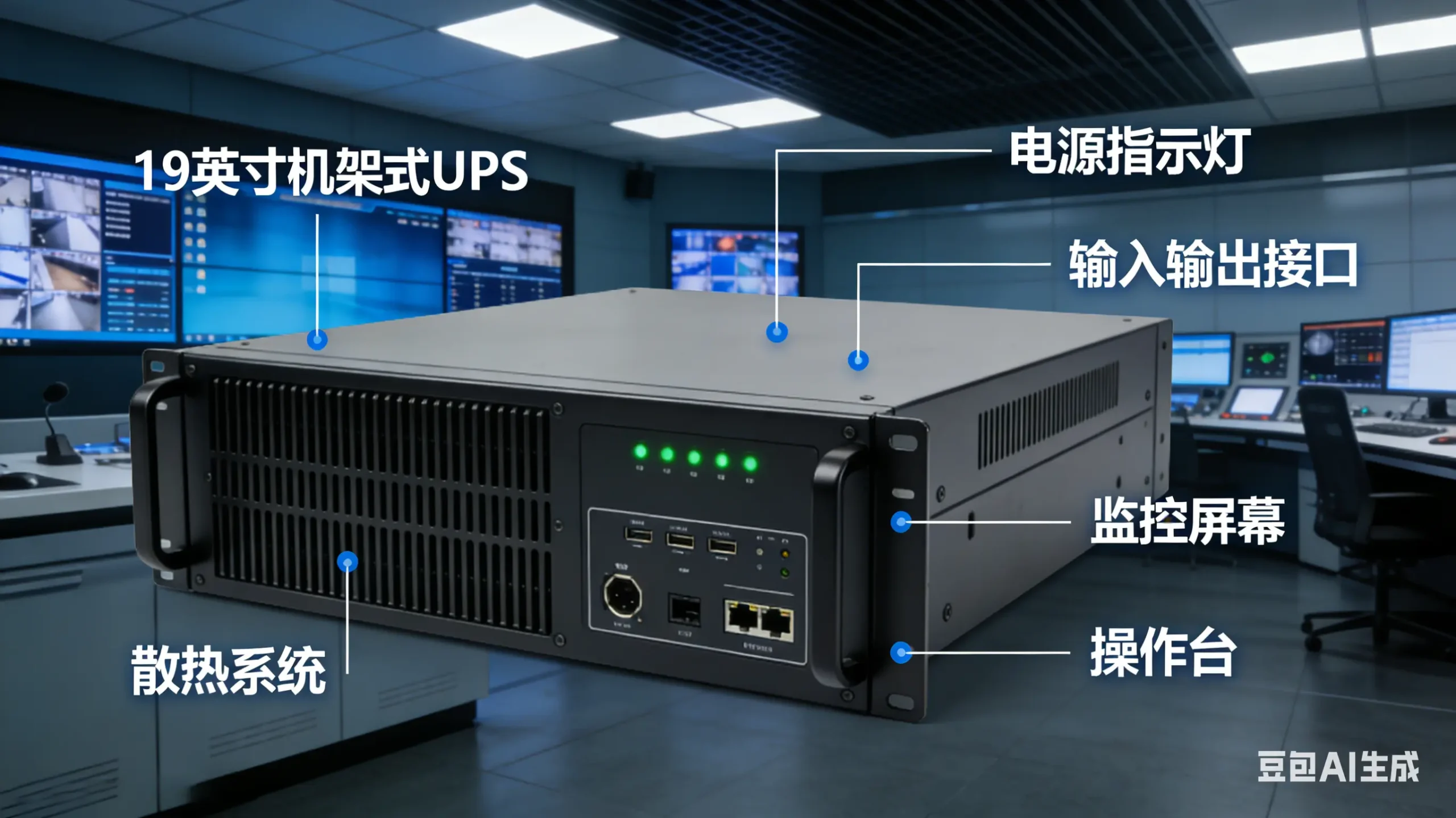
UPS ratings commonly range from 20 to 200+ kVA with LiFePO4 battery backup sized for 5-30 minutes (or longer on request); generator or solar-hybrid options extend runtime indefinitely for remote sites. The power chain is the same engineering used in permanent data centers — ATS transfer, AC/DC distribution, surge protection and full metering — compressed into the container’s footprint.
4.2 How is redundancy arranged?
N+1 cooling units, parallel or dual UPS modules, dual feeds and optional second containers provide the redundancy level you target. Because the unit is modular, redundancy can also mean a second container rather than overbuilding one — capacity grows as demand grows.
5. Cooling in Hot Climates
5.1 How is cooling handled in hot climates?
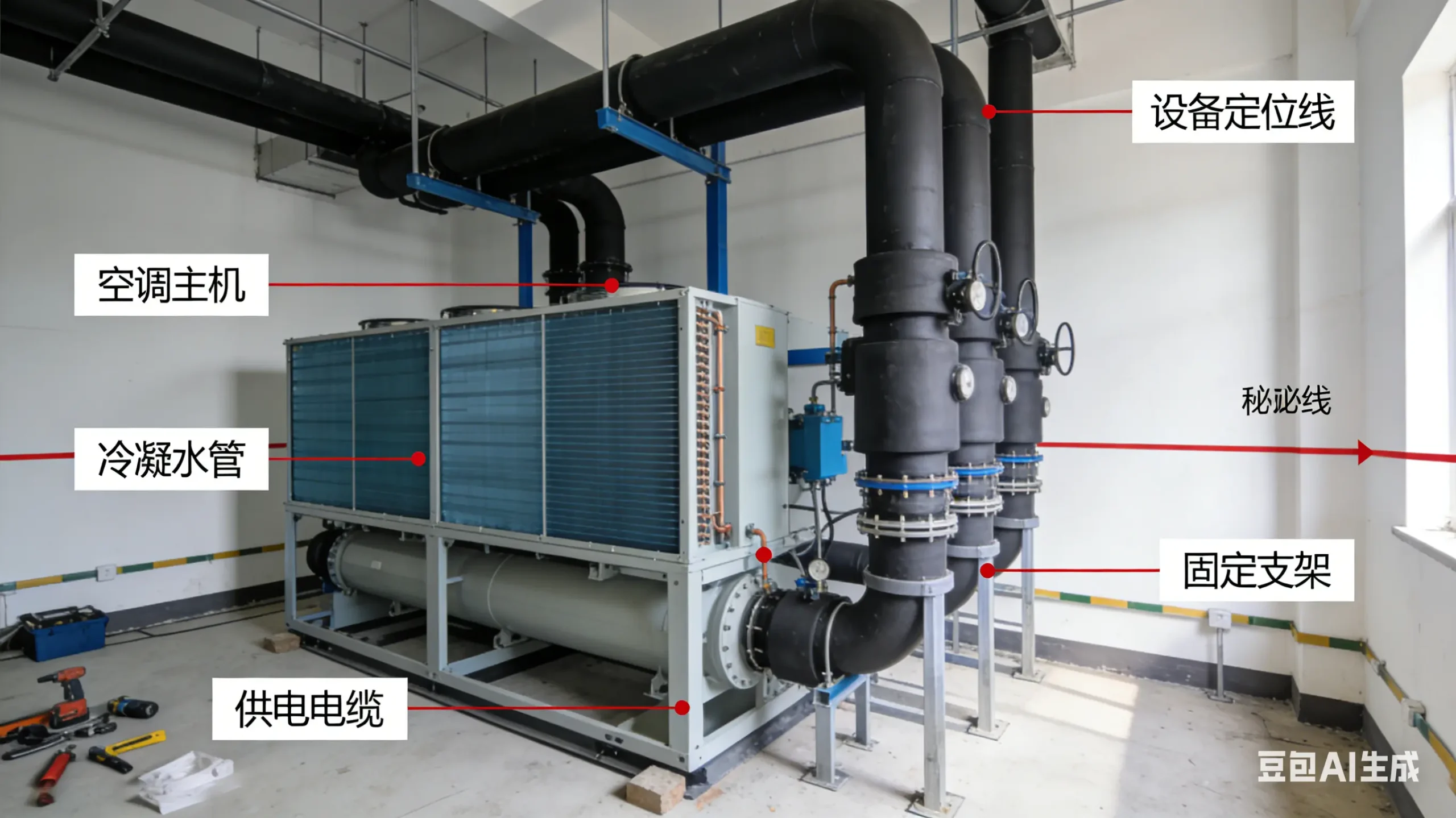
Precision AC is the standard baseline; for hot or dusty locations, indirect free-cooling (such as indirect evaporative or air-side economizer systems) and higher-capacity units are selected. Cooling is always sized from the IT heat load plus the container’s solar gain at the site’s design ambient temperature — not guessed from the number of racks alone.
5.2 Does outside air enter the IT space?
With indirect free-cooling the IT space stays sealed: heat is rejected through an air-to-air or air-to-liquid exchanger, so outdoor dust, humidity and pollution never reach the servers. This matters at mine sites, coastal installations and industrial areas where direct fresh-air cooling would shorten equipment life.
6. Deployment Speed
6.1 How fast can it be deployed?
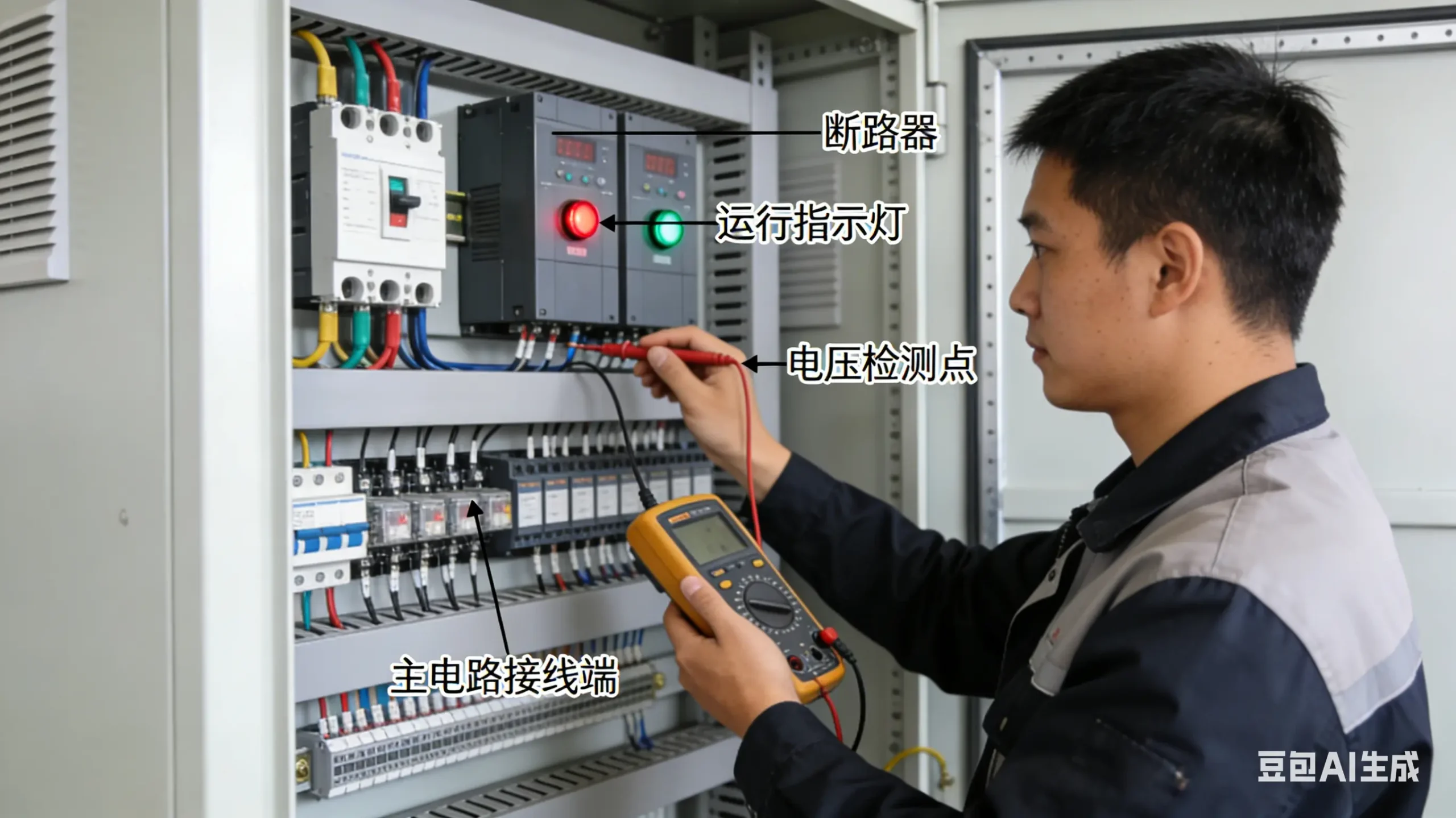
Factory build and testing typically take 4-8 weeks; on-site deployment — foundation or pad, power connection, network connection and commissioning — is usually 1-2 weeks. Total time from order to production is typically six to ten weeks, compared with many months for a conventional data hall.
6.2 What site preparation is needed?
A level hard-standing pad sized for the container’s footprint and weight, a utility feed (mains, generator or solar), and a network uplink. The factory handles integration and full load-bank testing before delivery, so site work is hookup and commissioning rather than construction.
7. Security and Remote Monitoring
7.1 Is it secure and monitored remotely?
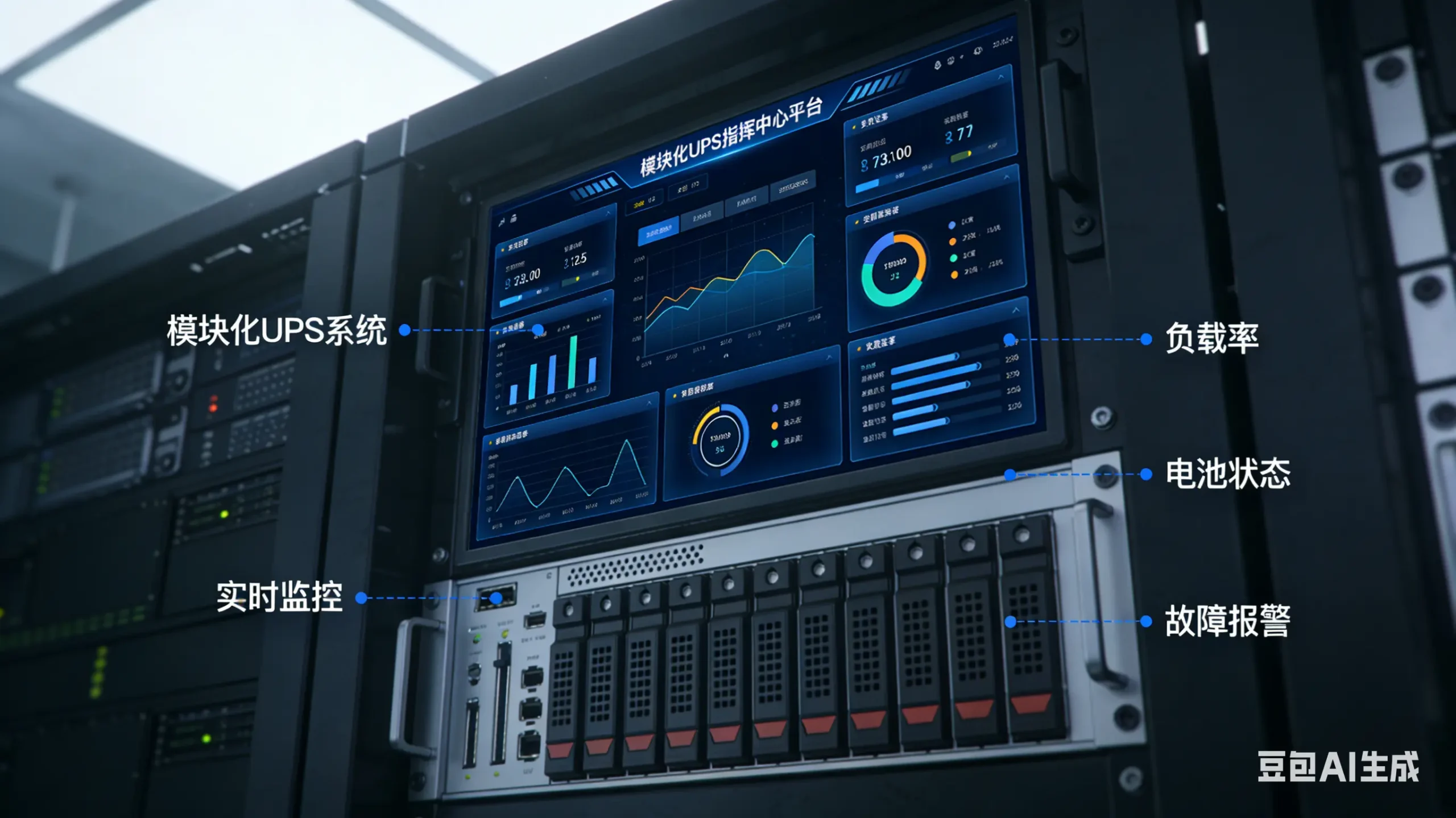
Yes — access control with credential logging, CCTV, environmental monitoring and a remote management platform are included, so the container operates unattended with alarms routed to your NOC or mobile app. Every door event, temperature excursion or power alarm generates a notification and a time-stamped record.
7.2 Can it connect to our existing platform?
Monitoring integrates over TCP/IP or 4G with your NOC, DCIM or cloud platform using standard protocols (SNMP, Modbus, REST), so the edge container becomes one more managed site rather than a silo. Remote secure access to the IT equipment is provided without requiring a site visit for routine tasks.
8. Frequently Asked Questions — Quick Reference
Edge Computing Container FAQ
1. What is an edge computing container?
A self-contained micro data center built inside a standard container — racks, power, cooling, fire suppression, security and monitoring — delivered ready to run after power and network connection.
2. How many servers or racks can it hold?
A 20 ft container typically hosts 6-12 racks and a 40 ft unit 12-24 racks at 3-10 kW per rack; layouts are tailored to the IT load.
3. What power and backup are available?
UPS from 20 to 200+ kVA with LiFePO4 backup of 5-30 minutes; generator or solar-hybrid options extend runtime indefinitely.
4. How is cooling handled in hot climates?
Precision AC is standard; indirect free-cooling and higher-capacity units are used in hot or dusty locations, sized from heat load plus solar gain.
5. How fast can it be deployed?
Factory build and test 4-8 weeks; on-site deployment and commissioning usually 1-2 weeks — typically six to ten weeks total.
6. Is it secure and monitored remotely?
Yes — access control, CCTV, environmental monitoring and remote management are included, with alarms to your NOC or mobile app.
7. What fire protection is inside?
Very early aspirating smoke detection with inert gas suppression, coordinated with power isolation and remote alarms.
8. Can the container be relocated later?
Yes — units are transportable by standard container logistics and can be moved when the operation moves, preserving the investment.
9. What redundancy options exist?
N+1 cooling, parallel or dual UPS modules, dual feeds, or a second container — matched to your tier objective.
10. What documentation is delivered?
Design documents, factory test reports, as-built drawings, operating manuals and maintenance schedules at handover.
9. Related Solutions
- Edge Computing Container: Complete Solution Guide
- Climate-Controlled Container
- Containerized Data Center Solutions
- Data Center Monitoring System
- General Outdoor Cabinets
About Guangzhou Lain Intelligent System Development Co., Ltd.
Guangzhou Lain Intelligent System Development Co., Ltd. manufactures edge computing containers and containerized data centers — racks, UPS power, precision cooling, fire protection and remote monitoring integrated in one factory-tested module. From single rooms to enterprise facilities, KITOZER provides design, manufacturing, integration, testing and after-sales service under one roof and exports worldwide.
Contact us for a free technical consultation:
- Company: Guangzhou Lain Intelligent System Development Co., Ltd.
- Address: 1st Floor, Building A, Chaotian Industrial Park, Zhongrun Industrial Park, Shilou Town, Panyu District, Guangzhou, Guangdong, China
- Tel/WeChat: +86 135-0923-8849 | +86 135-0923-8849
- WhatsApp: +86 135-0923-8849
- Email: zl19068534140@gmail.com
- Website: www.gdlain.com | Request a Quote
Typical response time: within one business day. Project references, drawings and samples are available on request.