1. Overview: What This FAQ Covers
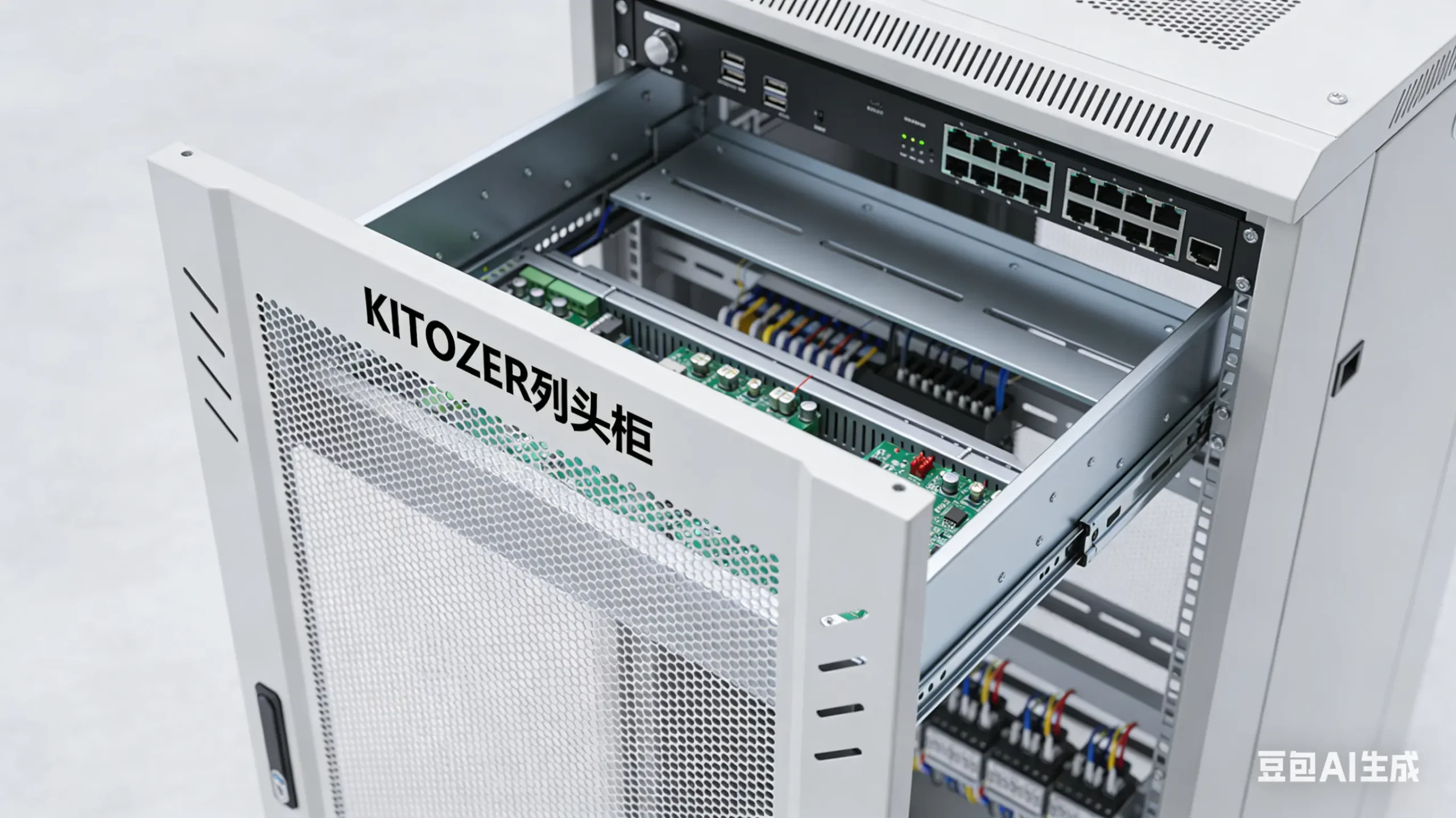
A cabinet thermal control module removes the heat that a sealed or outdoor cabinet cannot shed through its own surface — keeping electronics inside their operating window in hot rooms, dusty environments and outdoor sites. This page answers the questions engineers ask when selecting cooling for racks and cabinets.
Guangzhou Lain Intelligent System Development Co., Ltd. supplies cabinet thermal control modules — fans, heat exchangers, cabinet AC and thermoelectric coolers — for IT, telecom and industrial cabinets. The answers below reflect our standard range and sizing practice.
2. When Cooling Is Needed
2.1 When does a cabinet need a thermal control module?
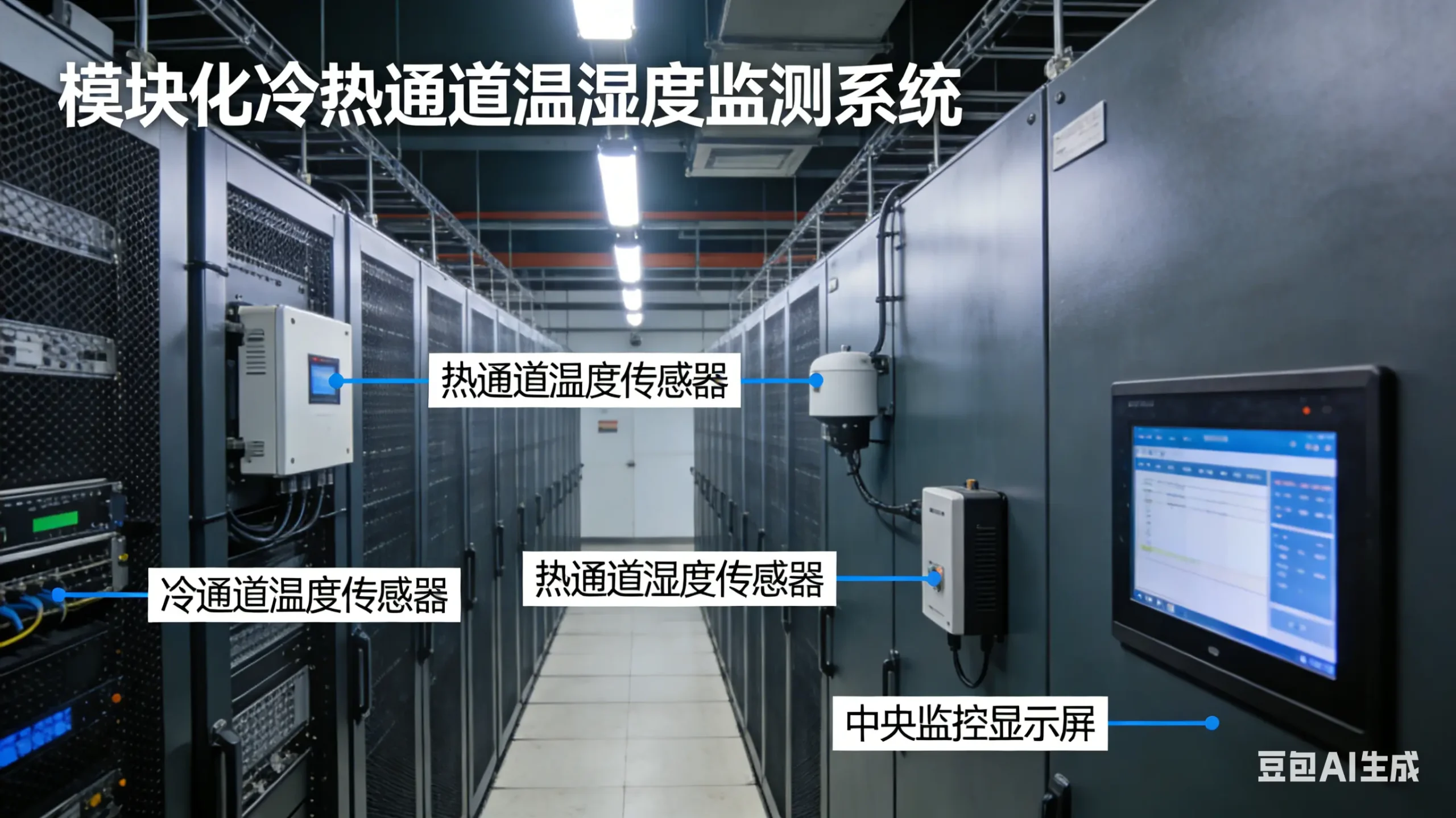
When internal heat load exceeds what cabinet surface and natural ventilation can dissipate — typically above a few hundred watts in a sealed rack, or anytime the room is hot or dusty and closed-loop cooling is preferred. The decision is a heat balance: load plus solar gain versus what the enclosure can shed naturally.
2.2 What happens without active cooling?
Temperatures climb until components derate or fail — and the failures are the hard-to-trace kind, because heat stress shows up as intermittent errors in summer or at peak load. Keeping the cabinet inside its window protects both hardware life and the applications they run.
3. Options and Sizing
3.1 What are the cooling options?
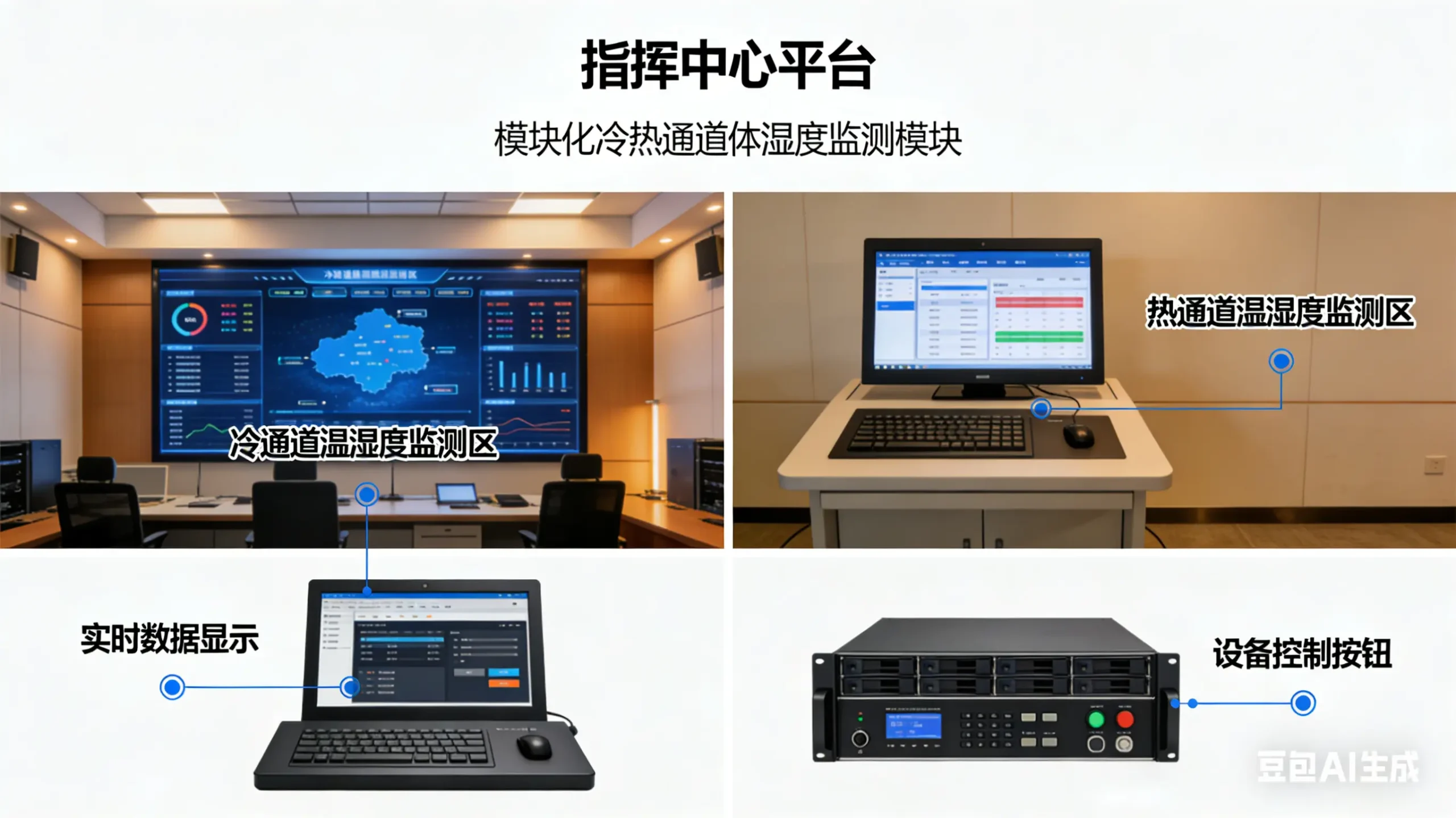
Fan ventilation (lowest cost, for moderate loads), air-to-air heat exchangers (closed loop, no compressor), cabinet AC (full cooling for sealed/hot environments), and thermoelectric coolers (quiet, for sensitive electronics). The ladder runs from moving air to refrigerating it, with cost and capability rising together.
3.2 How do I calculate the cooling capacity I need?
Add the heat load of all equipment (roughly equal to nameplate power in watts), add solar gain for outdoor cabinets, and select a module with capacity above the total with 20–30% margin. The margin absorbs fan aging, filter loading and future equipment additions — under-sizing is the most common installation mistake.
4. Power and Monitoring
4.1 Can modules work with DC power (e.g. -48V)?
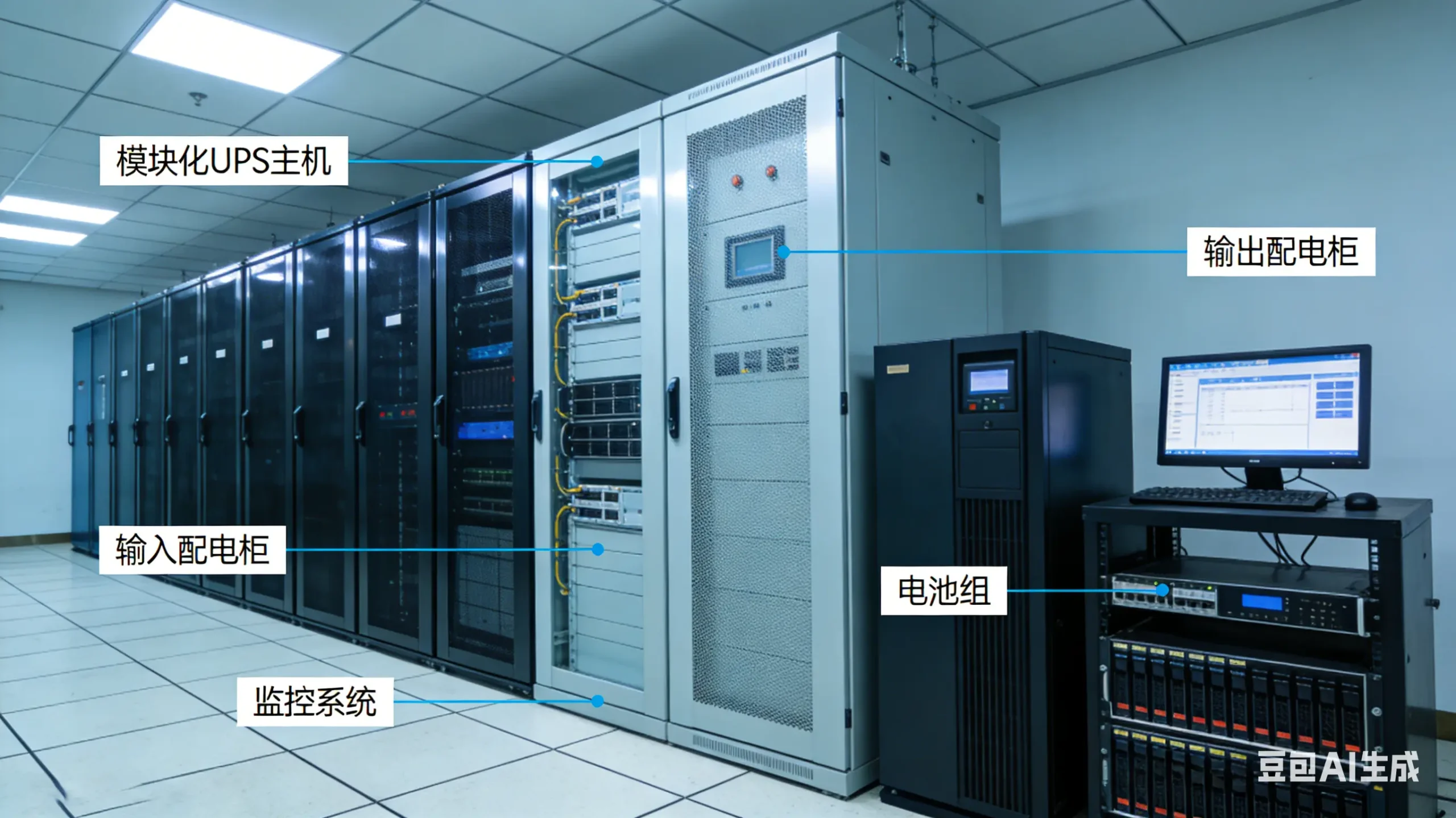
Yes — DC-powered fan and cooling modules are available for telecom cabinets, avoiding an extra AC inverter and improving overall efficiency. DC operation suits sites that already run -48 V distribution, removing a conversion stage and its losses.
4.2 Are the modules monitored?
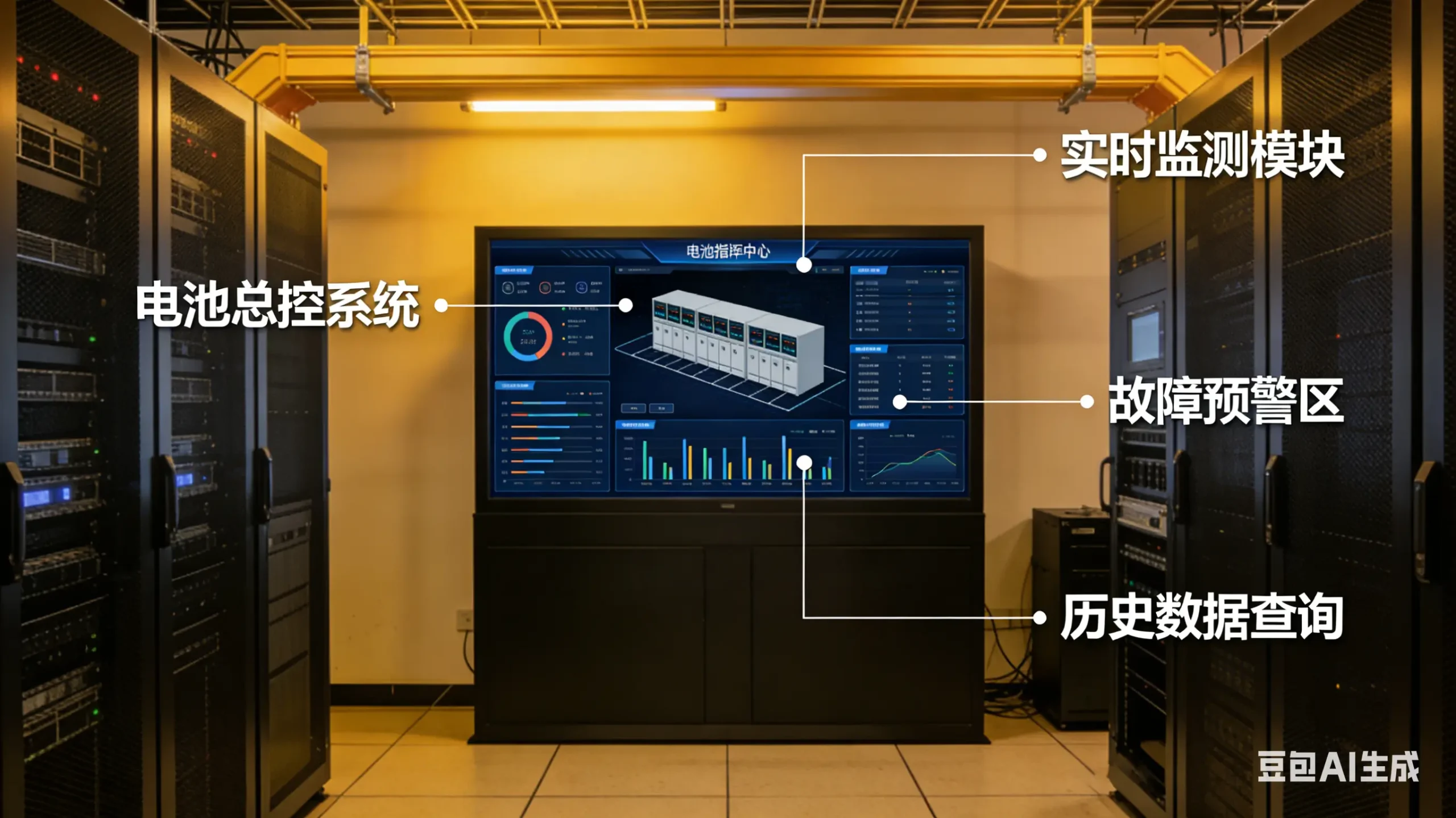
Smart versions report temperature, fan/compressor status and filter blockage to the site controller or monitoring platform, enabling predictive maintenance. A failing fan or clogging filter is flagged before the cabinet overheats — the difference between a scheduled fix and an outage.
5. Retrofit and Operation
5.1 Can a module be retrofitted to an existing cabinet?
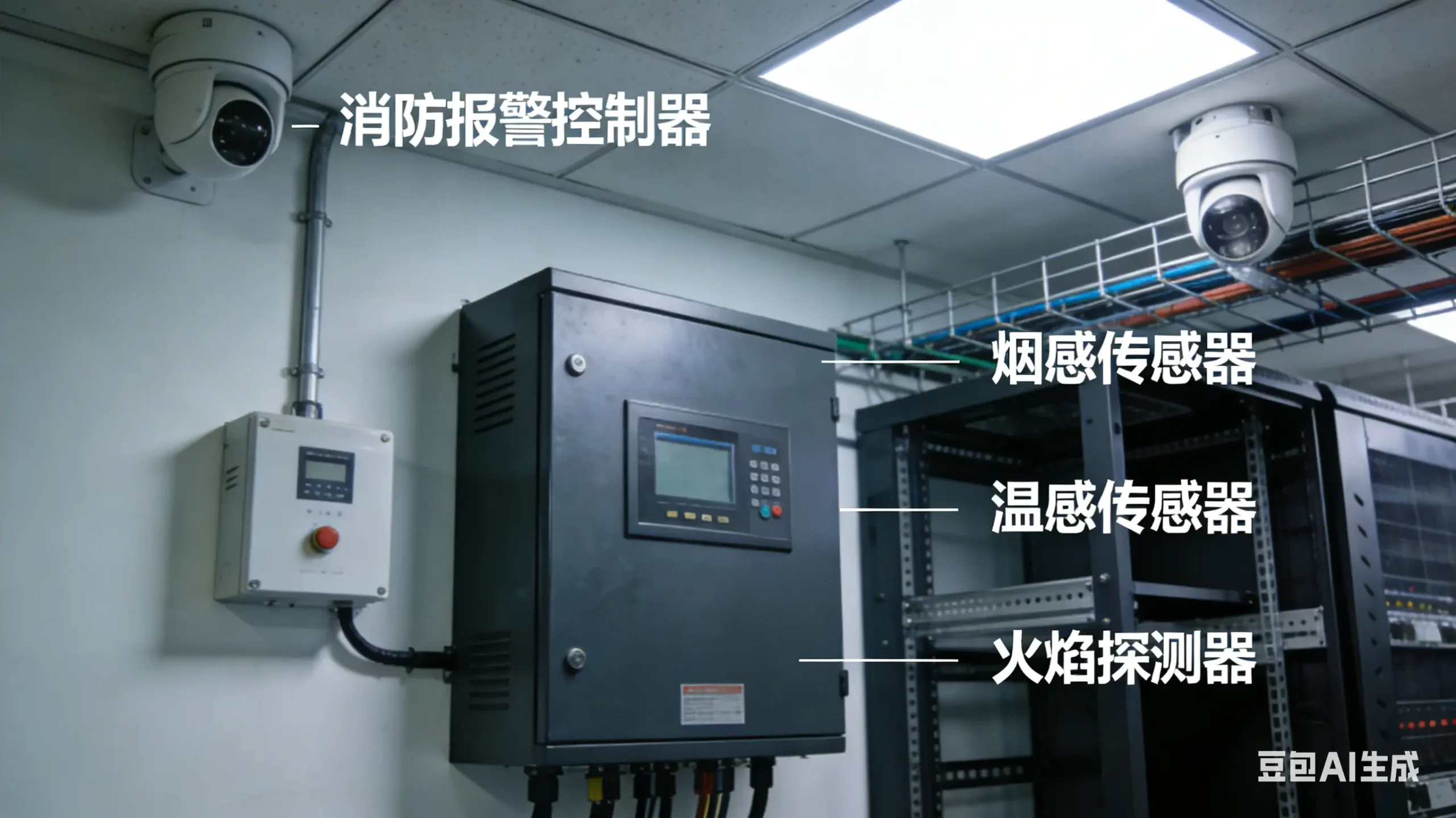
Yes — most units mount on the door or side panel with standard cut-outs and gaskets, and retrofit kits include sealing and power connection parts. Retrofits bring sealed or aging cabinets under control without replacing the enclosure.
5.2 What maintenance do modules need?
Filters are cleaned or replaced on a schedule (or on filter-blockage alarms from smart units), and fan/compressor health is verified at preventive maintenance visits. The monitoring platform records runtime and alarms, so maintenance is planned rather than reactive.
6. Frequently Asked Questions — Quick Reference
Cabinet Thermal Control FAQ
1. When does a cabinet need a thermal control module?
When internal heat load exceeds what the cabinet surface and natural ventilation can dissipate — above a few hundred watts in a sealed rack, or in hot/dusty rooms where closed-loop cooling is preferred.
2. What are the cooling options?
Fan ventilation (moderate loads), air-to-air heat exchangers (closed loop), cabinet AC (sealed/hot environments) and thermoelectric coolers (quiet, sensitive electronics).
3. How do I calculate the cooling capacity I need?
Add equipment heat load (≈ nameplate watts) plus solar gain for outdoor units, and select capacity above the total with 20–30% margin.
4. Can modules work with DC power (e.g. -48V)?
Yes — DC-powered fan and cooling modules for telecom cabinets avoid an extra AC inverter and improve overall efficiency.
5. Are the modules monitored?
Smart versions report temperature, fan/compressor status and filter blockage to the site controller or monitoring platform for predictive maintenance.
6. Can a module be retrofitted to an existing cabinet?
Yes — most units mount on the door or side panel with standard cut-outs and gaskets; retrofit kits include sealing and power connection parts.
7. What happens if the module is undersized?
The cabinet runs above its target temperature under peak load, causing derating and intermittent failures — sizing with margin is essential.
8. What maintenance is required?
Filter cleaning/replacement per schedule or blockage alarms, plus fan and compressor health checks at preventive maintenance visits.
9. Are modules available for outdoor cabinets?
Yes — solar gain is added to the load calculation and sealed/high-capacity units handle outdoor ambient extremes.
10. What documentation comes with a module?
Capacity data and test certificates, cut-out drawings, installation guide and (for smart units) protocol details for platform integration.
7. Related Solutions
- Cabinet Thermal Control Module: Complete Guide
- Aisle Sealing Strips
- General Outdoor Cabinets
- Industry Application Outdoor Cabinets
- Edge Computing Container
About Guangzhou Lain Intelligent System Development Co., Ltd.
Guangzhou Lain Intelligent System Development Co., Ltd. supplies cabinet thermal control modules — fans, heat exchangers, AC and thermoelectric coolers — for IT, telecom and industrial cabinets worldwide. From single rooms to enterprise facilities, KITOZER provides design, manufacturing, integration, testing and after-sales service under one roof and exports worldwide.
Contact us for a free technical consultation:
- Company: Guangzhou Lain Intelligent System Development Co., Ltd.
- Address: 1st Floor, Building A, Chaotian Industrial Park, Zhongrun Industrial Park, Shilou Town, Panyu District, Guangzhou, Guangdong, China
- Tel/WeChat: +86 135-0923-8849 | +86 135-0923-8849
- WhatsApp: +86 135-0923-8849
- Email: zl19068534140@gmail.com
- Website: www.gdlain.com | Request a Quote
Typical response time: within one business day. Project references, drawings and samples are available on request.