1. Overview: One Enclosure Does Not Fit All Industries
A roadside traffic cabinet faces vibration, salt spray and summer heat; a telecom shelter must hold batteries at safe temperature; an offshore or mining enclosure survives corrosion that would destroy standard steel; and a water-treatment cabinet lives in humidity year-round. Industry application outdoor cabinets adapt the enclosure — its materials, sealing, cooling, power and monitoring — to the specific environment and equipment of each industry, so electronics survive outdoors for decades instead of months.
Guangzhou Lain Intelligent System Development Co., Ltd. designs and manufactures outdoor cabinets for transportation, telecom, energy, water, mining and security applications. This guide explains how outdoor enclosures are tailored by industry, environment and duty, and what to specify for a reliable long-life installation.

2. Industry Examples: What Each Sector Demands
| Industry | Environment Challenge | Cabinet Emphasis |
|---|---|---|
| Transportation / ITS | Roadside heat, vibration, dust, vandalism | Solar shading, rugged locking, compact footprint |
| Telecom / 5G | Battery heat, all-season duty | Thermal management, DC power, remote monitoring |
| Oil and gas | Corrosive atmosphere, hazardous zones | Stainless/coated steel, hazardous-area options |
| Power and substations | Outdoor exposure, high-voltage adjacency | Robust insulation, grounding, IP54+ |
| Water and wastewater | Humidity, chemical vapor, flooding risk | Corrosion protection, raised mounting, sealed glands |
| Mining | Dust, vibration, rough handling | Heavy-gauge construction, filtered ventilation |
| Security / surveillance | Urban exposure, heat, tampering | Discreet design, access control, thermal control |
The starting point is always the same question: what will this cabinet actually live through, and what equipment must it keep alive?
3. Tailoring Factors in Design
- Climate zone — solar load, ambient extremes, humidity and rainfall define cooling and sealing strategy.
- Ingress protection — IP54 for general outdoor use up to IP66 for washdown and coastal sites, with NEMA equivalents.
- Corrosion class — galvanized or stainless steel, powder-coating systems and sacrificial protection per C-class environment.
- Equipment duty — heat load of the installed gear drives ventilation, fan, heat-exchanger or air-conditioning selection.
- Power architecture — AC/DC input, battery backup space, surge protection and distribution built into the enclosure.
- Access and security — lock types, electronic access control, alarm contacts and anti-tamper design.
- Monitoring — temperature, humidity, door, smoke and leak sensors reporting to a central platform.

4. Materials and Construction
| Material | Strength | Corrosion | Typical Use |
|---|---|---|---|
| Galvanized steel + powder coat | High | Good (C2–C4) | General outdoor, roadside, telecom |
| Stainless steel (304/316) | High | Excellent | Coastal, chemical, food, offshore |
| Aluminum | Medium | Very good | Lightweight, transportable, high heat dissipation |
| GRP / composite | Medium | Excellent | Electrical, aggressive chemical environments |
Construction details matter as much as the material: welded or folded seams, gasketed doors with compression latches, drip shields, cable glands and screened vents are the difference between a cabinet that seals for years and one that leaks in its first rainy season.
5. Thermal Management for Outdoor Survival
Outdoor electronics fail from heat far more often than from rain. A cabinet in direct sun adds a significant solar load on top of equipment heat, so thermal design starts with passive measures — sun shields, double-skin roofs, light colors and natural convection — then adds active cooling only where needed. The selection ladder runs from passive ventilation (lowest cost, for mild climates), through filtered fan cooling and air-to-air heat exchangers, to enclosure air conditioners for hot climates and heat-sensitive equipment. Conversely, cold climates may need cabinet heaters to prevent condensation and keep batteries or instruments above minimum operating temperature.
6. Power, Protection and Grounding
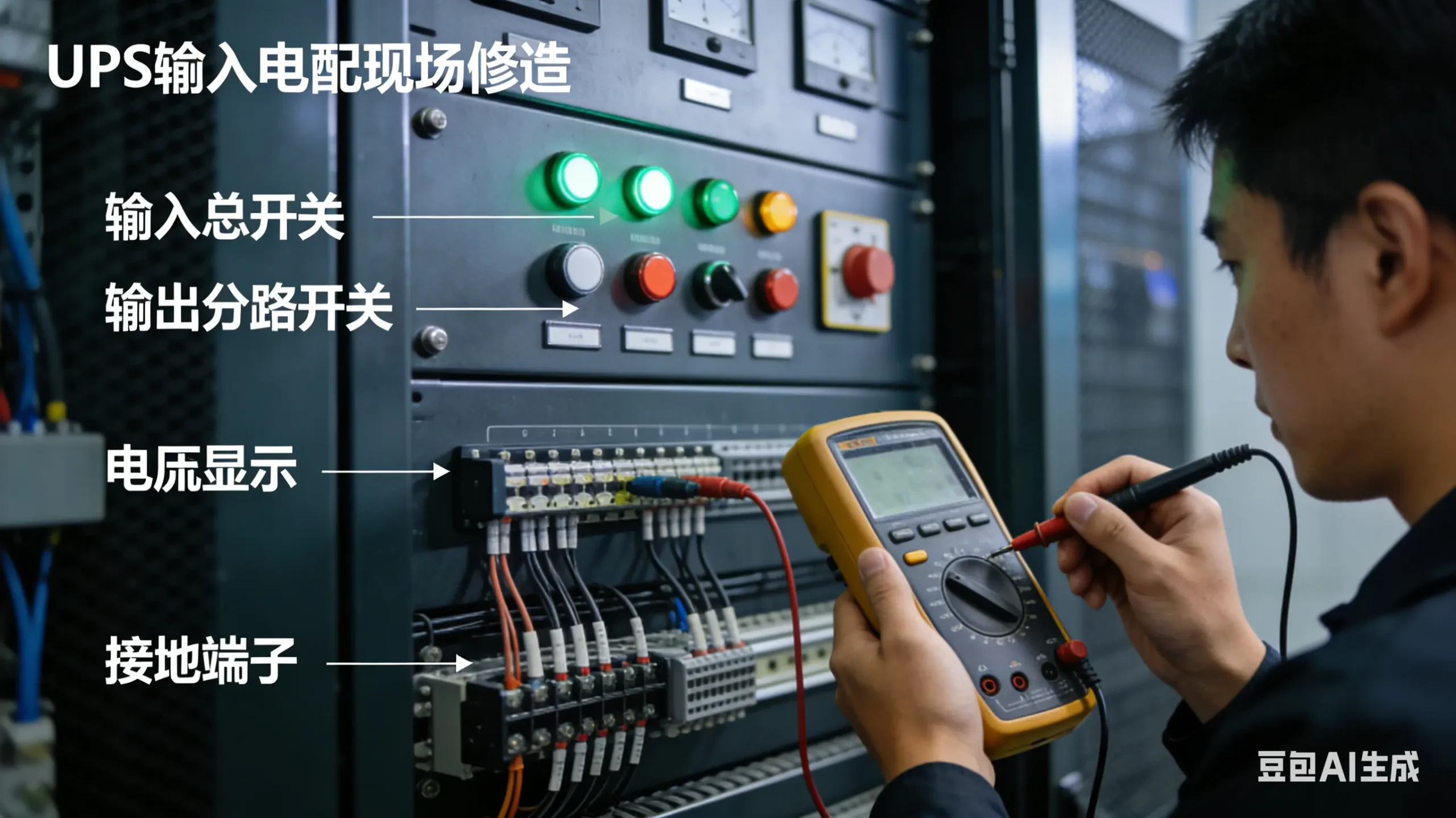
An outdoor cabinet is a small electrical installation of its own. Lain integrates surge protection at the incoming supply, an MCB/distribution arrangement for internal circuits, and a proper earthing system with a dedicated ground bar — the backbone of every safe enclosure. Where the equipment is sensitive, the design adds filtering and backup power provision sized for the actual load. Every cabinet ships with schematics and labeled terminations so site engineers can install, extend and maintain it without guesswork.
7. Integrated Monitoring and Management
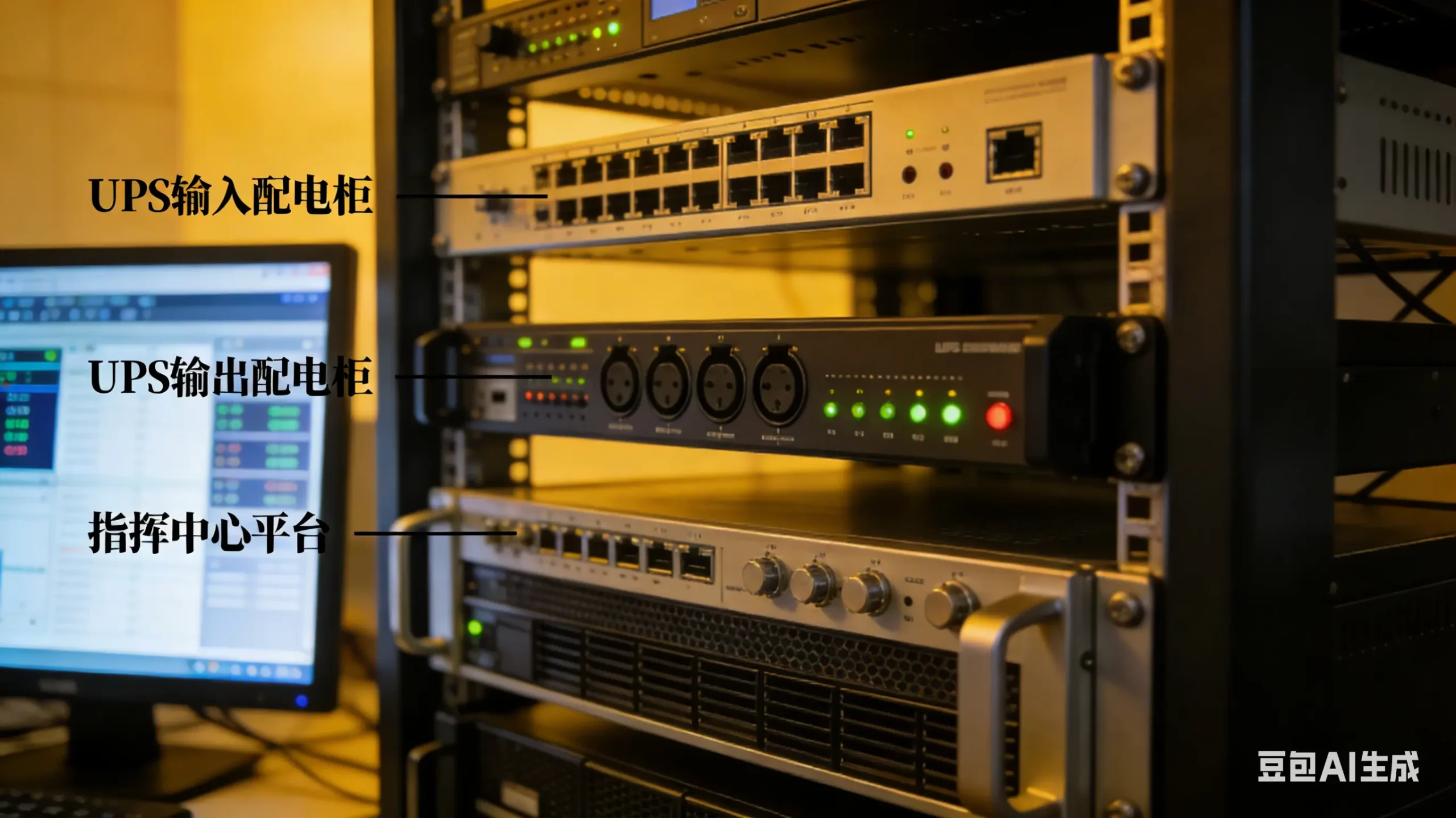
Remote sites cannot be visited daily, so the best outdoor cabinets report their own health. Temperature, humidity, door status, smoke, water ingress and power availability sensors feed a controller that alarms to the central platform over Ethernet, 4G or wireless. Operators see the cabinet environment before dispatching a truck — a door alarm, a rising temperature trend or a humidity spike is diagnosed remotely, and many faults are resolved by a parameter change instead of a site visit. This monitoring layer converts an enclosure from a box into a managed asset.
8. Standards, Testing and Quality
- Enclosure standards — design and testing to IEC 60529 (IP), IEC 62208 and relevant NEMA/UL enclosure standards.
- Thermal validation — heat-load testing confirms the cooling solution keeps internal temperatures within equipment limits at rated ambient.
- Environmental testing — salt spray, UV, vibration and rain testing per application requirements.
- Electrical testing — insulation, dielectric and continuity checks on the integrated distribution.
- Documentation — test reports, drawings, wiring schematics and component datasheets delivered with each unit.
Testing is not a formality: it is how a manufacturer proves the cabinet will still be sealing and cooling in its eighth year of outdoor duty.
9. Delivery and Site Integration
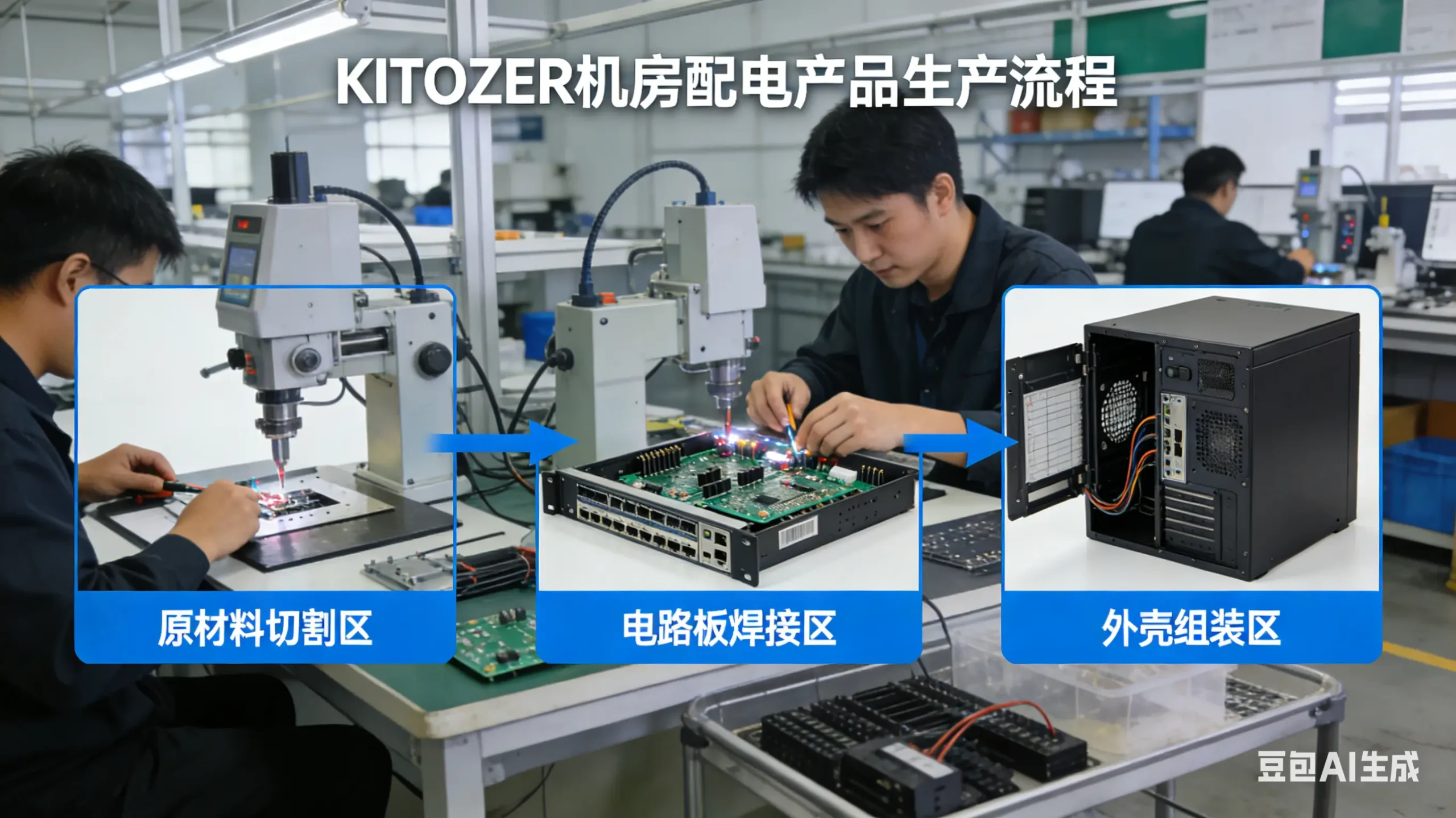
Outdoor cabinets arrive as complete units — enclosure, internal mounting, power distribution, cooling and monitoring pre-integrated and factory-tested — reducing site work to mounting, cabling and commissioning. For larger footprints, containerized and skid-mounted variants integrate several cabinets, batteries and even work space into one weatherproof module delivered ready to connect. Lain supports projects from specification review through installation supervision and commissioning.
10. Applications
- Roadside and ITS — traffic control, camera and tolling cabinets on busy corridors.
- Telecom edge and 5G — pole, pad and shelter-mounted equipment with battery backup.
- Power distribution — outdoor metering, switching and monitoring enclosures.
- Water and wastewater — pump station and treatment plant control cabinets.
- Oil, gas and mining — rugged and corrosion-resistant instrumentation enclosures.
- Security and surveillance — camera, access and network cabinets for city and campus systems.
- Renewables and storage — solar, wind and battery-system outdoor enclosures.
11. Frequently Asked Questions
Outdoor Cabinet FAQ
1. What is the difference between a standard and an industry application outdoor cabinet?
Standard cabinets suit benign sites; industry application cabinets are engineered for a specific sector’s environment — corrosion class, thermal load, ingress rating, security and power architecture — and factory-tested accordingly.
2. Which IP rating do I need?
IP54 is a common baseline for sheltered outdoor use; coastal, washdown and flood-risk sites typically need IP55–IP66 depending on exposure.
3. How is cooling sized?
From the equipment heat load, the solar load and the maximum ambient temperature; passive, fan, heat-exchanger or air-conditioning solutions are selected and thermally validated.
4. Can batteries live inside the cabinet?
Yes — battery compartments with dedicated ventilation (and heater where needed) are designed so thermal runaway and outgassing are handled safely.
5. Do you provide surge protection?
Yes — Type 1/2 SPDs, MCB distribution and a dedicated ground bar are integrated as standard options.
6. How do remote alarms work?
Internal sensors report temperature, humidity, door, smoke and water ingress to a monitoring controller with Ethernet/4G connectivity and central platform alarming.
7. What materials resist coastal corrosion?
Stainless steel 316 or properly coated galvanized steel with marine-grade gaskets and hardware are typical for coastal and offshore locations.
8. How long does an outdoor cabinet last?
With correct specification, 10–20 years is realistic; material class, paint system and maintenance determine the actual life.
9. Can one cabinet hold multiple vendors’ equipment?
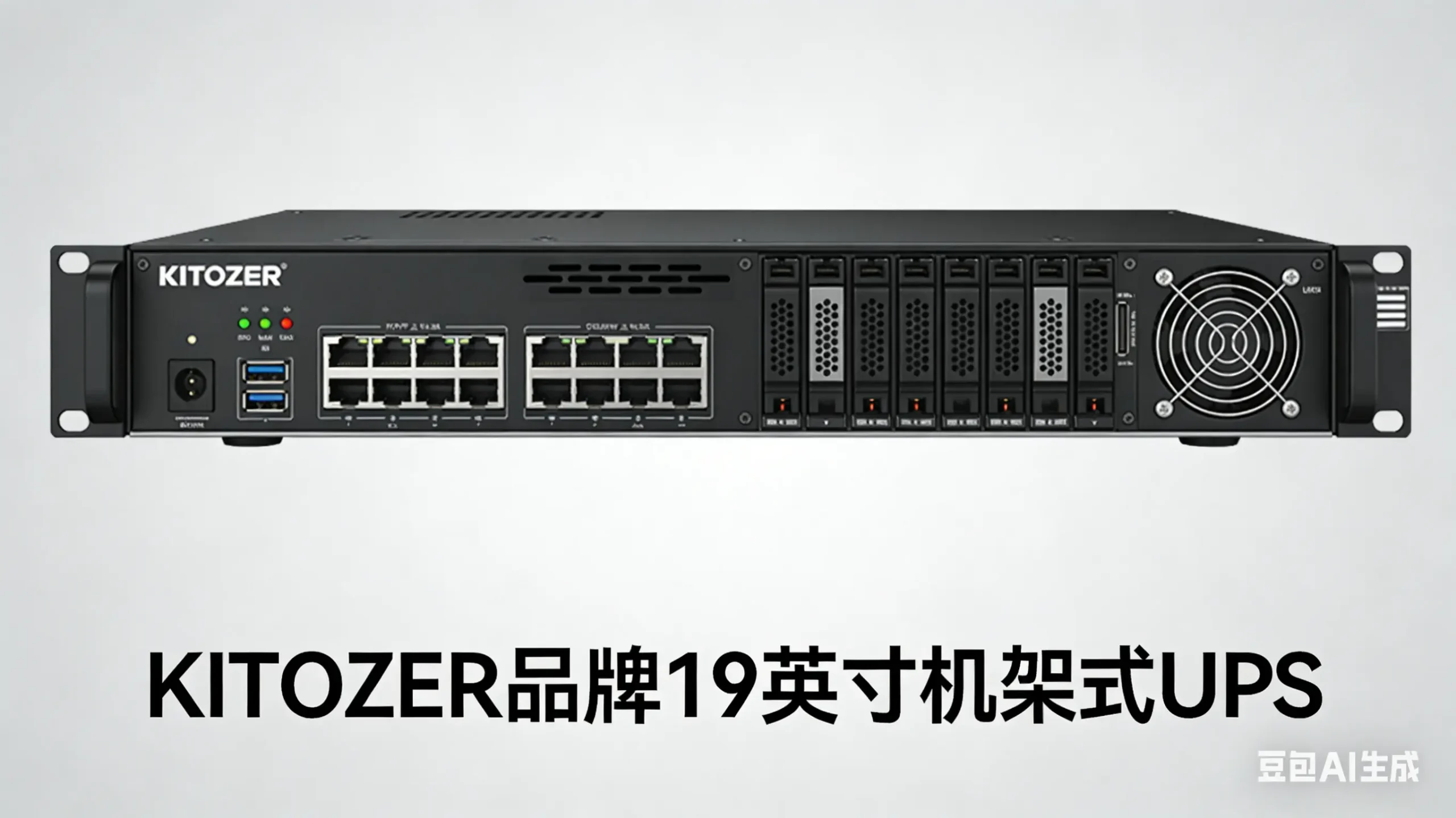
Yes — internal mounting (19-inch, wall-mount and custom) is arranged around the actual equipment list and heat load.
10. Do you deliver fully pre-assembled?
Yes — cabinets are pre-integrated and tested with power, cooling and monitoring, reducing site installation to mounting, cabling and commissioning.
12. Related Solutions
- General Outdoor Cabinets
- Cabinet Thermal Control
- Cabinet Access Control
- Electrical Room Environmental Monitoring
- Edge Computing Container
- EV Charger Environmental Monitoring
About Guangzhou Lain Intelligent System Development Co., Ltd.
Guangzhou Lain Intelligent System Development Co., Ltd. designs and manufactures industry application outdoor cabinets with integrated power, cooling and remote monitoring for sites worldwide. From single rooms to enterprise facilities, KITOZER provides design, manufacturing, integration, testing and after-sales service. Export and support scope are confirmed on the quotation.
Contact us for a free technical consultation:
- Company: Guangzhou Lain Intelligent System Development Co., Ltd.
- Address: 1st Floor, Building A, Chaotian Industrial Park, Zhongrun Industrial Park, Shilou Town, Panyu District, Guangzhou, Guangdong, China
- Tel: +86 13538869979
- WhatsApp: +86 13538869979
- Email: zl19068534140@gmail.com
- Website: www.gdlain.com | Request a Quote
Typical response time: within one business day. Project references, drawings and samples are available on request.