1. Overview: The Rooms Nobody Visits Are the Ones That Fail Quietly
Electrical rooms — switchgear rooms, transformer rooms, distribution rooms, UPS and generator rooms — hold the equipment that keeps buildings and plants alive. They are also the rooms people visit least: hot, noisy, locked, and inspected on a schedule of convenience. Yet the failure modes that take out switchgear and transformers develop slowly and visibly — if someone is watching: rising temperature, condensation, water creeping into a cable trench, a ventilation fan that stopped weeks ago.
An electrical room environmental monitoring system watches these conditions continuously and alerts staff before failures, cable overheating or flooding damage occurs. Guangzhou Lain Intelligent System Development Co., Ltd. supplies monitoring systems tailored to power infrastructure rooms. This guide covers what to monitor, why each parameter matters, and how systems are deployed in live rooms.
2. What to Monitor and Why
2.1 Temperature and Humidity
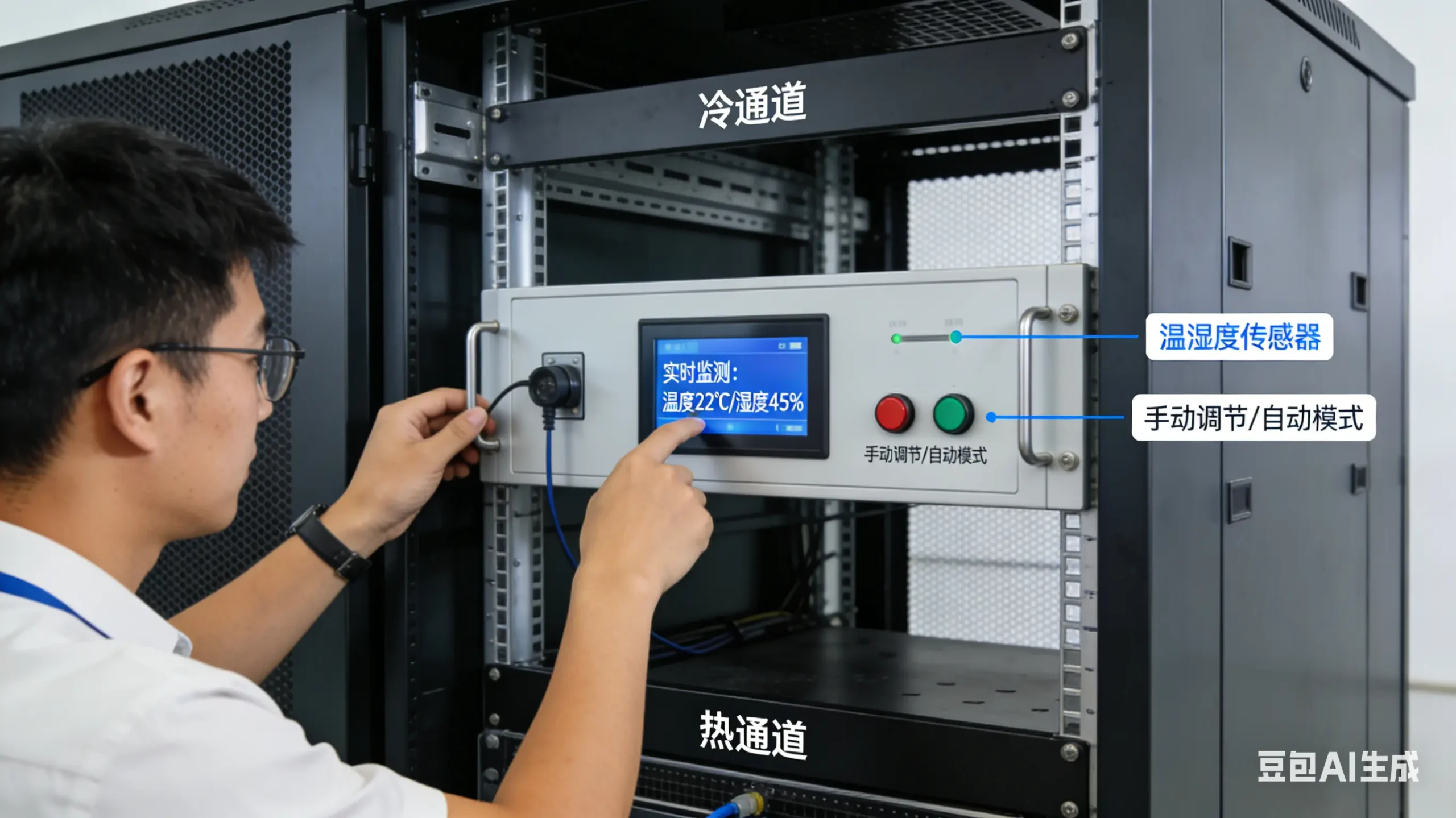
High temperature accelerates insulation aging — a rule of thumb: every 10°C above rated reduces insulation life by roughly half. Hot spots near switchgear and transformers signal failing connections or overload. Humidity drives condensation on cold surfaces and corrosion of busbars and contacts.
2.2 Water Leakage
Cable trenches, floor drains and door thresholds are the common flood paths — from burst pipes, storm water, AC condensate or neighboring rooms. Water in a trench is often discovered only after a fault; rope sensors detect it while it is still a puddle.
2.3 Smoke and Fire
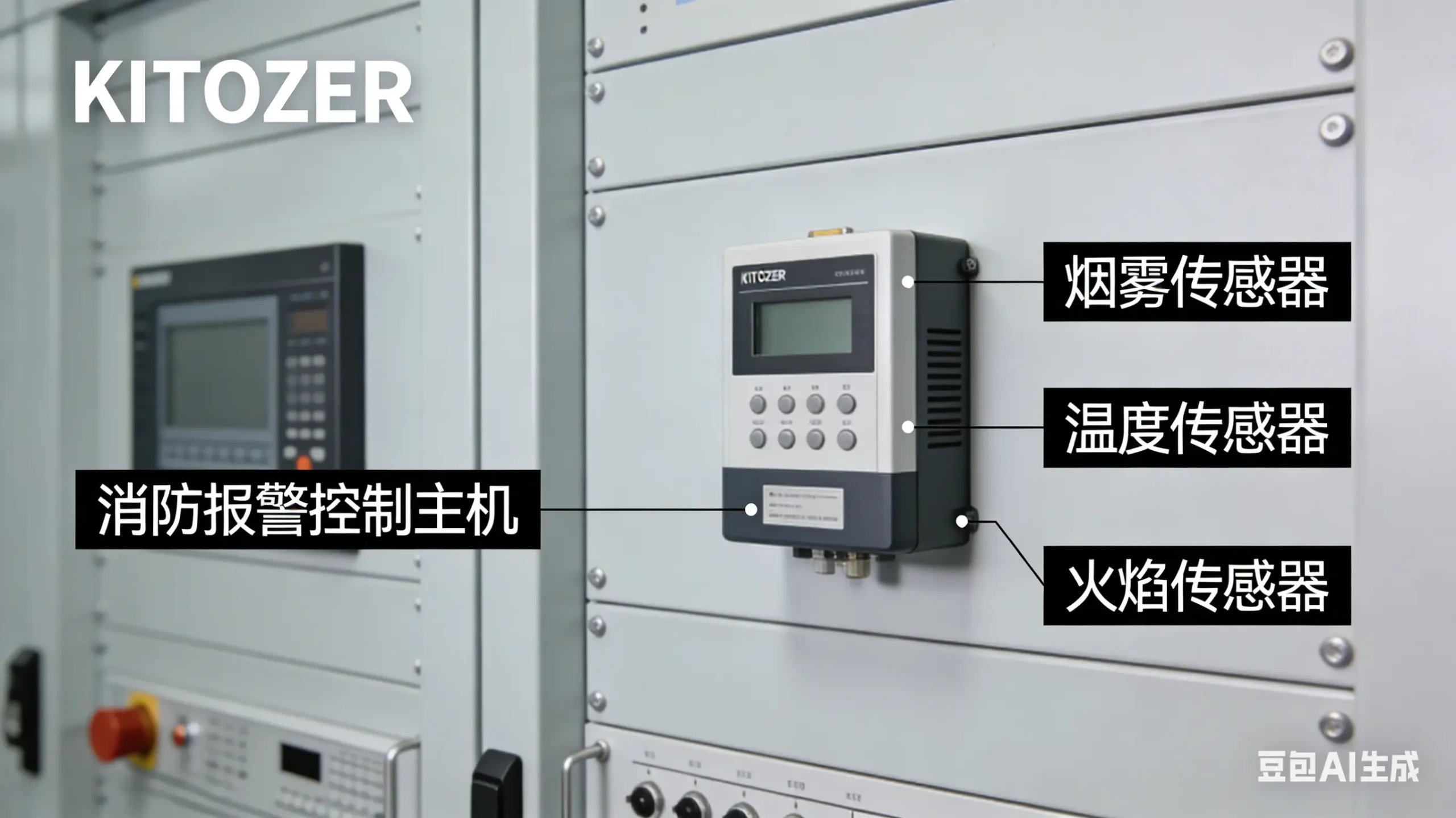
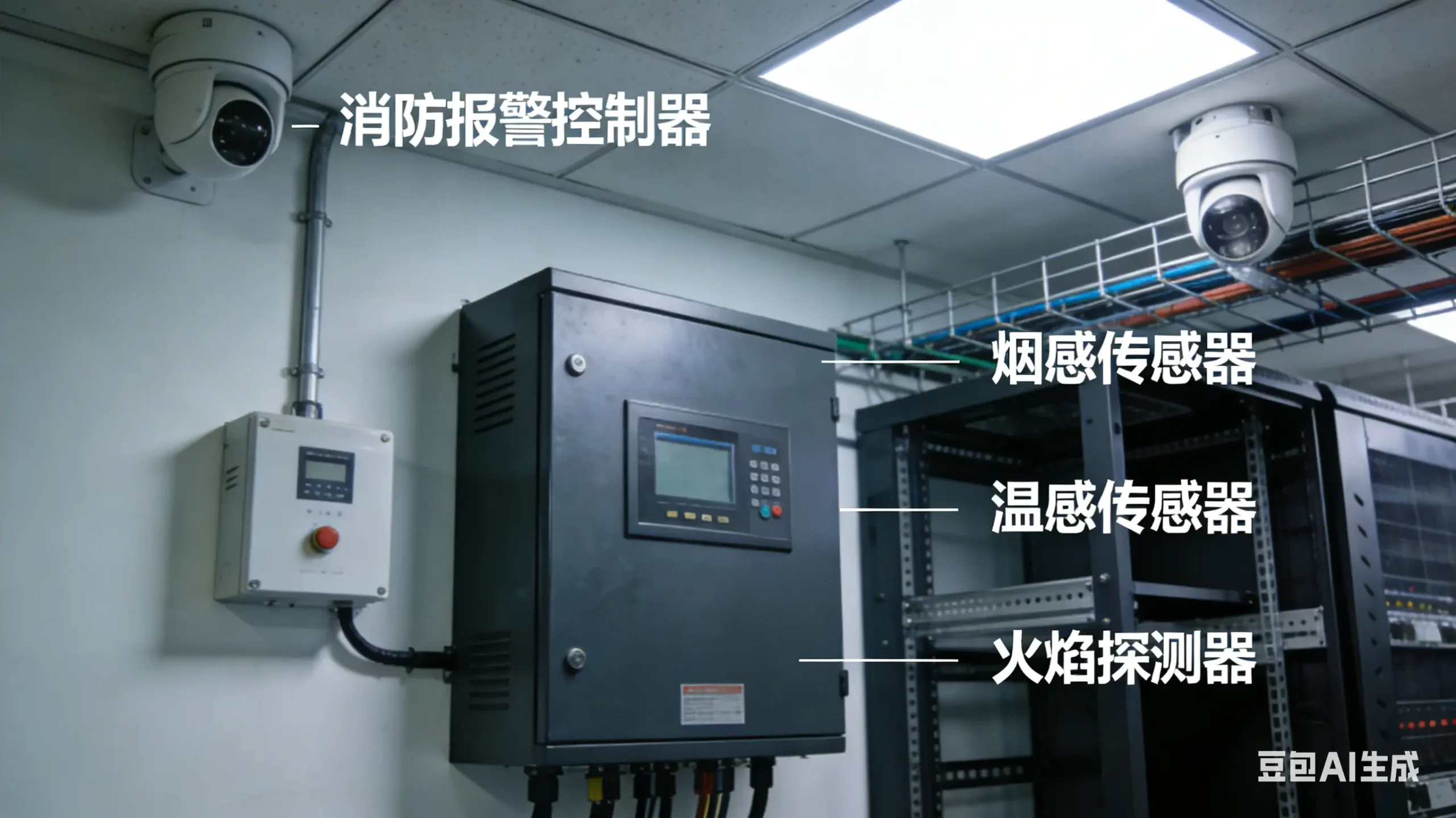
Early smoke detection in electrical rooms gives the minutes that matter for safe shutdown and fire response — electrical fires smolder before they flame, and smoke detection catches the smolder.

2.4 Ventilation and Cooling Status
Transformer and switchgear rooms are designed with ventilation for a reason: fan failure or blocked louvers raise room temperature steadily. Monitoring fan and AC operation turns a hidden degradation into an immediate alarm.
2.5 Security
Door and intrusion monitoring protects unattended rooms — electrical rooms are also where sabotage and cable theft happen.
3. System Architecture
Sensors connect over RS485 or wireless to a monitoring host with local display; data and alarms forward to the building management system or a cloud platform. Alarm routing is role-based: duty electricians get SMS/WeChat/WhatsApp for immediate response, the safety office receives summaries, and critical events (smoke, flood) trigger voice calls. The host runs on UPS power so monitoring survives the outages it is designed to report.
4. Deployment in Live Rooms
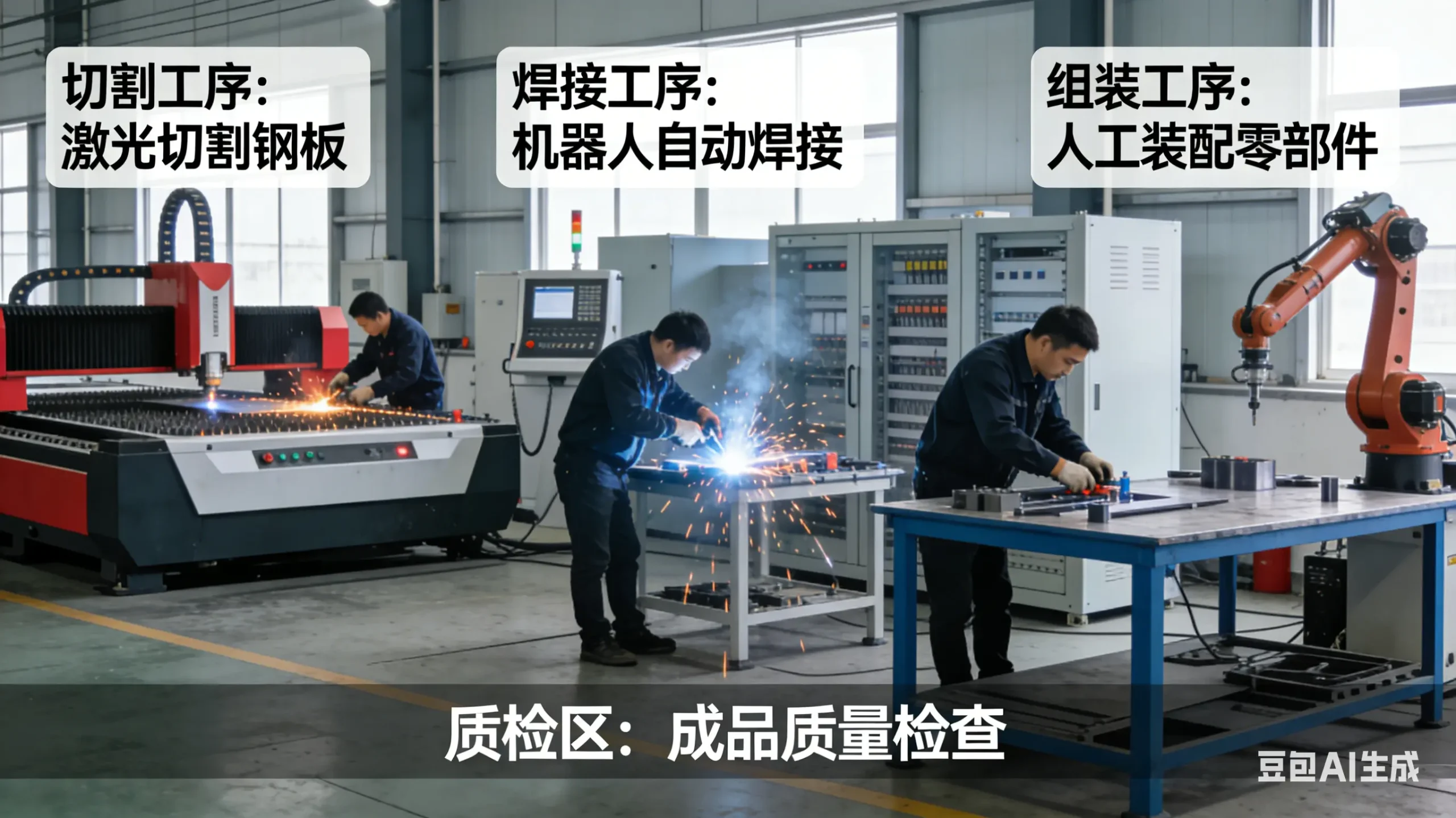
Retrofit installation is non-intrusive and safe in operating electrical rooms: sensors are surface-mounted, powered from low-voltage sources with approved access, and connected via existing cable routes. The room stays energized throughout — no shutdown is required, and the monitoring host’s UPS keeps it alive through future outages.
5. What the System Prevents
| Scenario | Without Monitoring | With Monitoring |
|---|---|---|
| AC/fan failure in summer | Room heats for days; breaker trips at peak load | Alarm at threshold; technician dispatched same day |
| Water in cable trench | Discovered during fault or inspection | Detected at start; source found and fixed |
| Insulation aging from heat | Premature failure, often mid-operation | Trend visible; load or ventilation corrected |
| Slow smoke from a cable | Found late; fire spreads | Early alarm; shutdown and response begin in minutes |
6. Reporting and Compliance
Monitoring produces the evidence that audits and incident reviews need: temperature and humidity history, alarm events with response records, and door access logs. For facilities with insurance or safety requirements, documented environmental control of electrical rooms strengthens compliance and can reduce risk premiums.
7. Frequently Asked Questions
Electrical Room Monitoring FAQ
1. Why monitor the environment of an electrical room?
Switchgear and transformer rooms fail from heat, humidity, water ingress and dust before other causes; monitoring gives early warning of these conditions, preventing outages and extending equipment life.
2. What sensors are typically installed?
Temperature/humidity sensors, water-leakage rope along cable trenches and thresholds, smoke detectors, fan/AC status contacts and door sensors; optional cable-temperature sensing on critical feeders.
3. Can it work in unattended rooms?
Yes — that is the main purpose: alarms reach the duty team remotely by SMS, WeChat/WhatsApp, email or voice call, with an audit log of every event.
4. How is it connected?
Sensors use RS485/Modbus or wireless to a local monitoring host; the host links to the BMS or cloud over TCP/IP, and its power is UPS-backed.
5. Is installation safe in a live electrical room?
All field work uses approved access and non-contact methods; sensors are surface-mounted and powered from safe low-voltage sources with the room remaining energized.
6. Does it integrate with fire alarm systems?
Smoke detection is normally served by the building fire alarm system; our platform monitors its zone status and adds room climate and flood monitoring around it.
7. What are the most common causes of switchgear failure?
Insulation degradation from heat, moisture ingress, poor connections (detectable as hot spots) and contamination — all environmental factors monitoring can catch early.
8. How often should the system be checked?
Sensors and hosts are low-maintenance; periodic alarm-function tests and annual sensor verification are recommended.
9. Can it cover transformer rooms separately?
Yes — each room gets its own sensor set and thresholds, all reporting to the same platform view.
10. What happens during a power failure?
The UPS-backed host keeps monitoring and alarm paths alive, reporting the outage and room conditions through it.
11. Is remote access available?
Yes — the platform is web-accessible with role-based accounts and full audit logging.
12. What documentation is provided?
Point schedules, as-built wiring, configuration records, test certificates and operator training.
8. Related Solutions
- Data Center Monitoring System
- Distribution Switchgear
- Precision Temperature & Humidity Monitoring
- Fire Interlock Monitoring
- Dust Monitoring
About Guangzhou Lain Intelligent System Development Co., Ltd.
Guangzhou Lain Intelligent System Development Co., Ltd. supplies environmental monitoring for electrical rooms, switchgear rooms and power infrastructure for buildings and industry worldwide. From single rooms to enterprise facilities, KITOZER provides design, manufacturing, integration, testing and after-sales service under one roof and exports worldwide.
Contact us for a free technical consultation:
- Company: Guangzhou Lain Intelligent System Development Co., Ltd.
- Address: 1st Floor, Building A, Chaotian Industrial Park, Zhongrun Industrial Park, Shilou Town, Panyu District, Guangzhou, Guangdong, China
- Tel/WeChat: +86 13922289957 | +86 18520668845 | +86 13538869979
- WhatsApp: +86 19068534140
- Email: zl19068534140@gmail.com
- Website: www.gdlain.com | Request a Quote
Typical response time: within one business day. Project references, drawings and samples are available on request.