1. Overview: What This FAQ Covers
Fire interlock integration connects fire detection and suppression with HVAC, power and access systems so a confirmed fire triggers one coordinated, automatic sequence per zone. This page answers the questions owners and safety engineers ask when integrating fire systems across a data center.
Guangzhou Lain Intelligent System Development Co., Ltd. designs and delivers fire interlock integration for data centers and technical buildings. The answers below reflect our standard practice and fire-safety engineering coordination.
2. Scope and Architecture
2.1 What is fire interlock integration?
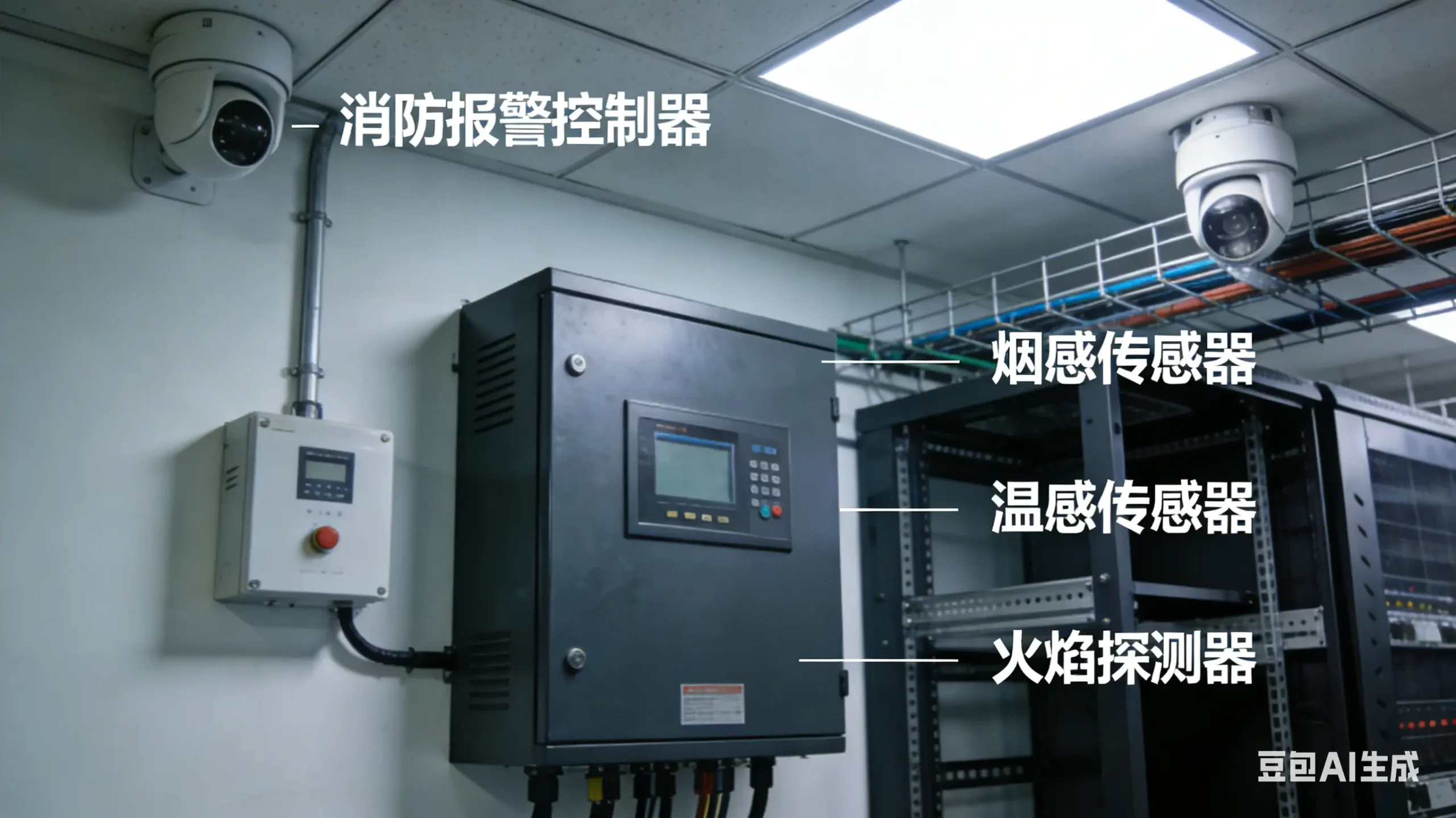
It connects fire detection and suppression with HVAC, power and access systems so a confirmed fire triggers one coordinated, automatic sequence per zone. The integration layer turns many independent systems into one predictable response: detect in a zone, act across the zone — without relying on an operator to remember the sequence.
2.2 Which detection and suppression systems can be integrated?
Aspirating (VESDA-type) and point detectors with inert gas or water suppression panels from major brands; we interface through certified panel outputs. Integration never replaces the certified fire panel — it reads its signals and coordinates the building systems around it.
3. Design and Safety Logic
3.1 What is a cause-and-effect matrix?
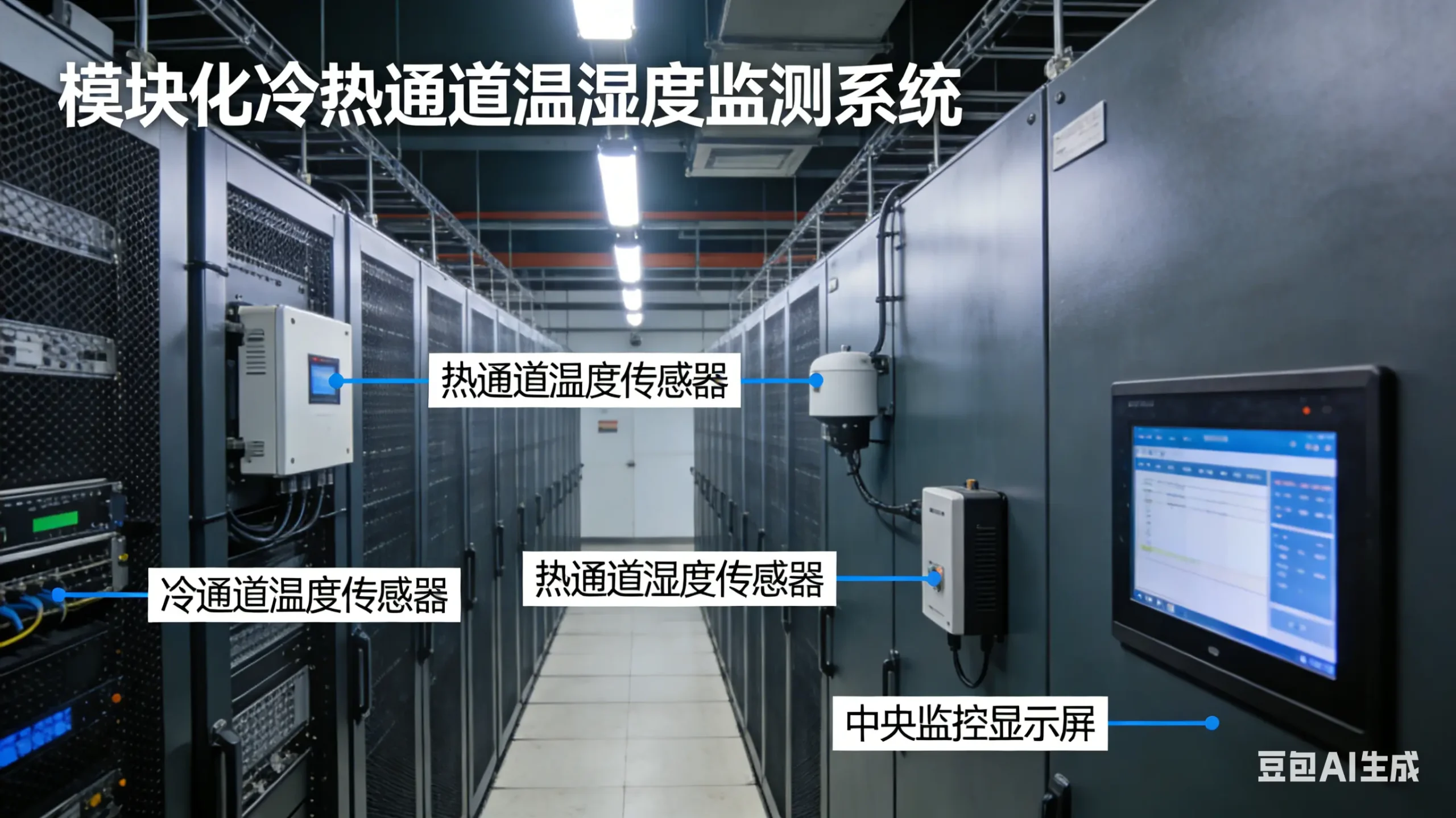
A document defining exactly what happens at each stage and zone — which AC units stop, which dampers close, which power is isolated, when gas discharges — agreed with the fire consultant. The matrix is the design contract: every stakeholder signs off what will happen, before it is programmed.
3.2 How are false discharges prevented?
Double-knock confirmation logic, pre-discharge alarms with evacuation delay, manual release stations and maintenance bypass modes are standard. Multiple independent confirmations must agree before suppression releases, and humans always have a deliberate, protected path to prevent or trigger discharge.
4. Retrofit and Testing
4.1 Can it be retrofitted to an existing data center?
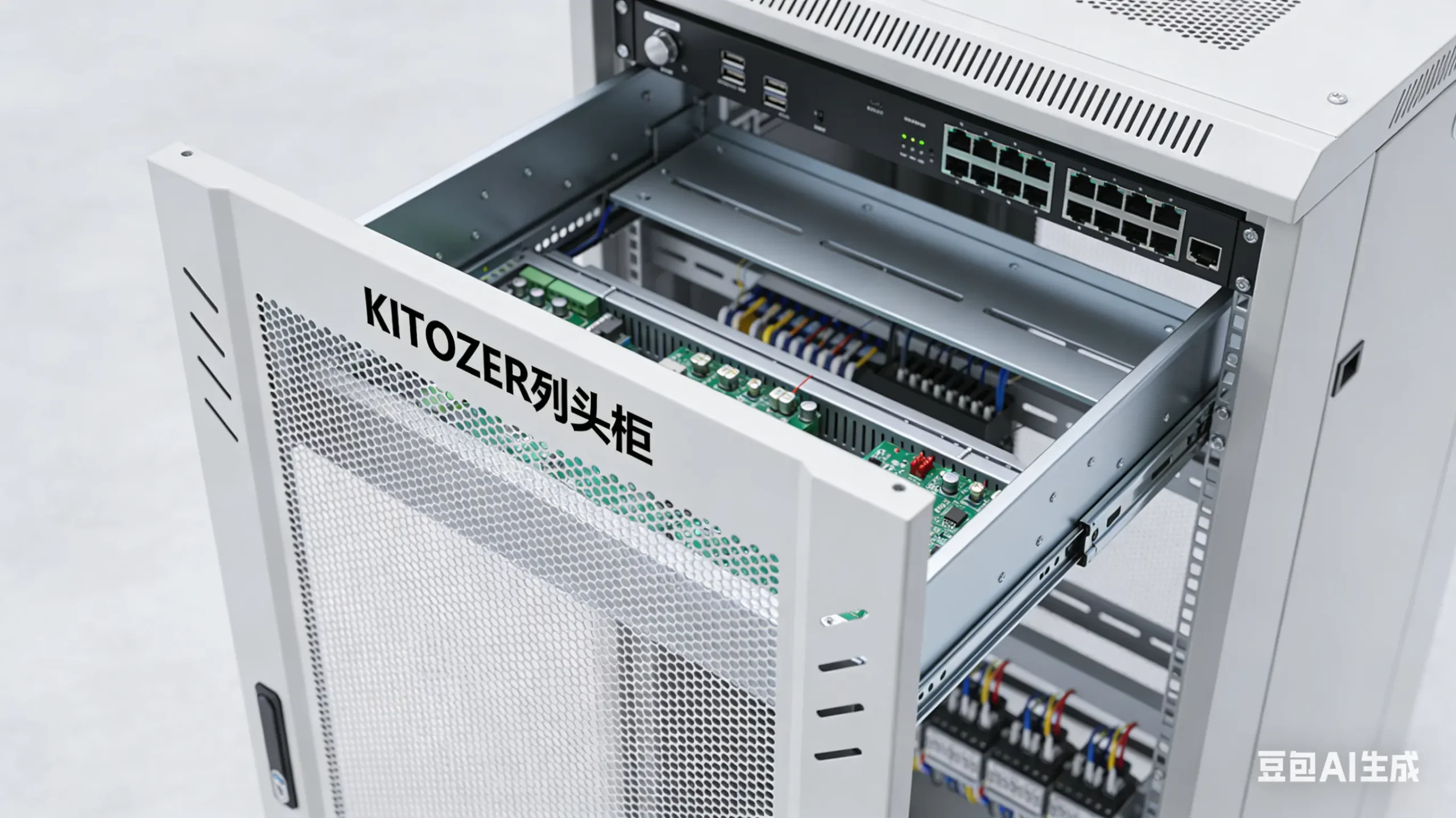
Yes — interface panels supervise existing systems via certified dry contacts or protocols without replacing detectors or suppression equipment. Existing certified hardware stays in place; the integration layer adds the coordination that was missing.
4.2 How is the integrated system tested?
Staged function tests per zone with your safety team, including simulated detection and gas-signal testing, with records delivered at handover. Testing proves the matrix zone by zone in simulation, then on a scheduled cycle — so the sequence is verified before it is ever needed in reality.
5. Operations and Records
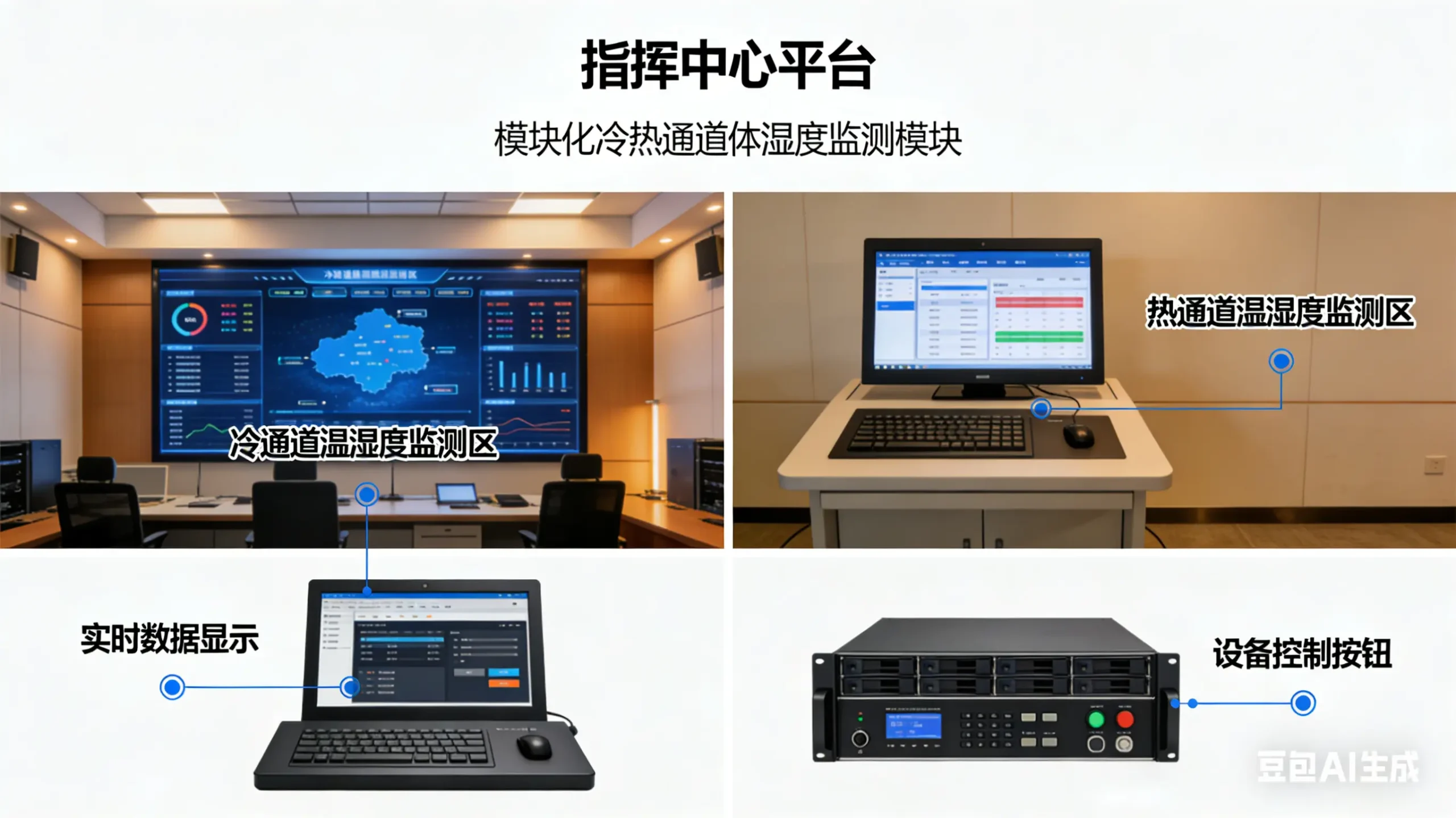
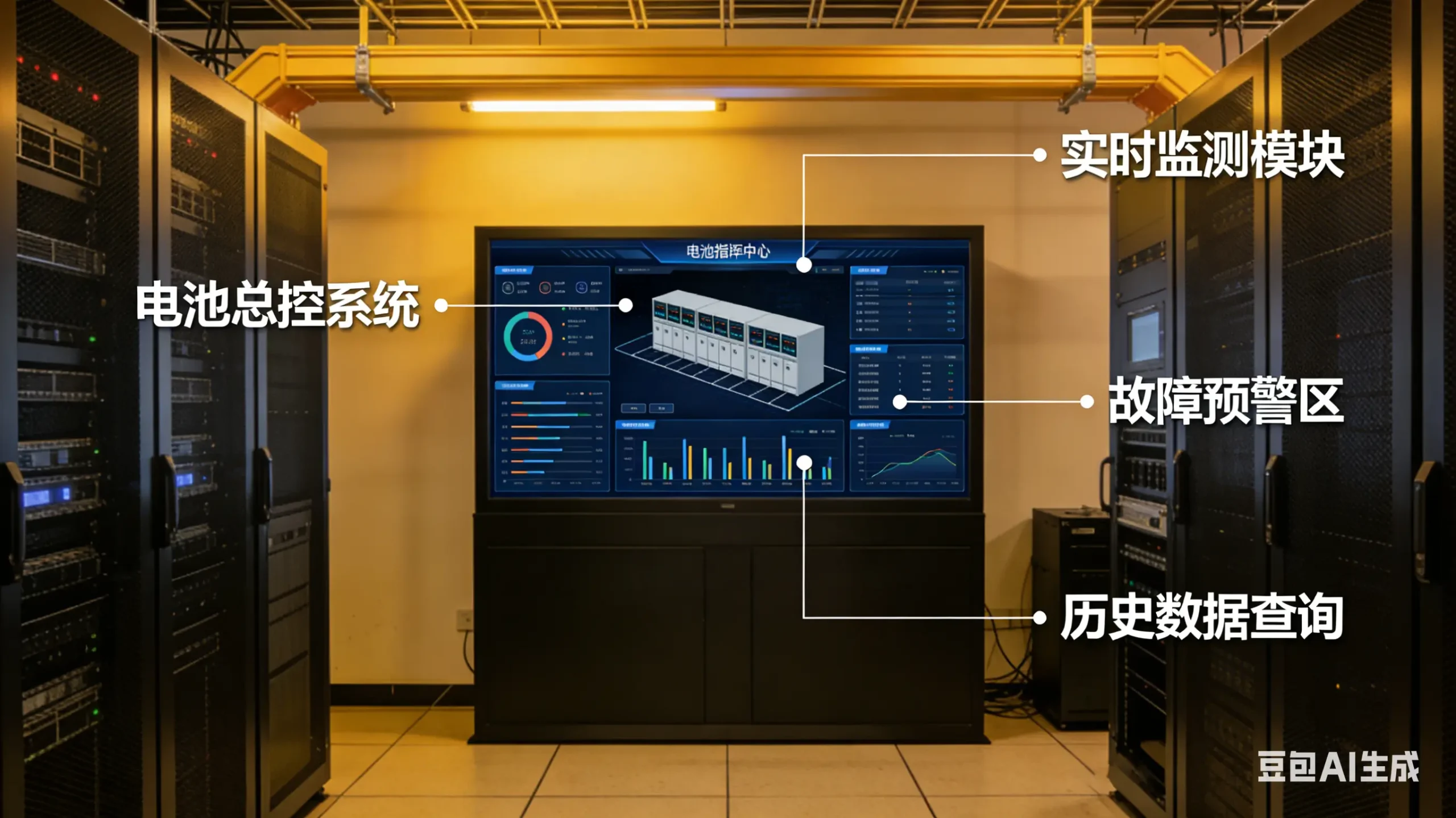
5.1 What does the operator see during an event?
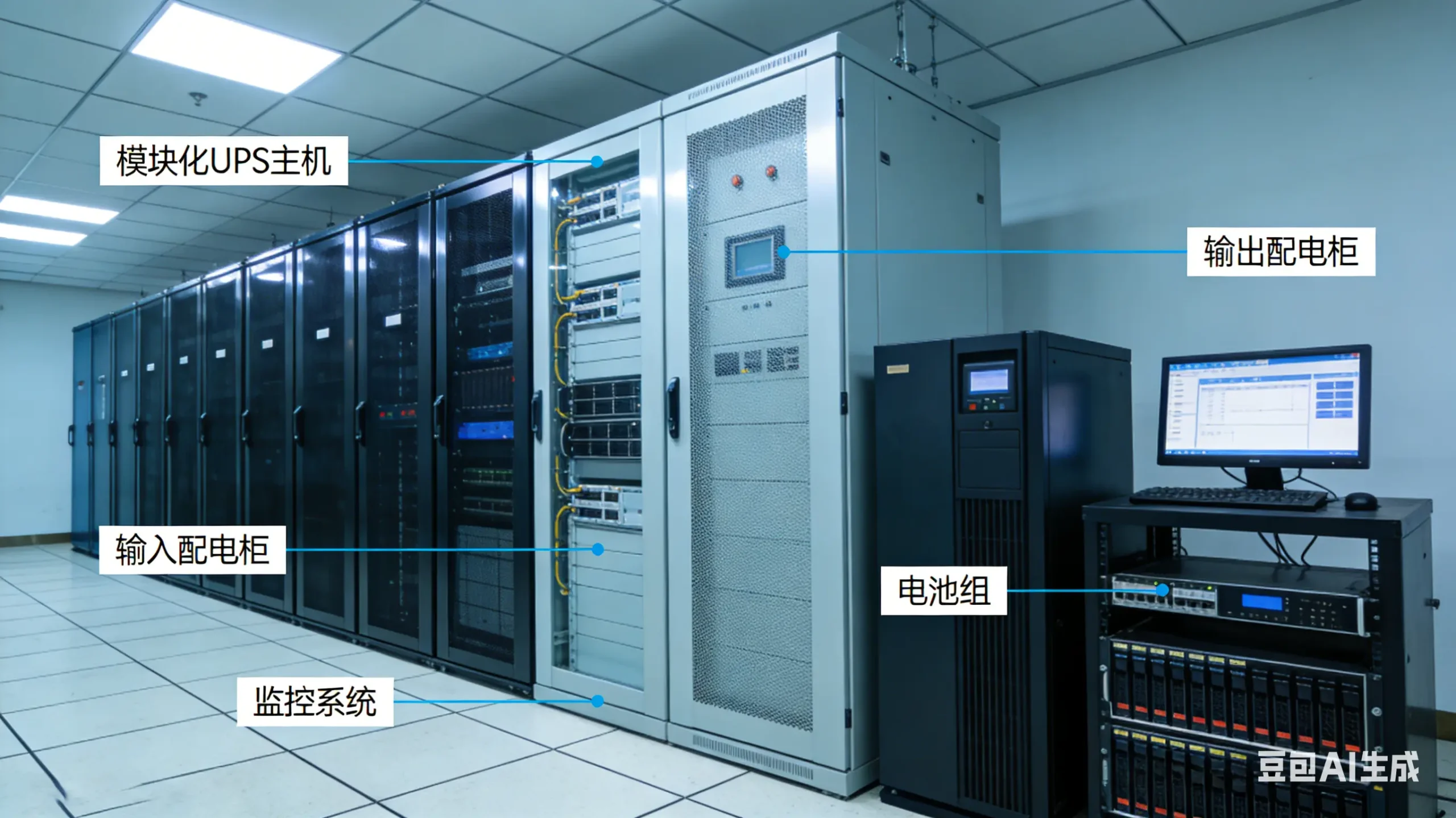
The platform shows the live sequence — which zone alarmed, which AC units stopped, dampers closed, power isolated and suppression status — as a time-stamped event log. After the event, the same log is the evidence for investigation and insurance reporting.
5.2 What maintenance keeps integration current?
Scheduled function tests, interface checks and re-verification after room changes, following the suppression maintenance cycle; we offer service contracts that keep the matrix aligned as the facility evolves.
6. Frequently Asked Questions — Quick Reference
Fire Interlock Integration FAQ
1. What is fire interlock integration?
It connects fire detection and suppression with HVAC, power and access systems so a confirmed fire triggers one coordinated, automatic sequence per zone.
2. Which detection and suppression systems can be integrated?
Aspirating (VESDA-type) and point detectors with inert gas or water suppression panels from major brands, interfaced through certified panel outputs.
3. What is a cause-and-effect matrix?
A document defining exactly what happens at each stage and zone — which AC units stop, which dampers close, which power is isolated, when gas discharges — agreed with the fire consultant.
4. Can it be retrofitted to an existing data center?
Yes — interface panels supervise existing systems via certified dry contacts or protocols without replacing detectors or suppression equipment.
5. How are false discharges prevented?
Double-knock confirmation, pre-discharge alarms with evacuation delay, manual release stations and maintenance bypass modes are standard.
6. How is the integrated system tested?
Staged function tests per zone with your safety team, including simulated detection and gas-signal testing, with records delivered at handover.
7. Who approves the sequence?
The cause-and-effect matrix is agreed with the fire consultant and your safety team before programming.
8. Does integration replace the certified fire panel?
No — the fire panel remains the authority for detection and release; integration coordinates the systems around it.
9. What records support an investigation?
A time-stamped event log of the full sequence plus test and maintenance history per zone.
10. Do you provide service contracts?
Yes — scheduled tests, interface checks and re-verification keep the matrix current as the room evolves.
7. Related Solutions
- Data Center Fire Interlock Monitoring
- Data Center Monitoring System
- Precision Temperature & Humidity Monitoring
- Electrical Room Environmental Monitoring
- Data Center Turnkey Integration
About Guangzhou Lain Intelligent System Development Co., Ltd.
Guangzhou Lain Intelligent System Development Co., Ltd. designs and delivers fire interlock integration that coordinates detection, suppression, HVAC and power in data centers worldwide. From single rooms to enterprise facilities, KITOZER provides design, manufacturing, integration, testing and after-sales service under one roof and exports worldwide.
Contact us for a free technical consultation:
- Company: Guangzhou Lain Intelligent System Development Co., Ltd.
- Address: 1st Floor, Building A, Chaotian Industrial Park, Zhongrun Industrial Park, Shilou Town, Panyu District, Guangzhou, Guangdong, China
- Tel/WeChat: +86 135-0923-8849 | +86 135-0923-8849
- WhatsApp: +86 135-0923-8849
- Email: zl19068534140@gmail.com
- Website: www.gdlain.com | Request a Quote
Typical response time: within one business day. Project references, drawings and samples are available on request.