1. Overview: What This FAQ Covers
Dual-row hot aisle containment encloses the hot aisle between two facing rack rows so server exhaust is captured and returned directly to the cooling units instead of mixing with room air. This page answers the questions engineers ask when choosing hot aisle containment for their data center.
Guangzhou Lain Intelligent System Development Co., Ltd. supplies hot and cold aisle containment systems with integrated components for data centers. The answers below reflect our standard products and energy engineering practice.
2. How It Works
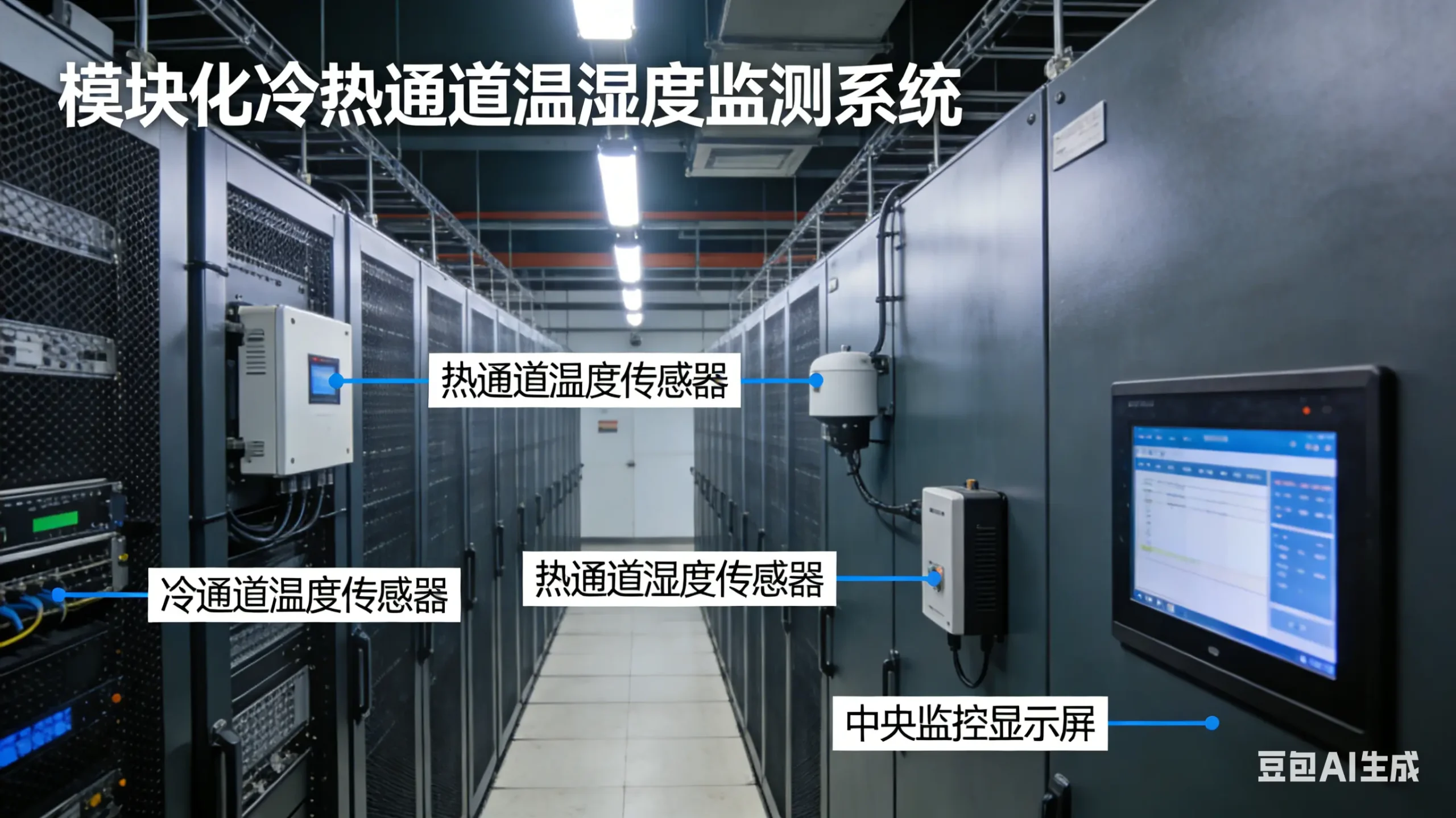
2.1 How does dual-row hot aisle containment work?
The hot aisle between two facing rack rows is enclosed at the top and ends; server exhaust is captured and returned directly to cooling units instead of mixing with room air. The cold aisles stay open and comfortable for staff, and the cooling units receive air at the elevated exhaust temperature — which is exactly what return-air cooling wants.
2.2 Hot aisle or cold aisle containment?
Both work; hot aisle containment keeps cold aisles open and comfortable for staff and suits return-air cooling. Cold aisle containment is preferred where intake temperature control is the priority. The choice follows the cooling architecture — hot aisle containment pairs naturally with raised supply or return-air strategies, while cold aisle containment fits conventional room cooling.
3. Components and Savings
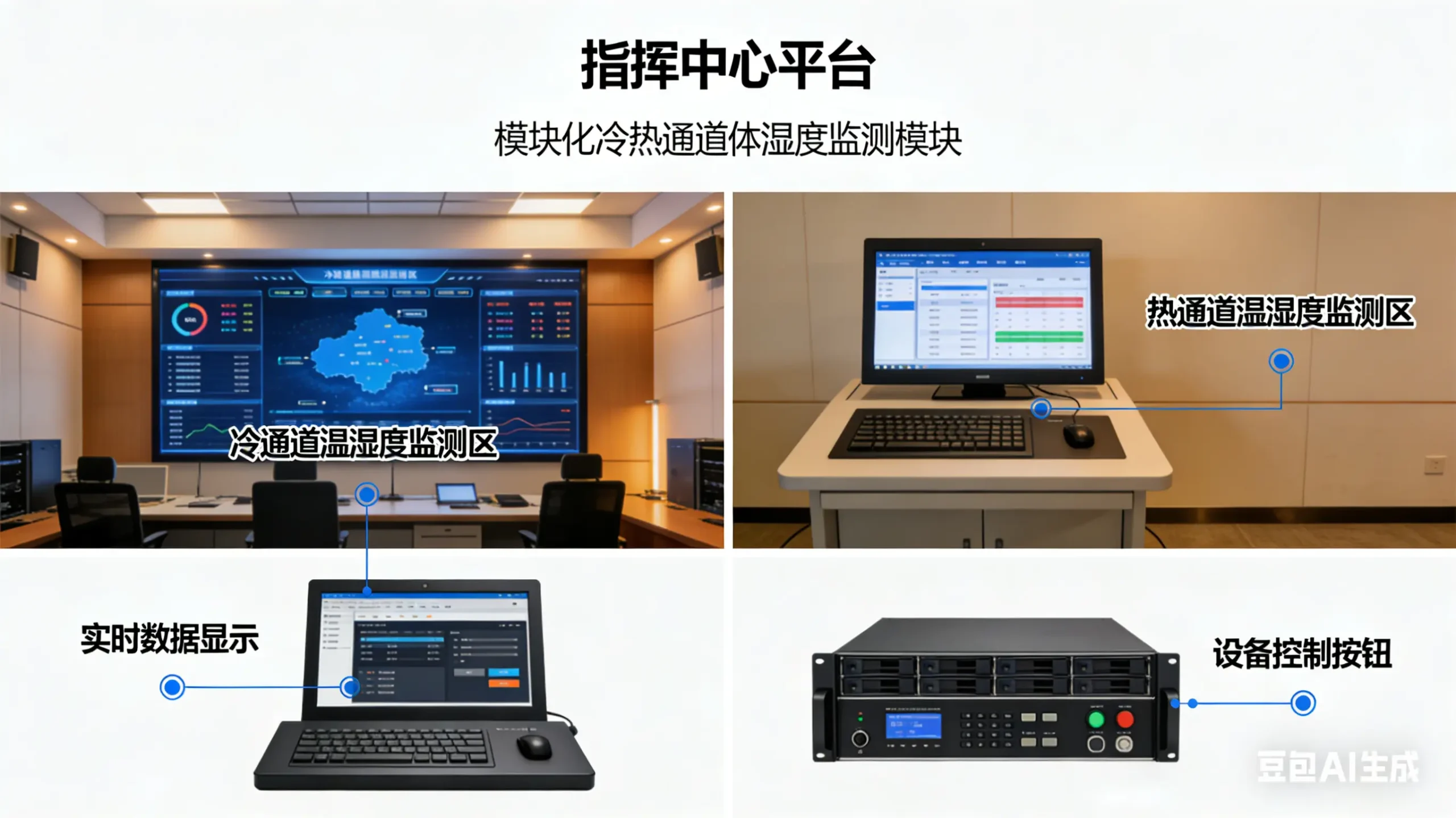
3.1 What components are needed?
Ceiling panels, end doors, sealing strips at rack tops and joints, cable seals and, where applicable, return ducting to the cooling units. Every component closes a leakage path, and the whole set is engineered to the row geometry so the envelope is complete, not improvised.
3.2 What energy savings can I expect?
Typical projects raise chilled-water supply temperature or reduce air movement, saving 10–30% of cooling energy while improving intake temperature stability. By returning hotter air to the cooling units, the system works with smaller temperature lifts — and higher return temperatures extend economizer hours in many climates.
4. Fire Safety and Retrofit
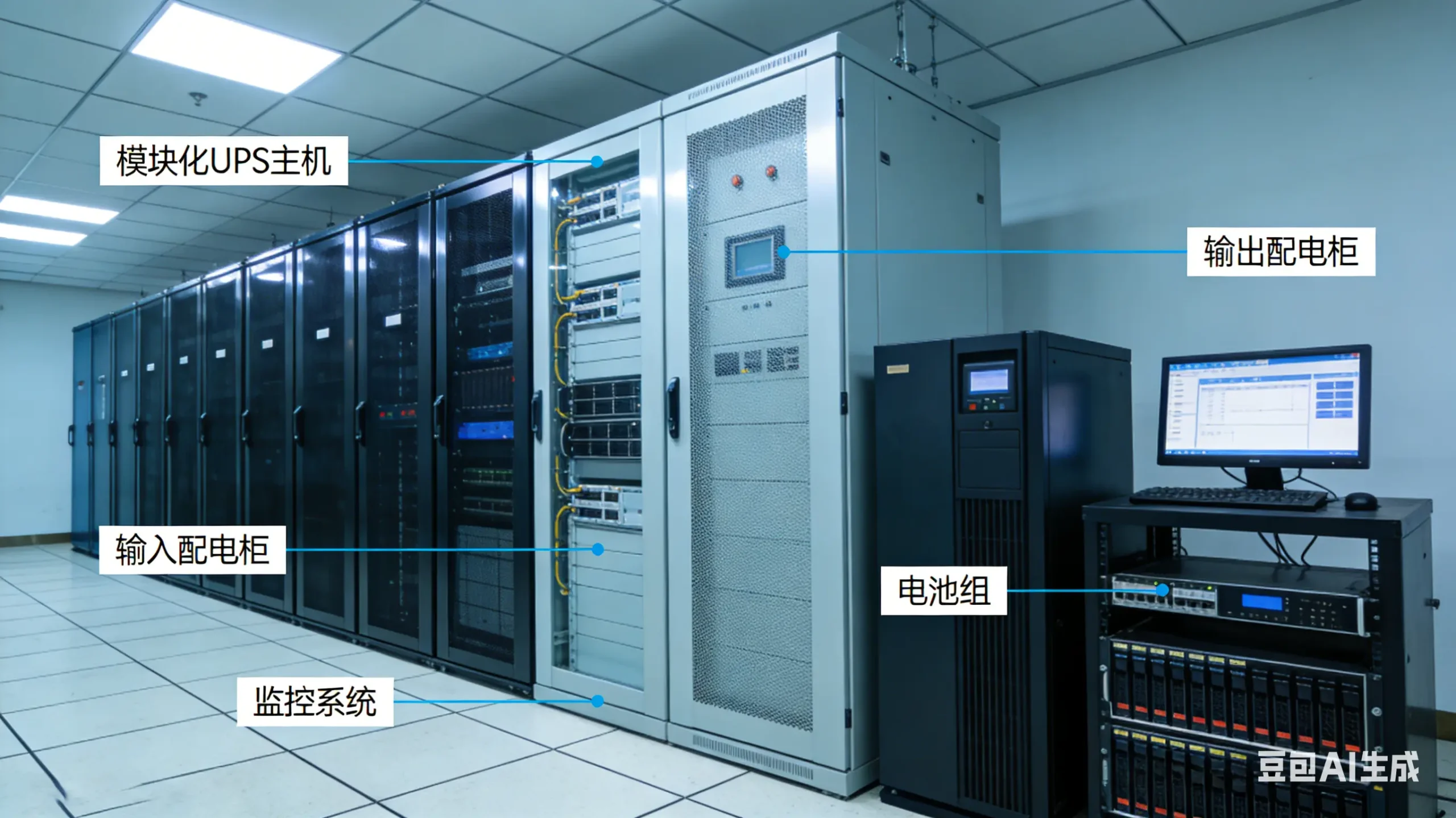
4.1 How does fire suppression work with containment?
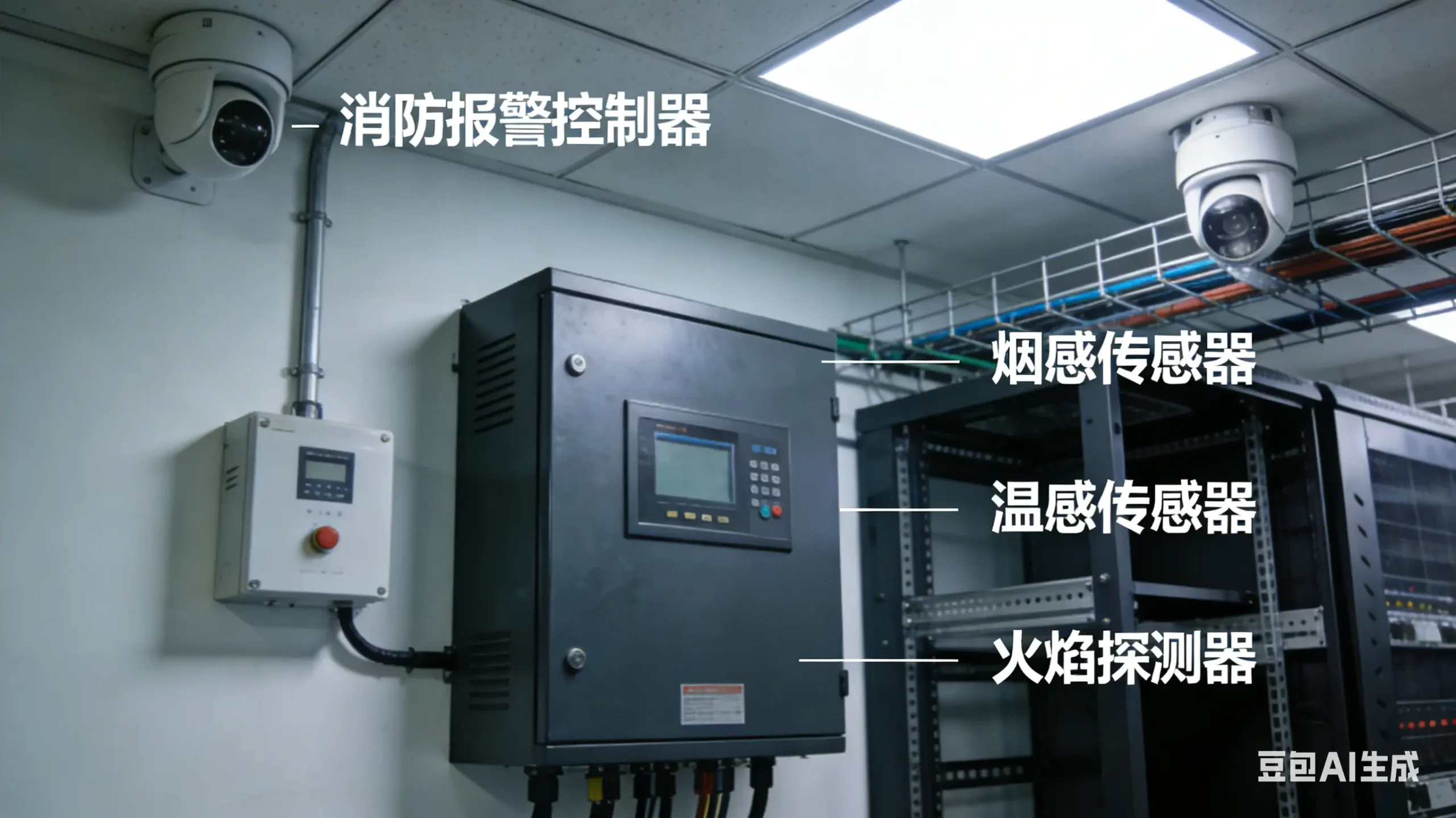
Ceiling panels include nozzle cut-outs and drop-out sections, and detector placement is coordinated so suppression and detection cover the contained volume. The containment is designed around the fire system from the start — detection reaches the enclosed space, and suppression nozzles deliver into it.
4.2 Can it be retrofitted?
Yes — containment kits install over existing rows during operation, with brackets fitting common rack brands and heights. Retrofits complete the envelope around racks already in place, so existing rows gain the efficiency without re-layout.
5. Operations
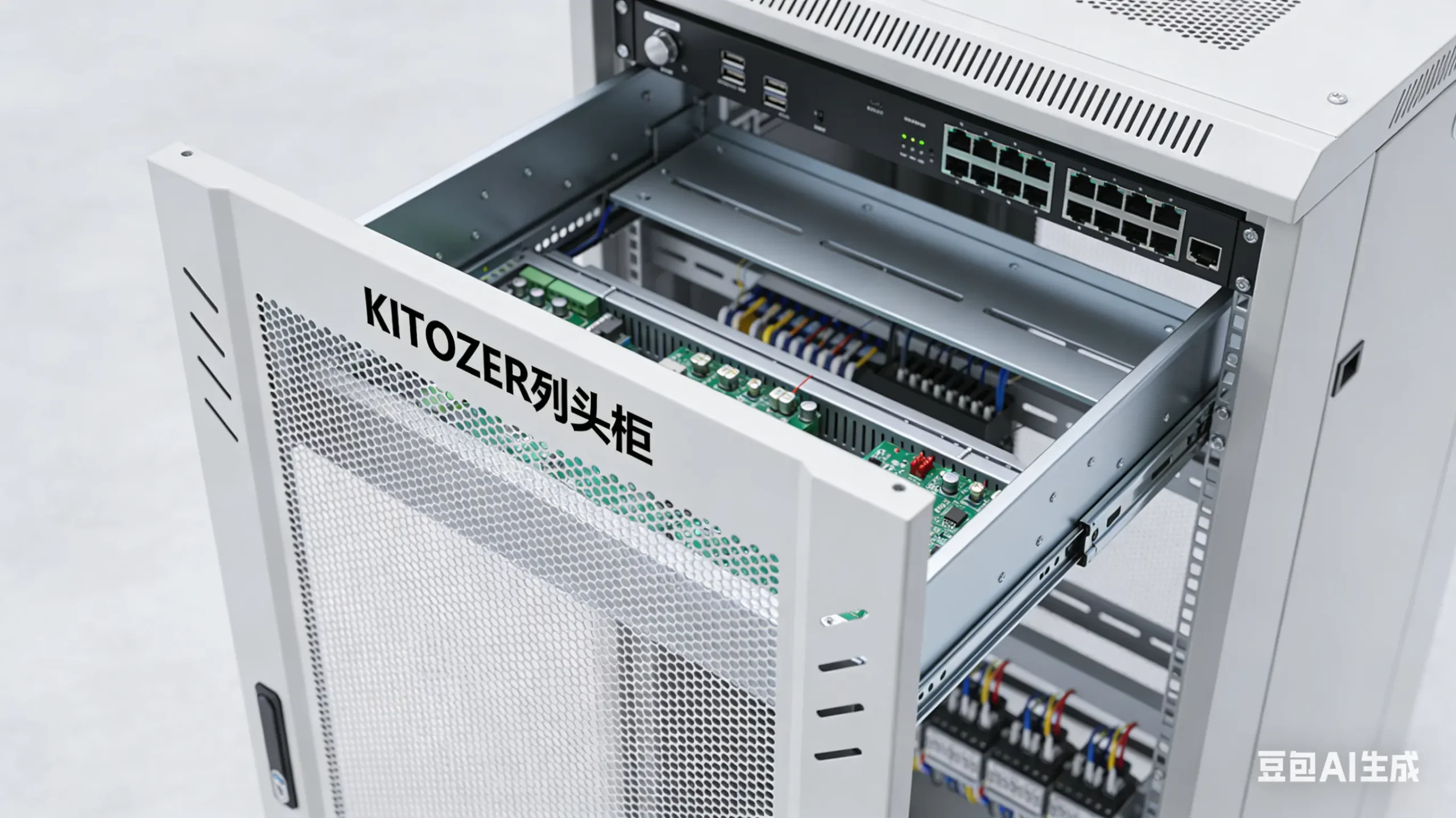
5.1 How do I verify containment performance?
Measure intake temperatures in the cold aisles and the return-air temperature at the cooling units; a working hot aisle containment keeps cold aisles near supply temperature and delivers consistently warm return air. Temperature mapping before and after shows the improvement directly.
5.2 What maintenance does containment need?
Little — periodic checks of door seals, ceiling panels and cable seals, plus re-sealing after rack moves. Because the components are mechanical, maintenance is visual and inexpensive, and spares cover accidental damage.
6. Frequently Asked Questions — Quick Reference
Dual-Row Hot Aisle Containment FAQ
1. How does dual-row hot aisle containment work?
The hot aisle between two facing rack rows is enclosed at the top and ends; server exhaust is captured and returned directly to cooling units instead of mixing with room air.
2. Hot aisle or cold aisle containment?
Both work; hot aisle containment keeps cold aisles open and comfortable for staff and suits return-air cooling; cold aisle containment suits intake-temperature priority.
3. What components are needed?
Ceiling panels, end doors, sealing strips at rack tops and joints, cable seals and, where applicable, return ducting to cooling units.
4. How does fire suppression work with containment?
Ceiling panels include nozzle cut-outs and drop-out sections, with detector placement coordinated so suppression and detection cover the contained volume.
5. What energy savings can I expect?
Typical projects save 10–30% of cooling energy by raising supply temperature or reducing air movement, while improving intake stability.
6. Can it be retrofitted?
Yes — containment kits install over existing rows during operation, with brackets fitting common rack brands and heights.
7. Does hot aisle containment make cold aisles warmer?
No — it keeps cold aisles at supply temperature because hot exhaust no longer spills into them.
8. Can containment work with row cooling?
Yes — row cooling and containment are designed together; the contained aisle feeds the row units and racks see predictable supply.
9. How do I verify performance?
Measure cold-aisle intake temperatures and cooling return temperature; a working envelope shows stable cold aisles and warm return air.
10. What documentation is provided?
Layout drawings, component schedules, fire-safety coordination notes and installation guidance.
7. Related Solutions
- Aisle Sealing Strips
- Aisle Cooling Devices
- Cabinet Thermal Control Module
- Precision Temperature & Humidity Monitoring
- Data Center Monitoring System
About Guangzhou Lain Intelligent System Development Co., Ltd.
Guangzhou Lain Intelligent System Development Co., Ltd. supplies dual-row hot aisle containment and integrated data center cooling solutions worldwide. From single rooms to enterprise facilities, KITOZER provides design, manufacturing, integration, testing and after-sales service under one roof and exports worldwide.
Contact us for a free technical consultation:
- Company: Guangzhou Lain Intelligent System Development Co., Ltd.
- Address: 1st Floor, Building A, Chaotian Industrial Park, Zhongrun Industrial Park, Shilou Town, Panyu District, Guangzhou, Guangdong, China
- Tel/WeChat: +86 13922289957 | +86 18520668845 | +86 13538869979
- WhatsApp: +86 19068534140
- Email: zl19068534140@gmail.com
- Website: www.gdlain.com | Request a Quote
Typical response time: within one business day. Project references, drawings and samples are available on request.