1. Overview: Where Every Protective Conductor Meets
Every earth connection in a facility — equipment grounds, cable screens, SPD earths, lightning down conductors and structural bonds — terminates at the grounding copper bar. It is the reference point of the whole earthing system: a low-resistance, corrosion-resistant, clearly labeled bar makes testing, maintenance and extension safe and simple, while a poor bar silently undermines every protective device connected to it.
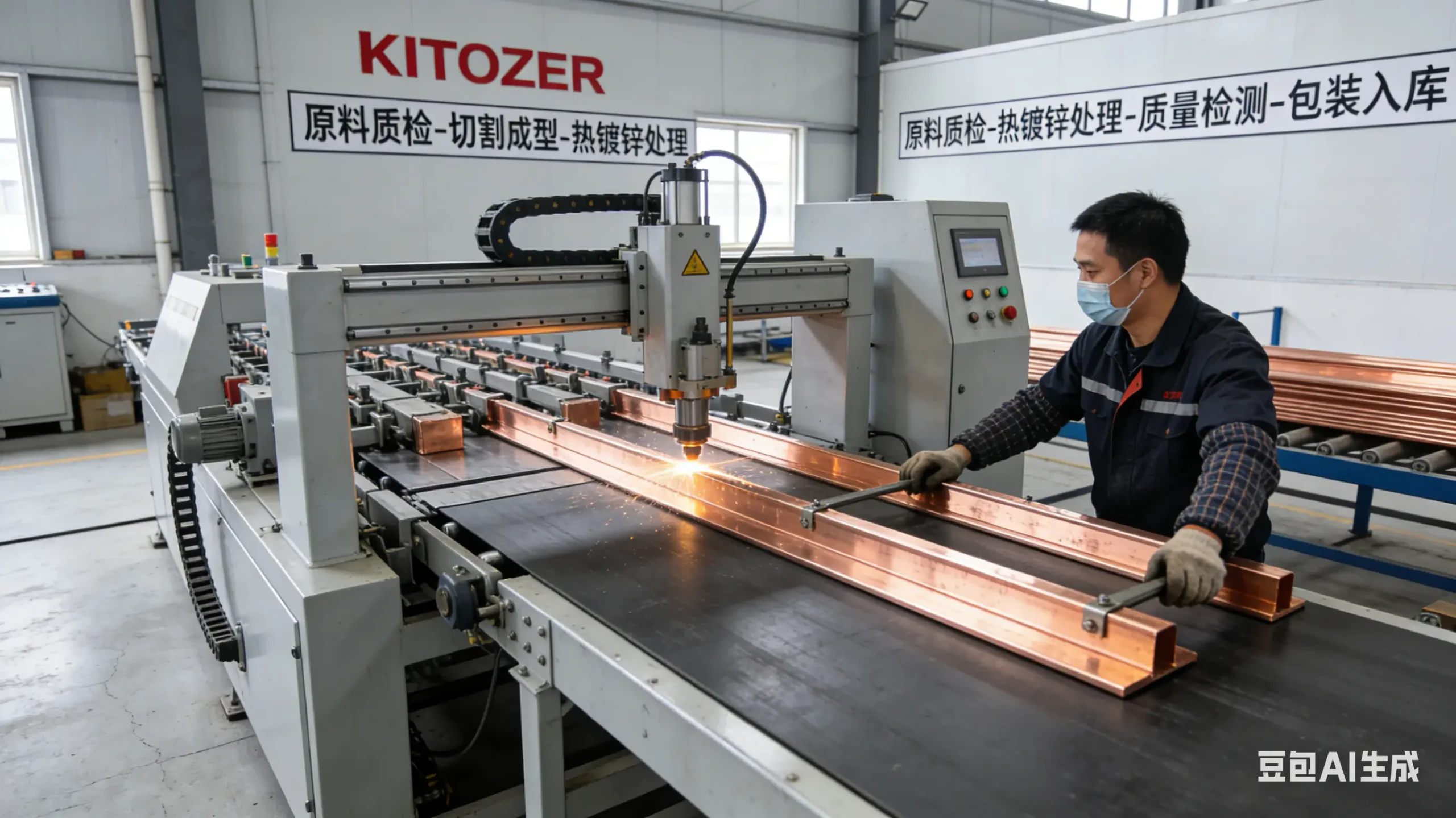
Guangzhou Lain Intelligent System Development Co., Ltd. supplies high-quality tinned copper earthing bars in standard and custom configurations for data centers, telecom rooms, electrical plants and lightning protection systems. This guide covers types, specification, quality and installation.
2. Types of Earthing Bars
2.1 Main Earthing Bars (MEB)
The central point connecting the building or room earth to all subsystems — the hub where incoming earth, SPD earths and equipment grounds converge, usually near the service entrance or main board.
2.2 Local Earthing Bars
Per-room or per-row bars giving short, clean ground connections for racks, cabinets and equipment — short leads to the bar mean lower impedance and better protection.
2.3 Lightning Protection Bars
Heavy-section bars for down-conductor termination with test disconnects, so the lightning protection system can be tested without breaking permanent bonds.

3. Specification and Quality
| Parameter | Standard Range |
|---|---|
| Material | High-conductivity copper, tinned |
| Section | 20×3 to 40×6 mm and larger |
| Length | Custom per project |
| Connection points | Drilled and tapped per schedule |
| Mounting | Insulators or direct bracket |
| Accessories | Lugs, clamps, test links, labels, enclosures |
Bars are tinned to prevent surface oxidation, keeping connection resistance low over decades. Hole patterns, length and section follow the connection schedule and fault-current rating; insulators isolate the bar from the structure per code.
4. Installation Practice
- Location — accessible, near the equipment it serves, clearly visible.
- Mounting — insulated from structure where required, mechanically secure.
- Connections — lugs cleaned and torqued to specification; anti-oxidation compound at dissimilar-metal joints.
- Bonding continuity — every section joint bonded; continuity tested.
- Identification — labels and color coding per the earthing diagram.
5. Why Quality Matters
The bar is where fault current, surge current and leakage all return to earth. A high-resistance or corroded connection here creates hot spots, dangerous touch voltages and failed protection — at the very point designed to prevent them. Certified material, correct tinning and verified installation turn the bar into the reliable foundation of the whole earthing system.

6. Frequently Asked Questions
Grounding Copper Bar FAQ
1. What is a grounding copper bar used for?
It is the central termination point where equipment grounds, cable screens, SPD earths and structural bonds connect to the earthing system.
2. Why are bars tinned?
Tinning prevents surface oxidation and corrosion, keeping connection resistance low over decades and reducing maintenance.
3. How do I choose bar size?
By the number of connections, conductor sizes and fault-current rating; typical bars are 20-40 mm wide and 3-6 mm thick with section per code.
4. Can I get custom hole patterns?
Yes — bars are drilled and tapped to your connection schedule, with positions marked and labeled for easy identification.
5. What accessories are needed?
Mounting insulators, cable lugs, clamps, test links for resistance measurement, labels and optional protective enclosures.
6. Do you supply complete kits?
Yes — full earthing bar kits per room or project are prepared from drawings, matched to conductor and lug sizes.
7. What is a test link for?
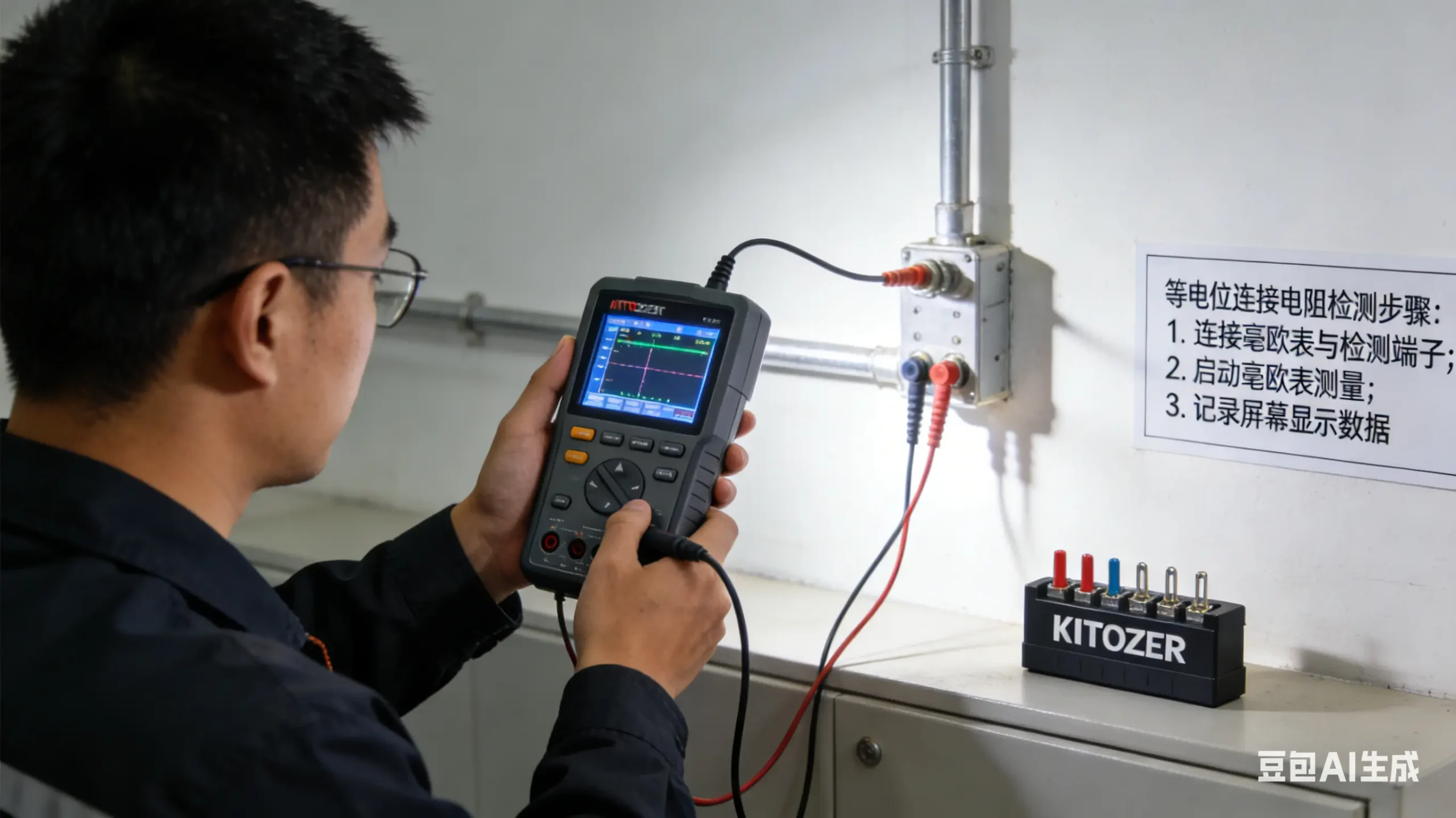
It allows earth resistance measurement without breaking permanent bonds — essential for periodic testing.
8. How is the bar earthed to the building earth?
The MEB connects by a sized conductor to the building earth electrode system, verified by resistance measurement.
9. Can bars be used outdoors?
Yes — with weatherproof enclosures and suitable mounting; material and finish are selected for the environment.
10. What standards apply?
Earthing practice follows IEC 60364 / GB 50169; material meets conductivity and corrosion requirements with certificates.
11. How often should connections be checked?
Annual torque and resistance checks are recommended; thermal imaging catches developing hot joints.
12. What documentation is provided?
Material certificates, as-built connection schedules and test records.
7. Related Solutions
- Equipotential Bonding Accessories
- SPD Modules
- Distribution SPD
- Data Center Monitoring
- Lightning Monitoring
About Guangzhou Lain Intelligent System Development Co., Ltd.
Guangzhou Lain Intelligent System Development Co., Ltd. supplies earthing bars, bonding accessories and surge protection for data centers, telecom and industry worldwide. From single rooms to enterprise facilities, KITOZER provides design, manufacturing, integration, testing and after-sales service under one roof and exports worldwide.
Contact us for a free technical consultation:
- Company: Guangzhou Lain Intelligent System Development Co., Ltd.
- Address: 1st Floor, Building A, Chaotian Industrial Park, Zhongrun Industrial Park, Shilou Town, Panyu District, Guangzhou, Guangdong, China
- Tel/WeChat: +86 135-0923-8849 | +86 135-0923-8849
- WhatsApp: +86 135-0923-8849
- Email: zl19068534140@gmail.com
- Website: www.gdlain.com | Request a Quote
Typical response time: within one business day. Project references, drawings and samples are available on request.