1. Overview: One Potential, Zero Surprises
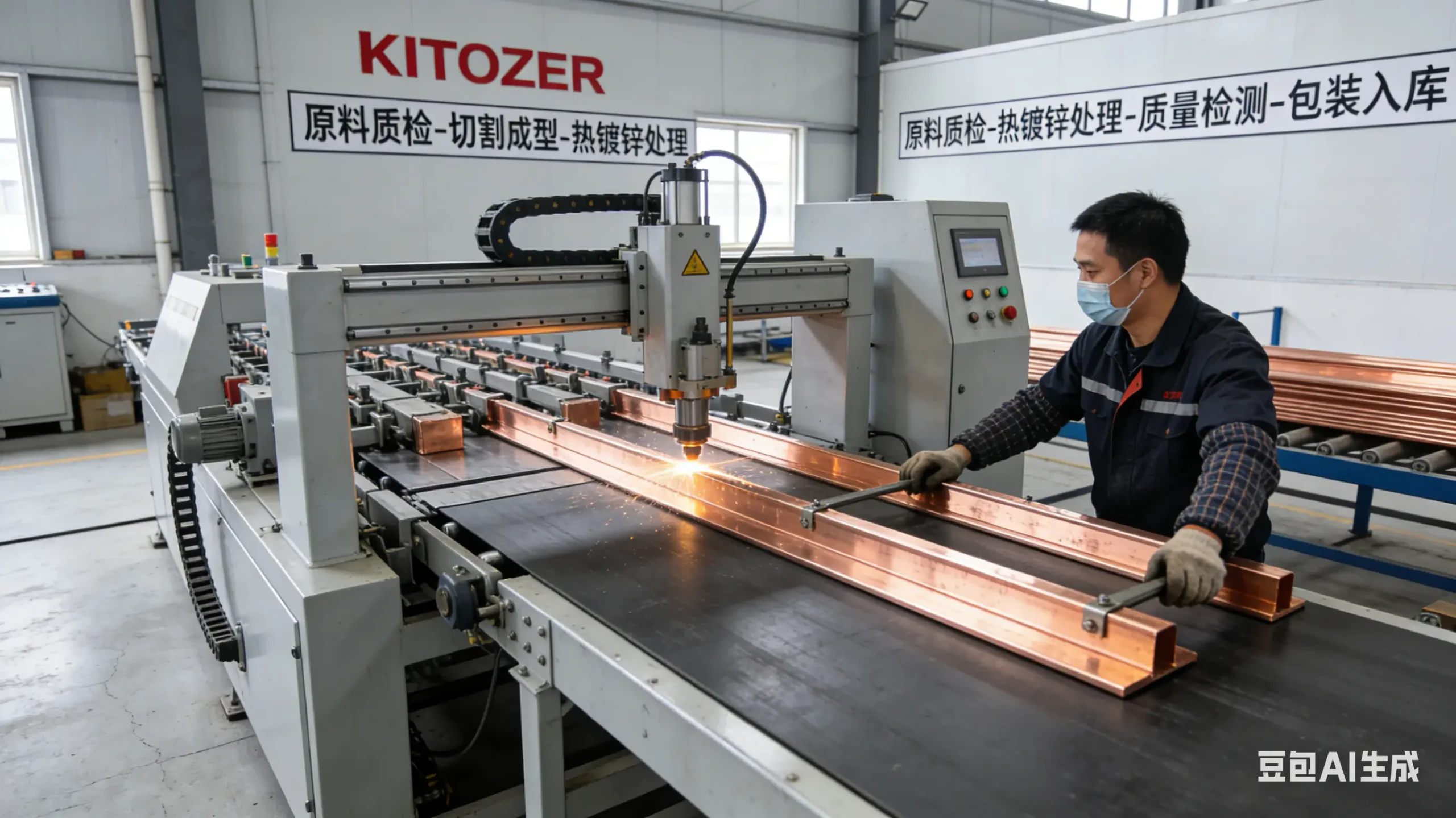
When a fault happens, current wants to flow back to the source by every path it can find – including through a technician’s body if that is the path of least resistance between two metal objects. Equipotential bonding accessories prevent this by connecting all exposed conductive parts – cabinets, racks, cable trays, doors, raised-floor pedestals, pipework – to the earthing network, so every piece of metal in the room sits at the same potential and no dangerous touch voltage can appear between them.
Guangzhou Lain Intelligent System Development Co., Ltd. supplies a complete range of equipotential bonding accessories for data centers, telecommunication rooms and industrial plants: busbars, clamps, links, connectors, braided straps and purpose-made bonding kits. This guide explains why bonding matters, which accessories to use where, and how to build a bonding network that passes inspection and protects people for decades.
2. Earthing vs Equipotential Bonding
2.1 Two Jobs, One Network
Earthing connects the installation to the general mass of earth to limit voltage and give fault current a defined path. Bonding connects exposed conductive parts to each other and to that earthing system. The earthing network is the skeleton; bonding accessories are the joints that make every metal object part of one connected, equal-potential zone.
2.2 Touch Voltage and Step Voltage
During a fault, current flowing through earth and conductors creates voltage differences between points. If two nearby metal objects are not bonded together, the difference between them can appear across a person touching both. Bonding collapses that difference to nearly zero, which is why it protects people even before protection devices operate.
3. Main Product Families
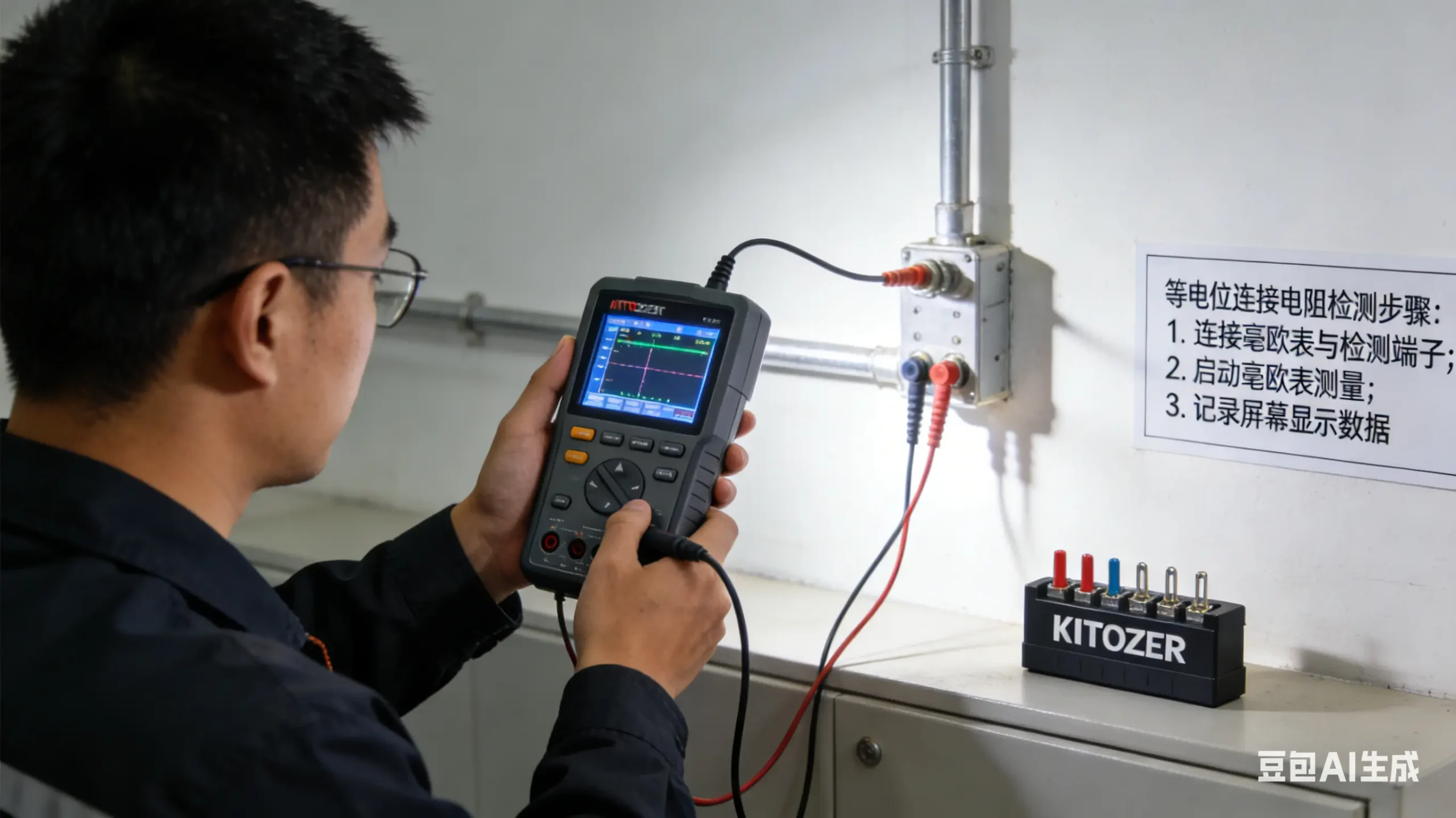
| Accessory | Typical Use | Material |
|---|---|---|
| Bonding busbars | Central connection points in cabinets, rooms and floor zones | Electrolytic copper, tin-plated copper |
| C-clamps and beam clamps | Connect conductors to structural steel and cable tray | Copper alloy, galvanized steel |
| Cable lugs and terminals | Terminate bonding conductors at busbars and equipment | Tinned copper, compression or screw type |
| Braided bonding straps | Flexible connections to doors, rails and moving parts | Tinned copper braid |
| Bonding links and jumpers | Short connections across joints, panels and tray sections | Copper, stainless steel |
| Grounding bars and kits | Room and cabinet bonding kits with all hardware | Copper with insulated standoffs |
4. Where Bonding Accessories Are Used
4.1 Cabinet and Rack Bonding
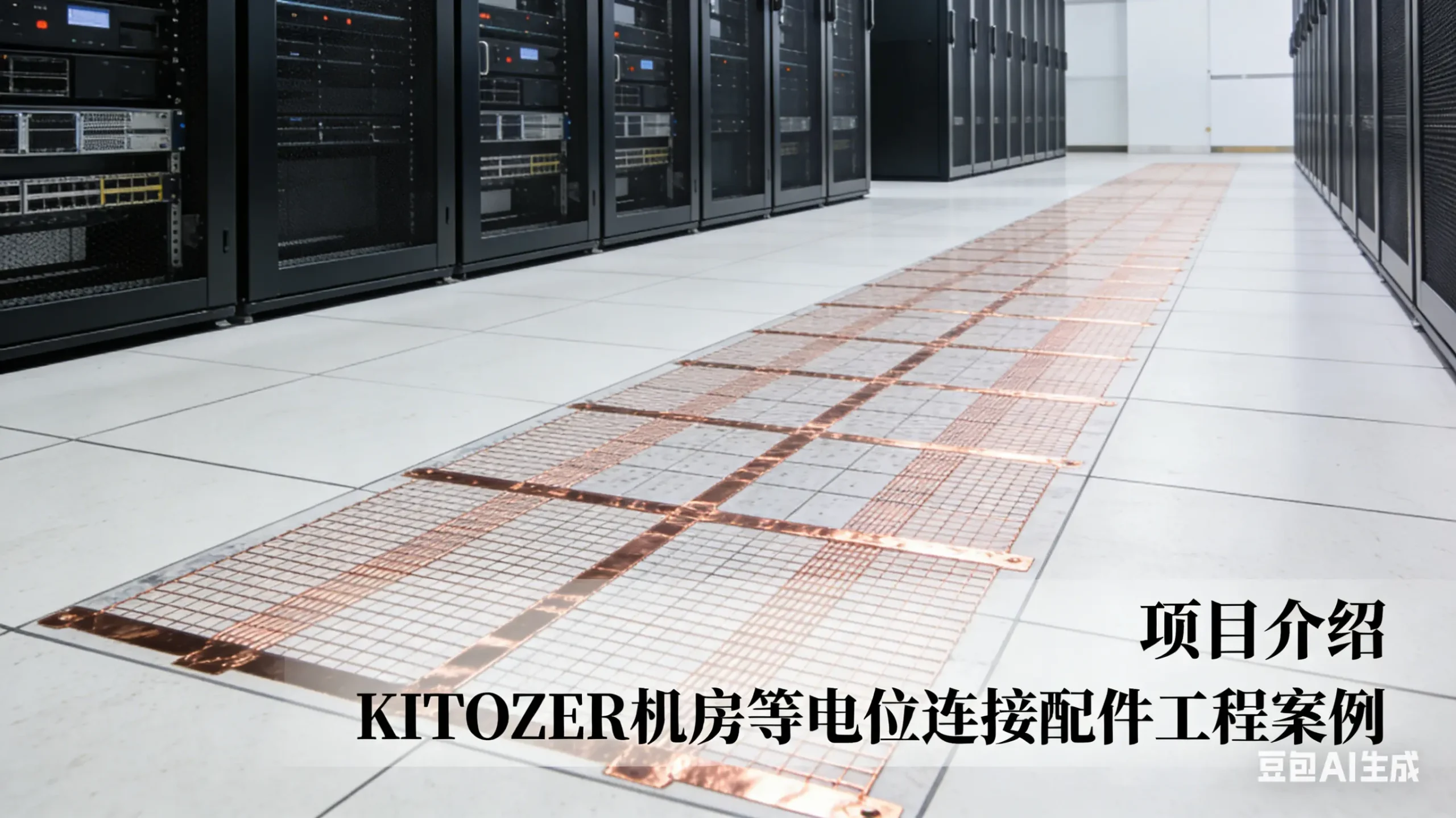
Every cabinet and rack must be bonded to the room earthing network with its own connection – normally a dedicated bonding conductor from the cabinet earth bar to the floor or wall busbar. Doors, side panels and removable sections that are not positively connected through hinges need flexible braided straps so the door is always at cabinet potential.
4.2 Raised Floor and Ceiling Systems
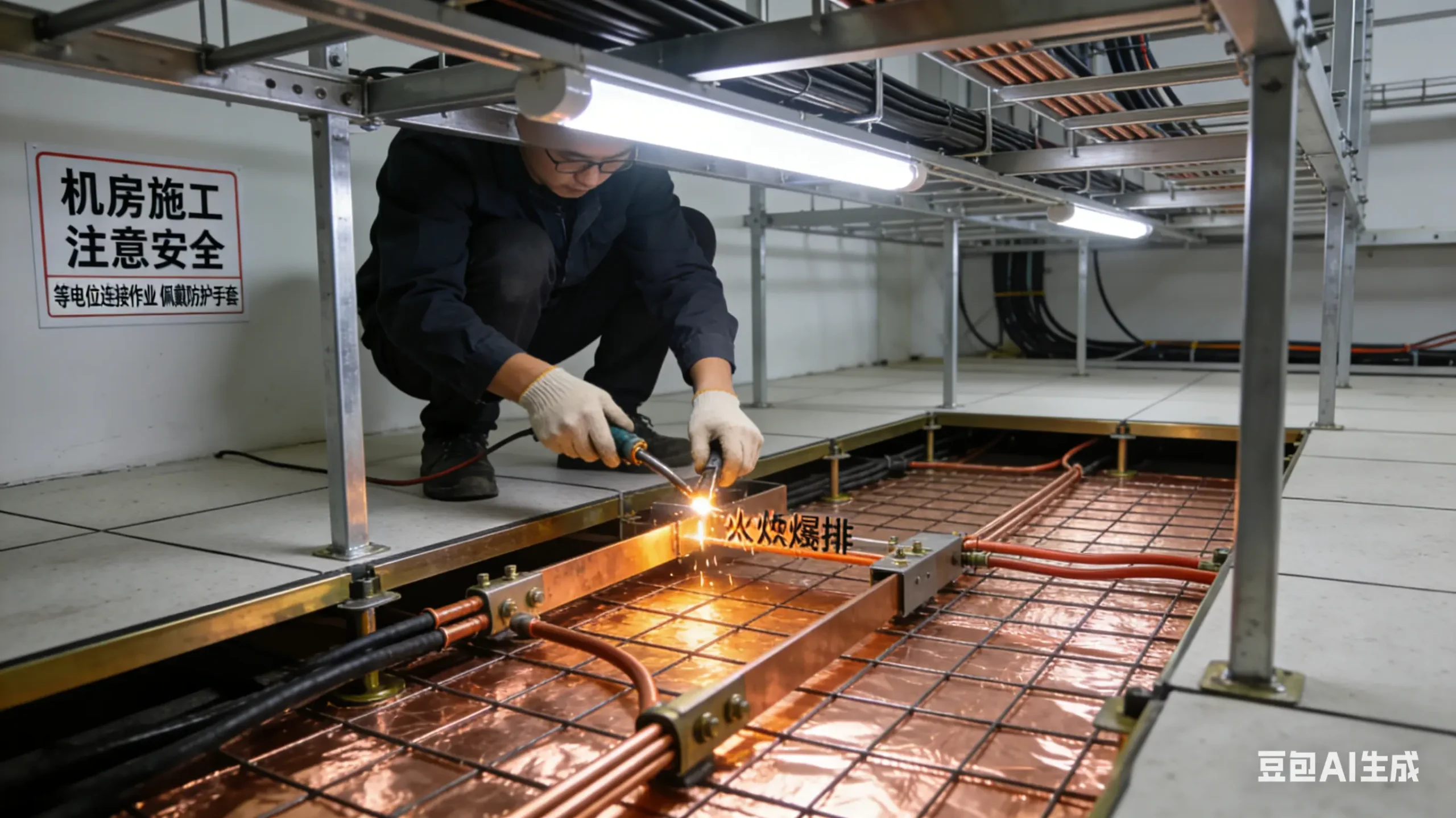
Raised-floor pedestals, stringers and access panels are metal and sit above the earthing grid; they are bonded through the pedestal grid or linked to the network at defined points. Cable trays, baskets and ceiling support grids likewise need bonding at regular intervals so a long metal run cannot develop a dangerous potential gradient or become an unintended current path.

4.3 Cable Tray, Pipework and Structural Steel
Cable tray sections are usually bolted together, but paint and corrosion make every joint electrically unreliable. Bonding links across tray joints, and clamps where trays terminate at cabinets, guarantee continuity regardless of the mechanical connection. Nearby metallic pipework and structural columns are bonded where they enter the room or zone.
5. Materials and Standards
| Item | Recommendation |
|---|---|
| Conductor material | Electrolytic copper; tinned copper in humid or corrosive environments |
| Busbar plating | Tin-plated copper for low contact resistance and corrosion resistance |
| Clamp design | Wide contact area, serrated or plated contact surfaces, corrosion-resistant hardware |
| Standards | IEC 60364-4-41, IEC 62305-3, GB 50174, GB 50343 and local electrical codes |
| Continuity target | Bonding resistance normally below 0.1 ohm between bonded parts and the earthing network |
| Identification | Green/yellow conductors and labels at every main bonding point |
6. Installation and Verification Checklist
6.1 Installation Sequence
Install bonding after the earthing network is in place but before final cable dressing: fix busbars, connect each cabinet and tray run, fit door straps, then verify every connection. Use torque-controlled terminations on lugs and clamps – a loose connection is a hidden resistance that defeats the whole point of bonding.
6.2 Verification
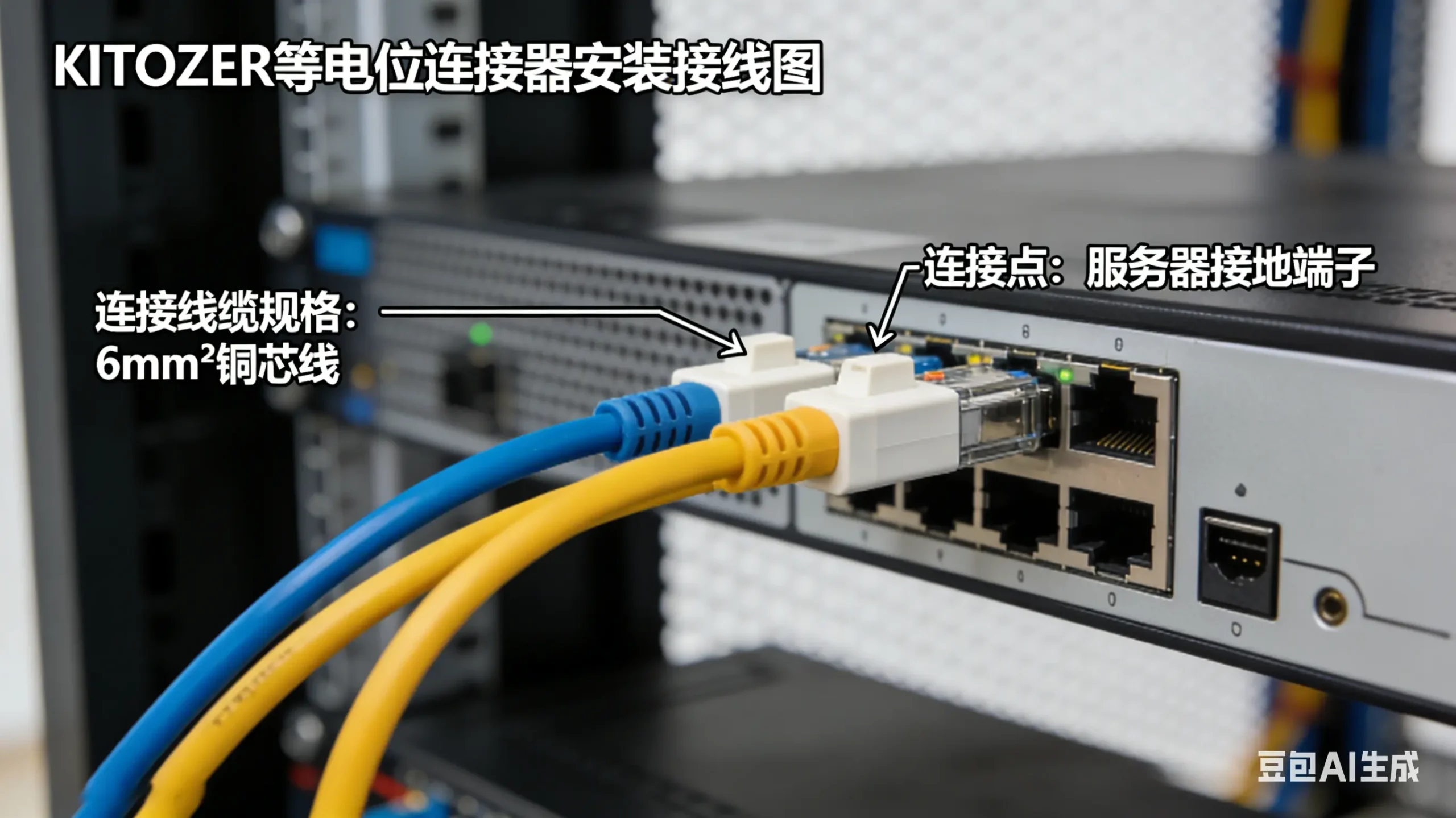
After installation, measure continuity between representative points and the main earth bar, confirm the resistance is below the project limit, and record the readings. Periodic re-testing is recommended after major modifications, because corrosion, vibration and maintenance work can silently open a bond.
7. Frequently Asked Questions
Equipotential Bonding Accessories FAQ
1. What is equipotential bonding?
Connecting all exposed conductive parts in a room or installation so they stay at the same electrical potential, preventing dangerous touch voltages during faults.
2. Why is bonding needed in a computer room?
Data centers contain thousands of metal objects – racks, trays, pedestals, doors – and sensitive electronics; bonding protects people and keeps interference and fault currents under control.
3. What is the difference between earthing and bonding?
Earthing connects the installation to earth; bonding interconnects exposed metal parts and ties them to the earthing network so no dangerous voltage difference can exist between them.
4. Do cabinet doors need their own bond?
If the door is connected through bare metal hinges with good contact it may not, but painted or friction hinges are unreliable, so a flexible braided strap is the safe standard.
5. Which material is best for busbars?
Electrolytic copper, preferably tin-plated, for low resistance and corrosion resistance in humid technical rooms.
6. What resistance should a bond have?
Bonding continuity is typically required to be below 0.1 ohm between the bonded part and the earthing network; verify with a low-resistance ohmmeter.
7. Can cable tray sections rely on their bolts for bonding?
No – paint, corrosion and loose bolts make bolted joints unreliable. Use bonding links across tray joints or verify continuity and add links where it fails.
8. What does a bonding kit include?
A typical kit includes a busbar with insulated standoffs, lugs, clamps, braided straps, green/yellow conductor and fixing hardware sized for the cabinet or zone.
9. Do I need bonding in a lightning protection system?
Yes – bonding is essential in lightning protection to prevent side flashes between separated metal parts during a strike; IEC 62305 and GB 50343 define the requirements.
10. How often should bonding be tested?
Test at commissioning and after any significant modification; many operators re-test annually as part of the electrical maintenance program.
11. Are outdoor installations different?
Outdoor and corrosive environments use tinned copper, stainless hardware and sealed joints to resist moisture and chemicals.
12. Do you supply custom bonding assemblies?
Yes – Guangzhou Lain prepares room and cabinet bonding kits to your layout, including custom busbar lengths, drilled lugs and labeled conductors.
8. Related Solutions
- Grounding Copper Bar
- Lightning Monitoring System
- Base Station SPD Module
- Distribution Switchgear
- LV Distribution Cabinet
- Data Center Turnkey Integration
About Guangzhou Lain Intelligent System Development Co., Ltd.
Guangzhou Lain Intelligent System Development Co., Ltd. supplies equipotential bonding accessories and complete earthing and bonding solutions for data centers, telecommunication rooms and industrial plants worldwide. From single rooms to enterprise facilities, KITOZER provides design, manufacturing, integration, testing and after-sales service under one roof and exports worldwide.
Contact us for a free technical consultation:
- Company: Guangzhou Lain Intelligent System Development Co., Ltd.
- Address: 1st Floor, Building A, Chaotian Industrial Park, Zhongrun Industrial Park, Shilou Town, Panyu District, Guangzhou, Guangdong, China
- Tel/WeChat: +86 135-0923-8849 | +86 135-0923-8849
- WhatsApp: +86 135-0923-8849
- Email: zl19068534140@gmail.com
- Website: www.gdlain.com | Request a Quote
Typical response time: within one business day. Project references, drawings and samples are available on request.