1. Overview: The Heart of Every MV Network
Between the high-voltage transmission grid and the low-voltage world of sockets and motors sits the medium-voltage network — and at every switching, protection and control point in that network stands HV switchgear (MV switchgear). It carries the current, breaks it under fault, isolates sections for maintenance, and reports the state of the network to operators. When switchgear fails, whole feeders or substations go dark; when it is well designed and maintained, faults are cleared in milliseconds and confined to the smallest possible section.
Guangzhou Lain Intelligent System Development Co., Ltd. manufactures HV switchgear for 10kV-35kV distribution networks, substations, industrial plants, renewables and infrastructure projects. This guide covers the roles of MV switchgear, its main components and types, protection functions, selection criteria and operating practice.

2. What HV Switchgear Does
2.1 Circuit Interruption and Protection
A circuit breaker inside the switchgear clears normal load currents and, critically, interrupts short-circuit currents within tens of milliseconds. Protection relays sense the fault and trip only the affected breaker, keeping the rest of the network in service.
2.2 Isolation and Earthing
Disconnectors provide a visible air gap so maintenance crews can verify a circuit is dead, and earthing switches hold the isolated section at earth potential. Interlocks make it physically impossible to open an isolator under load or to close the earthing switch on a live circuit.
2.3 Measurement and Control
Current and voltage transformers feed both protection relays and metering instruments, while the control system — local or remote through SCADA — operates breakers, monitors status and records events.
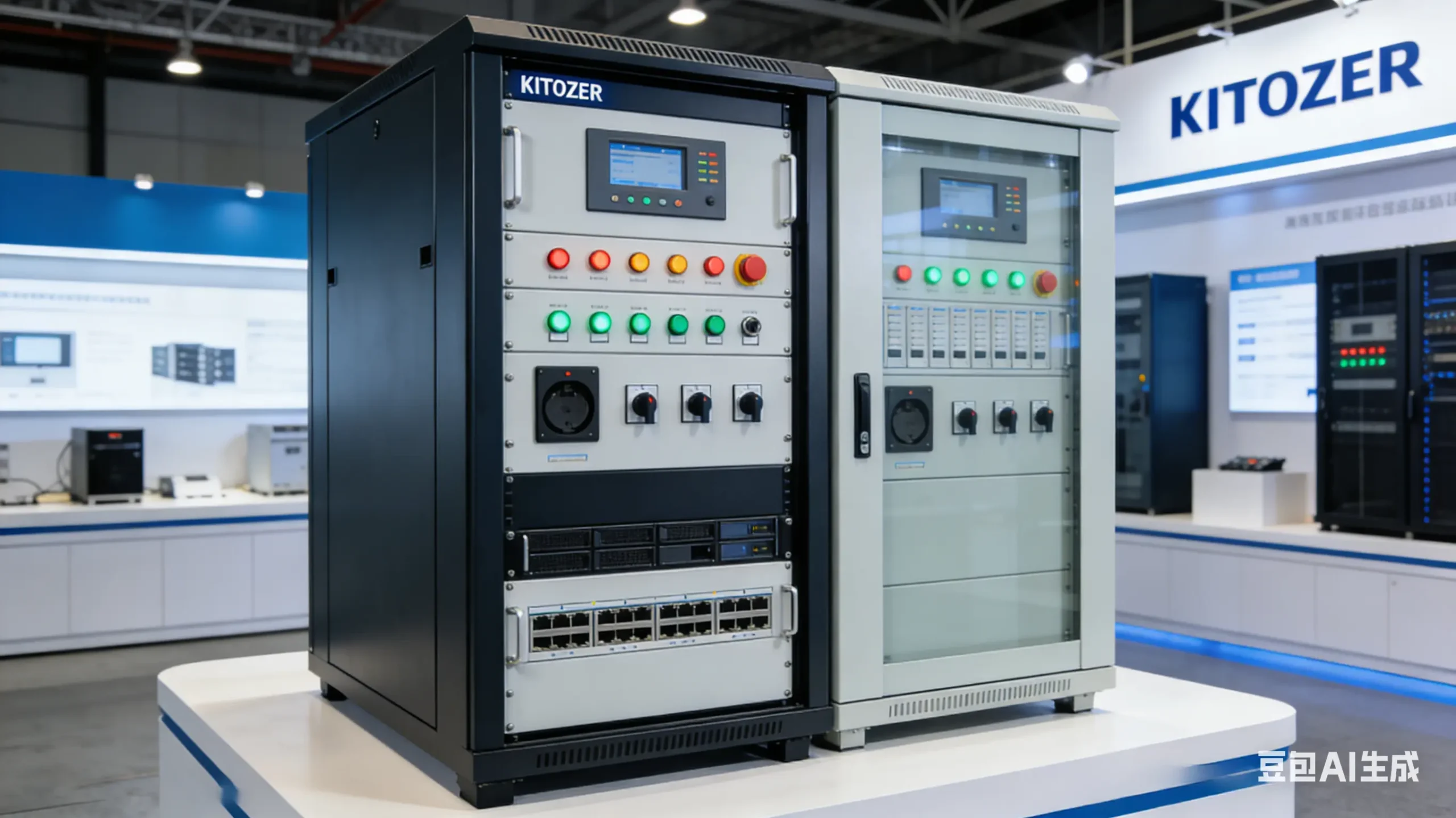
3. Main Components
| Component | Function | Key Requirement |
|---|---|---|
| Circuit breaker | Interrupts load and fault current | Rated short-circuit breaking capacity |
| Disconnector (isolator) | Visible disconnection for safety | Clear air gap, interlocked operation |
| Earthing switch | Earthing isolated sections | Closed only when circuit is dead |
| Busbar system | Distributes power between bays | Rated current and short-time withstand |
| Current transformers | Feed relays and meters | Separate metering/protection cores |
| Voltage transformers | Voltage sensing and supply | Accuracy class per application |
| Protection relay | Detects faults and trips breaker | Selective, fast, reliable operation |
| Control/indication panel | Local operation and status | Clear mimic and alarms |
4. Types of HV Switchgear
| Type | Technology | Typical Application |
|---|---|---|
| Air-insulated switchgear (AIS) | Air as main insulation | Substations, industrial plants |
| SF6 / gas-insulated switchgear (GIS) | SF6 gas insulation, compact | Urban and indoor sites, limited space |
| Ring main unit (RMU) | Compact ring switching | Distribution feeders, transformer spurs |
| Withdrawable (truck) breaker | Breaker withdraws for maintenance | MV motor and feeder control centres |
| Fixed breaker switchgear | Fixed mounting | Simple feeders and transformers |
| Solid-insulated / hybrid | Solid or mixed insulation | Modern low-maintenance networks |
Each technology trades cost, footprint, maintenance and environmental considerations. AIS is economical and easy to maintain; GIS is far more compact and immune to pollution; RMUs bring automation to ring networks economically.
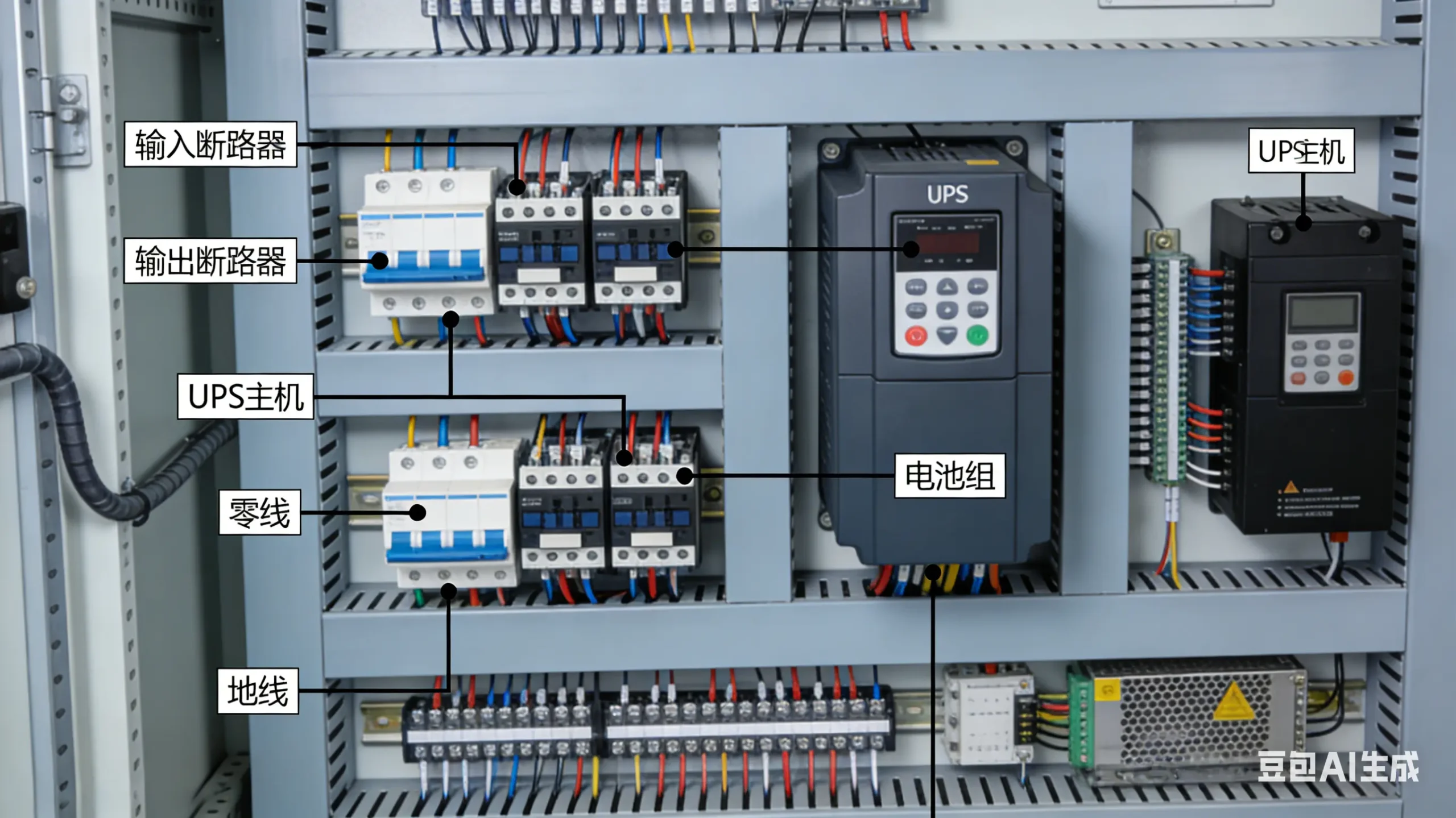
5. Protection Functions
- Overcurrent and earth fault — the basic feeder protections, with inverse-time or definite-time curves coordinated across the network.
- Directional overcurrent — where fault current can flow both ways (rings, parallel feeders, embedded generation).
- Transformer protections — overcurrent, restricted earth fault, differential and over-temperature for power and distribution transformers.
- Motor protections — locked rotor, stall, overload and thermal models for MV motors.
- Busbar protection — high-speed differential clearing of bus faults where continuity is critical.
- Voltage and frequency — undervoltage, overvoltage, under/over-frequency for generators and grid connections.
6. Applications
- Distribution substations — incoming, bus-coupler and feeder bays at 10kV and 35kV.
- Industrial power systems — MV supply to motors, furnaces, compressors and process loads.
- Commercial and campus networks — medium-voltage rings feeding building transformers.
- Renewables — collector and inverter/transformer switching for solar, wind and storage plants.
- Infrastructure — airports, rail, water and data centres with demanding continuity requirements.
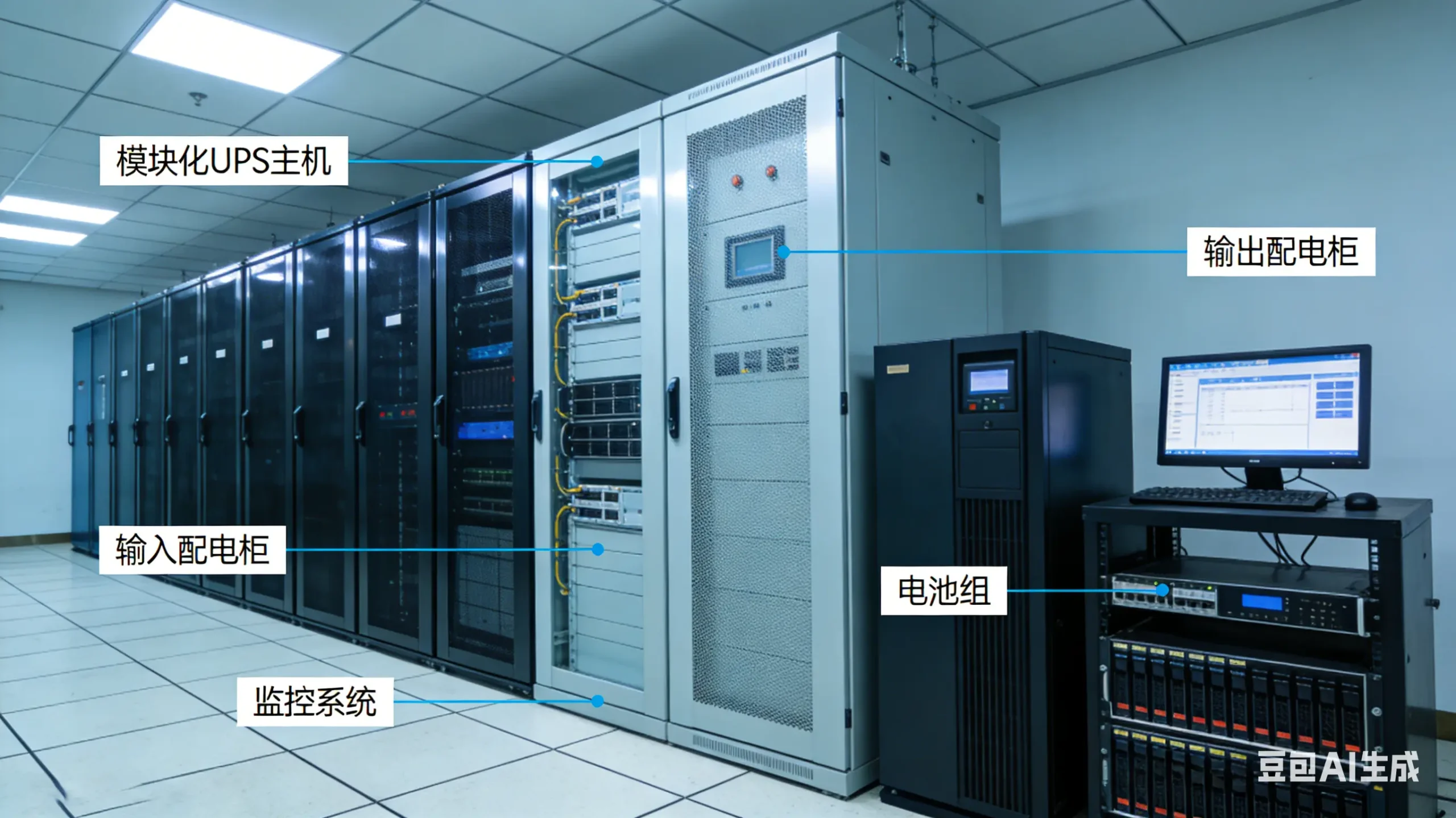
7. Selecting HV Switchgear
- Voltage and insulation level — 12kV, 24kV or 40.5kV class to match the network and surge environment.
- Rated current — busbar and breaker ratings above the maximum feeder load with planned growth.
- Short-circuit rating — breaking and short-time current must exceed the fault level at the installation point.
- Configuration — number of feeders, bus sections, metering and protection requirements.
- Technology — AIS, GIS, RMU or withdrawable based on space, environment and maintenance strategy.
- Environment — indoor or outdoor, pollution class, altitude derating, temperature and humidity.
8. Operation and Maintenance
Good switchgear practice means scheduled inspection of contacts and mechanisms, functional testing of relays and trip circuits, thermographic surveys of connections, and verification of interlocks. Modern switchgear with protection relays records event logs and disturbance records, so an engineer can analyse exactly what happened before, during and after a fault instead of relying on memory. KITOZER supplies full documentation, training and after-sales support to keep MV assets running safely for decades.
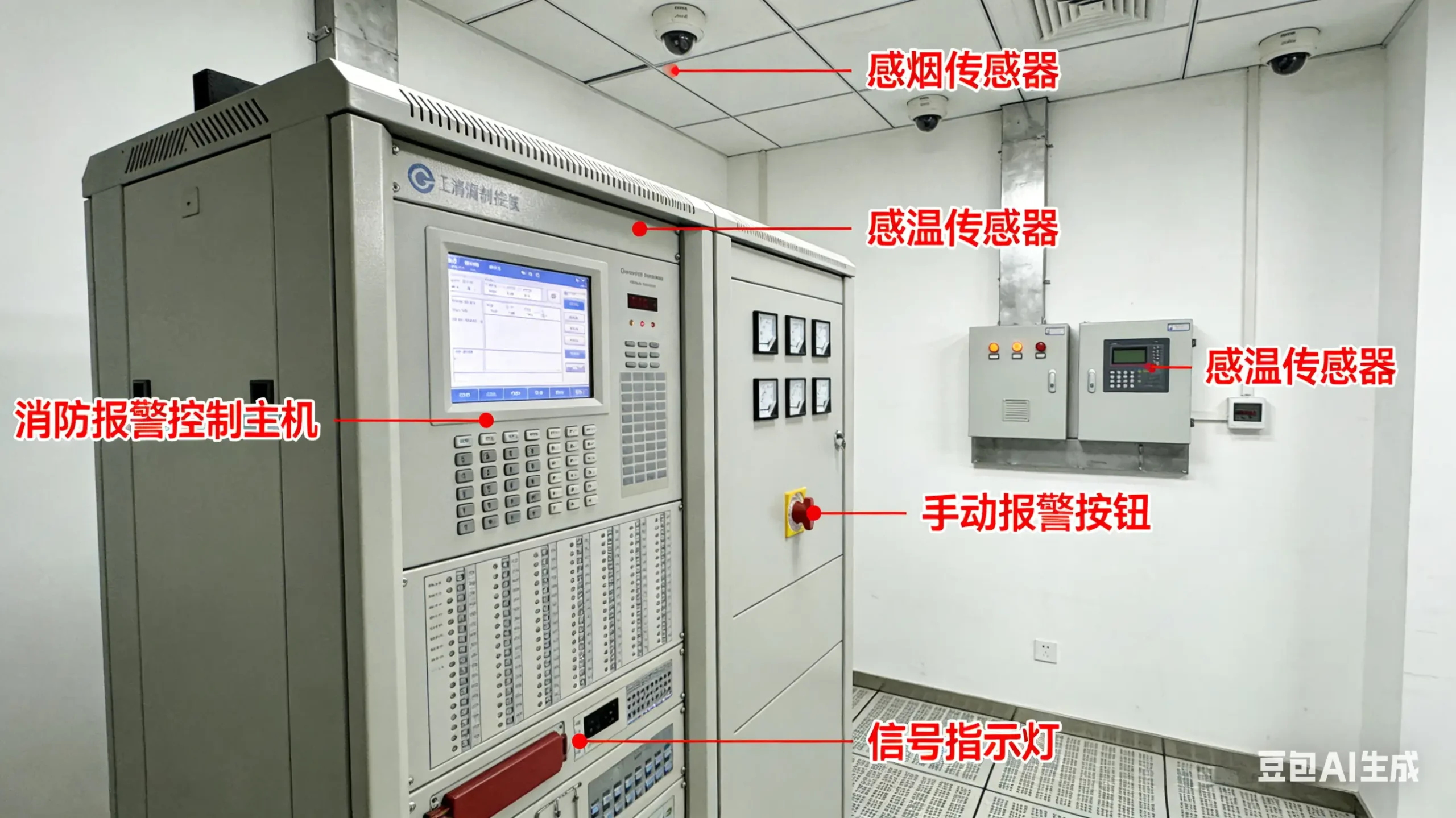
9. Integration with Monitoring and SCADA
Switchgear bays communicate over IEC 61850 or Modbus to station controllers and SCADA, delivering breaker status, alarms, measurements and control from a control room or mobile device. Condition monitoring — partial discharge, mechanism operation counts, contact wear, temperature — turns reactive maintenance into planned intervention, reducing unplanned outages on critical feeders.
10. Frequently Asked Questions
HV Switchgear FAQ
1. What is the difference between HV switchgear and a switchboard?
Switchgear includes the full protection and switching functions — breakers, relays, CTs/VTs and interlocks — while a switchboard is typically a simpler distribution assembly. In practice the terms are used loosely; the engineering requirements define what is needed.
2. What voltage ranges does MV switchgear cover?
In most networks, MV switchgear covers 3kV to 40.5kV, with the common distribution classes being 12kV (10kV) and 24/40.5kV (35kV).
3. How is a fault cleared?
Protection relays measure CT/VT signals, detect the fault in milliseconds and trip the associated circuit breaker, interrupting the current at the next current zero.
4. What is a ring main unit?
An RMU is a compact switchgear assembly for ring networks, typically combining load-break switches, a fuse or breaker protecting the transformer, and provision for cable feeders.
5. GIS or AIS – which is better?
AIS is cheaper and easier to maintain outdoors; GIS is much smaller, sealed and immune to pollution, ideal for urban, indoor and harsh environments. The choice depends on space, budget and site conditions.
6. Can old switchgear be upgraded?
Yes — KITOZER supplies replacement breakers, retrofitted protection relays and extension bays that modernise existing MV panels without full replacement.
7. What protection does a transformer feeder need?
Typically overcurrent and earth fault with a restricted earth fault or differential scheme for larger transformers, plus temperature protection.
8. How is switchgear tested?
Type tests cover short-circuit, temperature rise, mechanical endurance and dielectric performance; routine tests are performed on every panel before despatch.
9. Do you supply indoor and outdoor versions?
Yes — indoor metal-clad switchgear, outdoor weatherproof kiosks and compact GIS are all manufactured.
10. What documentation is provided?
Type-test certificates, single-line diagrams, wiring diagrams, operation and maintenance manuals, and commissioning support.
11. Related Solutions
- HV Metering Cabinet
- HV Isolator Cabinet
- 10kV/35kV HV Distribution Module
- Instrument Transformers
- LV Distribution Cabinet
- Distribution Switchgear
About Guangzhou Lain Intelligent System Development Co., Ltd.
Guangzhou Lain Intelligent System Development Co., Ltd. manufactures MV/HV switchgear, RMUs, isolator cabinets and protection-integrated power solutions for utilities, industry and infrastructure worldwide. From single rooms to enterprise facilities, KITOZER provides design, manufacturing, integration, testing and after-sales service. Export and support scope are confirmed on the quotation..
Contact us for a free technical consultation:
- Company: Guangzhou Lain Intelligent System Development Co., Ltd.
- Address: 1st Floor, Building A, Chaotian Industrial Park, Zhongrun Industrial Park, Shilou Town, Panyu District, Guangzhou, Guangdong, China
- Tel: +86 13538869979
- WhatsApp: +86 13538869979
- Email: zl19068534140@gmail.com
- Website: www.gdlain.com | Request a Quote
Typical response time: within one business day. Project references, drawings and samples are available on request.