1. Overview: The Electrical Heart of a Local Energy System
A microgrid ties solar, storage, diesel and loads into one local power system that can run grid-connected or islanded. The microgrid distribution module is the electrical heart of that system — the engineered assembly where AC and DC distribution, conversion interfaces, protection and measurement all come together so the controller can manage power flow safely and efficiently.
Guangzhou Lain Intelligent System Development Co., Ltd. supplies microgrid distribution modules for commercial, industrial, agricultural and remote energy systems. This guide explains what the module integrates, how AC-coupled, DC-coupled and hybrid architectures change the design, and how to specify a module that will protect people and equipment for decades.
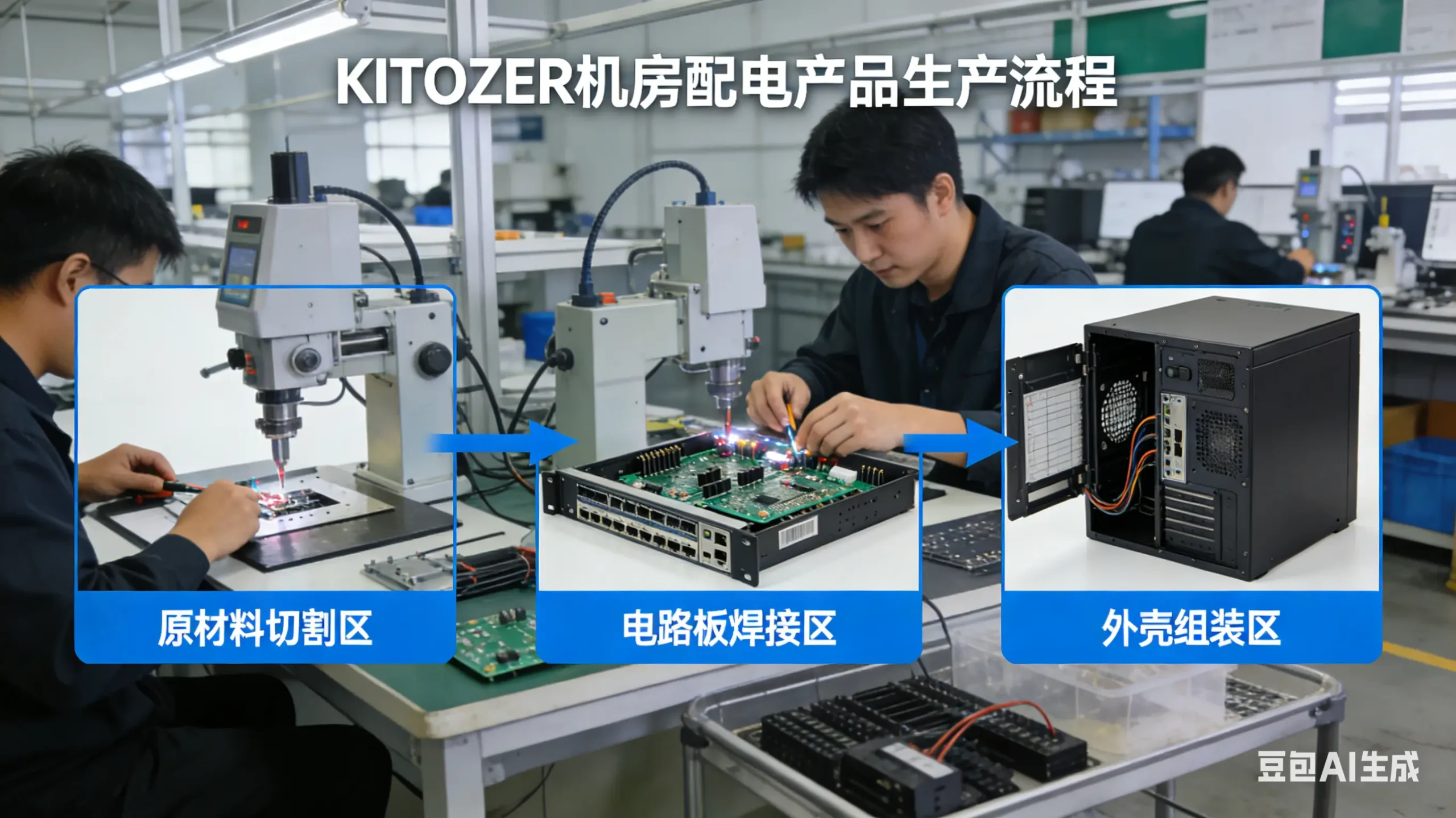
2. What the Module Does in the System
| Role | What Happens Inside |
|---|---|
| AC distribution | Grid/generator intake, load feeders and bypass with breakers, SPDs and metering |
| DC distribution | PV and battery DC circuits with disconnects, fuses and surge protection in DC-coupled designs |
| Conversion interfaces | Connection points and communication wiring for PCS/inverters |
| Control and measurement | CTs, meters and I/O that give the microgrid controller the data to manage power flow |
| Protection coordination | Selective tripping between grid, inverter and load protection devices |
| Safety and isolation | Interlocking, labeling and safe disconnection for islanded operation |
The distribution module is therefore not a simple switchboard — it is the coordination point between energy sources, storage, loads and the controller that optimizes them.
3. What the Module Integrates
A complete microgrid distribution module combines several subsystems in one factory-tested assembly:
- AC distribution — grid/generator intake, load feeders and bypass with breakers, SPDs and metering.
- DC distribution — PV and battery DC circuits with disconnects, fuses and surge protection where a DC-coupled architecture is used.
- Conversion interfaces — accommodation for PCS/inverters with AC and DC connection points and communication wiring.
- Control and measurement — CTs, meters and I/O that give the microgrid controller the data to manage power flow.
Because all of these are designed together, cable lengths are minimized, protection zones are clearly defined and the interface to the energy management system is a single documented point.
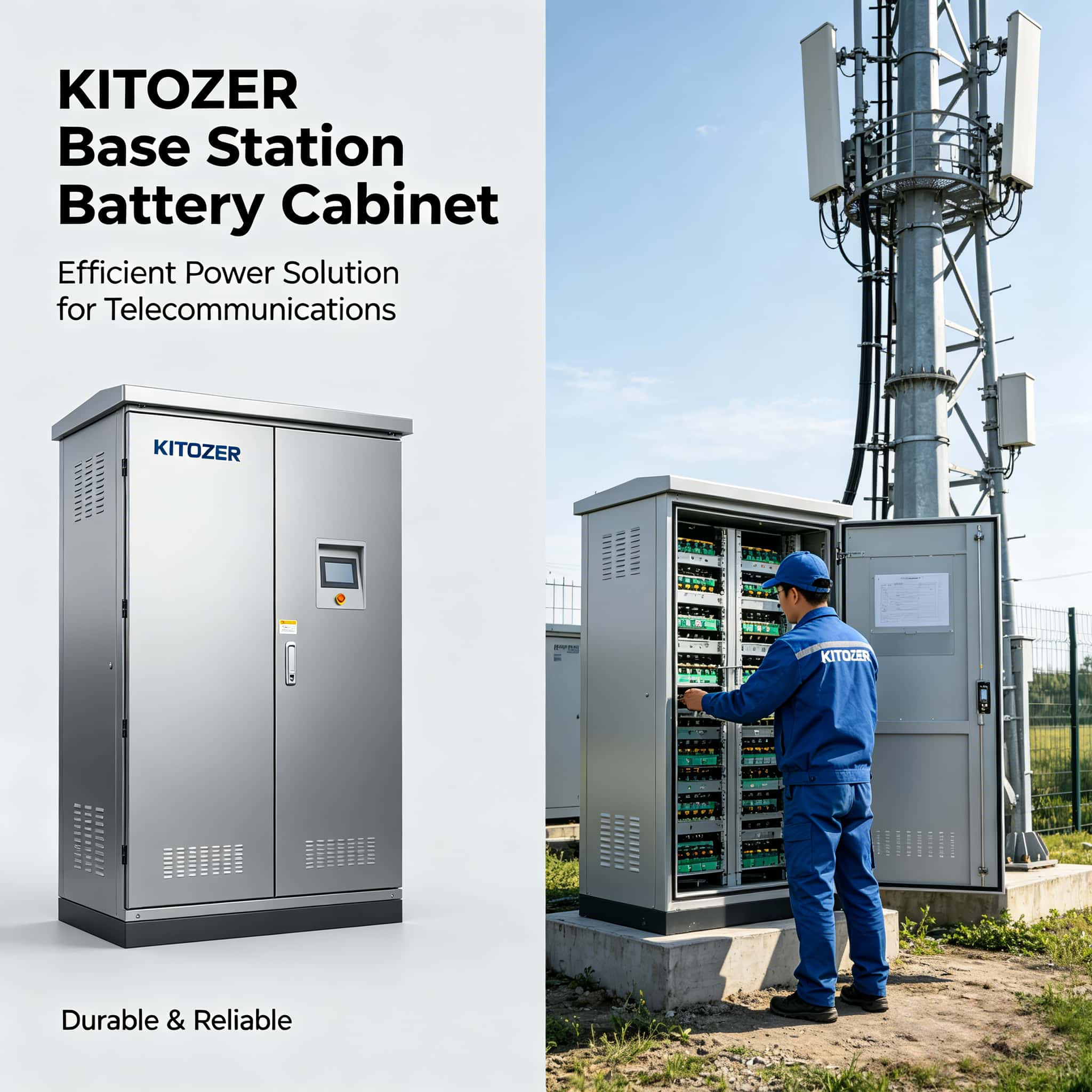
4. AC-Coupled, DC-Coupled and Hybrid Architectures
| Architecture | How It Connects | Best Suited To |
|---|---|---|
| AC-coupled | PV inverters and battery PCS connect on the AC side; one AC bus serves all sources and loads | Retrofits, systems with existing PV inverters, mixed sources |
| DC-coupled | PV connects to the DC bus of the battery PCS; fewer conversions and higher round-trip efficiency | New PV + storage systems where efficiency matters most |
| Hybrid | Both DC and AC coupling used; DC side for PV and battery, AC side for grid, genset and loads | Larger microgrids with complex dispatch requirements |
The architecture choice determines where the breakers, DC disconnects, fuses and metering points sit inside the module, so it must be settled before detailed design begins.
5. Core Components
| Component | Function | Selection Notes |
|---|---|---|
| Main AC incoming breaker / switch | Connects grid or genset and protects the AC bus | Rated for continuous current and fault level at the PCC |
| PV DC disconnects and fuses | Isolate and protect PV strings or arrays | Rated for PV string voltage and reverse-current faults |
| Battery DC disconnect | Isolates the battery bank for maintenance | Load-break rated, interlocked where required |
| PCS / inverter connection bay | AC and DC termination plus communication for each converter | Clear phase labeling and cable segregation AC/DC |
| SPDs | Clamp surges on AC and DC sides | Type 1/2 at grid intake; DC SPDs on PV and battery circuits |
| CTs and energy meters | Measure generation, storage and consumption | Modbus/RS485 output for controller and platform |
| Control I/O and relays | Signals for breaker status, alarms and remote trip | Dry contacts plus communication to the EMS/controller |
| Enclosure | Protects personnel and equipment | IP rating and material matched to indoor or outdoor site |
Every component is selected for its role in the protection study, not in isolation — the breaker that protects a feeder must coordinate with the inverter’s internal protection and with the upstream grid protection.
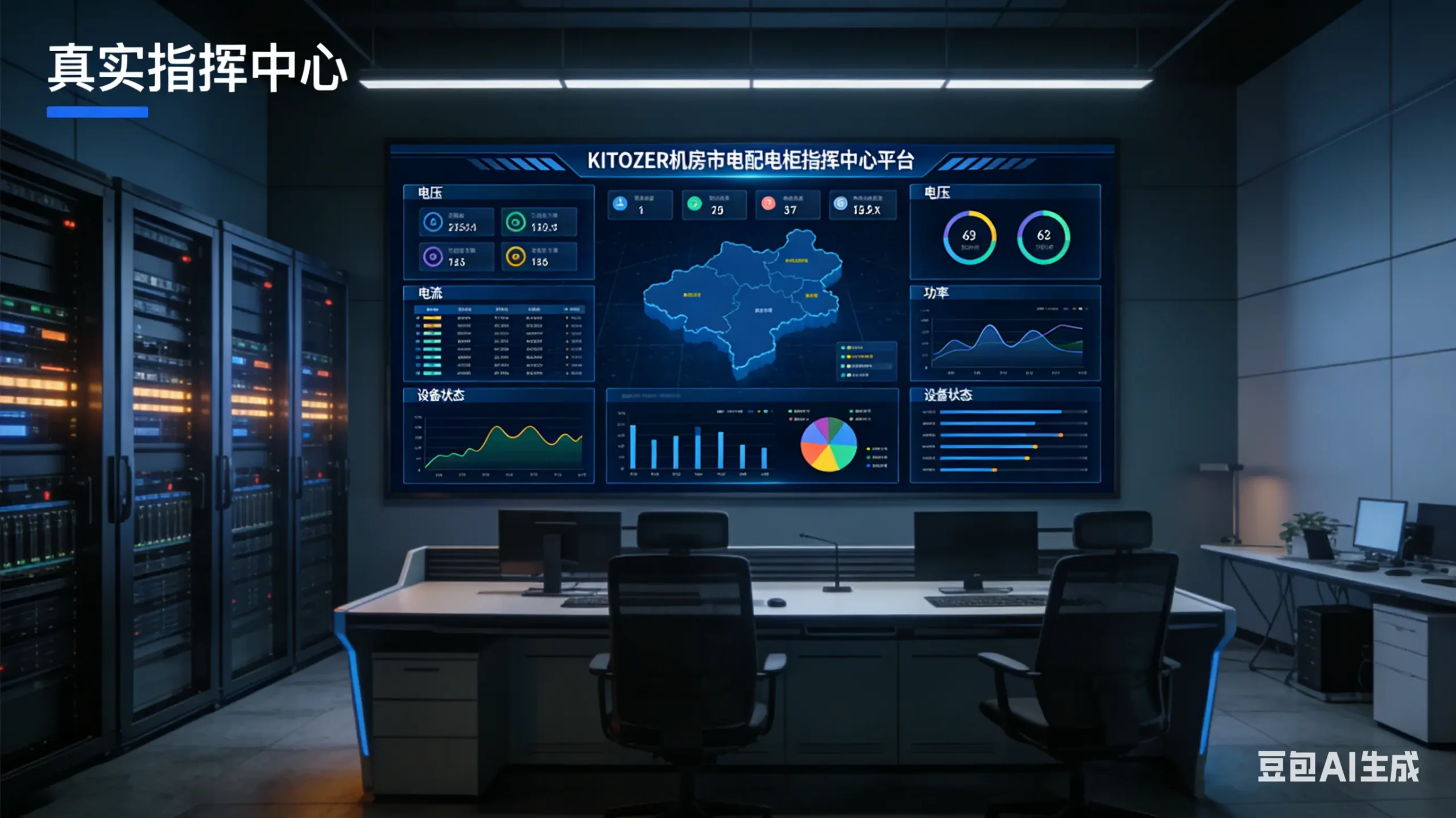
6. Protection Coordination and Safety
The module is engineered for the specific architecture — AC-coupled, DC-coupled or hybrid — with correct protection coordination between grid, inverter and loads. Key safety features include:
- Selective coordination — the device closest to a fault opens first, so a single feeder fault does not shut down the whole microgrid.
- Islanding detection provisions — where the module hosts or interfaces the anti-islanding function, with provisions to disconnect cleanly from the grid.
- Interlocking — prevents unsafe parallel or access conditions, such as closing the bypass while working on a feeder.
- Clear labeling — every circuit identified with its source, load and rating, with islanded-operation procedures posted.
- Earth and bonding — a coordinated earthing scheme for AC neutral, DC negative/ground reference and the enclosure.
- Arc-flash mitigation — busbar shrouding, barriers and correct clearances reduce incident energy.
7. Islanding and Grid-Interactive Operation
Microgrids must handle both grid-connected and islanded operation. In grid-connected mode the module routes power from the grid, PV and storage according to the controller’s dispatch commands, with metering at the point of common coupling recording import and export. When the grid fails, the module supports the transition to islanded mode: critical loads are separated, generation and storage take over, and the anti-islanding function prevents back-feeding the network. The distribution module provides the switching, interlocking and measurement that make these transitions deterministic and safe, and it must be designed for the number of transitions the site will actually experience — from occasional utility outages to daily intentional islanding.

8. Metering, Measurement and Communication
Good microgrid control starts with good measurement. The module hosts CTs and meters on each energy source and load group, giving the controller and the monitoring platform the data they need: PV output per array, battery state of charge and power, genset power, load power per feeder, and net import/export at the point of common coupling. Communication is typically Modbus RTU or TCP, with SNMP or Ethernet options, and dry contacts for critical alarms. By keeping measurement inside the distribution module, the whole metering scheme is installed, wired and tested in the factory rather than improvised on site.
9. Enclosures and Environmental Design
| Location | Typical Enclosure | Considerations |
|---|---|---|
| Indoor electrical room | IP31–IP54 floor-standing cabinet | Ventilation, cable entry, access for maintenance |
| Outdoor site | IP54–IP66 weatherproof cabinet with sun/rain protection | Corrosion resistance, condensation control, lockable |
| Harsh / coastal | Coated steel or stainless options with sealed glands | Salt-air protection, filtered ventilation or cooling |
| High-temperature region | Cabinet with active cooling or shading | Derating of breakers and electronics at high ambient |
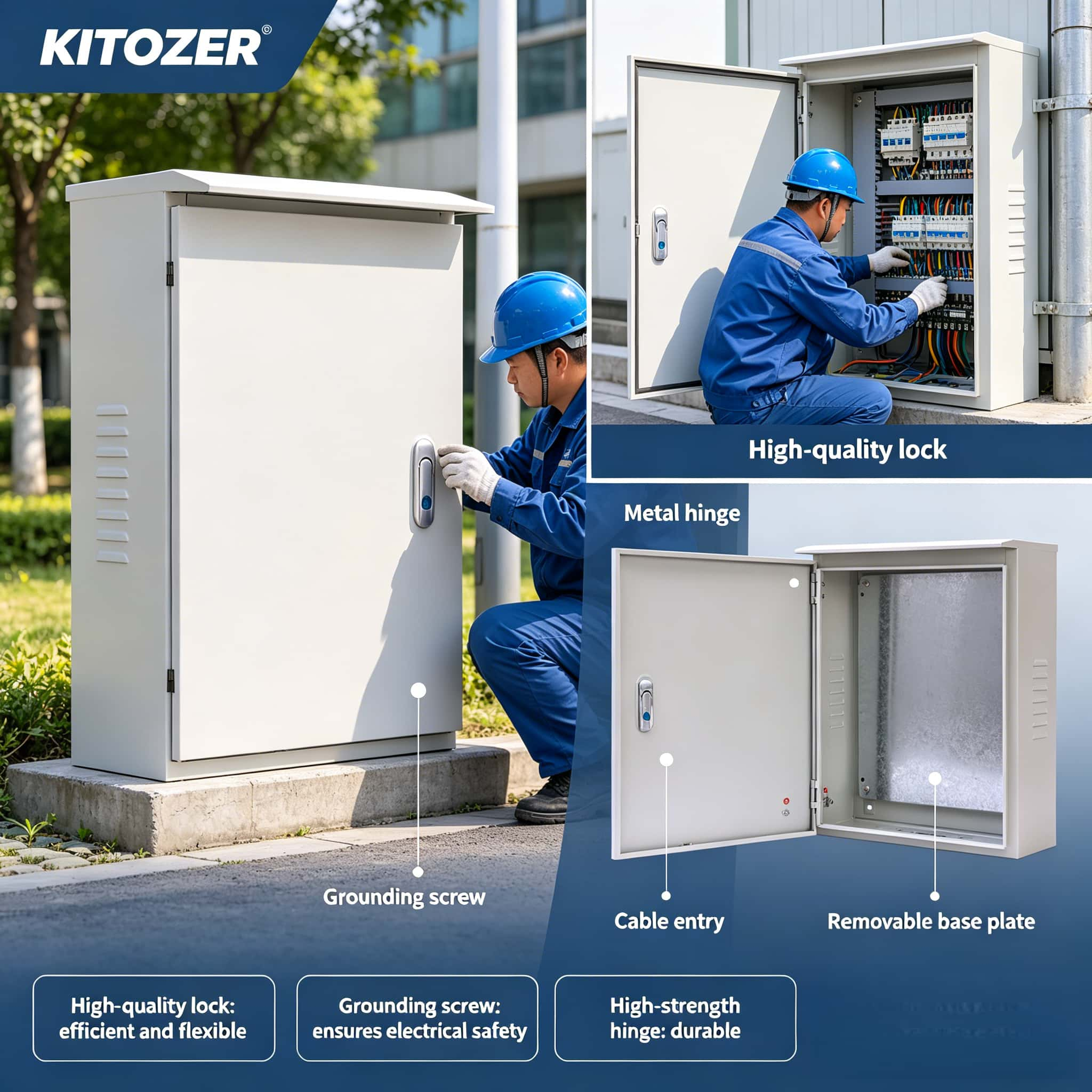
Lain also offers outdoor-rated microgrid distribution modules for remote sites where no electrical room exists, with the same protection, metering and communication content as indoor units.
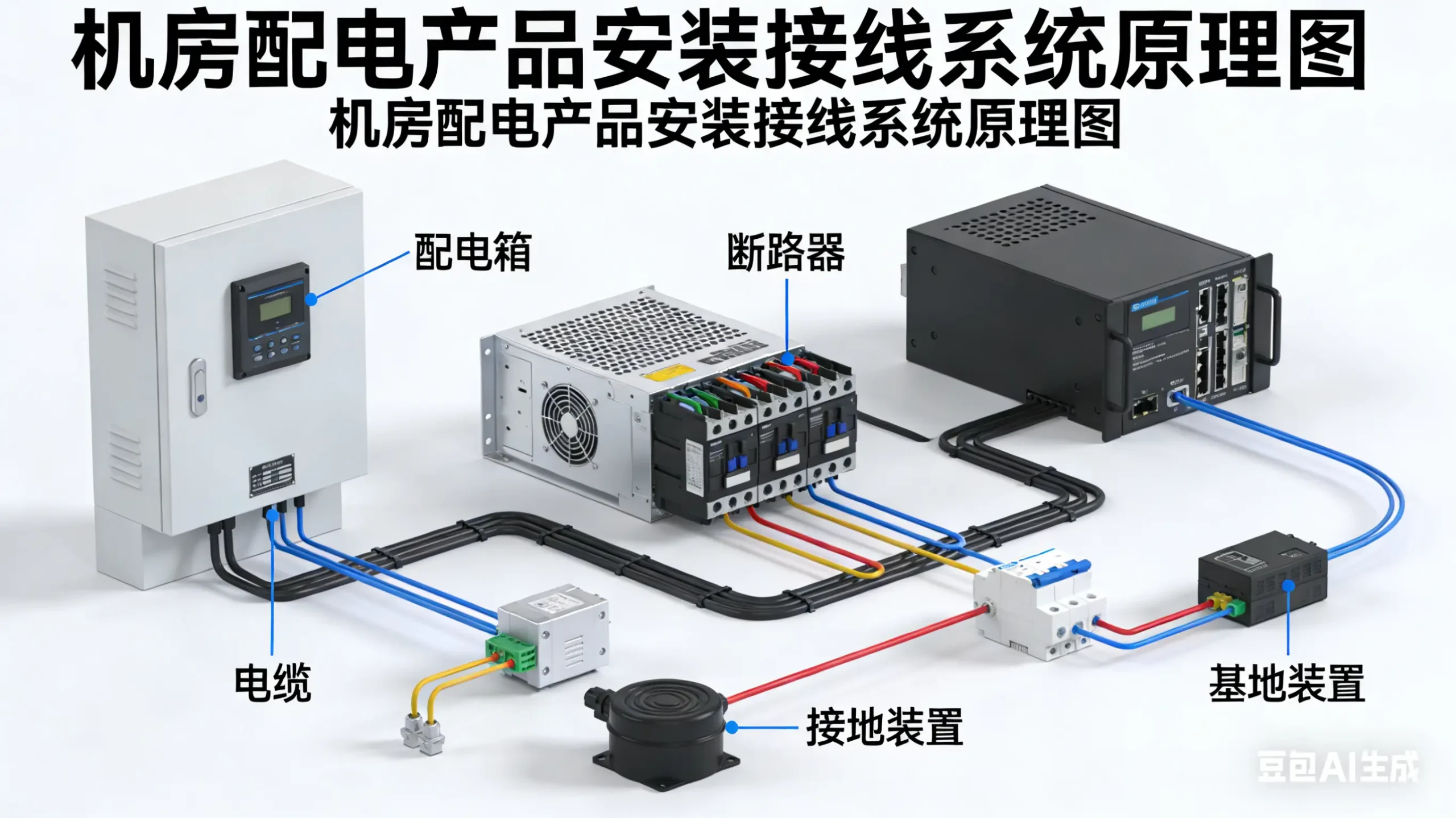
10. Applications
| Application | Typical Configuration | Key Drivers |
|---|---|---|
| Commercial and industrial microgrids | PV + storage + grid with load management | Energy cost reduction, resilience, green credentials |
| Remote / off-grid communities | PV + battery + diesel genset, often DC-coupled hybrid | Fuel saving, supply reliability |
| Island and resort power | PV + storage with genset backup | Reducing expensive diesel logistics |
| Agriculture and farms | PV + storage for irrigation and processing | Energy independence, stable operating cost |
| Telecom and utility sites | PV + battery with genset backup for critical loads | Uptime, fuel reduction, remote operation |
| EV charging hubs | PV + storage buffering the charging load | Peak shaving, higher renewable share |
Because the module is built around the single-line diagram rather than forced into a standard layout, the same product family serves very different applications with the same engineering quality.
11. Engineering, Factory Testing and Delivery
Each microgrid distribution module is supplied as a factory-tested unit with drawings and test reports, ready for connection of the controller, sources and loads. The engineering process starts from the microgrid single-line diagram approved by the customer: load schedule, fault levels, protection study, metering scheme and communication list are converted into a cabinet layout, then wired and tested in the factory — insulation test, continuity, breaker operation, metering accuracy and communication check against the controller. Delivery includes full documentation, and Lain engineers support commissioning on site or remotely.
12. Frequently Asked Questions
Microgrid Distribution Module FAQ
1. What is a microgrid distribution module?
It is the engineered assembly that provides AC and DC distribution, conversion interfaces, protection, metering and communication for a microgrid, connecting solar, storage, diesel and loads to the controller safely.
2. What is the difference between AC-coupled and DC-coupled?
In AC coupling, PV inverters and battery PCS connect on the AC bus; in DC coupling, PV connects to the battery PCS DC bus with fewer conversions and higher round-trip efficiency. Hybrid designs use both.
3. Does the module work with any inverter or PCS brand?
The module provides standard AC and DC connection points plus communication termination; it is designed around the specific PCS models selected for the project so that ratings and protocols match.
4. How does the module protect against islanding?
The module supports anti-islanding detection at the grid interface, with provisions to disconnect cleanly from the network when the grid fails and to prevent back-feeding during islanded operation.
5. Can the module include battery and PV disconnects?
Yes — PV string disconnects and battery DC disconnects are integrated with correct ratings, interlocking and labeling for safe isolation and maintenance.
6. What metering is included?
CTs and energy meters are fitted on generation sources, storage and load groups with Modbus/RS485 output, giving the controller and monitoring platform full visibility of the power flows.
7. Can it be installed outdoors?
Yes — outdoor-rated modules use IP54–IP66 weatherproof enclosures with corrosion protection, condensation control and lockable access for sites without an electrical room.
8. What standards apply?
Modules are engineered and tested to relevant IEC/GB standards for LV switchgear and assemblies (IEC 61439 / GB/T 7251) with the protection study documented for the project.
9. How long does a custom module take to deliver?
Standard configurations can be delivered quickly; custom modules require a short engineering and manufacturing lead time, which is confirmed at quotation after the single-line diagram is approved.
10. Do you support commissioning?
Yes — KITOZER provides documentation with every module and supports on-site or remote commissioning, including checks of protection, metering and communication with the microgrid controller.
13. Related Solutions
- Microgrid Monitoring System
- DC Distribution Cabinet (48V)
- AC Distribution Unit
- Distribution Switchgear (LV Power Distribution)
- Energy Meter and Submetering Solutions
- Data Center EMS Integration
About Guangzhou Lain Intelligent System Development Co., Ltd.
Guangzhou Lain Intelligent System Development Co., Ltd. manufactures microgrid distribution modules — factory-tested assemblies that integrate AC/DC distribution, conversion interfaces, protection and metering for solar-plus-storage, hybrid and off-grid energy systems worldwide. From single rooms to enterprise facilities, KITOZER provides design, manufacturing, integration, testing and after-sales service. Export and support scope are confirmed on the quotation.
Contact us for a free technical consultation:
- Company: Guangzhou Lain Intelligent System Development Co., Ltd.
- Address: 1st Floor, Building A, Chaotian Industrial Park, Zhongrun Industrial Park, Shilou Town, Panyu District, Guangzhou, Guangdong, China
- Tel/WeChat: +86 13538869979 | +86 13538869979
- WhatsApp: +86 135-0923-8849
- Email: zl19068534140@gmail.com
- Website: www.gdlain.com | Request a Quote
Typical response time: within one business day. Project references, drawings and samples are available on request.