1. Overview: Collections Are Fragile, Conditions Must Be Controlled
Museum collections are irreplaceable, and most damage is invisible until it is done. Wooden panels crack when humidity swings, pigments fade under light, metals corrode when pollutants accumulate, and mould can colonize a store room in a single humid season. A museum environmental monitoring system measures the conditions around artefacts continuously — temperature, relative humidity, light and air quality — so conservators can keep galleries and storage within safe bands and document their due diligence.
Guangzhou Lain Intelligent System Development Co., Ltd. (Lain) supplies museum environmental monitoring systems for museums, archives, libraries and heritage institutions: calibrated sensors, wireless data acquisition, threshold alarms and an audit-grade reporting platform. This guide explains what such a system measures, why each parameter matters, and how to deploy monitoring that conservators actually trust.
2. What Museum Environmental Monitoring Measures
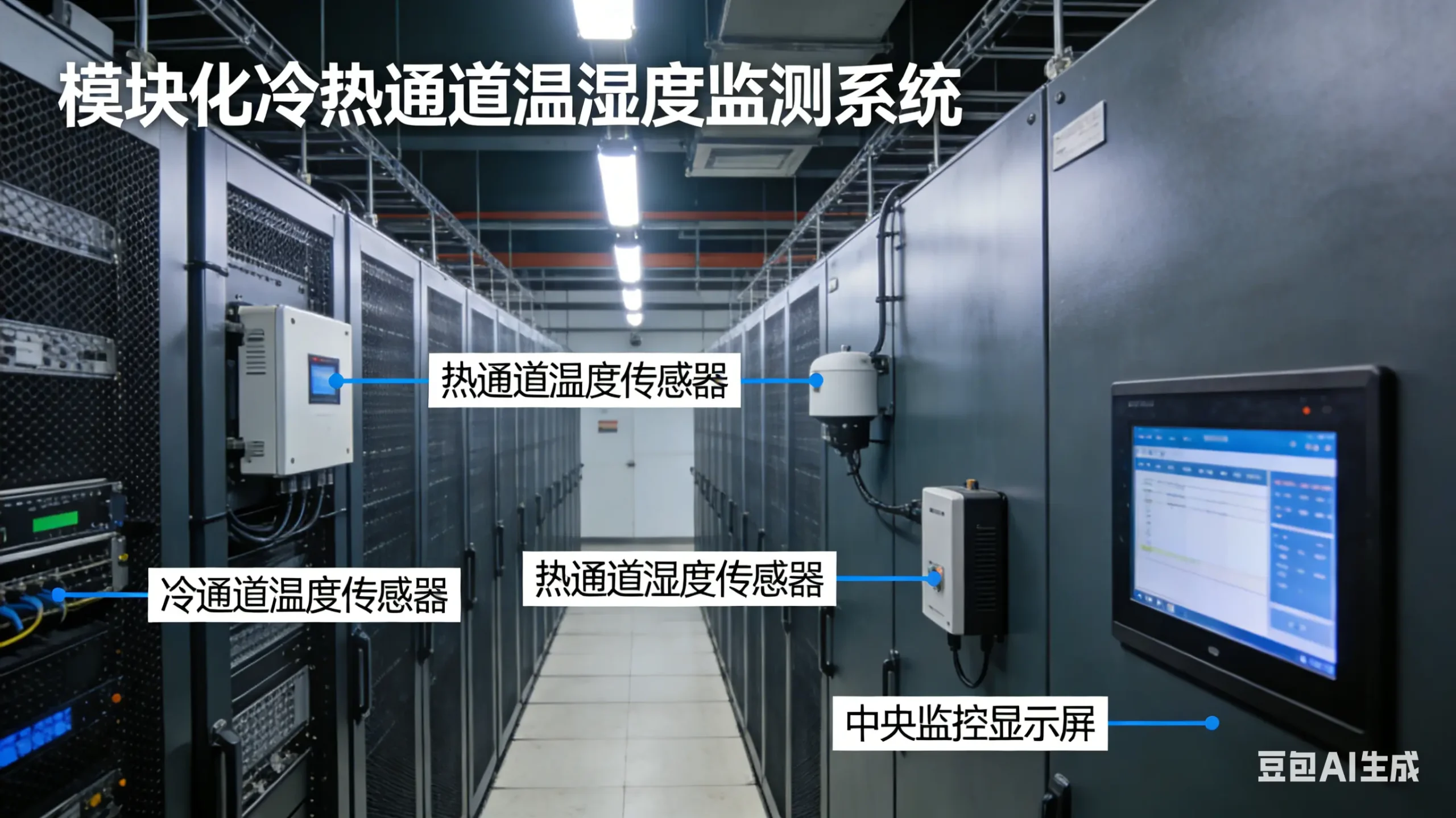
A complete system watches the physical parameters that drive collection decay. The core measurements are:
| Parameter | Typical Target | What Happens Without Control |
|---|---|---|
| Relative humidity (RH) | 40–60% RH band, stable ±2–5% | Swelling, cracking, flaking, mould and corrosion |
| Temperature | 18–22°C, stable | Accelerated chemical decay, pest activity, RH swings |
| Light and UV | 50–150 lux, minimal UV | Fading of pigments, textiles and photographs |
| Air quality (particles) | Low particulate levels | Soiling and abrasion on surfaces |
| Pollutants (VOCs, gases) | Below material-specific limits | Corrosion of metals, fading, degradation of organics |
| Pest activity signals | Early detection | Damage to wood, textiles and stored collections |
Not every space needs every sensor. Galleries, showcases, storage rooms, laboratories and transit crates each have different priorities, and a well-designed system is zoned to match.
3. Why Humidity Is the Number-One Risk
Relative humidity is the ratio of moisture in the air to the moisture the air can hold at that temperature. Because warm air holds more moisture than cold air, a temperature change shifts RH even when no water is added or removed. That is why temperature stability is part of humidity control.
- High RH — above about 65%, mould can grow on organic materials and metals corrode faster; hygroscopic materials absorb moisture and swell.
- Low RH — below about 35%, wood, ivory, lacquer and paper dry out, shrink, crack and become brittle.
- RH cycling — repeated swelling and shrinking is often more damaging than a constant slightly-off value, because it fatigues materials and loosens joints, inlays and paint.
The monitoring system therefore tracks both the absolute value and the rate of change, so conservators can act on trends, not just on exceeded limits.
4. Where Sensors Go: Zoning the Building
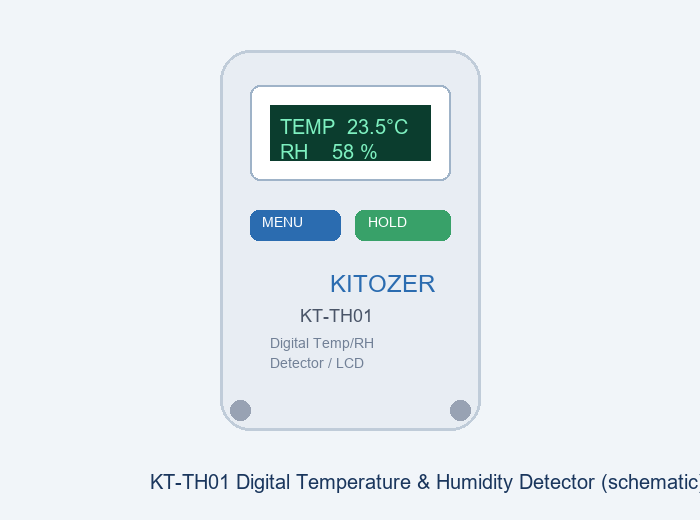
Sensor placement decides how useful the data is. Lain plans each deployment room by room:
| Zone | Sensor Focus | Placement Notes |
|---|---|---|
| Public galleries | RH, temperature, light/UV | Away from HVAC outlets, doors and spotlights |
| Showcases and display cases | RH, temperature, light | Inside the case, where the object actually lives |
| Collection storage rooms | RH, temperature, pollutants | Multiple points per room, at object height |
| Photographic and paper stores | RH, temperature, light | Stable cold/dry areas with low light |
| Metal and archaeological stores | RH, pollutants | Corrosion-sensitive, low-RH environments |
| Conservation laboratories | RH, temperature, particulates | Process areas with active treatments |
| Transit crates and loans | RH, temperature, shock | Portable loggers travelling with the object |
The guiding principle: measure the environment the object experiences, not the environment the corridor experiences. That often means sensors inside showcases and storage cabinets, and at object height rather than ceiling height.
5. Sensor Types and Accuracy
Lain deploys calibrated industrial sensors rather than consumer devices, because collection decisions depend on trustworthy numbers.
| Sensor | What It Measures | Where It Is Used |
|---|---|---|
| RH/temperature transmitters | Relative humidity and air temperature | Galleries, stores, showcases |
| Dew-point-capable probes | Condensation risk at cold surfaces | Windows, cold stores, crates |
| Light and UV sensors | Illuminance and UV content | Galleries and light-sensitive displays |
| Particle counters | Airborne dust levels | Stores and labs |
| VOC/air-quality sensors | Gaseous pollutants | Organic collections, metal stores |
| Portable loggers (KT-TH01/KT-TH02) | Spot checks and audit records | Loans, surveys, validation |
All sensors are supplied with calibration certificates, and Lain recommends scheduled recalibration so long-term records remain audit-grade.
6. Data Acquisition and Telemetry
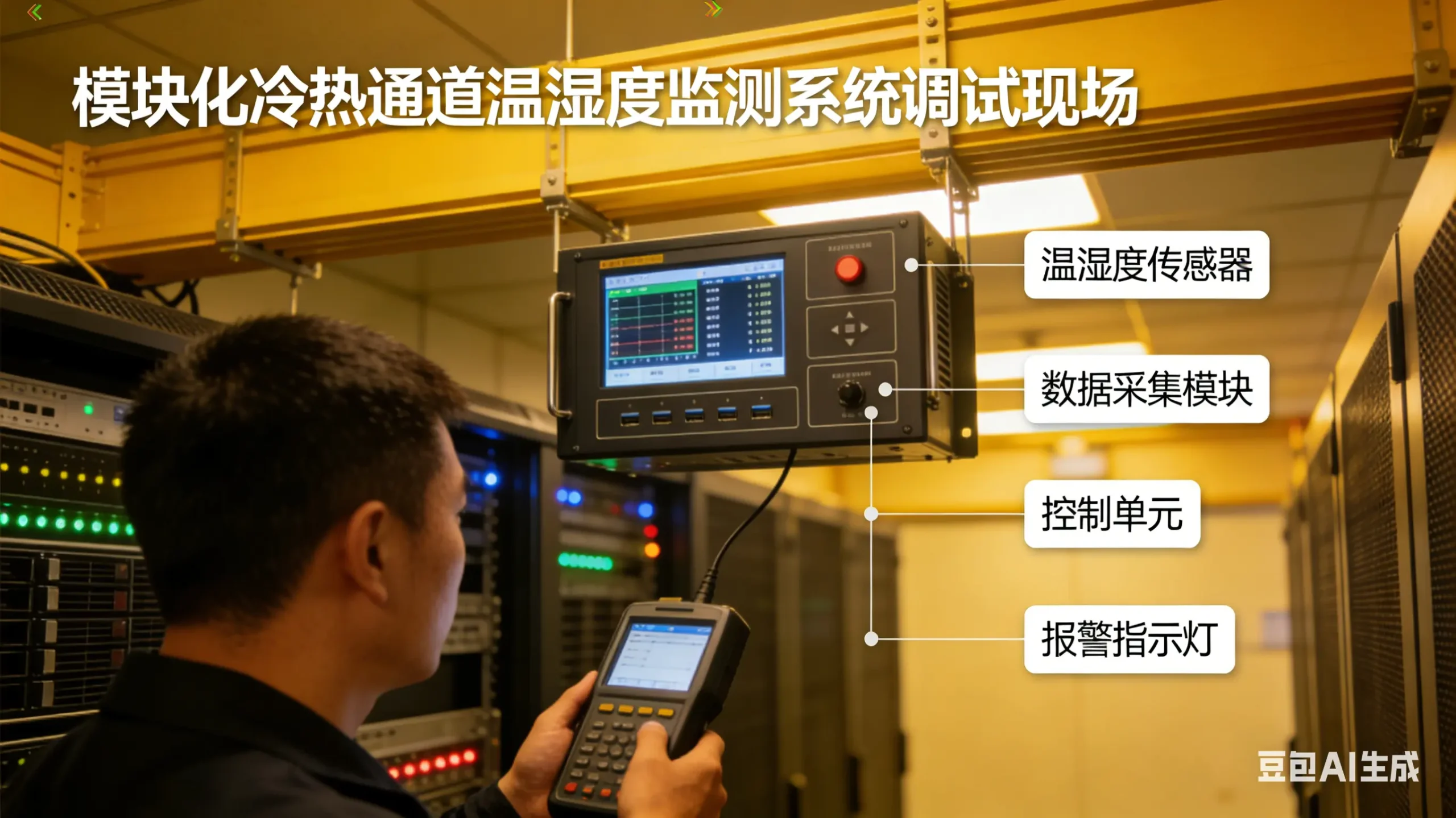
Readings flow from each sensor to a gateway over a low-power wireless mesh, then to the monitoring platform over Ethernet, Wi-Fi or 4G. The architecture keeps cabling out of heritage buildings — an important constraint in museums where walls cannot be chased and drilling is restricted.
- Battery-powered wireless sensors run for years and are repositioned without rewiring.
- Local data buffering means no readings are lost during network interruptions.
- Device health reporting alarms on low battery, lost connection or sensor failure — a monitoring system that silently stops monitoring is worse than none.
- Time-stamped records with tamper-evident logging support loan agreements and insurance conditions.
7. Thresholds, Alarms and Staged Response
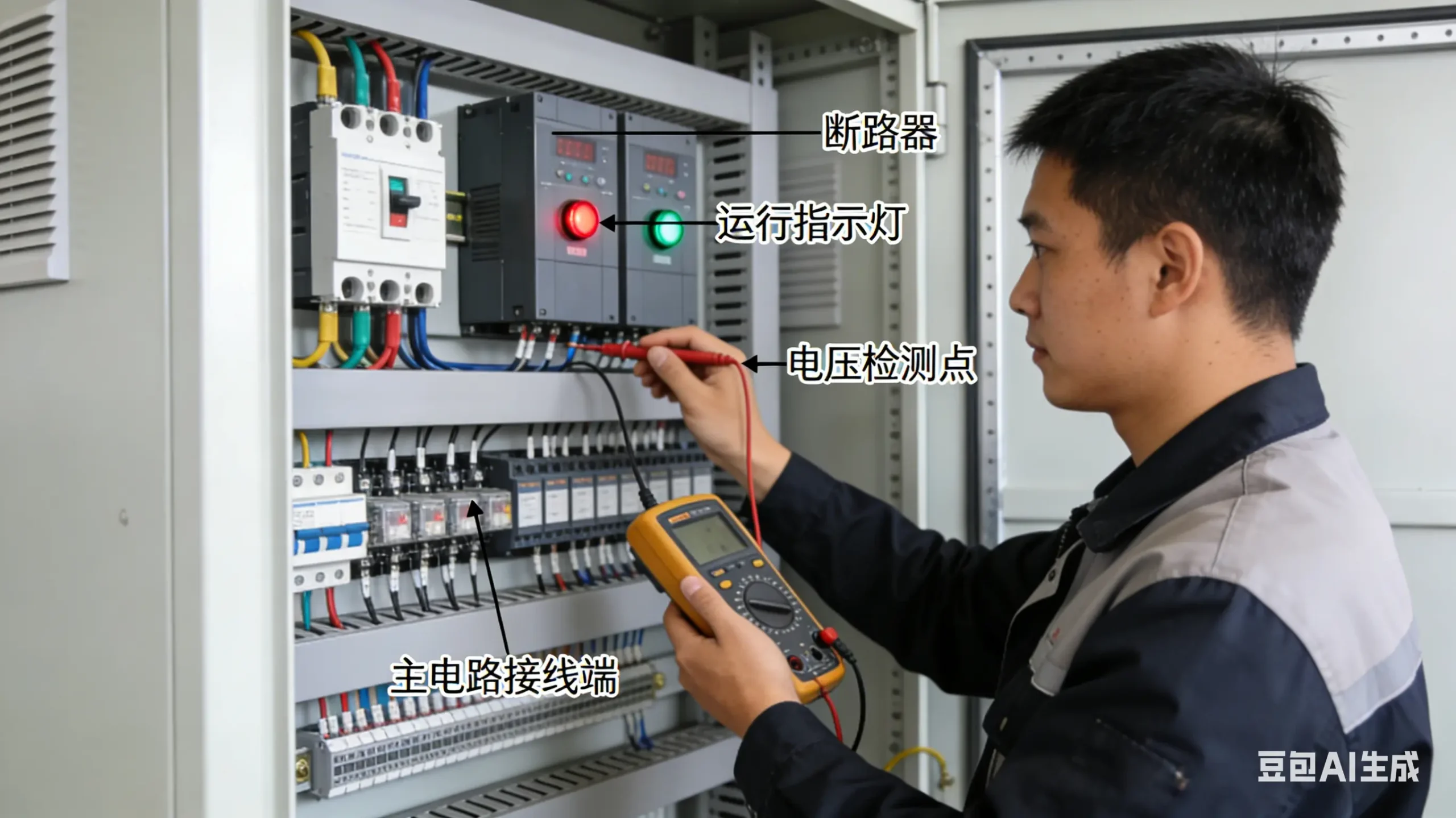
Raw data becomes protection when it is compared with limits that reflect conservation policy. The platform supports per-zone thresholds with staged alarms:
- Advisory level — small deviation or slow drift; notify facilities and review trends.
- Warning level — approaching the agreed conservation band; alert conservators and check the HVAC.
- Critical level — risk of damage; trigger the emergency response plan, including SMS/email and on-site alarms.
Alarms are routed by role — facilities staff first, conservators for collection-relevant events — and every alarm carries an audit trail of acknowledgement and resolution.
8. The Monitoring Platform and Reports
Lain’s platform gives every stakeholder the view they need: live floor plans with zone status, long-term trend charts, RH and temperature history per showcase or store, alarm lists and compliance reports. Authorized conservators, facilities managers and administrators access role-based dashboards from any browser.
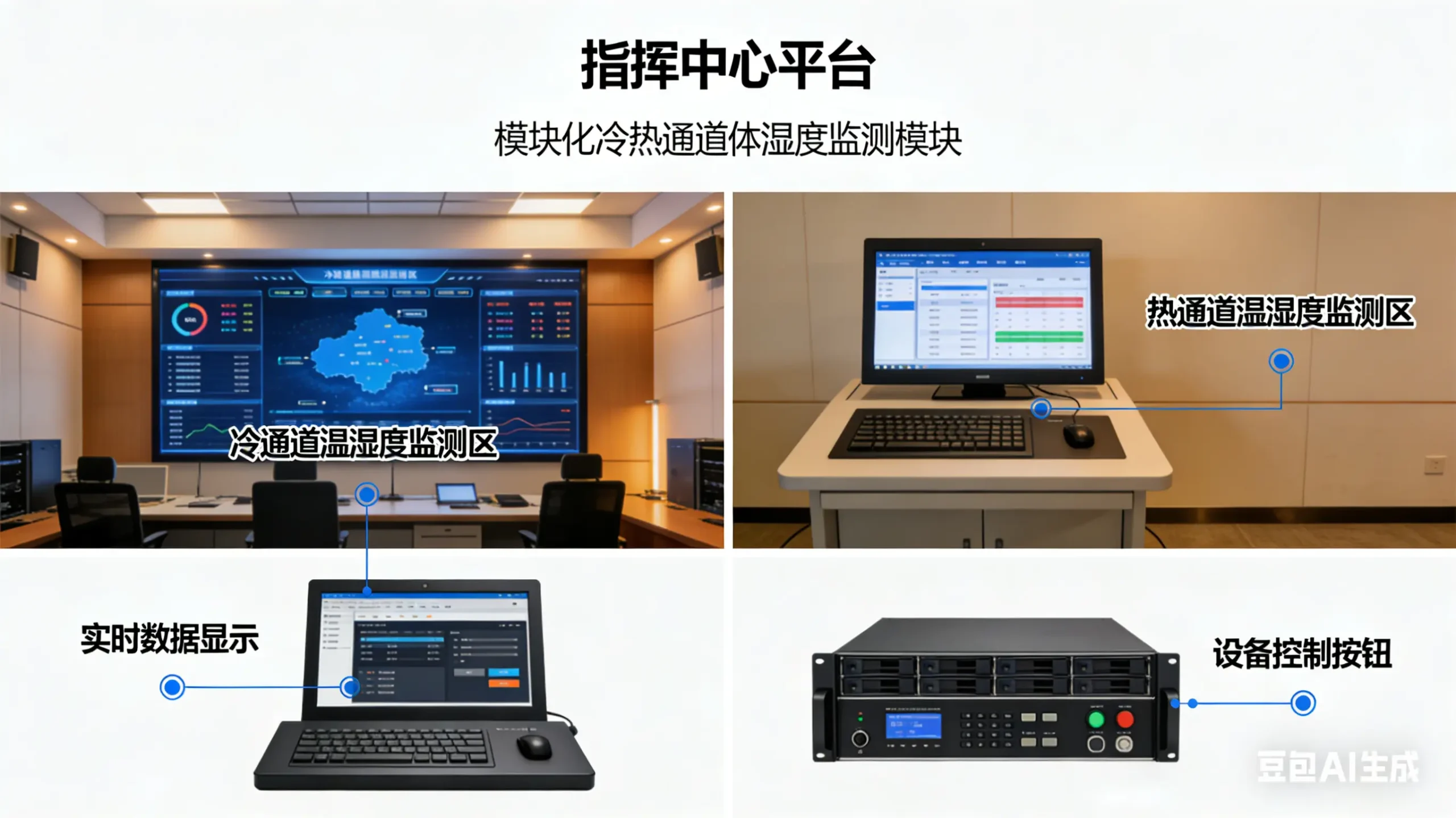
Because museums are accountable to lenders, insurers and sometimes regulators, the platform exports professional reports: monthly environment summaries, loan-condition reports, incident reports and annual statistics — all derived from the same auditable dataset used for alarms.
9. Integration with Climate Control
Monitoring is most valuable when it closes the loop with the building services that keep collections safe. Lain systems integrate with HVAC, humidifiers, dehumidifiers and lighting controls:
- Humidification/dehumidification control keeps RH inside the conservation band instead of only reporting excursions.
- HVAC fault alerts arrive minutes after a unit fails, before the room drifts out of band.
- Occupancy and event logging correlate environmental events with doors opened, events held or plant maintenance.
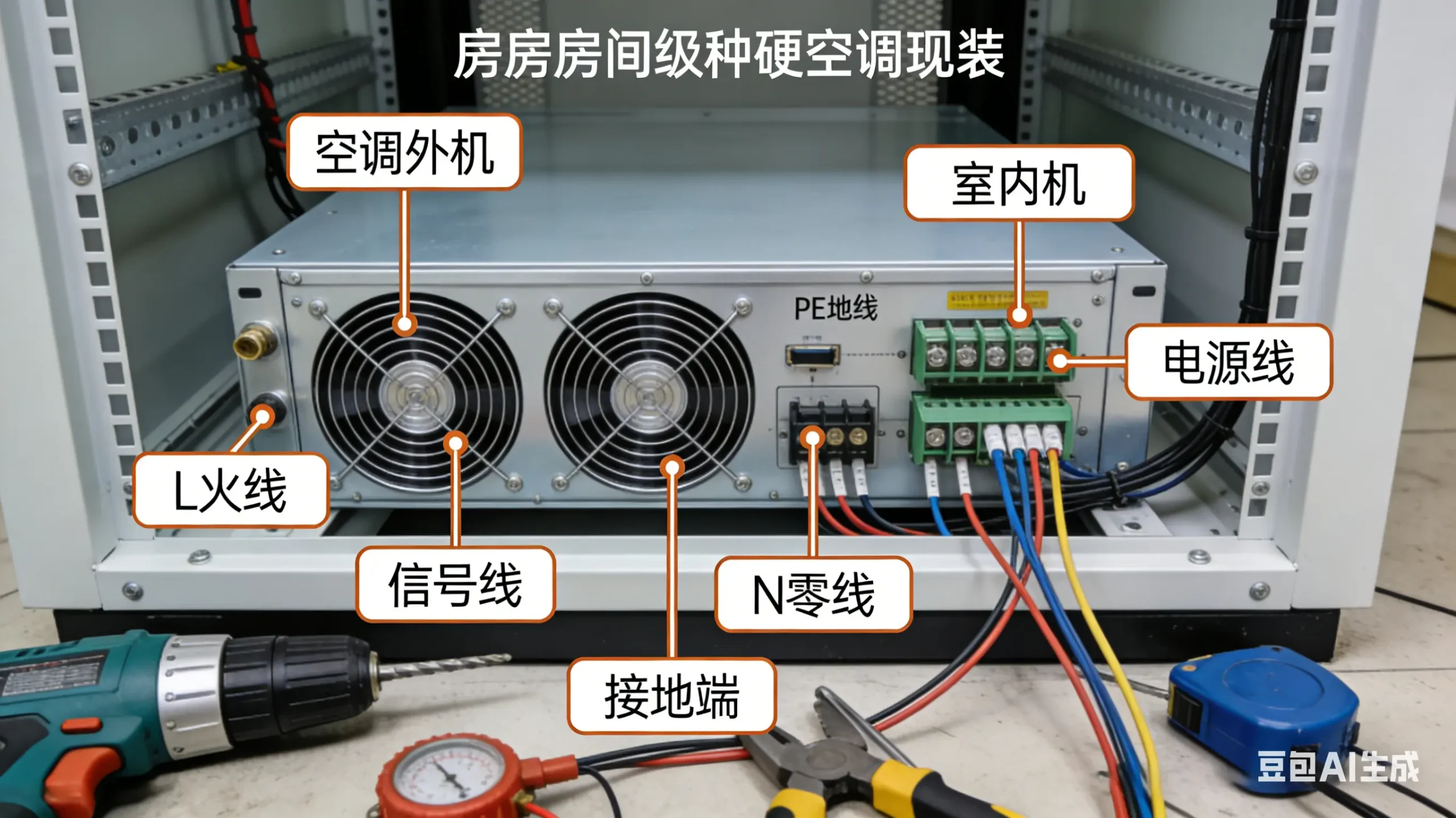
Integration is implemented conservatively — monitoring never fights the collection-care strategy, and manual override always remains available to conservators.
10. Deployment in Historic and Working Buildings
Museum monitoring must be installed without damaging the building or disturbing visitors. Lain’s deployment approach is built for that constraint: wireless retrofit sensors that need no new cabling, discreet devices finished to suit listed interiors, and phased installation that keeps galleries open during the work. Systems scale from a single showcase to multi-building campuses, and new zones are added to the same platform as the collection grows.
11. Applications Beyond the Museum
| Application | Why Monitoring Is Needed |
|---|---|
| Art museums and galleries | Protect paintings, works on paper and sculpture from RH, light and pollutants |
| History and archaeology museums | Stabilize metals, organics and excavated material |
| Archives and libraries | Long-term preservation of records, books and photographs |
| Natural history collections | Prevent pest damage and stabilize specimens |
| Heritage houses and sites | Monitor occupied historic interiors without intrusive wiring |
| Collection transport and loans | Portable logging proves conditions during transit |
The same platform and sensor family serve every one of these, which keeps training simple and records consistent across the institution.
12. Frequently Asked Questions
Museum Environmental Monitoring System FAQ
1. Why do museums need environmental monitoring?
Collections decay at rates driven by temperature, humidity, light and pollutants; monitoring measures those conditions continuously so conservators can keep them in safe bands and document due diligence for lenders and insurers.
2. What is the ideal museum environment?
A common target is 40–60% RH and 18–22°C with stability preferred over chasing perfect numbers — rapid cycling damages collections more than a steady slightly-off value.
3. How often should readings be taken?
Continuous measurement with logging intervals of minutes is standard, so trends and rate-of-change are visible and excursions are caught early.
4. Are wireless sensors accurate enough?
Yes — calibrated industrial wireless transmitters meet conservation-grade accuracy, and KITOZER supplies calibration certificates with scheduled recalibration.
5. Where should sensors be placed?
Where the object experiences the environment: inside showcases and storage cabinets, at object height, away from HVAC outlets and doors, with multiple points per room.
6. Can the system detect mould or pest risk?
It monitors the conditions that cause them — high RH and temperature — and alarms before the risk window, which is more reliable than trying to detect the mould itself.
7. Does it integrate with our HVAC?
Yes — the platform integrates with humidifiers, dehumidifiers and HVAC for closed-loop control and instant fault alerts, with conservator override always available.
8. Can it document loan conditions?
Yes — time-stamped, tamper-evident logging with portable loggers for transit produces loan-condition reports accepted by lenders and insurers.
9. Will installation disturb a historic building?
No — the system is designed as a wireless retrofit with no new cabling and discreet devices, installable in phased stages while galleries stay open.
10. How do alarms reach the right people?
Alarms route by role — facilities staff, conservators, management — with staged advisory/warning/critical levels and SMS, email and on-screen delivery plus an audit trail.
13. Related Solutions
- Museum, Tobacco & Specialty Storage Monitoring
- Precision Temperature & Humidity Monitoring
- Indoor Air Quality Monitoring System
- Grain Storage Monitoring System
- Cold Chain Container
- Pharmacy Refrigerator Monitoring
About Guangzhou Lain Intelligent System Development Co., Ltd.
Guangzhou Lain Intelligent System Development Co., Ltd. supplies museum environmental monitoring systems — calibrated RH, temperature, light and air-quality sensing with wireless retrofit installation, staged alarms and audit-grade reporting — protecting collections in museums, archives and heritage institutions worldwide. From single rooms to enterprise facilities, KITOZER provides design, manufacturing, integration, testing and after-sales service. Export and support scope are confirmed on the quotation.
Contact us for a free technical consultation:
- Company: Guangzhou Lain Intelligent System Development Co., Ltd.
- Address: 1st Floor, Building A, Chaotian Industrial Park, Zhongrun Industrial Park, Shilou Town, Panyu District, Guangzhou, Guangdong, China
- Tel/WeChat: +86 13538869979
- WhatsApp: +86 13538869979
- Email: zl19068534140@gmail.com
- Website: www.gdlain.com | Request a Quote
Typical response time: within one business day. Project references, drawings and samples are available on request.