1. Overview: What This FAQ Covers
Base station environmental sensors continuously watch the temperature, humidity, smoke, water and door status of telecom cabinets, shelters and rooftop rooms — converting each risk into an early alarm so small problems are fixed before they become failed sites. This page answers the questions telecom engineers, tower companies and site managers ask when choosing or retrofitting sensors.
Guangzhou Lain Intelligent System Development Co., Ltd. supplies a complete family of environmental sensors for telecom sites. The answers below reflect our standard range and integration practice.
2. Why Unattended Sites Need Sensing
2.1 Why do base stations fail environmentally before electrically?
Heat is the classic killer: rectifiers derate as cabinet temperature rises, and prolonged exposure above rating shortens component life and can trigger thermal shutdown. Condensation is the silent one: humid air meeting cold surfaces corrodes PCBs, connectors and battery terminals. Smoke, water ingress and forced entry add the emergency cases. Each of these develops over time and is invisible until a scheduled site visit — unless sensors report it in real time.
2.2 What is the payoff of continuous sensing?
Instead of discovering a problem weeks later, the operator is alerted immediately and can dispatch a technician or resolve it remotely. The same data supports trend analysis: which sites run hot in summer, which shelters are chronically humid, where door events cluster — fixing the pattern rather than the symptom.
3. Sensor Types and What to Monitor
3.1 Which sensors does a typical site use?
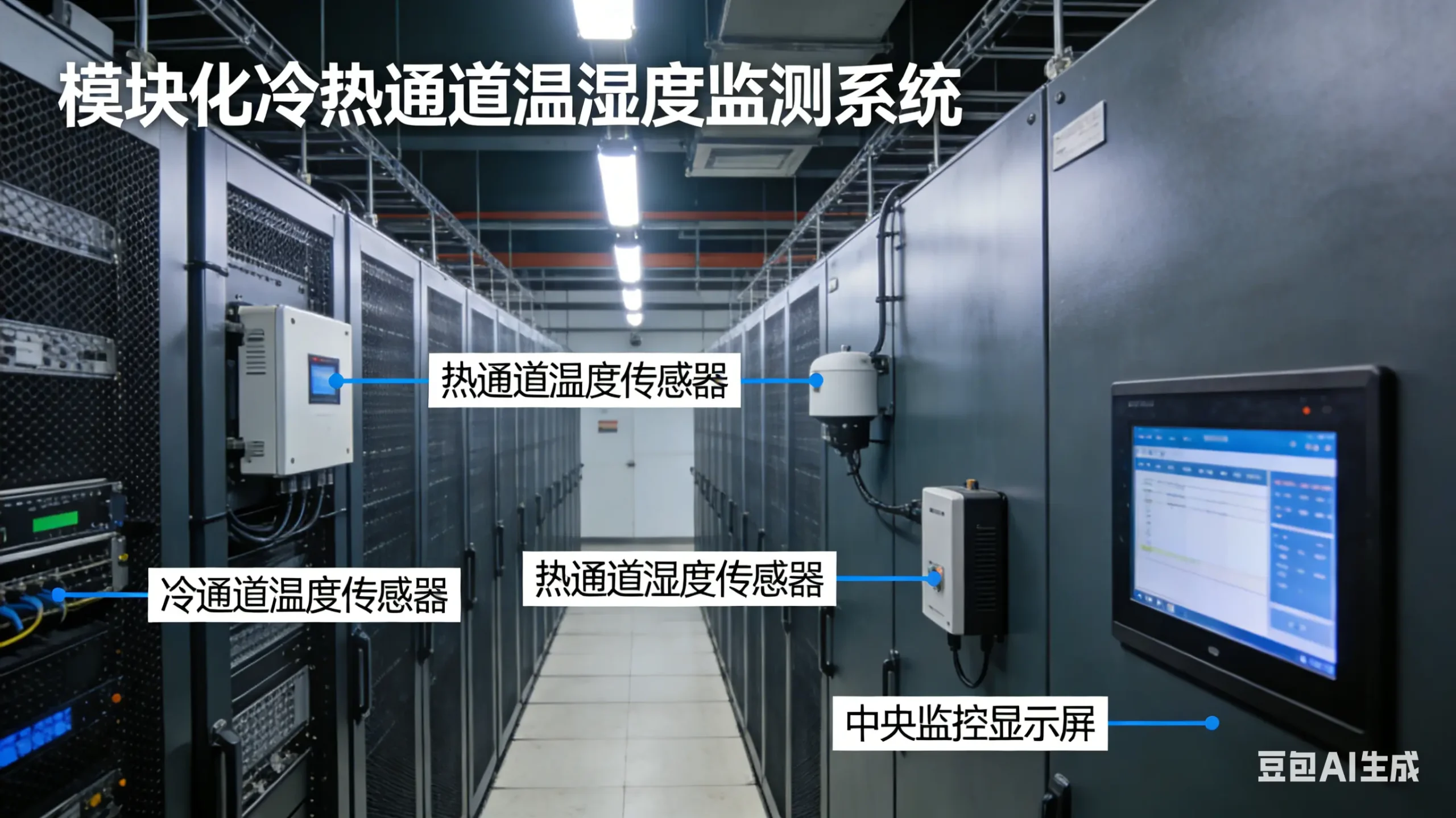
Temperature and humidity probes (in cabinets, battery compartments and shelters), photoelectric smoke detectors, water-leak rope or point sensors at AC units, doors and floor low points, magnetic door contacts, tamper switches on cabinets, and optional multi-sensor modules combining several inputs in one unit with a single bus drop.
3.2 What accuracy do temperature/humidity sensors offer?
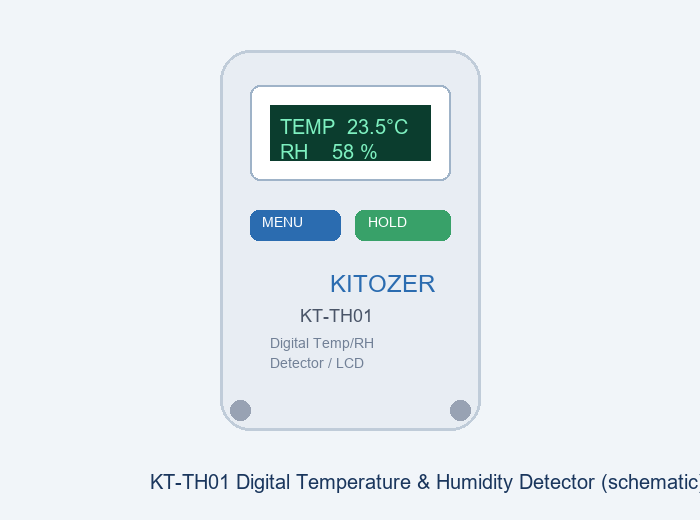
Typically ±0.3°C temperature and ±2–3% RH humidity — more than enough to detect the trends that matter: a cabinet creeping toward its thermal limit or humidity rising toward the dew point. Lain’s KT-TH01 detector family is a compact example, mounting directly in a cabinet or on a wall.
4. Installation and Placement
4.1 Where are sensors installed on a site?
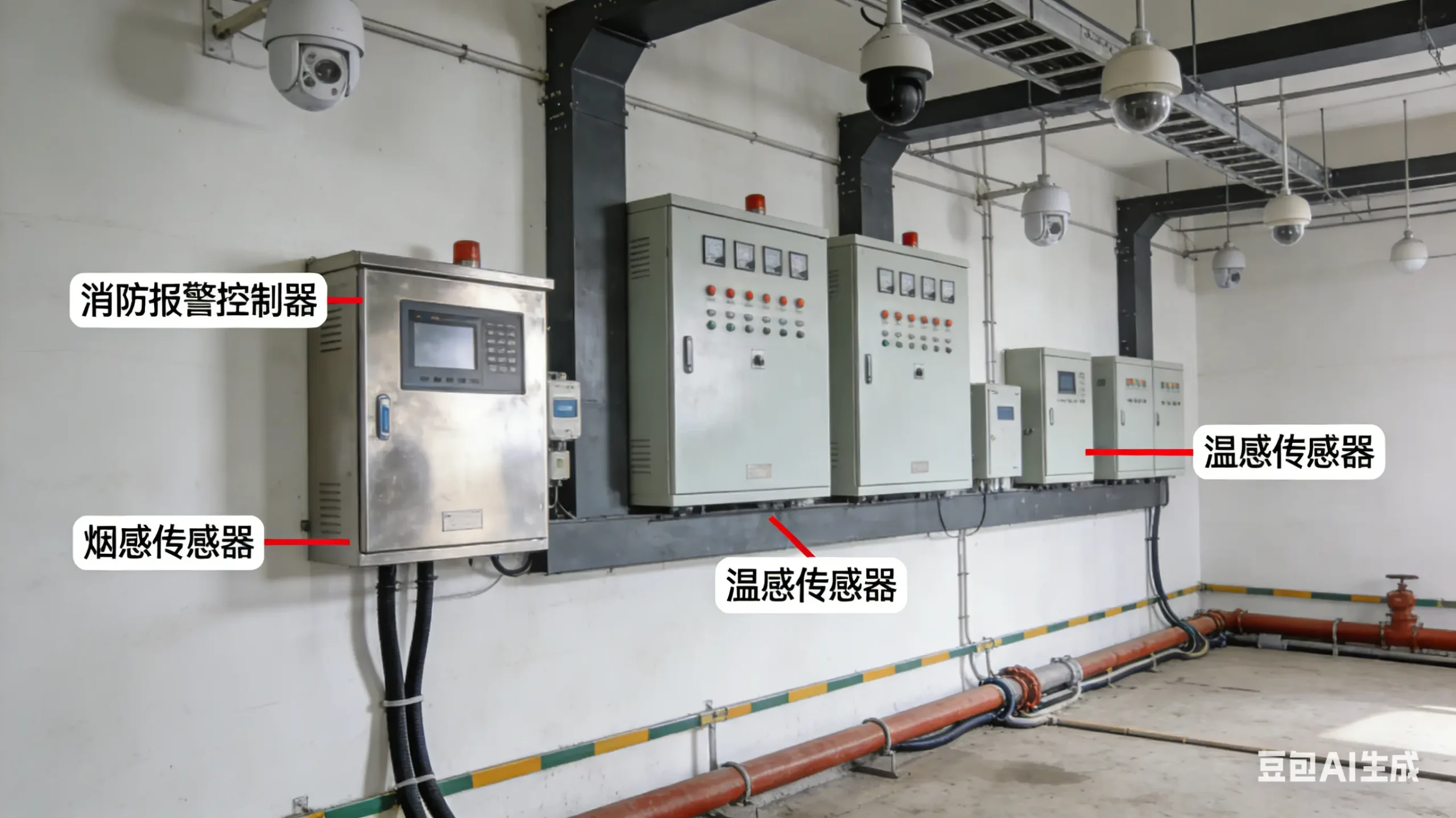
Every compartment holding valuable or heat-generating equipment gets temperature and smoke coverage (equipment cabinet, battery compartment), every likely water path gets leak coverage (AC drip trays, pipe entries, shelter floor), and every entry point gets door coverage. Placement follows the risk, not the blueprint — Lain engineers agree a sensor plan per site type during survey.
4.2 Can sensors be added to existing sites?
Yes — multi-sensor modules retrofit into cabinets with one bus drop, rope sensors lay along floors and thresholds, and wireless options (LoRa/NB-IoT) avoid pulling cable through finished shelters. Retrofitting is the most common application for tower companies rolling sensing out across an existing portfolio.
5. Integration and Communication
5.1 How do sensors connect to the network?
Over RS-485 with Modbus — the de-facto telecom standard — to the site controller or FSU, or through dry-contact alarm inputs for simple detectors. Newer Lain options support IoT protocols such as LoRa and NB-IoT for standalone reporting where no FSU exists.
5.2 What does the operator see in the NMS?
Each site appears with live readings, alarm states and history. Thresholds are configurable per site, per season and per equipment type; warning vs critical levels and notification routes (ticket, SMS, app push) are set during commissioning and tunable without touching the sensors.
6. Power, Ratings and Maintenance
6.1 Do the sensors drain the site battery?
No — each sensor draws only a few milliamps, so monitoring has negligible impact on battery autonomy during mains failure, which is exactly when the site is most at risk and monitoring matters most. A full cabinet can be brought under monitoring with negligible effect on the power budget.
6.2 What environments can the sensors withstand?
Lain sensors are rated for the telecom environment, with operating temperature options down to -40°C and up to +70°C where required, and enclosures that resist dust and humidity. Bus-connected, low-power sensors also let future additions ride the same bus without new infrastructure.
7. Frequently Asked Questions — Quick Reference
Base Station Environmental Sensors FAQ
1. Why do base stations need environmental sensors?
Base station equipment fails from heat, humidity, smoke, water and intrusion long before it fails electrically; sensors turn those risks into early alarms so faults are fixed before they become site outages.
2. What does a typical site monitor?
Cabinet and shelter temperature and humidity, smoke detection, water leak rope/points, and door/tamper status — usually on one RS-485/Modbus bus to the site controller or FSU.
3. What accuracy do the temperature/humidity sensors offer?
Typically ±0.3°C temperature and ±2–3% RH humidity, sufficient for trend alarms and dew-point protection.
4. How do sensors connect to the network?
Over RS-485 (Modbus) or dry contacts to the site controller/FSU; newer options use IoT protocols such as LoRa and NB-IoT for standalone reporting.
5. Can sensors be added to existing sites?
Yes — multi-sensor modules retrofit into cabinets with one bus drop, rope sensors install along floors and thresholds, and wireless options avoid new cabling in finished shelters.
6. Do the sensors drain the battery?
No — each sensor draws only a few milliamps, so monitoring has negligible impact on battery autonomy during mains failure.
7. What alarms are available?
Warning and critical levels with configurable thresholds per site/season, delivered as tickets, SMS or app push through the NMS.
8. Are smoke and water sensors compatible with third-party detectors?
Yes — dry-contact alarm inputs accept standard third-party smoke, heat and water detectors so existing hardware can be brought onto the monitoring bus.
9. Can thresholds be changed after installation?
Yes — thresholds and alarm routes are configurable per site and per season from the monitoring platform without touching the sensors.
10. How do I choose between separate sensors and a multi-sensor module?
Separate sensors suit large shelters needing distributed coverage; multi-sensor modules suit cabinets and fast retrofits where space and installation effort are limited.
8. Related Solutions
- Base Station Environmental Sensors: Complete Guide
- 4G/5G Base Station Hub
- Telecom Power Distribution Unit (PDU)
- Cabinet Thermal Control Module
- LiFePO4 Batteries for Base Stations
- Precision Temperature & Humidity Monitoring
About Guangzhou Lain Intelligent System Development Co., Ltd.
Guangzhou Lain Intelligent System Development Co., Ltd. supplies base station environmental sensors — temperature, humidity, smoke, water leak, door and multi-sensor modules — plus site controller integration for telecom operators and tower companies worldwide. From single rooms to enterprise facilities, KITOZER provides design, manufacturing, integration, testing and after-sales service under one roof and exports worldwide.
Contact us for a free technical consultation:
- Company: Guangzhou Lain Intelligent System Development Co., Ltd.
- Address: 1st Floor, Building A, Chaotian Industrial Park, Zhongrun Industrial Park, Shilou Town, Panyu District, Guangzhou, Guangdong, China
- Tel/WeChat: +86 13922289957 | +86 18520668845 | +86 13538869979
- WhatsApp: +86 19068534140
- Email: zl19068534140@gmail.com
- Website: www.gdlain.com | Request a Quote
Typical response time: within one business day. Project references, drawings and samples are available on request.