1. Overview: What This FAQ Covers
Cabinet sealing materials — gaskets, sealing strips, brush seals, cable-entry glands and gap-filling profiles — stop dust, water, air leakage, electromagnetic interference and pests from entering electrical and electronic enclosures. This page answers the questions cabinet specifiers, panel builders and maintenance engineers ask when selecting sealing for indoor racks and outdoor housings.
Guangzhou Lain Intelligent System Development Co., Ltd. supplies cabinet sealing materials together with its fabricated enclosures and outdoor cabinet ranges. The answers below reflect our standard products and installation practice.

2. Why Sealing Matters
2.1 What problems do sealing materials solve?
An unsealed cabinet lets dust build up on electronics, lets humid air condense on cold surfaces, allows water to enter around doors and cable openings, and leaks conditioned air from climate-controlled housings. Sealing controls all of these at once: environmental protection, thermal separation and, with conductive gaskets, electromagnetic shielding of the enclosure opening.
2.2 What is the difference between indoor and outdoor sealing needs?
Indoor cabinets mainly need dust protection and air-leak control, so simple EPDM or foam strips on doors are usually enough. Outdoor cabinets additionally face rain, wind-driven water, temperature swings and UV, so they need compression gaskets with higher recovery, sealed cable entries and sealing at every panel joint — the enclosure’s IP rating depends on this chain of seals.
3. Types of Sealing Materials
3.1 Which sealing products are commonly used on cabinets?
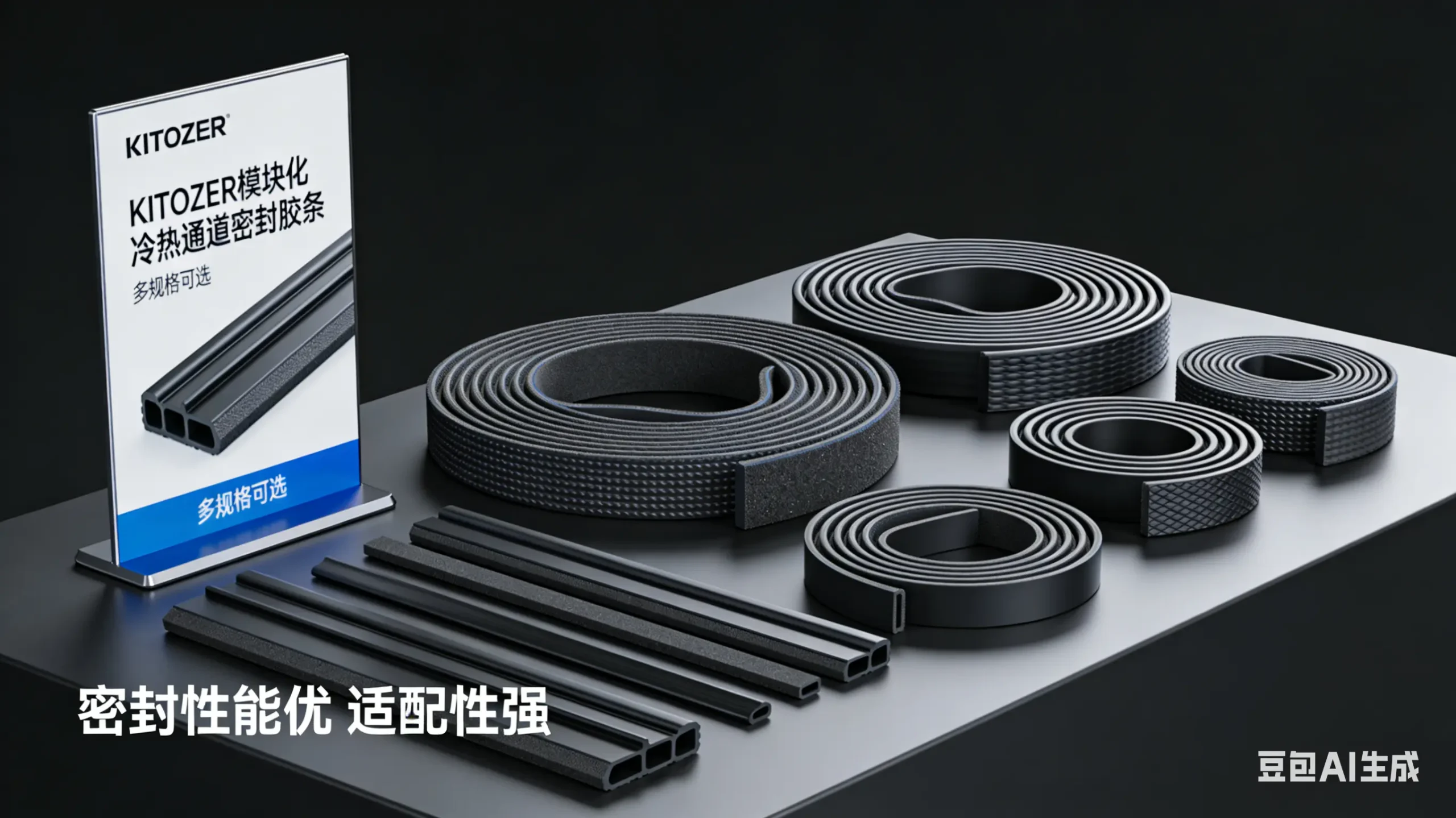
The standard set includes EPDM foam and solid rubber sealing strips for doors and removable panels, brush seals for air passages and moving parts, cable-entry glands and brush plates where cables leave the cabinet, and conductive EMI gaskets for shielded enclosures. Adhesive backing makes most profiles quick to install on factory-made or retrofitted cabinets.
3.2 How do I choose between foam and solid rubber strips?
Closed-cell foam strips compress easily and follow slightly uneven surfaces, making them ideal for wide door perimeters. Solid rubber and hollow profiles give higher compression force and longer life under repeated opening, which suits outdoor doors and larger panels. Lain can match the profile, hardness and adhesive to the cabinet design.
4. Cable Entries and Gaps
4.1 How are cables sealed where they enter the cabinet?
Options range from individual cable glands and multi-cable frame glands to brush plates and grommeted knockouts. The right choice depends on cable diameter, number of cables, IP requirement and whether cables need to be added later. Brush plates are a favorite for retrofit because cables simply push through and the bristles close around them.
4.2 What about gaps around doors and removable panels?
Every removable element needs a continuous seal along its full perimeter — any break is a potential entry point. Corner joints of strip seals should be mitred or butted tightly, and hinge-side and lock-side gaps should be equal so the gasket compresses evenly. Lain’s installation guidance covers corner treatment, compression stops and fixing patterns.

5. Installation and Maintenance
5.1 How are sealing strips installed?
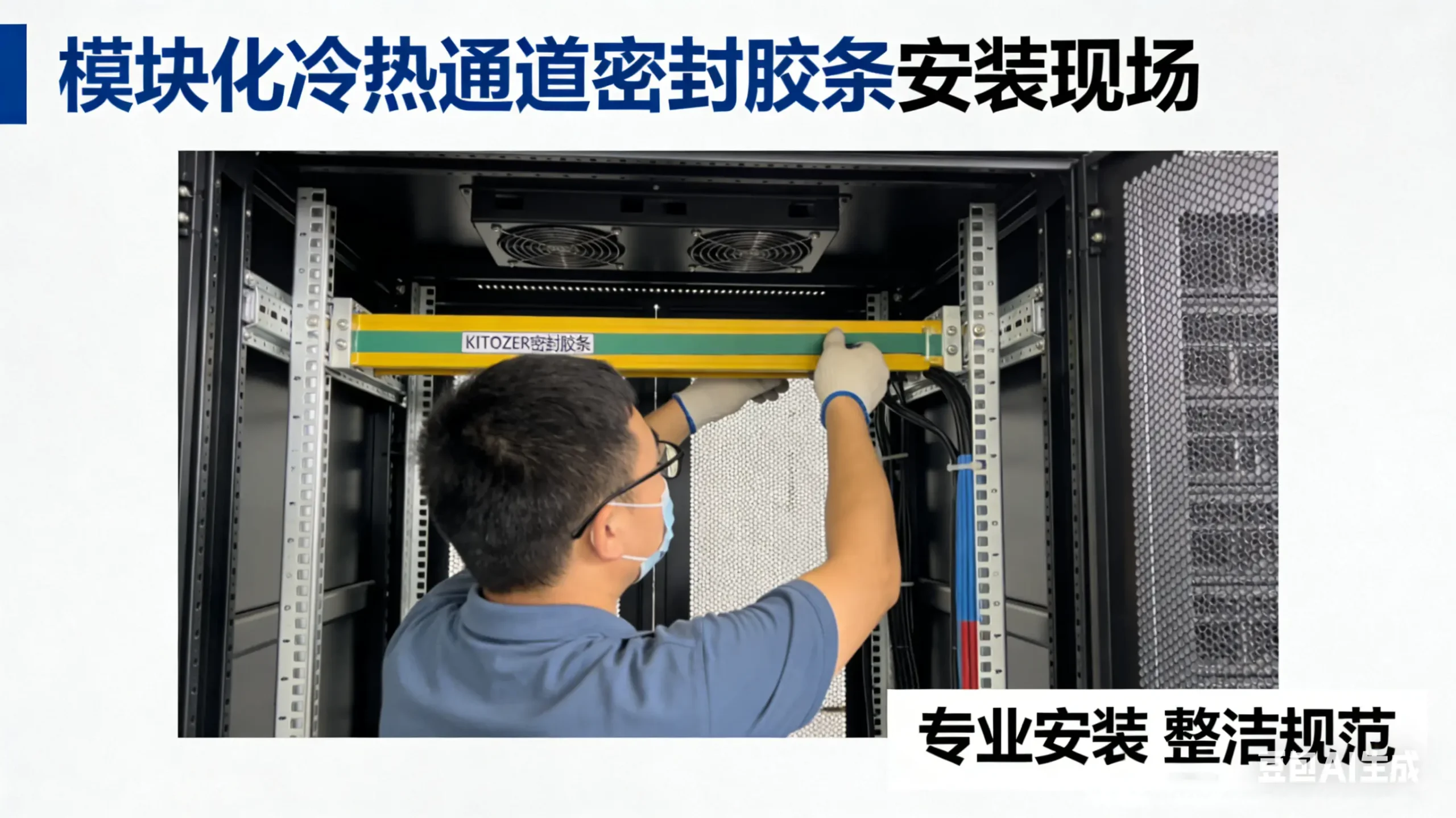
Most profiles are self-adhesive: the surface is cleaned, the release liner is peeled and the strip is pressed along the frame in one continuous run, cutting neatly at corners. For demanding outdoor applications, mechanical fixing with clips or screws may be specified so the seal cannot peel under heat or water pressure.
5.2 How long do seals last and when should they be replaced?
EPDM products typically last many years outdoors, but seals harden, take compression set or lose adhesion over time — visible flattening, cracks or water marks near the seal indicate replacement is due. Regular inspection and cleaning of the sealing surfaces are the main maintenance tasks; replacement strips are supplied to the same profile so the frame does not need modification.

6. Specification and Supply
6.1 What information is needed to select the right seal?
Useful inputs are the application (indoor or outdoor), the required IP rating, the gap that must be bridged, the door or panel length, corner treatment, and any EMI requirement. With those, Lain proposes the material, profile cross-section, hardness and fixing method, and supplies samples for testing before a full order.
6.2 Are sealing materials supplied with fabricated cabinets?
Yes — as part of cabinet fabrication, Lain fits the correct sealing at the factory, or supplies the profiles and cable entries as accessories for site assembly. Supplying the seal with the enclosure removes guesswork about compatibility and guarantees the specified protection level of the finished cabinet.
7. Frequently Asked Questions — Quick Reference
Cabinet Sealing Materials FAQ
1. Why does a cabinet need sealing materials?
Sealing stops dust, moisture, water, air leakage and EMI entering the enclosure, protecting electronics and preserving the cabinet’s IP rating.
2. What sealing products are available?
EPDM foam and solid rubber strips, brush seals, cable-entry glands and brush plates, grommets and conductive EMI gaskets, mostly with self-adhesive backing.
3. How do I choose between foam and solid rubber?
Closed-cell foam follows uneven surfaces and suits door perimeters; solid or hollow rubber gives higher compression force and longer life for outdoor and heavy doors.
4. How are cables sealed at cabinet entries?
With individual or multi-cable glands, brush plates or grommets depending on cable count, diameter and the IP level required; brush plates suit later cable additions.
5. Can sealing be added to an existing cabinet?
Yes — self-adhesive strips retrofit easily onto existing door frames and panels; brush plates can be fitted over existing openings without reworking the sheet metal.
6. What is the difference between indoor and outdoor sealing?
Indoor cabinets need dust and air-leak control; outdoor cabinets need UV-stable, high-recovery gaskets, sealed cable entries and full perimeter sealing for rain and temperature swings.
7. How are strips installed?
Surfaces are cleaned, then the self-adhesive strip is pressed along the frame in one continuous run with clean corner cuts; outdoor applications can add mechanical fixing.
8. How long do seals last?
EPDM typically lasts many years outdoors; flattening, cracks or water marks mean replacement is due, and replacement strips match the original profile.
9. Do conductive gaskets provide EMI shielding?
Yes — conductive gaskets complete the electromagnetic shield across door and panel openings, which ordinary rubber strips do not.
10. Are sealing materials supplied with fabricated cabinets?
Yes — Lain fits the correct seals during cabinet fabrication or supplies profiles and cable entries as accessories for site assembly.
8. Related Solutions
- Cabinet Sealing Materials: Gaskets, Brushes & Cable Entries
- Cabinet Fabrication: Custom Sheet-Metal Enclosures
- Aisle Sealing Strips: Complete the Containment Envelope
- General Outdoor Cabinets: Weatherproof Enclosures
- Industry Application Outdoor Cabinets
- Control Cabinet Fabrication
About Guangzhou Lain Intelligent System Development Co., Ltd.
Guangzhou Lain Intelligent System Development Co., Ltd. supplies cabinet sealing materials — EPDM foam and rubber strips, brush seals, cable-entry glands and conductive gaskets — fitted during cabinet fabrication or supplied as accessories for indoor and outdoor enclosures. From single rooms to enterprise facilities, KITOZER provides design, manufacturing, integration, testing and after-sales service under one roof and exports worldwide.
Contact us for a free technical consultation:
- Company: Guangzhou Lain Intelligent System Development Co., Ltd.
- Address: 1st Floor, Building A, Chaotian Industrial Park, Zhongrun Industrial Park, Shilou Town, Panyu District, Guangzhou, Guangdong, China
- Tel/WeChat: +86 135-0923-8849 | +86 135-0923-8849
- WhatsApp: +86 135-0923-8849
- Email: zl19068534140@gmail.com
- Website: www.gdlain.com | Request a Quote
Typical response time: within one business day. Project references, drawings and samples are available on request.