1. Overview: What This FAQ Covers
Climate-controlled containers are factory-built, relocatable enclosures that keep temperature, humidity and air quality inside a defined range for sensitive equipment — base stations, edge data centres, industrial instruments, medical stores and site shelters. Each unit combines insulated construction, precision cooling or heating, ventilation, monitoring and power backup so equipment runs in its rated environment wherever the container is placed.
This page answers the questions telecom operators, project engineers, integrators and site owners ask when specifying or deploying climate-controlled container shelters. Guangzhou Lain Intelligent System Development Co., Ltd. designs and builds containerised environments and monitoring systems; the answers below reflect our standard practice.
2. What a Climate-Controlled Container Is
2.1 What is a climate-controlled container?
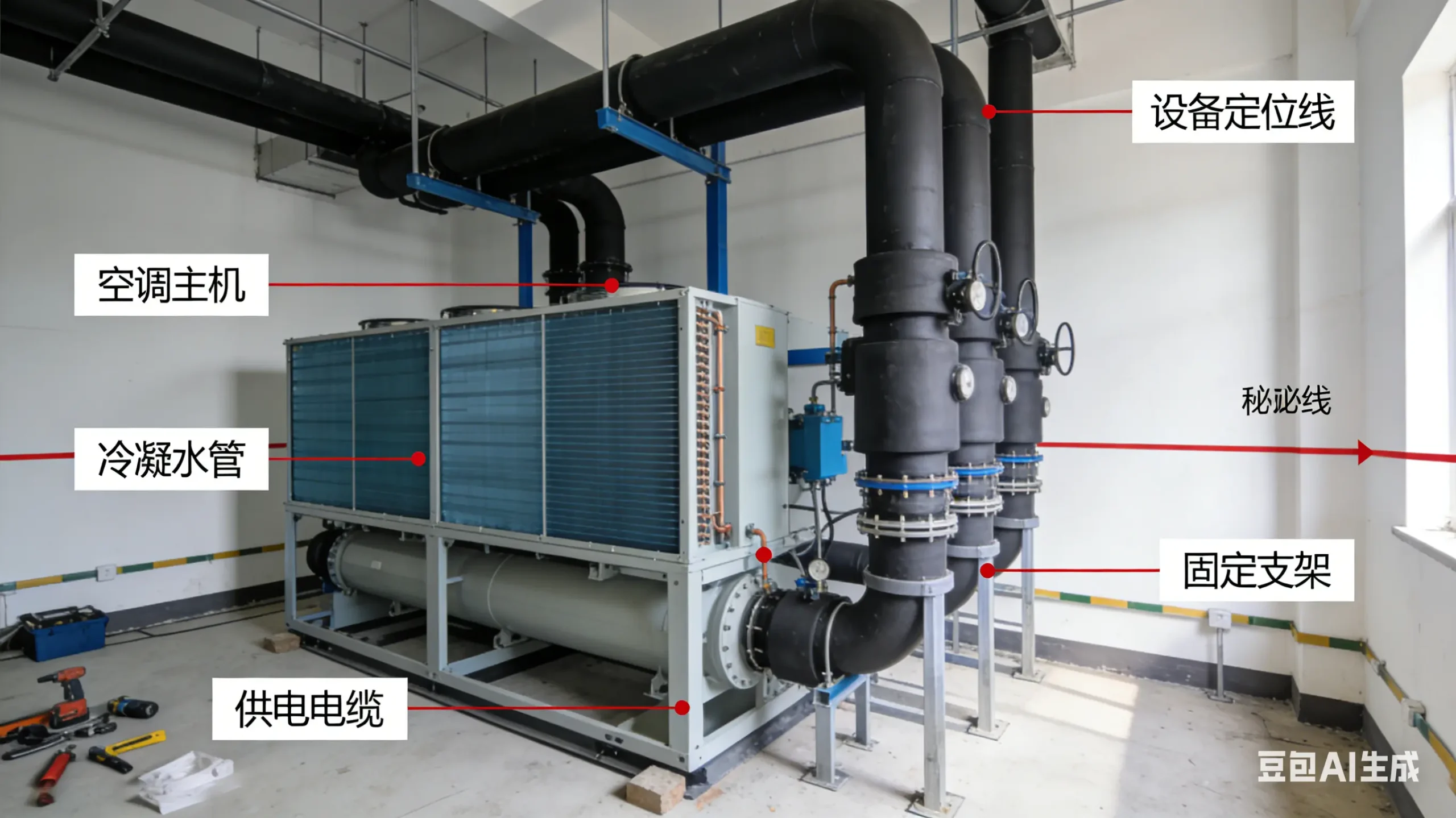
A climate-controlled container is a container-sized, insulated module fitted with HVAC equipment that actively maintains set temperature and humidity conditions. Unlike a plain equipment shelter it includes precision control — typically heating, cooling, humidification/dehumidification and filtered ventilation working together — so the interior stays within a tight band across outdoor seasons and load changes.
2.2 How does it differ from a standard equipment cabinet or shelter?
A standard cabinet relies on passive ventilation, simple fans or small coolers and is sized for a few racks. A climate-controlled container is a room-scale solution for larger power densities, more equipment or stricter environmental requirements, and it is relocatable: it arrives pre-integrated, connects to power, and can be moved to a new site as a complete unit rather than rebuilt.
2.3 Which applications use climate-controlled containers?
Typical uses are telecom base stations and transmission sites, edge and modular data centres, electrical and battery rooms, industrial instrument houses, agricultural and medical storage, and temporary sites where a permanent building is not justified. Wherever the equipment specification demands a controlled environment, the container provides it in a standard, shippable form.
3. Temperature, Humidity and Air Quality Control
3.1 What temperature ranges can be maintained?
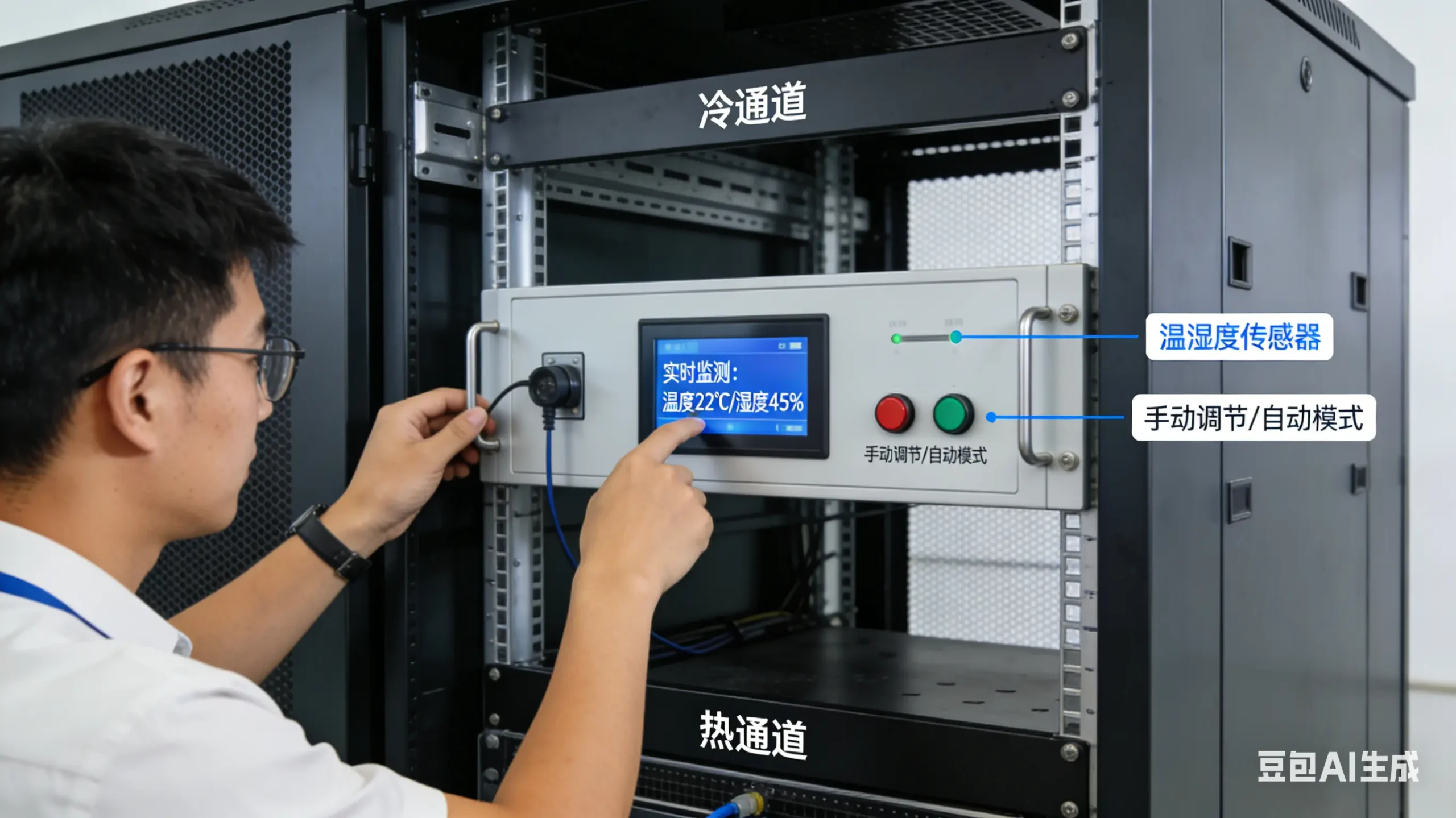
Standard configurations hold the interior between roughly 18–28°C for telecom and data equipment, with tighter bands such as 20–25°C available for precision applications. Heating is provided for cold climates and cooling for hot ones, so the same container design operates from sub-zero outdoor sites to desert environments by selecting the right HVAC capacity.
3.2 How is humidity controlled?
Humidity is managed with dehumidification during cooling and humidification where the site is very dry, holding a target range such as 40–60% RH for electronic equipment. Condensation is prevented by sealing, insulation and vapour barriers, and by keeping interior surfaces above the dew point; sensors confirm the result continuously rather than assuming it from the HVAC set point.
3.3 Why does air quality and filtration matter?
Outdoor air carries dust, salt and pollution that clog filters, corrode contacts and coat electronics. Containers therefore ventilate through replaceable filters sized for the site — higher-grade filtration for dusty or coastal locations — and maintain slight positive pressure so unfiltered air does not leak in around doors and cable entries.
4. Cooling and Heating Technology
4.1 Which cooling technologies are used?
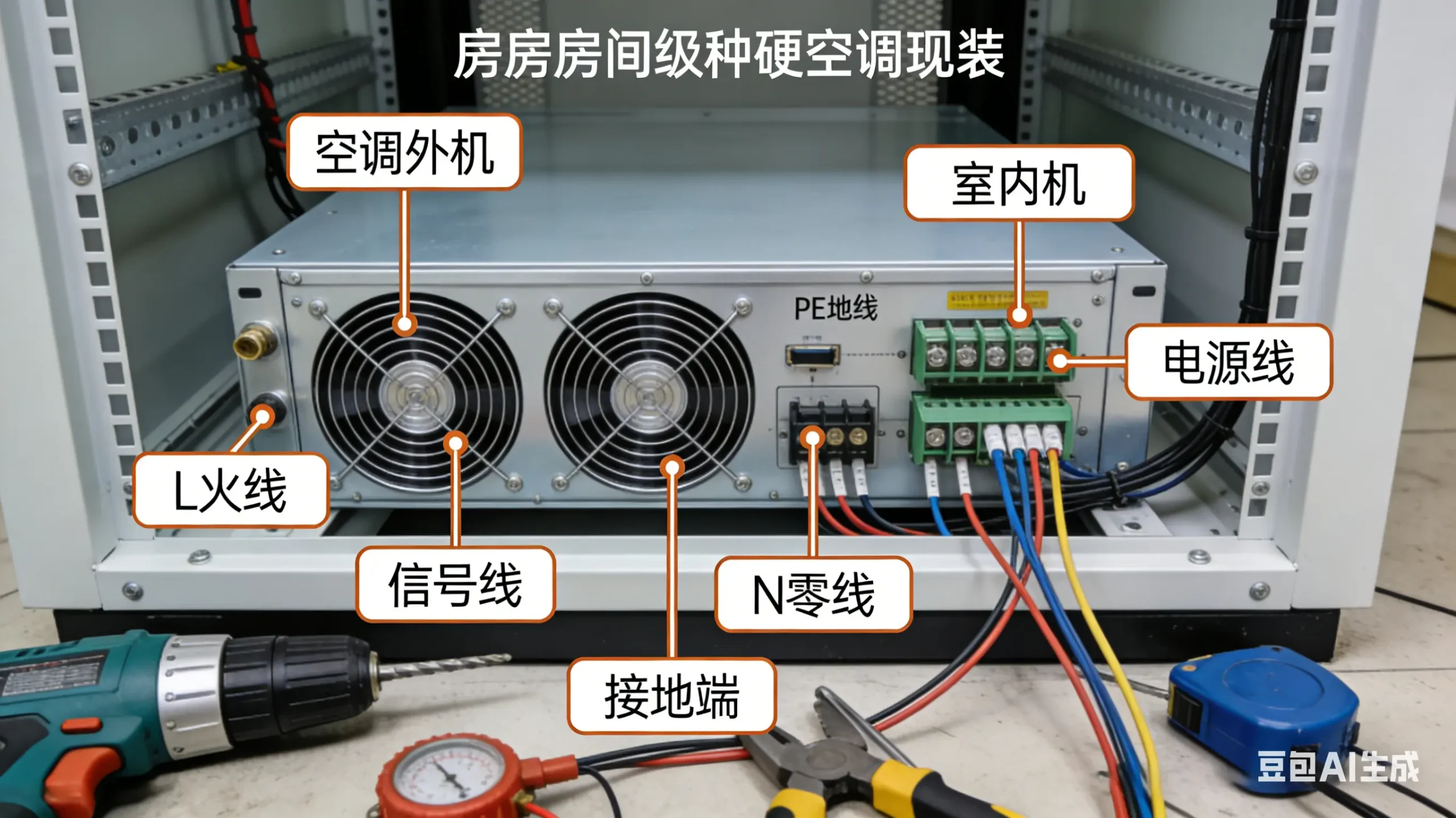
Common options are wall-mounted precision air conditioners, roof-mounted units, split systems with indoor units mounted high in the container, and free-cooling modes that use outside air when it is cool enough to save energy. The choice balances first cost, efficiency, noise, footprint and redundancy; Lain sizes the unit from the heat load, outdoor design temperature and required availability.
4.2 How is redundancy arranged for critical sites?
Critical sites use N+1 or 2N HVAC — an extra unit or a full second unit that carries the load if the primary fails — with automatic changeover and a high-temperature alarm. The container layout keeps service access to every unit without shutting the site down, and changeover is tested so standby capacity is proven rather than assumed.
4.3 How is heating provided in cold climates?
Electric resistance heaters or heat-pump operation of the air conditioners maintain temperature when ambient is low. The control system stages heating against cooling demand and outdoor temperature, and insulation quality determines how much heating capacity is actually needed — well-insulated containers cut both heating and cooling load significantly.
5. Monitoring, Alarms and Power
5.1 How is the environment monitored?
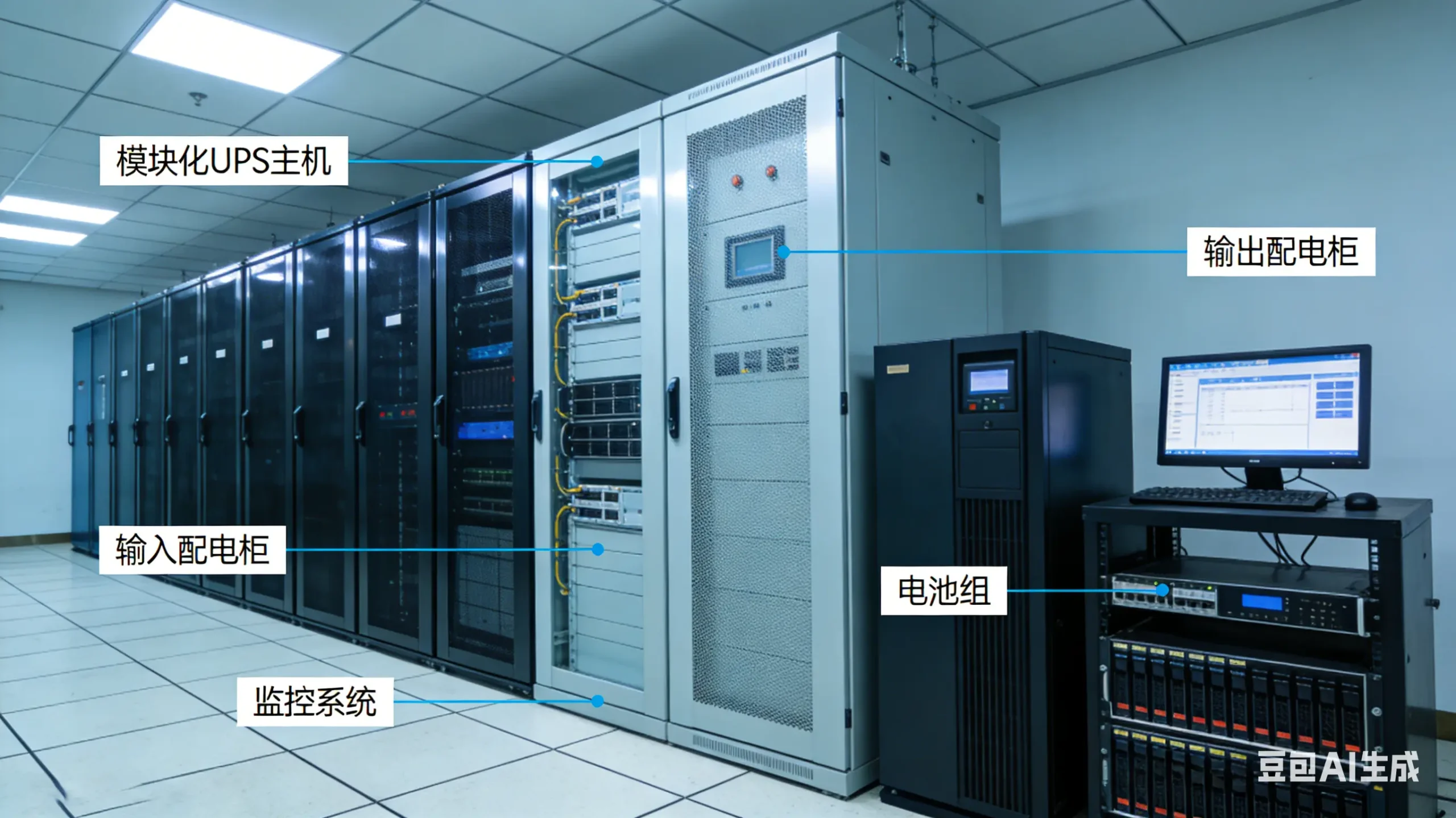
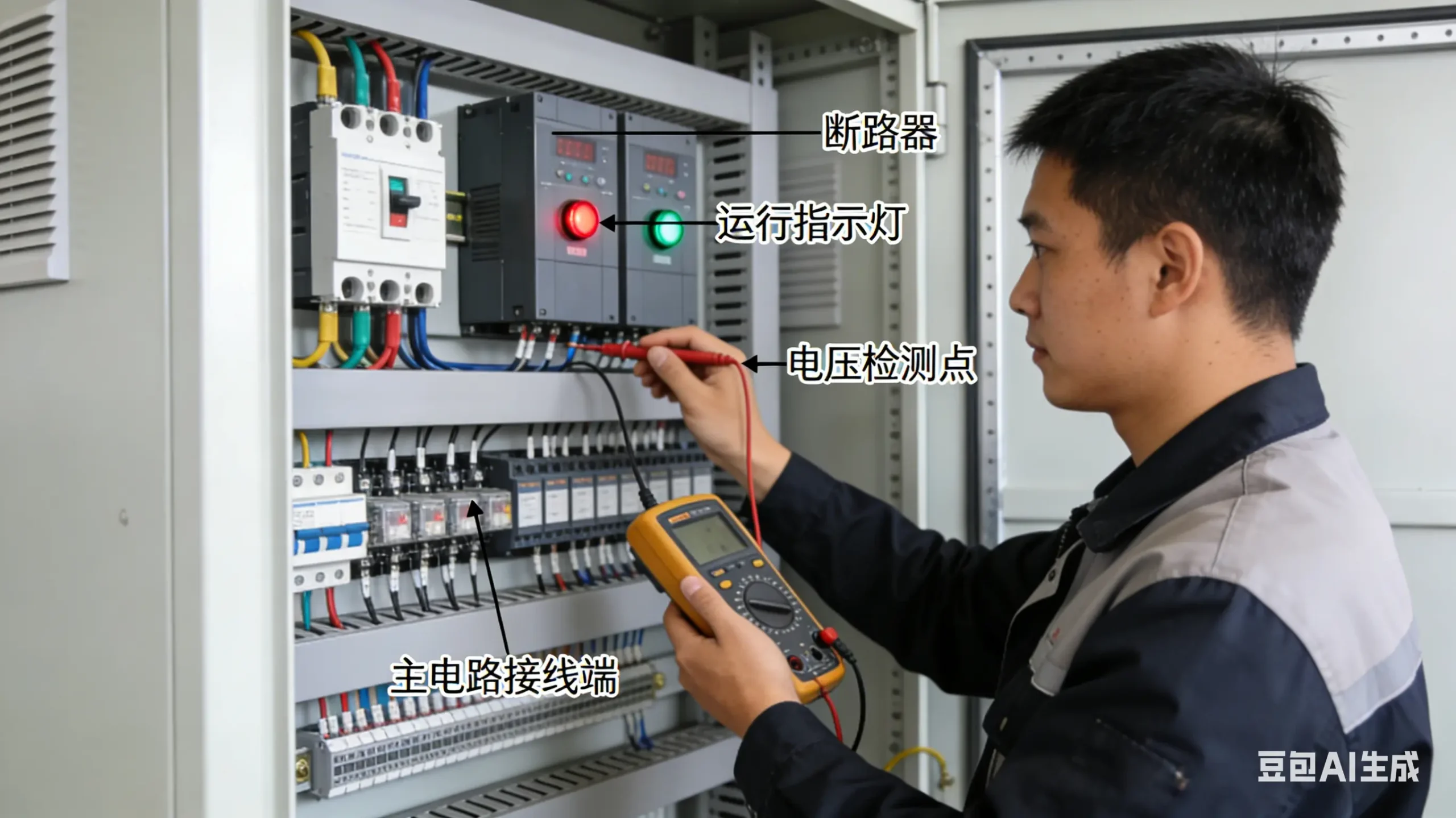
Calibrated temperature, humidity and optional smoke/water sensors report to a site controller and a cloud platform, giving operators a live view and history from any device. Alarms for high/low temperature, humidity drift, HVAC failure, power loss, door-open and communication loss are sent by SMS, WeChat/WhatsApp or email to the responsible engineer — not just shown on a local screen.
5.2 What happens during a power failure?
The container connects to rectifier/battery, UPS or generator backup sized for the equipment and HVAC load. On mains loss the controller alarms immediately and records the event; where batteries cannot run the air conditioning for long, the design may shed non-critical load or switch HVAC to a reduced mode so monitoring and core equipment keep running as long as possible.
5.3 Do containers support remote site management?
Yes — the site controller reports to the central NMS or cloud platform over network or 4G, so a single operations team manages many scattered containers remotely: viewing temperatures, restarting HVAC, receiving alarms and checking door events without dispatching a technician for every check. Lain integrates the container controller with the operator’s existing monitoring platform where required.
6. Deployment, Sizing and Customisation
6.1 How is the right container size and HVAC capacity chosen?
Sizing starts with the equipment heat load, the required temperature band, the outdoor climate at the site and the desired redundancy. Lain calculates the sensible and latent load, selects insulation thickness, HVAC capacity and airflow, and verifies the result with a thermal model — so the container is neither oversized (wasting power) nor undersized (failing in summer).
6.2 What can be customised?
The container is customised in dimensions, insulation level, HVAC type and redundancy, internal rack layout, power system (AC/DC, rectifiers, batteries), cable entries, doors, colours and the monitoring platform. Standard base designs keep cost and lead time low, while project-specific options are engineered around the same proven structure.
6.3 How fast is a container deployed on site?
Because everything is pre-integrated and factory-tested, a container typically becomes operational within days of delivery: positioning, power connection, commissioning of HVAC and monitoring, and site acceptance tests. The container is delivered as one transportable unit with factory records, so site work is minimal compared with building and fitting out a permanent room.
7. Frequently Asked Questions — Quick Reference
Climate-Controlled Container FAQ
1. What is a climate-controlled container?
An insulated, relocatable container module with precision heating, cooling, humidity control, filtration and monitoring — keeping sensitive equipment inside its rated environment at any site.
2. Where are climate-controlled containers used?
Telecom base stations, edge data centres, electrical and battery rooms, industrial instrument houses and medical or agricultural storage where equipment needs a controlled environment.
3. What temperature range can be held?
Typically 18–28°C for telecom and data equipment, with tighter bands available; heating and cooling are sized for the outdoor climate at the site.
4. How is humidity controlled?
By dehumidification during cooling and humidification in dry conditions, targeting e.g. 40–60% RH, with sealing and insulation preventing condensation and sensors confirming the result.
5. Why is filtration needed?
Outdoor air carries dust, salt and pollution; filtered ventilation with slight positive pressure keeps contaminants out of the equipment environment.
6. Which cooling technologies are used?
Wall or roof precision air conditioners, split systems and free-cooling modes, selected by heat load, climate, footprint and required redundancy.
7. How is redundancy arranged?
Critical sites use N+1 or 2N HVAC with automatic changeover and high-temperature alarms; service access is designed so units can be maintained without a full site shutdown.
8. How is heating provided in cold climates?
Electric resistance heaters or heat-pump operation stage against outdoor temperature; good insulation significantly reduces the heating capacity needed.
9. What happens on power failure?
Rectifier/battery, UPS or generator backup covers equipment and HVAC; the controller alarms on mains loss, records the event and may shed or reduce HVAC load to extend runtime.
10. How is the container monitored?
Temperature, humidity and optional smoke/water sensors report to a cloud platform or central NMS, with alarms by SMS, WeChat/WhatsApp or email to the responsible engineer.
11. Can containers be managed remotely?
Yes — controllers report over network or 4G so one team views temperatures, restarts HVAC and receives alarms for many scattered sites from a single console.
12. How long does deployment take?
Units are pre-integrated and factory-tested, so sites are typically operational within days of delivery after power connection, commissioning and acceptance testing.
8. Related Solutions
- Climate-Controlled Container: Stable Environment for Equipment
- Accommodation Container: Living & Working Units
- Cold-Chain Container: Refrigerated Storage
- Edge Computing Container: Integrated Micro Data Center
- Homestay Container: Modular Accommodation
- Accommodation Container FAQ
About Guangzhou Lain Intelligent System Development Co., Ltd.
Guangzhou Lain Intelligent System Development Co., Ltd. designs and builds climate-controlled containers — insulated shelters with precision HVAC, filtration, power backup and cloud monitoring — for telecom, data centre, industrial and medical sites worldwide. From single rooms to enterprise facilities, KITOZER provides design, manufacturing, integration, testing and after-sales service under one roof and exports worldwide.
Contact us for a free technical consultation:
- Company: Guangzhou Lain Intelligent System Development Co., Ltd.
- Address: 1st Floor, Building A, Chaotian Industrial Park, Zhongrun Industrial Park, Shilou Town, Panyu District, Guangzhou, Guangdong, China
- Tel/WeChat: +86 135-0923-8849 | +86 135-0923-8849
- WhatsApp: +86 135-0923-8849
- Email: zl19068534140@gmail.com
- Website: www.gdlain.com | Request a Quote
Typical response time: within one business day. Project references, drawings and samples are available on request.