1. Overview: What This FAQ Covers
The LV distribution cabinet is the central board that receives low-voltage power from the transformer or generator and distributes it through protected feeders to the loads of a building, plant or site. This page answers the practical specification questions engineers and project buyers ask before ordering a low-voltage board — incoming breaker choice, selectivity, busbar sizing, metering and standards.
Guangzhou Lain Intelligent System Development Co., Ltd. manufactures LV distribution cabinets and switchgear assemblies for commercial, industrial, data center and telecom projects. The answers below reflect our standard engineering practice.
2. Role of the Cabinet and Incoming Protection
2.1 What is an LV distribution cabinet?
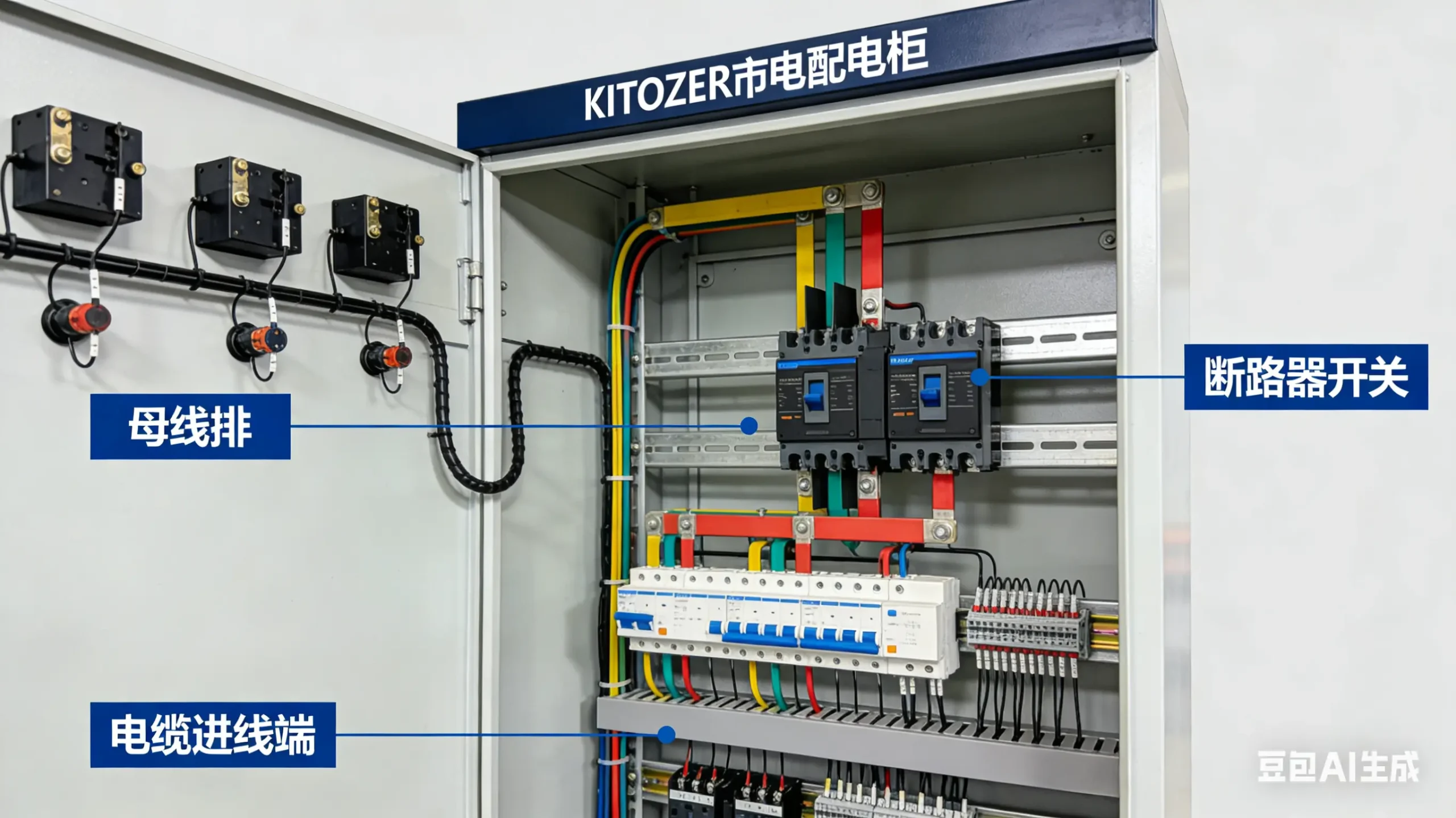
It receives low-voltage power from the transformer or generator and distributes it through protected feeders to loads — the central board of the electrical installation. Everything downstream depends on this board: a well-built cabinet makes the installation predictable, while a poorly coordinated one turns every fault into a site-wide outage. Incoming protection, busbars and outgoing feeders are the three parts that define it.
2.2 ACB or MCCB incoming?
ACB (air circuit breaker) suits large intakes with adjustable protection and remote control; MCCB is economical for smaller boards. Selection follows load and fault level — the prospective short-circuit current decides the required breaking capacity, and the number of operations, selectivity needs and control philosophy decide whether the extra capability of an ACB is justified.
3. Selectivity and Busbar Engineering
3.1 What is selectivity and why does it matter?
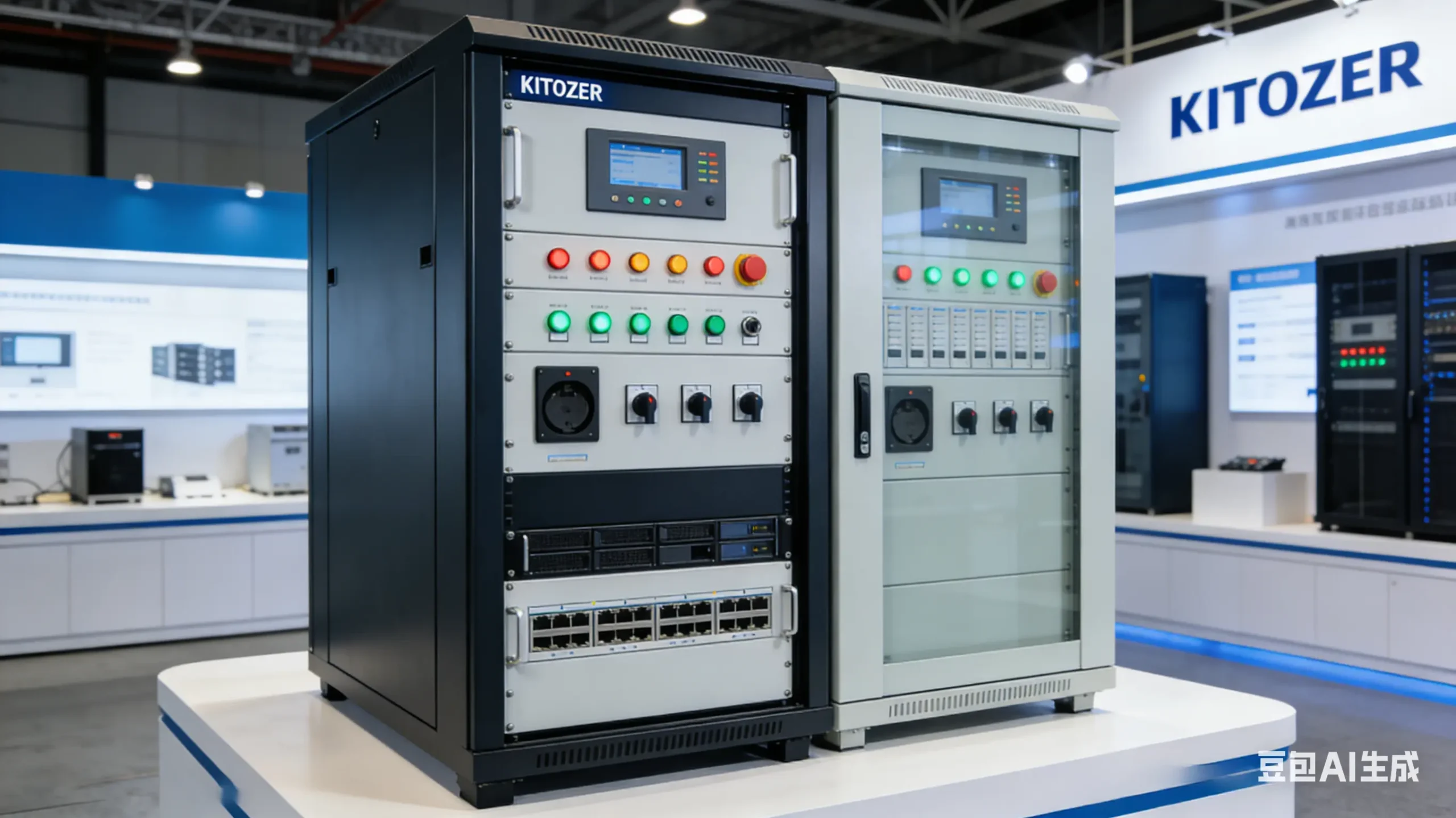
Selectivity ensures only the faulted circuit trips while upstream feeders stay live, limiting outages to the fault location. It is engineered through breaker coordination: the downstream device clears first by operating-time grading or current discrimination, so a fault on one socket circuit never takes the whole building down with it.
3.2 How are busbars sized?
By load current with thermal margin, short-circuit withstand and voltage drop; the design is documented and approved at the drawing stage. Copper or aluminium bars are rated for the connected load plus planned expansion, verified for short-circuit thermal stress, and supported to resist the magnetic forces of a fault until the upstream breaker clears it.
4. Metering, Monitoring and Standards
4.1 Can metering be added?
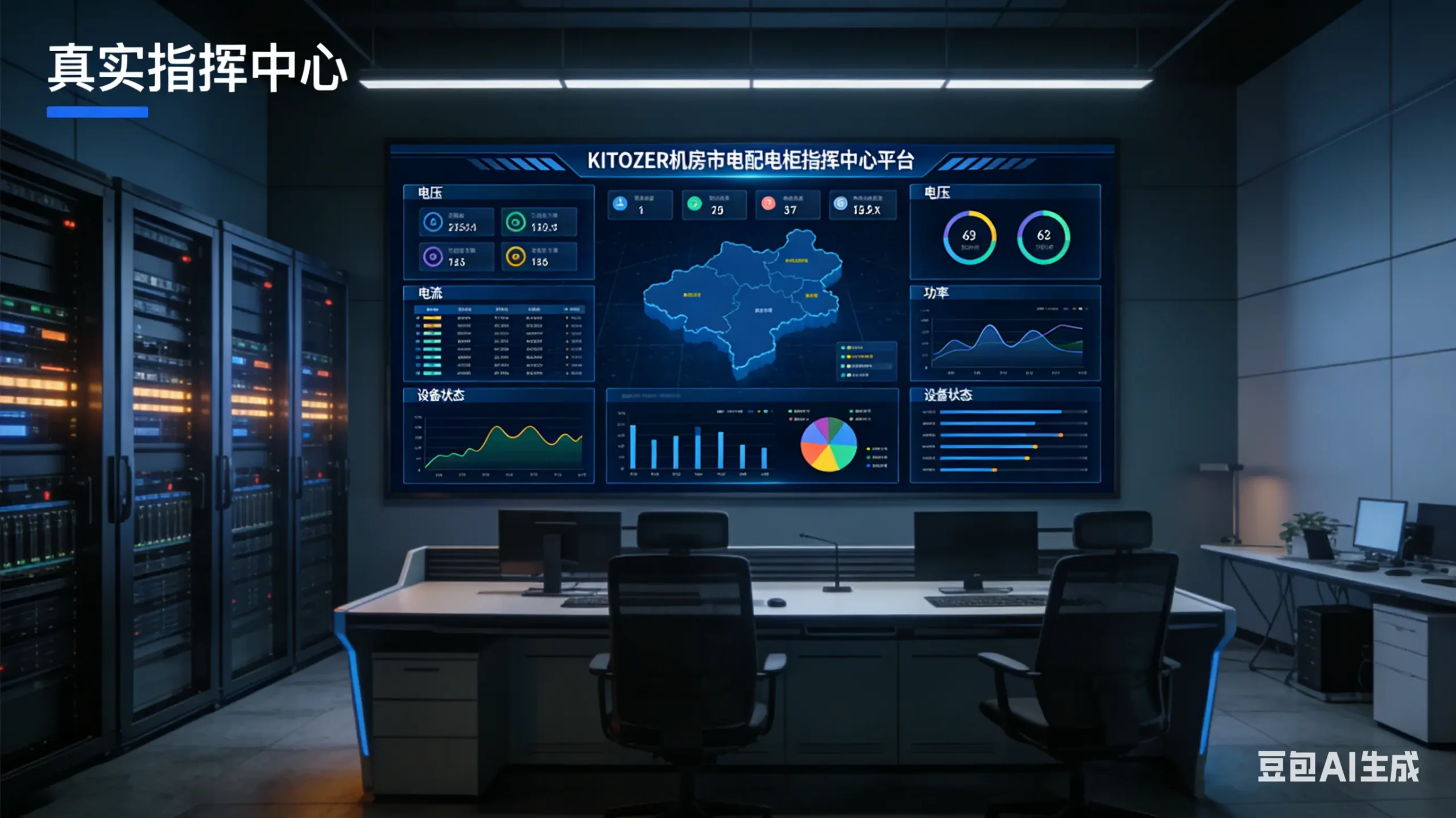
Yes — smart meters per feeder with Modbus/RS485 turn the board into an energy measurement point for monitoring and allocation. Feeder-level energy data supports tenant billing, department cost allocation and the load profiles needed for capacity planning, and it connects directly to building or site monitoring platforms.
4.2 Which standards apply?
Assemblies follow IEC 61439 (and GB/T 7251 for local projects) with routine tests per board and type-test documentation. Compliance is documented with design verification, routine test reports and the assembly drawings — the file that proves the board meets its rating and protects the installation behind it.
5. Configuration, Safety and Project Support
5.1 What protection devices sit inside, and can the cabinet be configured per project?
Moulded-case and miniature breakers, switch-fuses, contactors, surge protective devices and residual-current devices are arranged per circuit duty, and incoming arrangements, feeder counts, form of separation and busbar ratings are configured from a standard validated design. Customizing a proven platform keeps lead times short while matching the exact load schedule of the project.
5.2 How is maintenance and operator safety handled, and does Lain support projects?
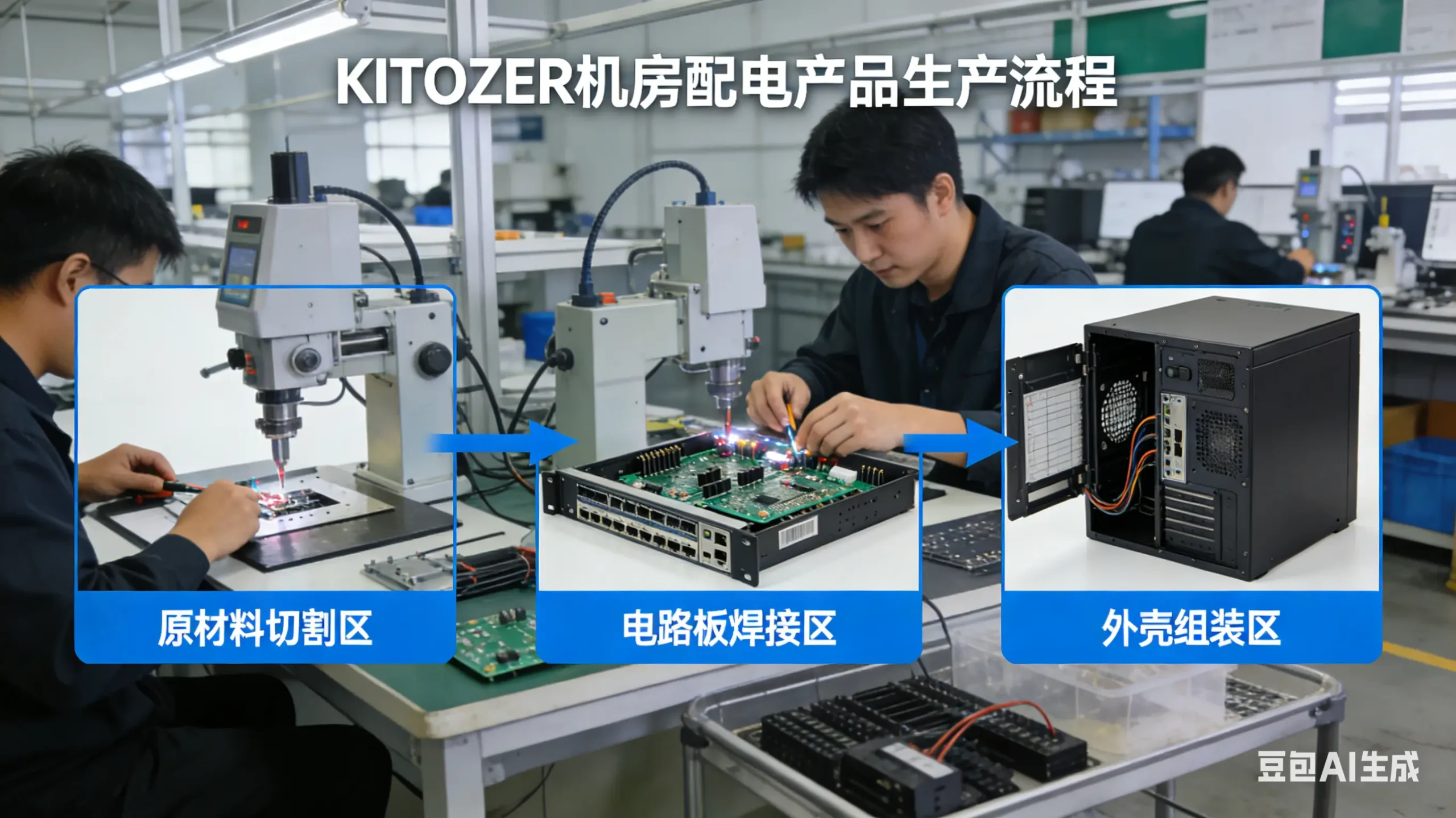
Enclosure IP rating, door interlocks, arc-fault mitigation, clear labeling and segregated compartments protect operators during switching and maintenance, and KITOZER manufactures, tests and supports each assembly with drawings, type-test documentation and after-sales engineering. Spare parts, settings support and site commissioning assistance keep the board safe and serviceable for its full working life.

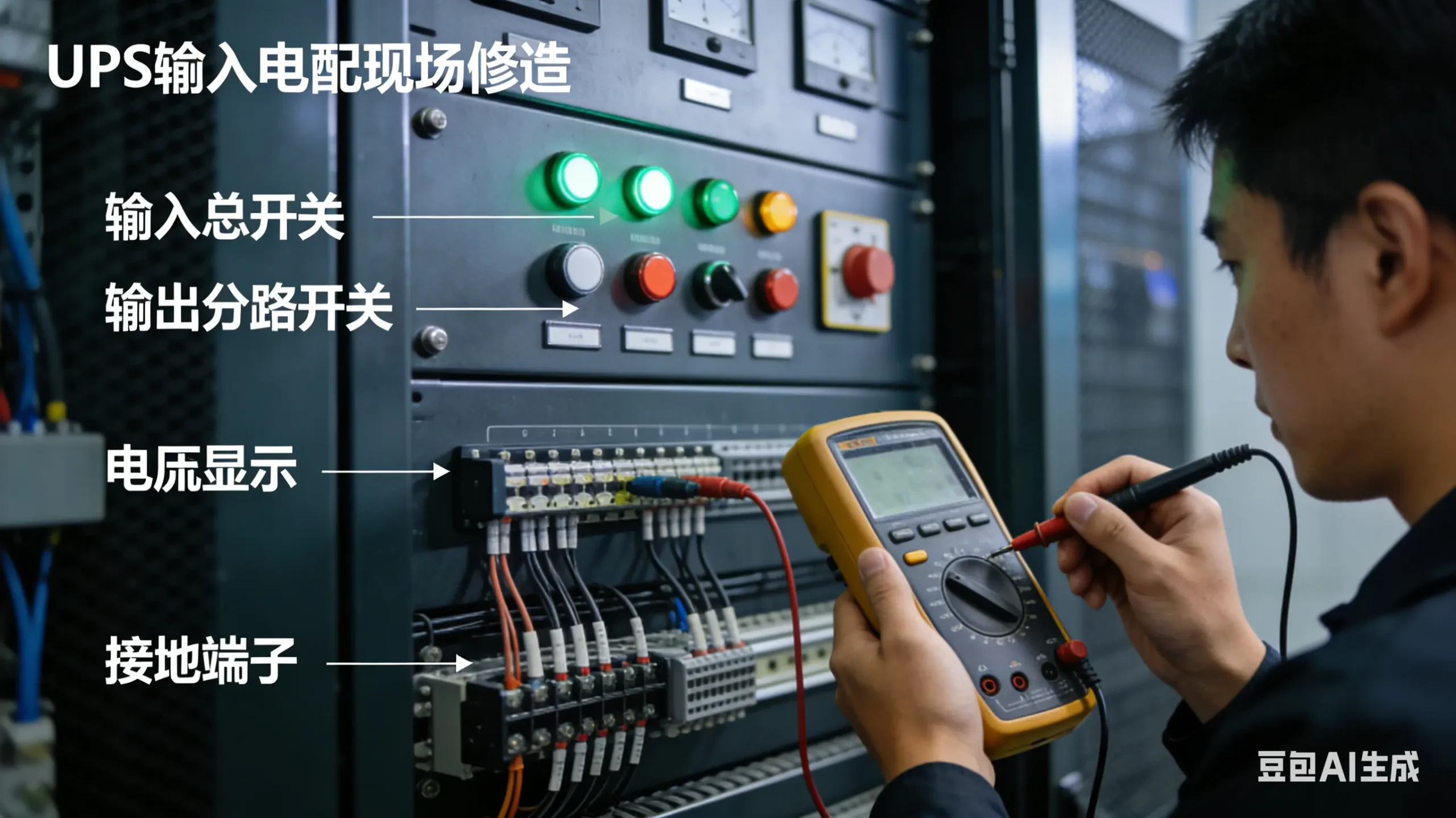
6. Frequently Asked Questions — Quick Reference
LV Distribution Cabinet FAQ
1. What is an LV distribution cabinet?
It receives low-voltage power from the transformer or generator and distributes it through protected feeders to loads — the central board of the electrical installation that protects, switches and meters every outgoing circuit.
2. ACB or MCCB incoming?
ACB (air circuit breaker) suits large intakes with adjustable protection and remote control; MCCB is economical for smaller boards. Selection follows load and fault level.
3. What is selectivity and why does it matter?
Selectivity ensures only the faulted circuit trips while upstream feeders stay live, limiting outages to the fault location. It is engineered through breaker coordination.
4. How are busbars sized?
By load current with thermal margin, short-circuit withstand and voltage drop; the design is documented and approved at the drawing stage.
5. Can metering be added?
Yes — smart meters per feeder with Modbus/RS485 turn the board into an energy measurement point for monitoring and allocation.
6. Which standards apply?
Assemblies follow IEC 61439 (and GB/T 7251 for local projects) with routine tests per board and type-test documentation.
7. What protection devices sit inside?
Moulded-case and miniature breakers, switch-fuses, contactors, surge protective devices and residual-current devices arranged per circuit duty, coordinated so each feeder is protected against overload, short circuit and insulation faults.
8. Can the cabinet be configured per project?
Yes — incoming arrangements, feeder counts, form of separation and busbar ratings are configured from a standard validated design, keeping lead times short while matching the site load schedule.
9. How is maintenance and operator safety handled?
Enclosure IP rating, door interlocks, arc-fault mitigation, clear labeling and segregated compartments protect operators during switching and maintenance.
10. Does Lain supply and support LV distribution cabinets?
Yes — KITOZER manufactures, tests and supports LV distribution cabinets and switchgear assemblies, providing drawings, type-test documentation and after-sales engineering for each project.
7. Related Solutions
- LV Distribution Cabinet: Safe Low-Voltage Power Distribution
- Distribution Switchgear (LV Power Distribution)
- AC Distribution Unit
- DC Distribution Cabinet (48V)
- Distribution SPD Module
About Guangzhou Lain Intelligent System Development Co., Ltd.
Guangzhou Lain Intelligent System Development Co., Ltd. manufactures LV distribution cabinets and switchgear assemblies with configured incoming protection, feeder metering and full type-test documentation for commercial, industrial and data center projects. From single rooms to enterprise facilities, KITOZER provides design, manufacturing, integration, testing and after-sales service. Export and support scope are confirmed on the quotation.
Contact us for a free technical consultation:
- Company: Guangzhou Lain Intelligent System Development Co., Ltd.
- Address: 1st Floor, Building A, Chaotian Industrial Park, Zhongrun Industrial Park, Shilou Town, Panyu District, Guangzhou, Guangdong, China
- Tel/WeChat: +86 13538869979
- WhatsApp: +86 135-0923-8849
- Email: zl19068534140@gmail.com
- Website: www.gdlain.com | Request a Quote
Typical response time: within one business day. Project references, drawings and samples are available on request.