1. Overview: Metering Is the Cash Register of the Power Network
Every kilowatt-hour consumed, generated or transferred across a medium-voltage boundary must be counted accurately — because someone is billed for it, or paid for it. A small error in a current transformer (CT) ratio or a loose voltage transformer (VT) connection repeats on every reading, day after day, for years. An HV metering cabinet (MV metering panel) is the purpose-built enclosure that houses the instrument transformers, energy meters and test facilities used to measure electrical energy on 10kV and 35kV circuits with metering-grade accuracy.
Guangzhou Lain Intelligent System Development Co., Ltd. manufactures HV metering cabinets for utility substations, industrial plants, commercial buildings, renewables and power distribution projects. This guide explains how MV metering works, what belongs inside a metering cabinet, accuracy classes, selection criteria and the questions customers ask most.
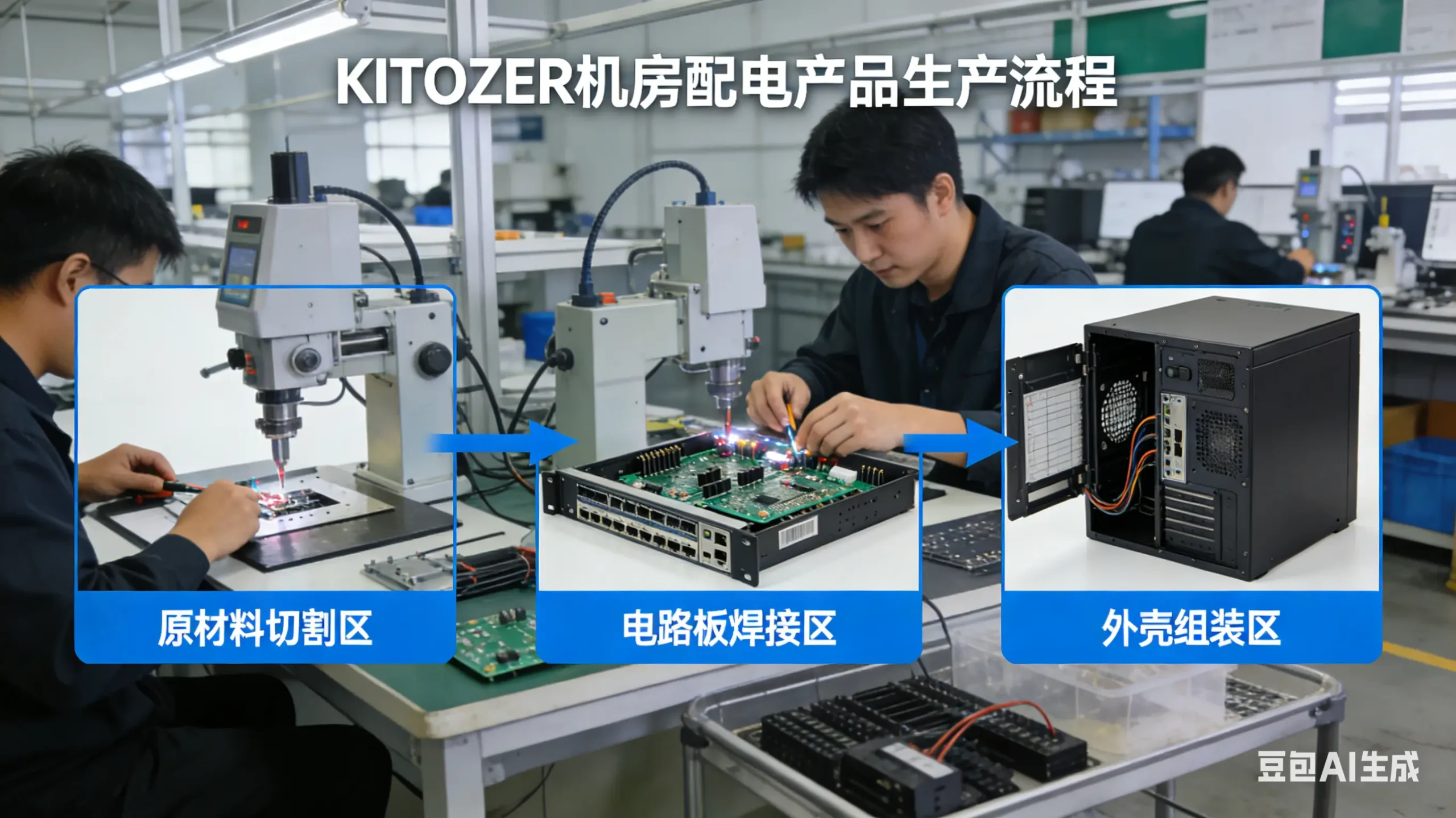
2. What an HV Metering Cabinet Does
2.1 Accurate Energy Measurement
The cabinet houses CTs and VTs that reduce 10kV or 35kV current and voltage to instrument levels (typically 1A/5A and 100V/110V), feeding an electronic energy meter that records active energy (kWh), reactive energy (kvarh) and demand. Because the cabinet sits between the utility supply and the consumer installation, its readings are the legal basis for billing.
2.2 A Secure, Tamper-Evident Boundary
A metering cabinet is built as a controlled-access compartment: the CT and VT secondary circuits, test terminal blocks and meter are protected behind sealed doors so readings cannot be altered or bypassed. This makes it the trusted boundary between network operator and customer.
2.3 Test and Calibration Access
Test terminals allow the meter to be isolated, a reference meter connected in series, and the installation verified or recalibrated without disturbing the live primary circuit — essential for commissioning, periodic verification and dispute resolution.
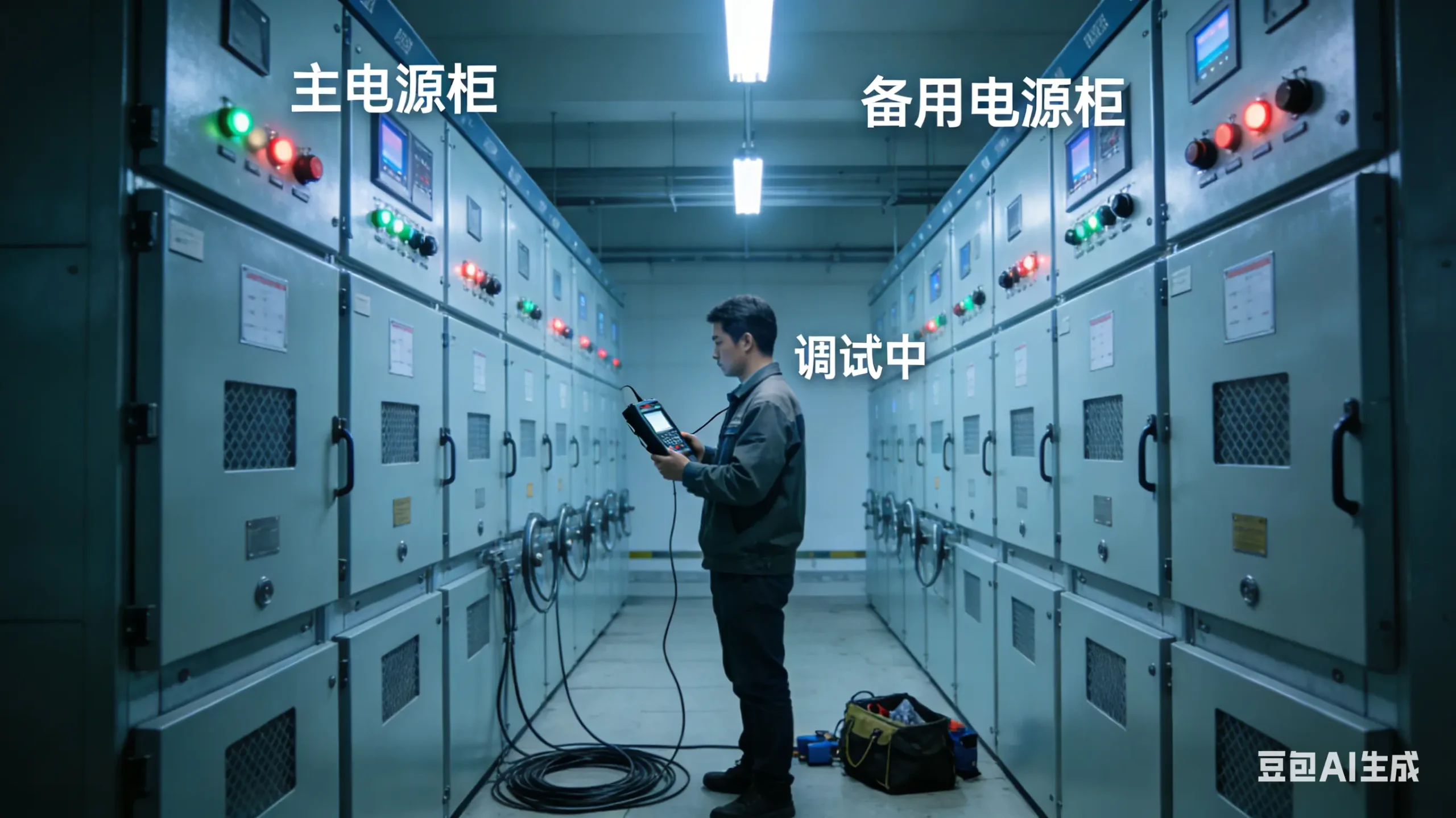
3. Core Components
- Current transformers (CTs) — reduce line current to 1A or 5A secondary; metering class 0.2S or 0.5S with a wide accuracy limit factor.
- Voltage transformers (VTs) — reduce 10kV/35kV to 100V/110V; metering class 0.2 or 0.5, often with separate protection cores.
- Energy meter — multifunction meter recording kWh, kvarh, demand, power quality and time-of-use registers; CT/VT ratio programmable.
- Test terminal block — shorting and isolating terminals between CT/VT circuits and the meter for safe testing.
- Protection devices — miniature breakers and fuses on VT secondary circuits to prevent back-feed and short circuits.
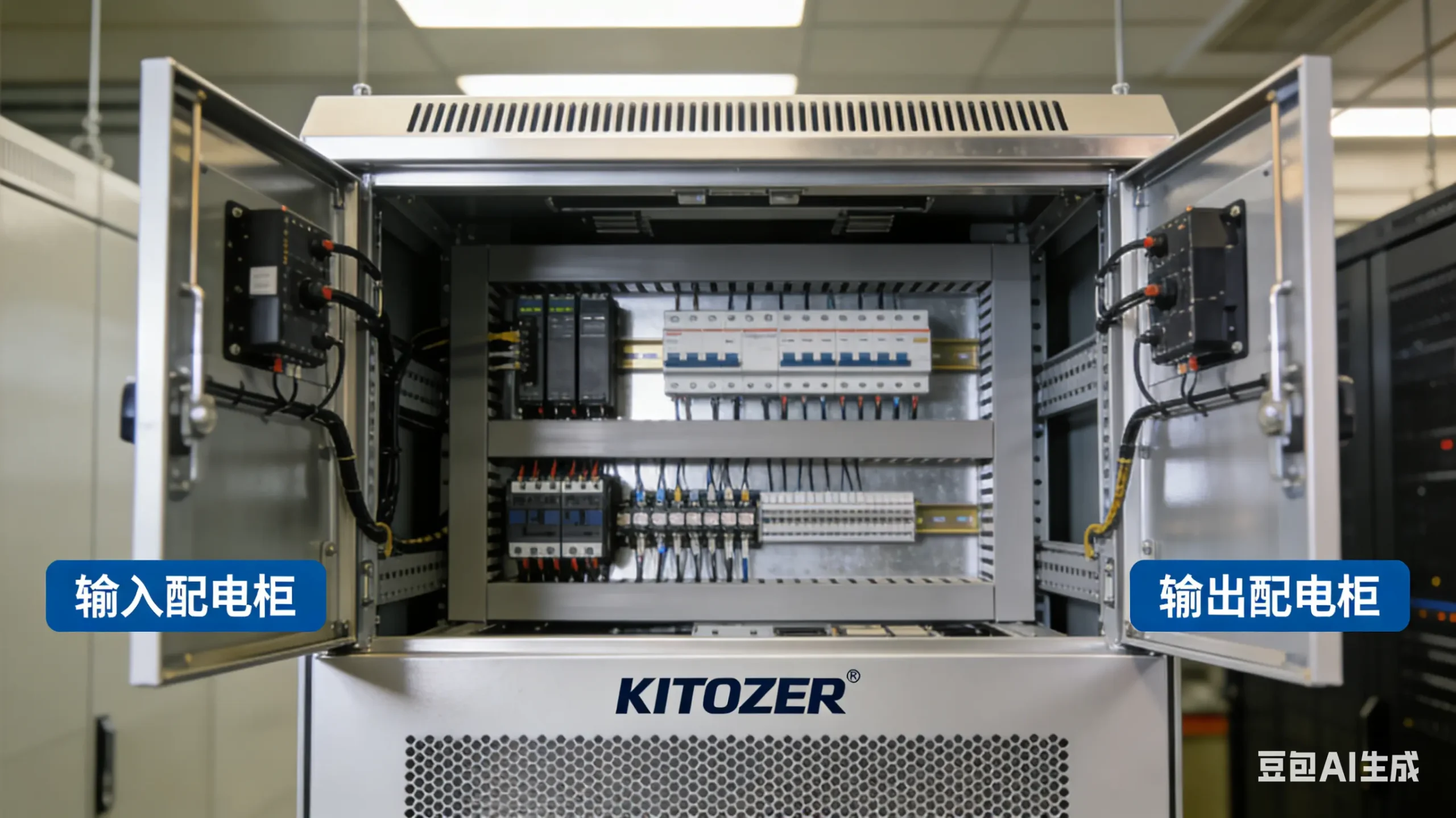
- Enclosure and busbar — metal-enclosed compartments with interlocked doors, cable entries and earthing per the network standard.
4. Metering Accuracy and Standards
| Item | Typical Class | Where Used |
|---|---|---|
| Metering CTs | 0.2S / 0.5S (IEC 61869-2) | Billing and sub-billing measurement |
| Metering VTs | 0.2 / 0.5 (IEC 61869-3) | Billing voltage measurement |
| Energy meters | Class 0.2S / 0.5S (IEC 62053-22) | Active energy, revenue metering |
| Reactive meters | Class 2 (IEC 62053-23) | Reactive energy and power factor |
| Protection CTs | 5P10 / 5P20 (IEC 61869-2) | Relay current inputs (separate core) |
For utility billing, metering CTs are almost always a dedicated core class 0.2S — separate from protection CTs — so that accuracy is never compromised by protection requirements or relay burdens.
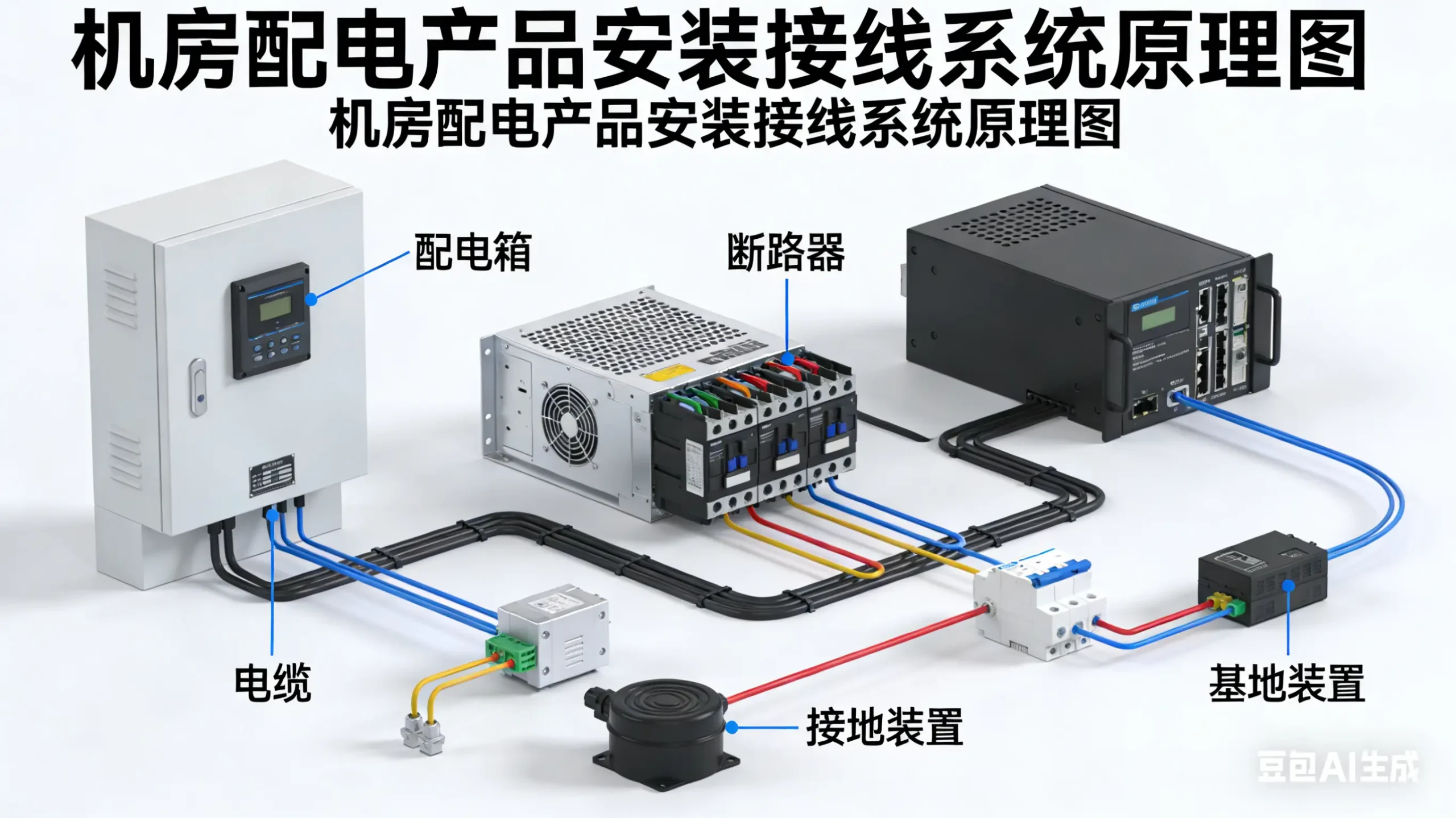
5. Cabinet Types and Configurations
| Type | Typical Use | Key Feature |
|---|---|---|
| Direct metering cabinet | Small MV consumers, dedicated feeders | Meter + CT/VT in one enclosure |
| With disconnector/breaker | Customer intake where switching is required | Integrated isolation and metering |
| Dual-VT arrangement | Revenue-critical sites needing redundancy | Standby VT and changeover |
| Outdoor kiosk metering | Pole/kiosk transformers, remote sites | Weatherproof, compact, padlockable |
| With telemetry | AMR / smart-grid billing | Meter with comms module (RS485/4G) |
6. Applications
- Utility and IPP metering — settlement metering at substation feeders and generator connections.
- Industrial consumers — medium-voltage intake metering for factories, plants and campuses buying at MV tariff.
- Commercial buildings — accurate sub-metering of large loads where the utility boundary is at MV.
- Renewables — metering solar farms, wind farms and storage plants for feed-in settlement.
- Private networks — internal energy allocation between tenants, departments or processes on shared MV rings.
7. Selecting an HV Metering Cabinet
- System voltage — 12kV, 24kV or 40.5kV class matching the network and insulation coordination.
- Metering requirements — CT ratio from the connected load and prospective fault level; class per the utility or tariff rules.
- Configuration — metering only, or with disconnector/breaker, earthing switch and protection functions.
- Secondary wiring — test terminal layout, meter location, and provision for future AMR/telemetry.
- Environment — indoor switchgear room or outdoor kiosk; pollution class, altitude and temperature.
- Compliance — enclosure and instrument transformer type tests, metering seals and local utility approval.
8. Integration and Remote Reading
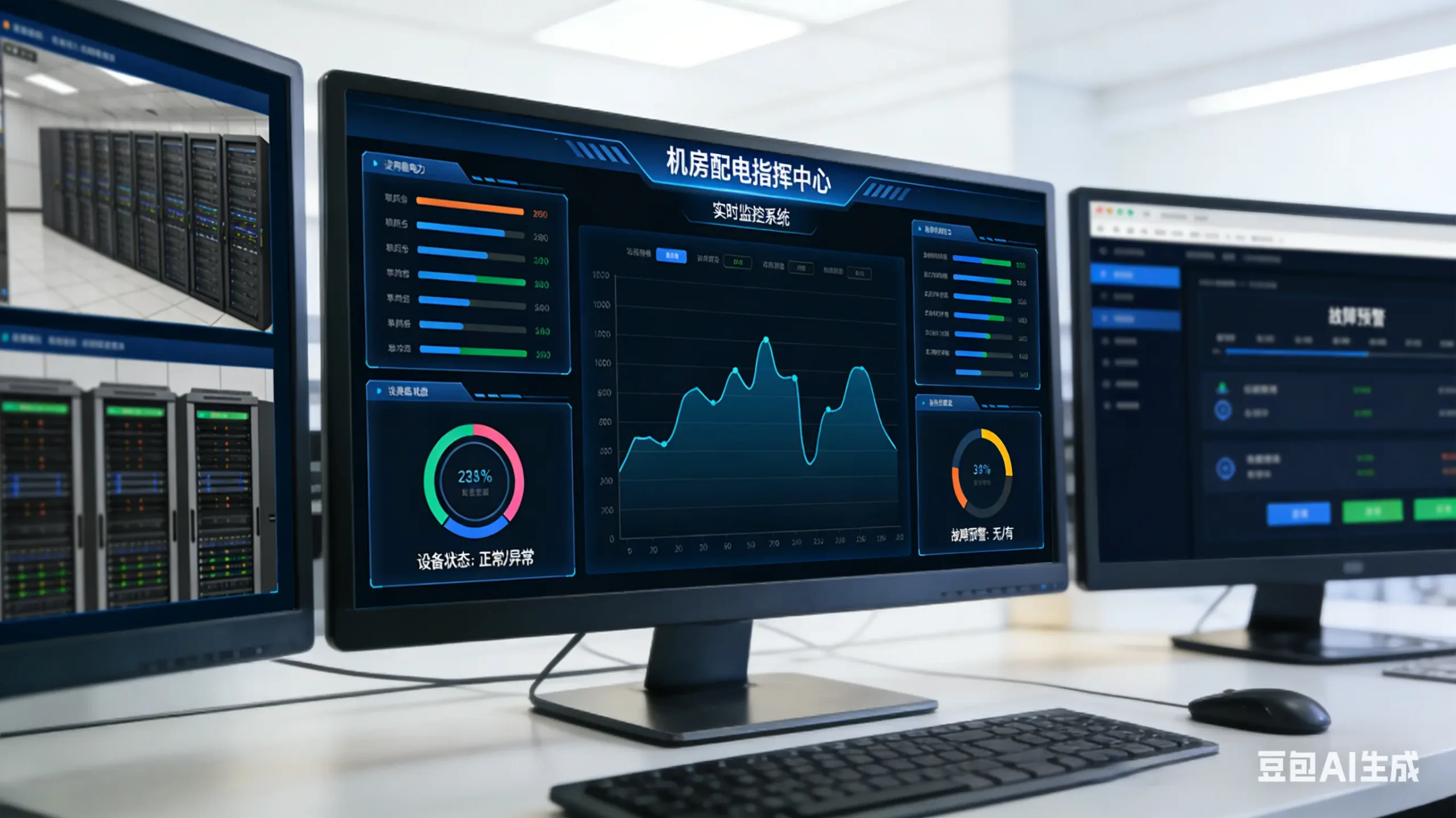
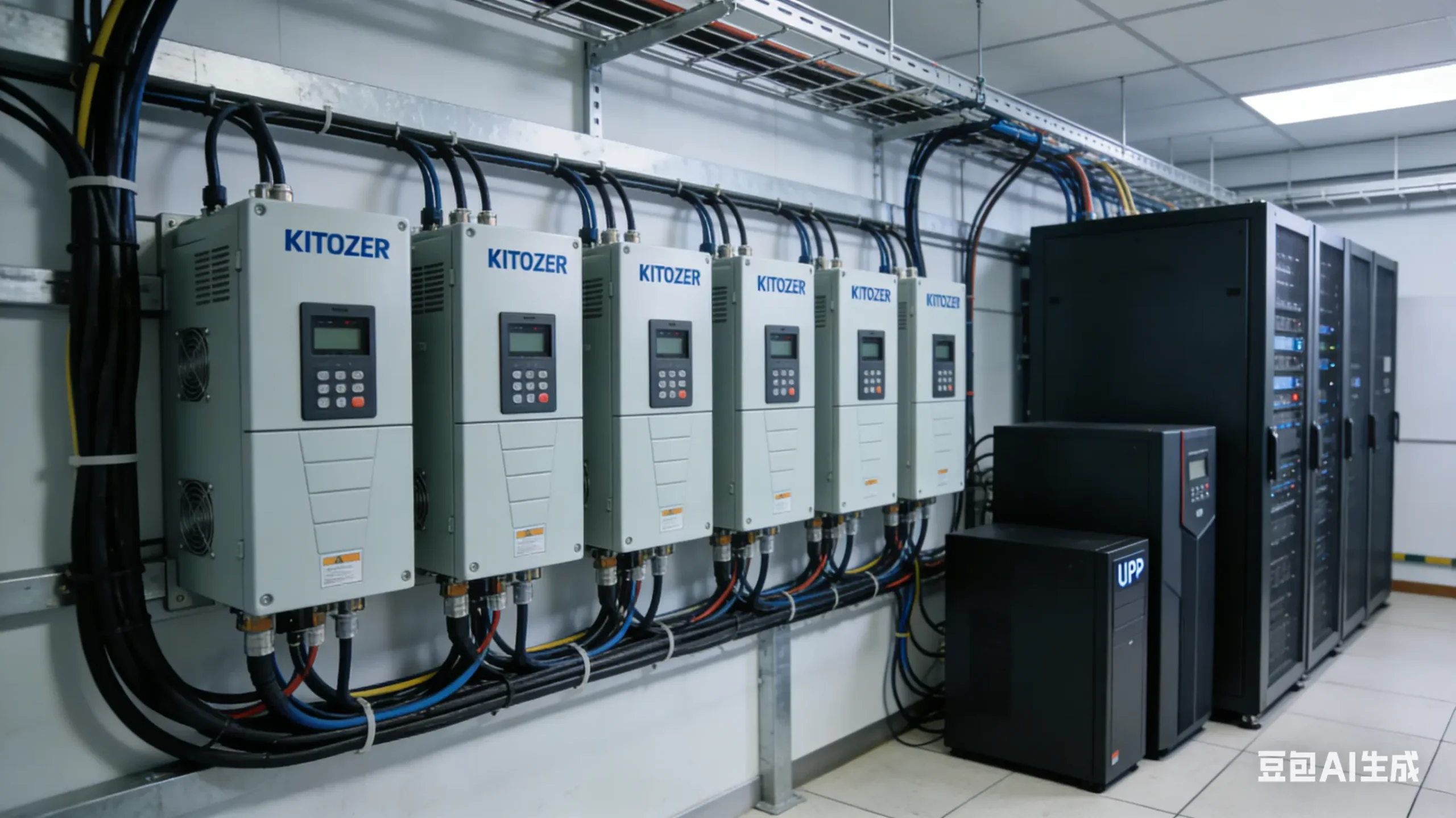
Modern meters inside the cabinet communicate over RS485 (Modbus/DLMS), pulse outputs or 4G/NB-IoT, feeding the utility head-end or a building energy management system. With CT/VT ratio and time-of-use programs set at commissioning, the same cabinet supports billing, demand monitoring, power-quality logging and loss analysis — giving plant engineers and utility operators one trusted measurement point per feeder.
9. Safety and Compliance
Metering cabinets are built with metal-enclosed, interlocked compartments: the CT and VT chambers cannot be opened while energised, doors are sealed after verification, and the cabinet is earthed through the switchgear earth bus. Secondary circuit protection prevents a VT fault from back-feeding or endangering personnel. Type-test documentation, wiring diagrams and metering verification reports are supplied with each cabinet to satisfy the network operator’s approval process.
10. Frequently Asked Questions
HV Metering Cabinet FAQ
1. Why is metering accuracy so important on HV circuits?
HV metering readings are the legal basis for billing large consumers and generators. Even a 0.5% error on a large feeder represents significant money every month, so metering-grade CTs/VTs and meters are used.
2. What accuracy class do metering CTs need?
Utility billing normally requires class 0.2S metering CTs with a dedicated metering core, separate from protection cores, per IEC 61869-2.
3. What is the difference between a metering CT and a protection CT?
A metering CT is optimised for accuracy across the normal load range (0.2S/0.5S), while a protection CT is optimised to saturate predictably at high fault currents (5P10/5P20). They are usually separate cores or separate transformers.
4. Can one cabinet include protection and metering?
Yes — many intake cabinets combine a metering compartment with a protection/control compartment, using separate CT cores for each function.
5. How are meters tested without interrupting supply?
Test terminal blocks short the CT secondaries and open the VT circuits so a reference meter can be connected in series while the primary circuit stays energised.
6. What voltage classes are available?
Typical ratings are 12kV, 24kV and 40.5kV (10kV/35kV networks) with CT ratios selected to the feeder load.
7. Does the cabinet support remote meter reading?
Yes — the meter supports RS485/Modbus, pulse outputs and optional 4G/NB-IoT communication for AMR and head-end integration.
8. What documentation is supplied?
Wiring diagrams, instrument transformer test certificates, meter verification reports, enclosure type-test documentation and operation manuals.
9. Can metering cabinets be supplied for outdoor installation?
Yes — weatherproof kiosk versions are available for transformer sites and outdoor networks.
10. How long does manufacture take?
Typically 3-5 weeks after approval of drawings, depending on configuration and CT/VT ratios.
11. Related Solutions
- HV Switchgear
- HV Isolator Cabinet
- 10kV/35kV HV Distribution Module
- Instrument Transformers
- LV Distribution Cabinet
- Distribution Switchgear
About Guangzhou Lain Intelligent System Development Co., Ltd.
Guangzhou Lain Intelligent System Development Co., Ltd. manufactures HV metering cabinets, instrument transformers and MV/LV power distribution solutions for utilities, industry and infrastructure worldwide. From single rooms to enterprise facilities, KITOZER provides design, manufacturing, integration, testing and after-sales service. Export and support scope are confirmed on the quotation..
Contact us for a free technical consultation:
- Company: Guangzhou Lain Intelligent System Development Co., Ltd.
- Address: 1st Floor, Building A, Chaotian Industrial Park, Zhongrun Industrial Park, Shilou Town, Panyu District, Guangzhou, Guangdong, China
- Tel: +86 13538869979
- WhatsApp: +86 13538869979
- Email: zl19068534140@gmail.com
- Website: www.gdlain.com | Request a Quote
Typical response time: within one business day. Project references, drawings and samples are available on request.