1. Overview: Field Headquarters That Moves With the Mission
Command posts, communication nodes and support facilities cannot be improvised in the field — they must arrive ready to work, survive harsh environments and relocate as the operation moves. A military operations container is a rugged, transportable module engineered as a deployable command and support unit: the structure, power, climate control, communications and interior fit-out are all integrated at the factory and tested before delivery.
Guangzhou Lain Intelligent System Development Co., Ltd. (Lain) designs and manufactures military-grade operations containers and modular support shelters for defence, public security, emergency response and industrial security programs. This guide explains what a military operations container contains, how it is engineered for field reliability, and how to specify a unit that will perform under real operational conditions.

2. What Is a Military Operations Container?
A military operations container is an ISO-dimension or mission-sized module built from a reinforced steel frame and insulated panels, fitted out to operate as a command-and-control post, communications shelter, medical station, workshop, power room or accommodation unit. Unlike a standard freight container it includes the complete operating infrastructure — electrical distribution, UPS, HVAC, lighting, cable management, workstations and environmental sealing — so that it works the moment it arrives.
The defining characteristic is engineering for deployment: the unit must survive transport by truck, rail, ship or helicopter sling, operate from remote locations with unreliable utilities, and be maintainable by field personnel with limited tools.
3. Roles and Configurations
| Role | Typical Fit-Out | Key Requirements |
|---|---|---|
| Command and control post | Workstations, large displays, video wall, comms desks | Reliable power, cooling, acoustic control, redundancy |
| Communications shelter | 19-inch racks, radios, satellite terminals, switching | EMI/RFI protection, cable entry, antenna provisions |
| Medical / aid station | Exam area, equipment power, climate control, lighting | Cleanable surfaces, precise temperature, backup power |
| Field workshop | Benches, tool storage, test equipment, 3-phase power | Heavy floors, ventilation, bright task lighting |
| Power / generator room | Genset, UPS, battery bank, distribution panel | Sound attenuation, fuel containment, fire suppression |
| Accommodation / rest module | Bunks, sanitation, small kitchenette, HVAC | Comfort, acoustic and thermal insulation, privacy |
| Deployable office | Desks, network, meeting table, storage | Fast setup, good lighting, IT integration |
The same base module can be configured differently for each role, and multiple modules are frequently combined — a command group made of one command module, one communications module and one power module linked by protected cable ways.
4. Structure: Built for Transport and Impact
The container shell starts with a heavy-duty steel frame with corner castings that accept standard twist-lock handling, plus forklift pockets and lifting eyes. The frame is protected against corrosion with hot-dip galvanizing or high-performance coating systems, and the skin is typically insulated sandwich panel — steel or aluminium outer sheet, rigid foam or mineral-wool core, and a finished inner liner.
- Ballistic and blast options — upgraded doors, walls and glazing for defined threat levels.
- Environmental sealing — gasketed doors and cable entries rated against dust, driving rain and extremes of temperature and humidity.
- Roof and floor ratings — designed for live loads such as antennas, air conditioners and personnel.
- Integrated leveling — jacking legs or adjustable feet for uneven field sites.
5. Power Systems: Autonomy When the Grid Is Not There
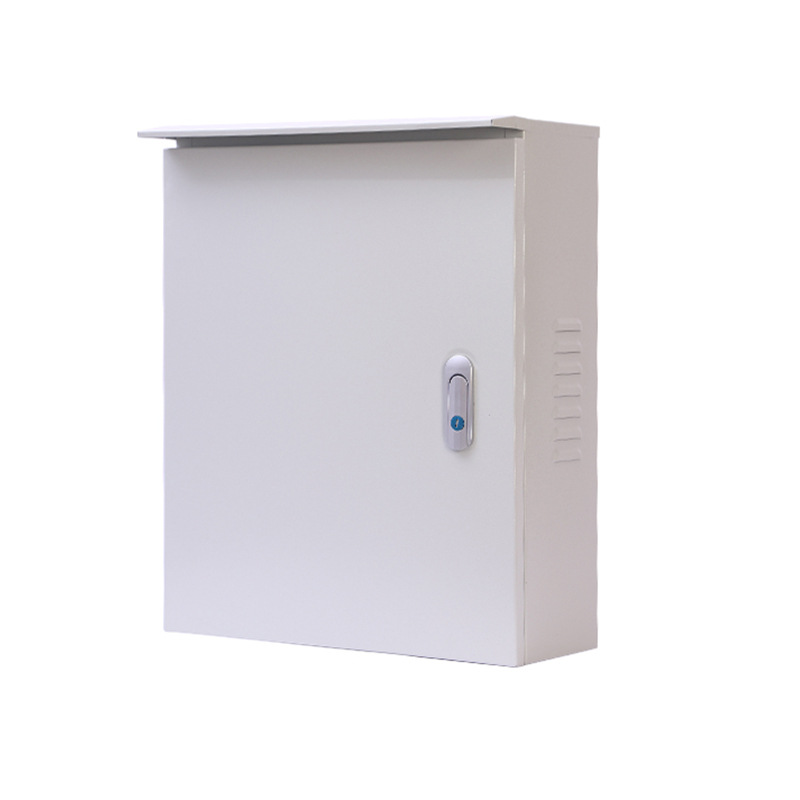
Operational availability depends on power. A military operations container is normally fitted with a complete power chain rather than a single socket inlet:
| Component | Function | Why It Matters |
|---|---|---|
| Input switch / shore power | Connects utility or field generator safely | Lets the module use any available supply |
| Integrated UPS | Bridges mains failures without interruption | Keeps C2 and communications online through outages |
| Battery bank | Provides ride-through for UPS autonomy | Sustains critical loads during generator start |
| Generator bay / external genset | Long-duration field power | Extends autonomous operation to days |
| Distribution panel | Breakers, SPDs and metering for all circuits | Safe, labeled, balanced power to equipment |
| SPD protection | Clamps surges from mains and lightning | Protects expensive electronics at field sites |
Changeover between shore power, generator and battery is automatic where required, with clear status indication so operators always know the power state of the module.
6. Climate Control for People and Electronics
People and electronics need different conditions, and both must be maintained across the operating envelope — from desert heat to arctic cold. The HVAC system is sized for the module’s heat load: electronics racks, lighting, solar gain and occupants. Typical features include redundant cooling units for critical modules, electric or fuel heating for cold climates, humidification control where needed, and positive-pressure filtration for dusty or contaminated environments.
For communications and C2 modules, cooling redundancy is standard: if the primary unit fails, the standby unit takes over and an alarm reports the event to the operator, because a communications shelter losing cooling loses its electronics within minutes.
7. Communications and IT Integration
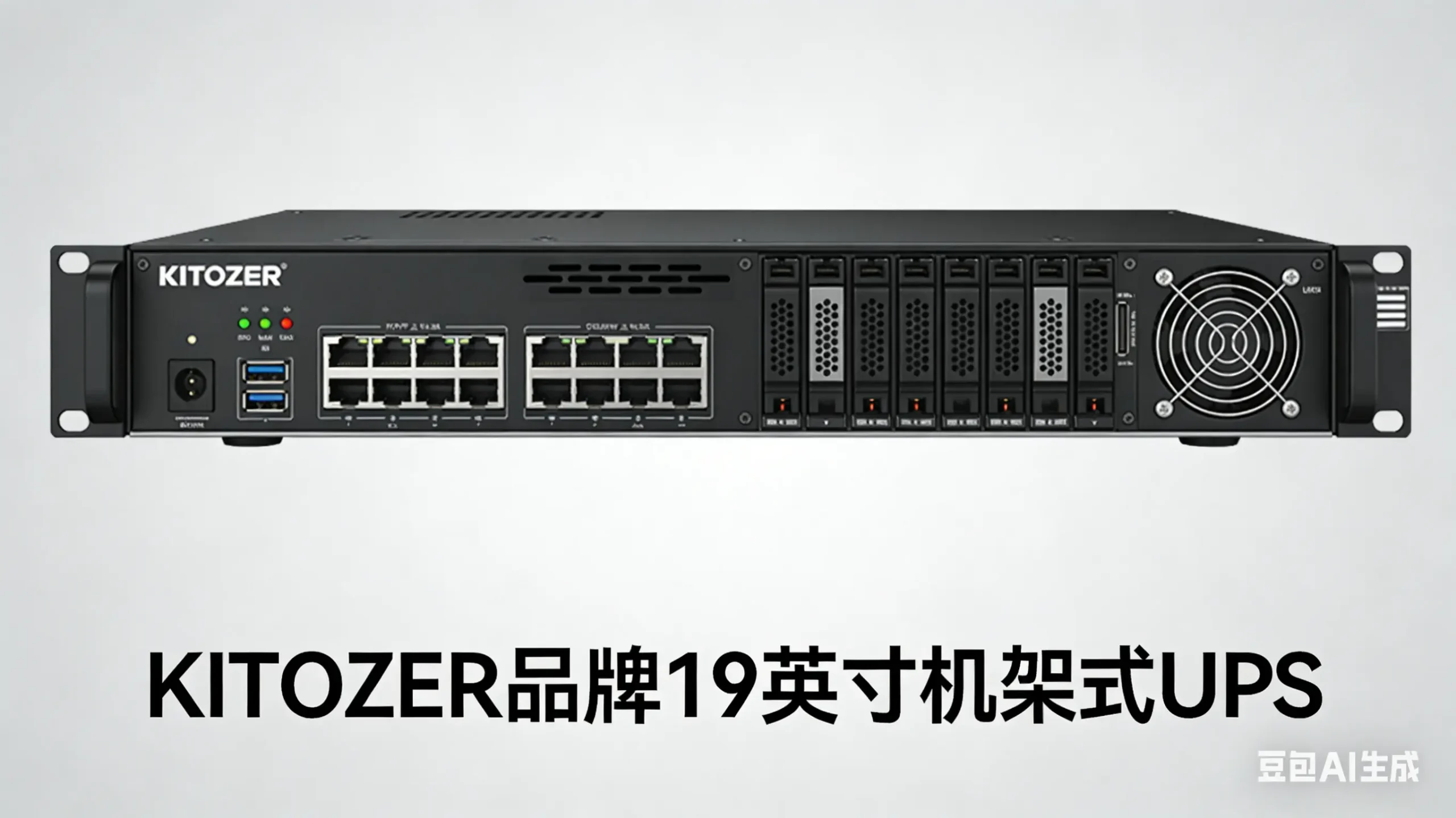
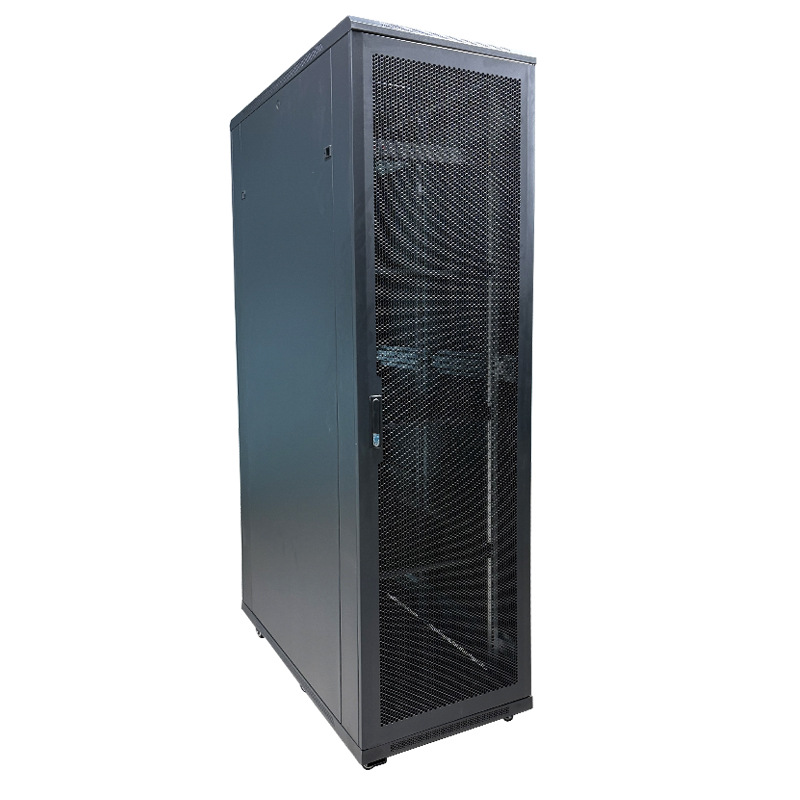
The interior is fitted out around the mission equipment: 19-inch equipment racks with seismic restraint, structured cabling trays, protected bulkhead cable entries, fibre and copper patching, and workstations with operator seating. Antenna and cable provisions — roof glands, mast mounts and lightning protection — are integrated at the factory so the module can be connected to its radio, satellite or network assets immediately on arrival.
8. EMC, Shielding and TEMPEST Considerations
Communications and C2 modules often require electromagnetic shielding so that internal signals neither interfere with other systems nor are intercepted from outside. KITOZER offers shielded configurations using a continuous conductive enclosure, filtered power and signal entries, and bonded door seals, tested to defined attenuation levels. Where emission security (TEMPEST-style protection) is specified, the same shielded construction is paired with filtered interfaces and strict bonding practices.
9. Field Deployment and Mobility
Deployment is where military containers prove their design. Standard features that make field use practical include:
- ISO corner castings and twist-lock handling for truck, rail and ship transport, plus lifting eyes and forklift pockets.
- Fast rigging — leveling, ground connection and cable hookup in minutes, not hours.
- Interconnecting doors and vestibules between paired modules for protected movement.
- Earthing and lightning protection points ready for site installation.
- Maintainability — serviceable components, accessible filters and clearly labeled subsystems.
10. Applications Beyond the Military
| Application | How the Module Is Used |
|---|---|
| Defence command posts | Deployable C2 for exercises and operations |
| Public security and emergency HQ | On-scene command with comms and power |
| Disaster relief coordination | Rapid field offices with networks and reporting |
| Border and remote-site facilities | Self-contained shelter, power and comms |
| Industrial security / critical sites | Guard posts and response coordination rooms |
| Training and exercise support | Reconfigurable role-play and control modules |
Because the underlying engineering — structure, power, HVAC, shielding and integration — is the same, the same manufacturing line serves military programs and demanding civilian security applications with identical quality control.
11. Engineering and Factory Testing
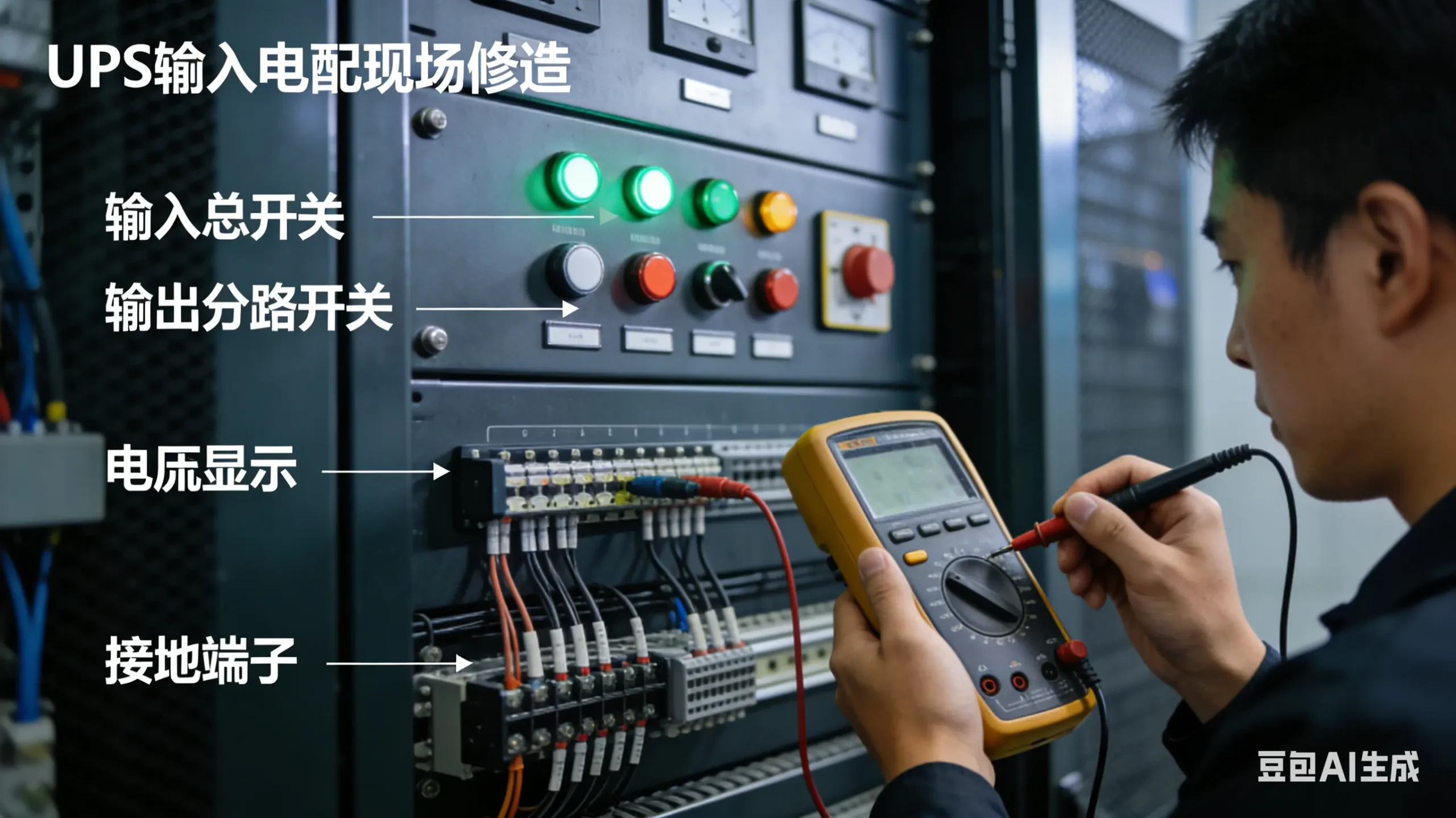
Every module starts from a mission profile: number of operators, equipment load, environmental envelope, transport method and deployment time. From that profile Lain engineers produce the layout, electrical single-line diagram, HVAC calculation, shielding specification and documentation set. The unit is then built and tested in the factory — power distribution tests, UPS transfer tests, HVAC performance, cable continuity, shielding attenuation where applicable, and a full equipment-level smoke test before delivery. Documentation includes drawings, test reports, operating manual and maintenance schedules, and Lain supports commissioning on site or remotely.
12. Frequently Asked Questions
Military Operations Container FAQ
1. What is a military operations container?
It is a rugged, transportable ISO-dimension or mission-sized module fitted out as a deployable command, communications, medical, workshop, power or accommodation unit, with structure, power, HVAC, shielding and interior integration completed and tested at the factory.
2. How is it transported?
Standard units use ISO corner castings for twist-lock handling by truck, rail or ship, plus lifting eyes and forklift pockets; air-transportable and helicopter-sling configurations can be engineered for specific programs.
3. Can it operate without mains power?
Yes — modules are typically fitted with shore-power input plus UPS, battery and optional generator, giving automatic backup and long-duration autonomous operation in the field.
4. What environmental conditions can it handle?
The shell and HVAC are engineered for the specified envelope, from desert heat to cold climates, with dust and driving-rain sealing; extreme-condition and chemical/biological filtration options are available.
5. Is electromagnetic shielding available?
Yes — shielded configurations use a continuous conductive enclosure, filtered power and signal entries and bonded doors, tested to defined attenuation levels, with TEMPEST-style protection available on request.
6. Can different roles be combined?
Yes — the same base module is fitted out for different roles, and modules can be interlinked with protected vestibules to form larger command groups or support complexes.
7. What standards apply?
Engineering follows relevant structural, electrical (IEC/GB) and EMC standards, with the specific defence or security program requirements defined in the specification and verified by factory test reports.
8. Do you support custom sizes and layouts?
Yes — modules are engineered from the mission profile, so size, layout, power, HVAC and shielding are configured to the application rather than forced into a standard template.
9. How long does delivery take?
Standard configurations can be delivered quickly from an established design; custom or shielded modules require an engineering and manufacturing lead time confirmed at quotation.
10. Is field commissioning supported?
Yes — KITOZER provides full documentation with every module and supports on-site or remote commissioning, including power, HVAC, shielding and equipment integration checks.
13. Related Solutions
- Material Storage Container
- Knock-Down Container
- Accommodation Container
- Edge Computing Container
- General Outdoor Cabinets
- Industry Application Outdoor Cabinets
About Guangzhou Lain Intelligent System Development Co., Ltd.
Guangzhou Lain Intelligent System Development Co., Ltd. manufactures military operations containers and modular support shelters — rugged, transportable units with integrated power, climate control, communications and shielding for defence, security and emergency response worldwide. From single rooms to enterprise facilities, KITOZER provides design, manufacturing, integration, testing and after-sales service. Export and support scope are confirmed on the quotation.
Contact us for a free technical consultation:
- Company: Guangzhou Lain Intelligent System Development Co., Ltd.
- Address: 1st Floor, Building A, Chaotian Industrial Park, Zhongrun Industrial Park, Shilou Town, Panyu District, Guangzhou, Guangdong, China
- Tel/WeChat: +86 13509238849
- WhatsApp: +86 13509238849
- Email: zl19068534140@gmail.com
- Website: www.gdlain.com | Request a Quote
Typical response time: within one business day. Project references, drawings and samples are available on request.