1. Overview: Protecting Weapons Means Protecting the Environment
Armories and weapons storage rooms carry two distinct kinds of risk. The first is physical: temperature swings, humidity, condensation and corrosion degrade firearms, ammunition and optics even when the room is locked and secure. The second is operational: unauthorized entry, tampering or environmental alarm conditions must be detected immediately and acted on with an audit trail. An armory environmental monitoring system combines climate sensing, safety detection and security monitoring into one supervised platform so that both risks are managed continuously.
Guangzhou Lain Intelligent System Development Co., Ltd. supplies armory monitoring systems for military, police, security-company and private weapons facilities: temperature and humidity sensing, water-leak and smoke/fire detection, power monitoring, access interlocks and centralized alarm reporting — engineered to meet the storage conditions that weapons and ammunition require. This guide explains what to monitor, which conditions matter, how the system is built, and how to keep an armory within specification around the clock.
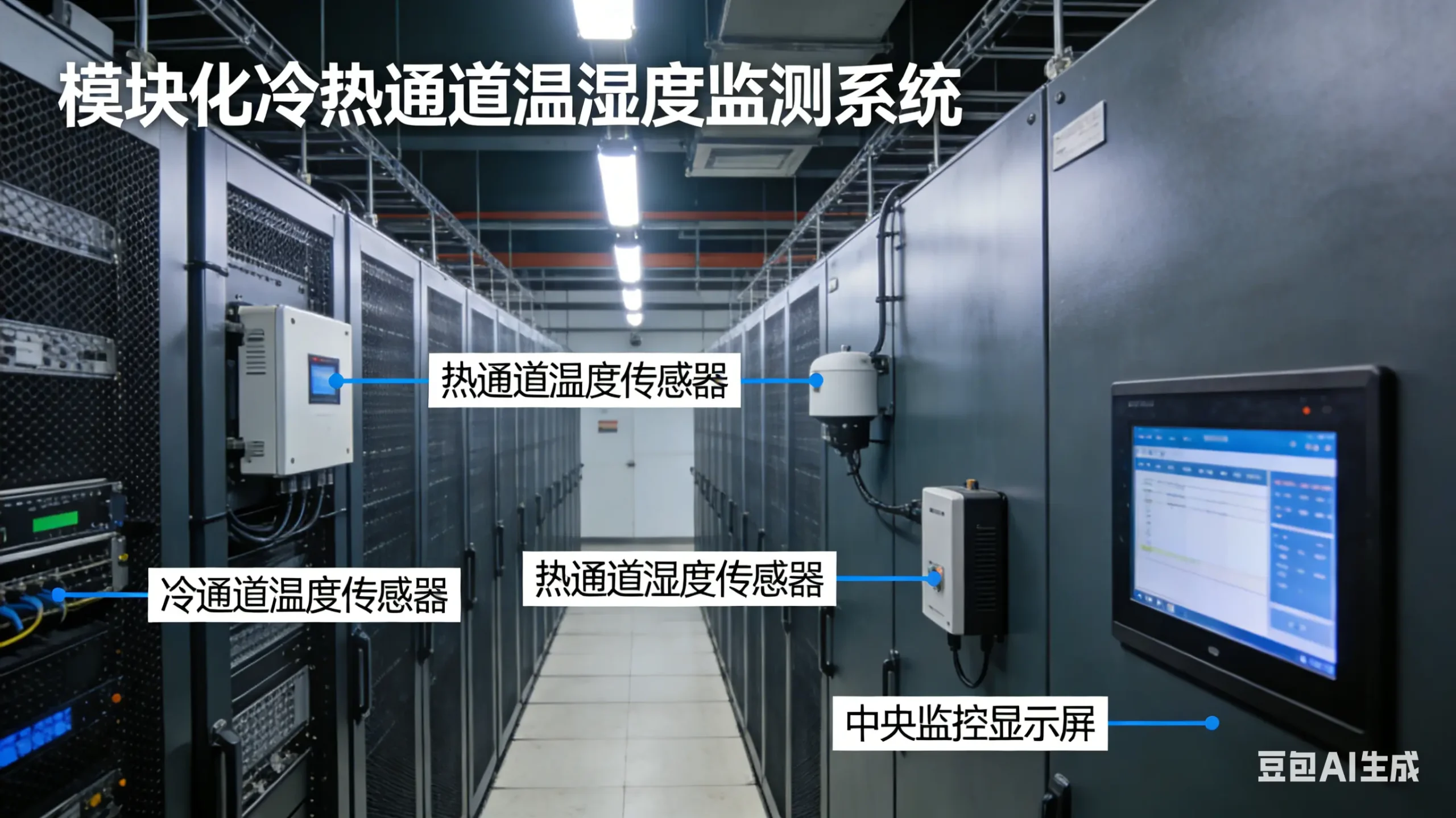
2. Why Armories Need Environmental Monitoring
Small arms, ammunition, propellants and optical sights are sensitive to their environment. Humidity above recommended levels causes rust and corrosion on metal surfaces and degrades ammunition primers and propellant over time; wide temperature swings accelerate the aging of lubricants, seals and optical coatings; condensation wets stored items and promotes mold on cases and textiles. These failures are slow and invisible — a weapon may look fine while its internal surfaces are corroding.
- Corrosion control — stable, moderate humidity (typically 40-60% RH, depending on local standards) protects metal and ammunition.
- Condensation prevention — rapid temperature changes cause condensation on cold metal; monitoring alerts staff before damage occurs.
- Fire and smoke safety — propellants and ammunition create special fire risks; early detection is critical.
- Water ingress — roof leaks, burst pipes or flooding threaten stored materiel; leak sensors provide early warning.
- Security integration — environment alarms must be linked with access control and intrusion detection for a complete picture.
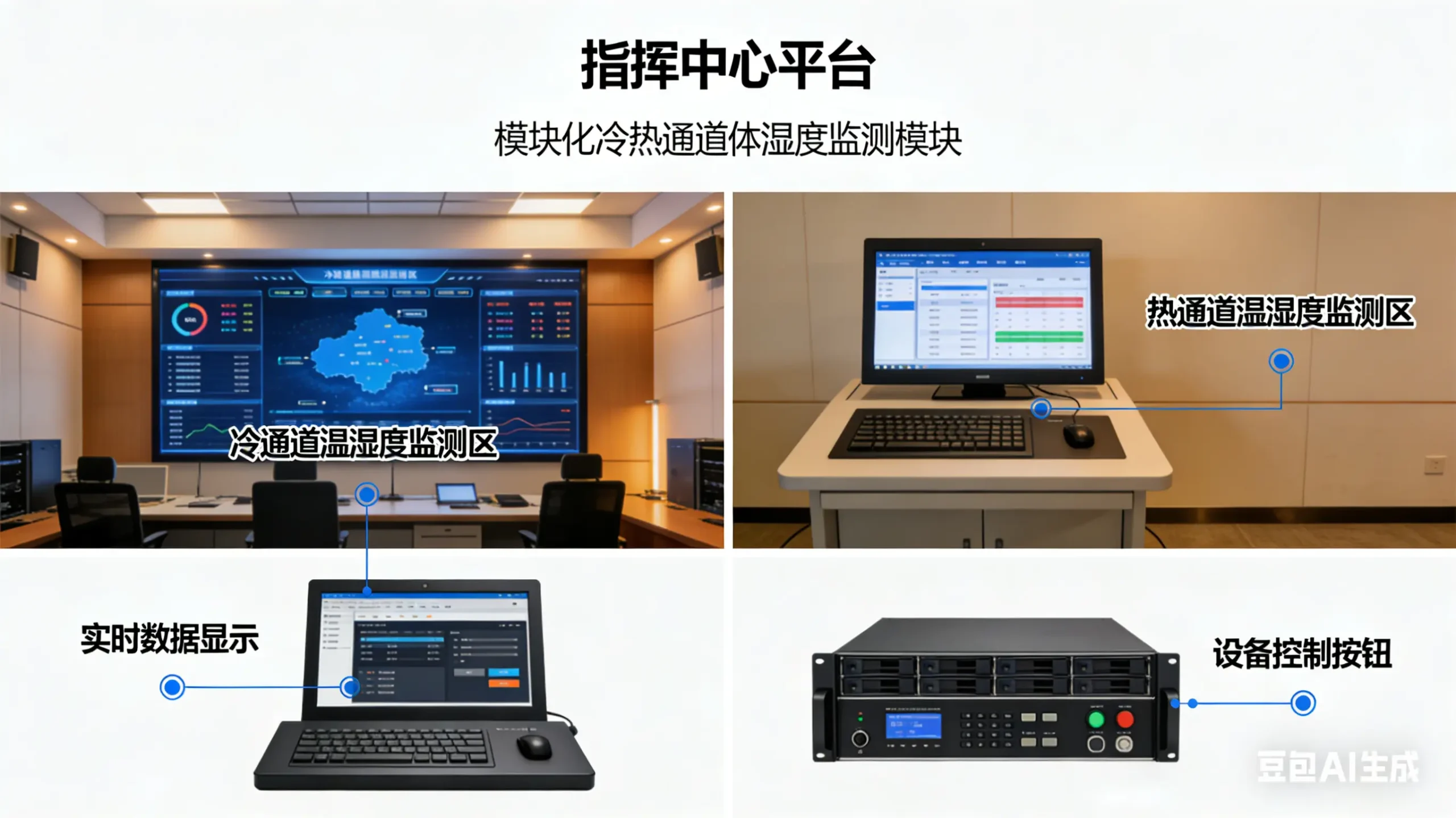
3. What an Armory Monitoring System Monitors
| Parameter | Typical Sensors | Why It Matters |
|---|---|---|
| Temperature | Digital temperature sensors | Prevents heat damage to ammunition, lubricants and optics |
| Relative humidity | RH sensors | Controls rust, corrosion and degradation of stored items |
| Water leak | Point/rope leak sensors | Detects roof, pipe or flood water before it reaches stored materiel |
| Smoke & fire | Smoke/heat detectors | Early warning for propellant and ammunition fire risk |
| Access & intrusion | Door contacts, readers, motion | Confirms the armory is sealed and entry is authorized |
| Power & UPS | Voltage/current monitoring | Keeps HVAC, dehumidifiers and alarms running during outages |
| Tamper status | Tamper switches on cabinets | Detects interference with weapon cabinets and sensor wiring |
Every monitored point feeds one alarm bus, so an operator sees a single picture: room climate trending, active alarms, entry events and equipment status in one console.
4. Recommended Storage Conditions
Storage requirements vary by authority and material type, but accepted practice for mixed small-arms and ammunition storage is a stable temperature between roughly 15-25°C with relative humidity held near 50% and kept below 60% at all times. Ammunition and propellants benefit from the coolest stable temperature consistent with avoiding condensation, because heat accelerates chemical aging.
The monitoring system does more than record values: it compares readings against configurable limits, warns before limits are breached (trending), and raises an alarm when a limit is crossed. Historical records document that the armory stayed within specification, which supports compliance, audits and insurance requirements.
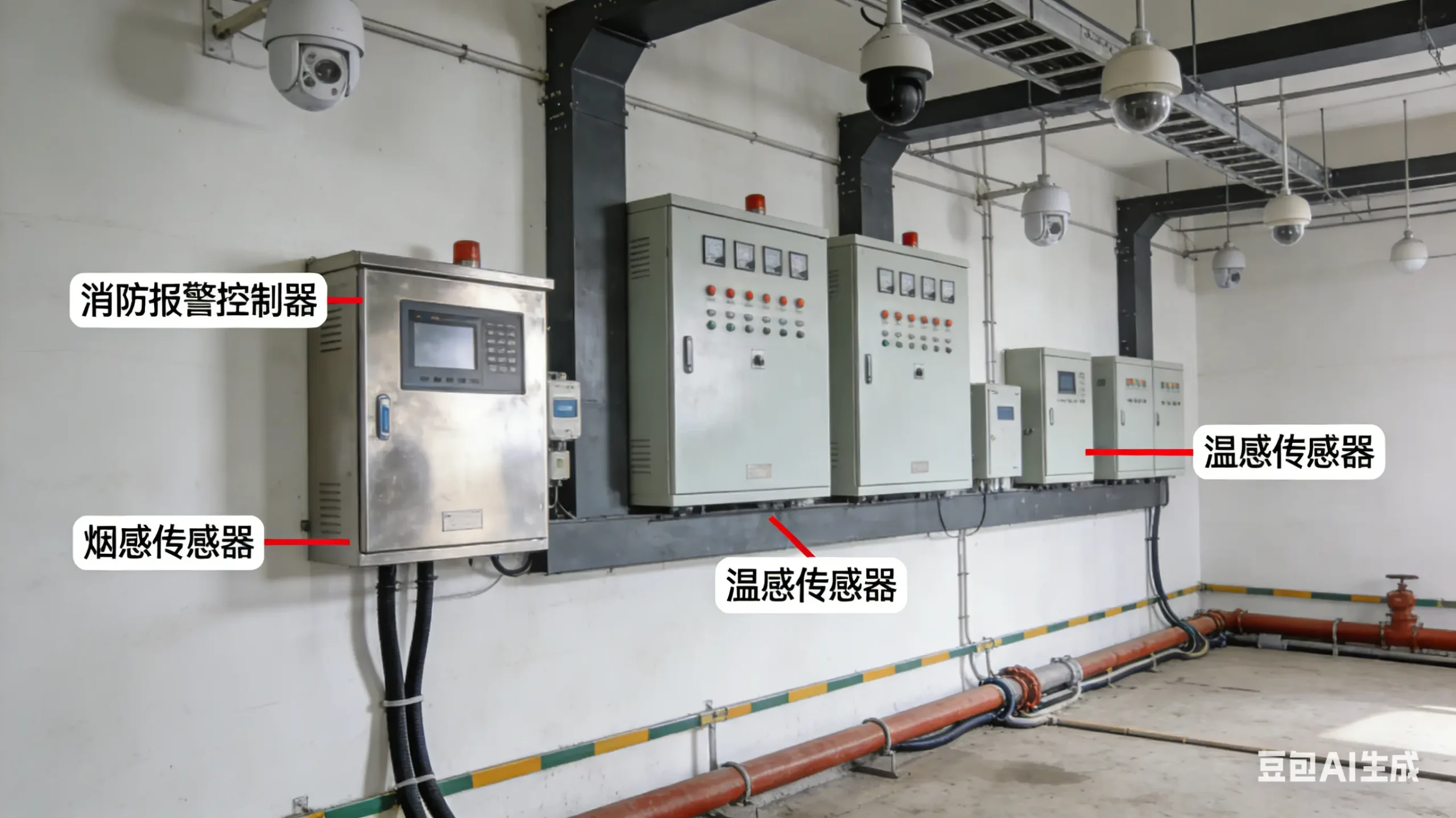
5. System Architecture
5.1 Sensing Layer
Sensors are placed according to the room’s size and shape: temperature and humidity sensors distributed through the storage area (not only near the door), leak rope around potential water entry points, smoke detectors per fire zone, and door/tamper contacts on every entry and weapon cabinet.
5.2 Collection and Control Layer
Sensors connect to field controllers or data-collection units that poll each point, perform local limit checks and keep operating even if the central network fails. Controllers typically support wired RS-485 and optional wireless sensor nodes, so retrofits do not require pulling cable through finished rooms.
5.3 Supervision Layer
A monitoring host or software platform aggregates all controllers, displays live values and alarm states, logs events with timestamps, and pushes alarms by on-site sounder, SMS, phone call, email or WeChat-style messaging to the responsible officer. Role-based accounts, alarm acknowledgment and audit logs complete the supervision layer.
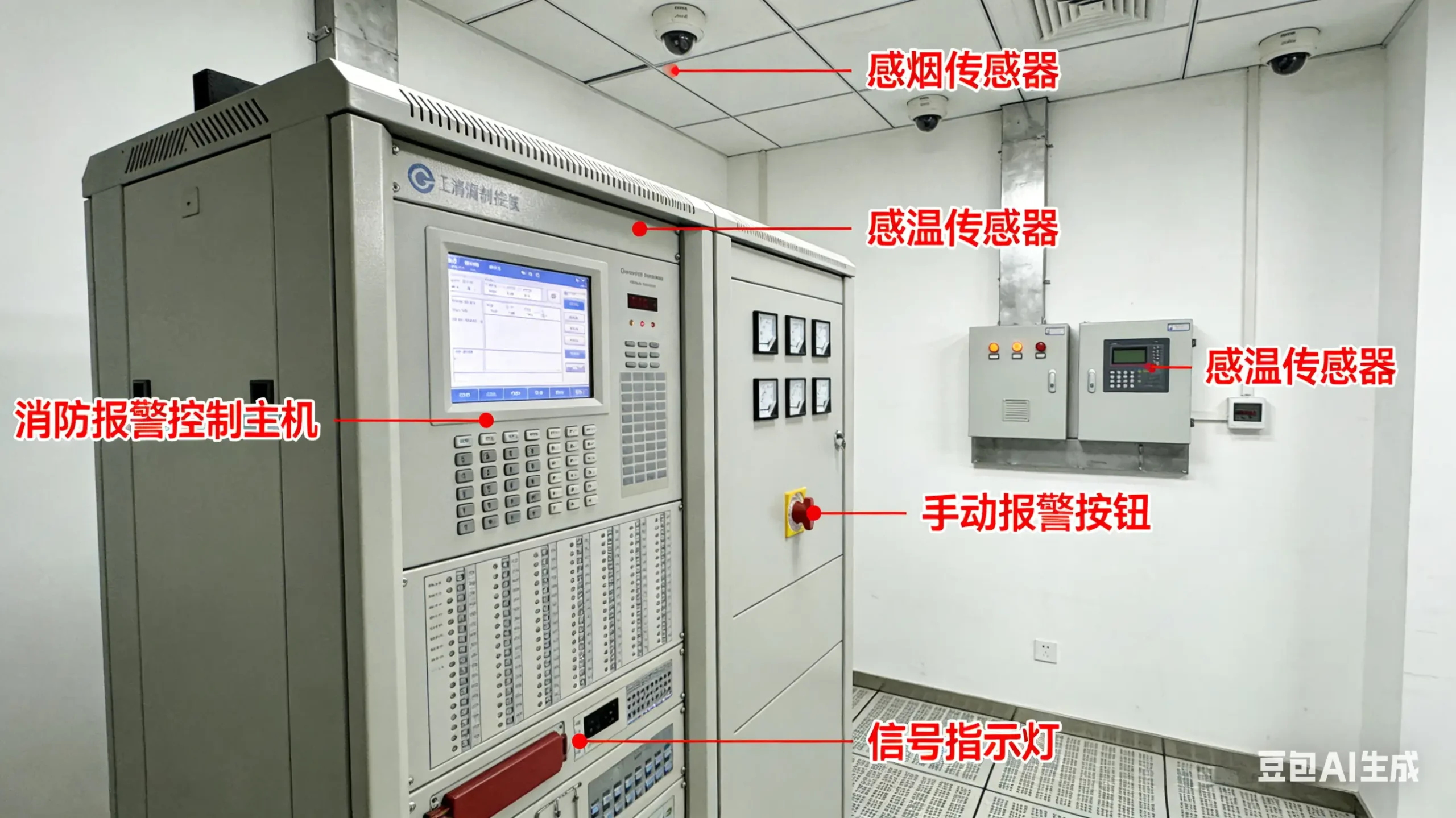
6. Security and Access Integration
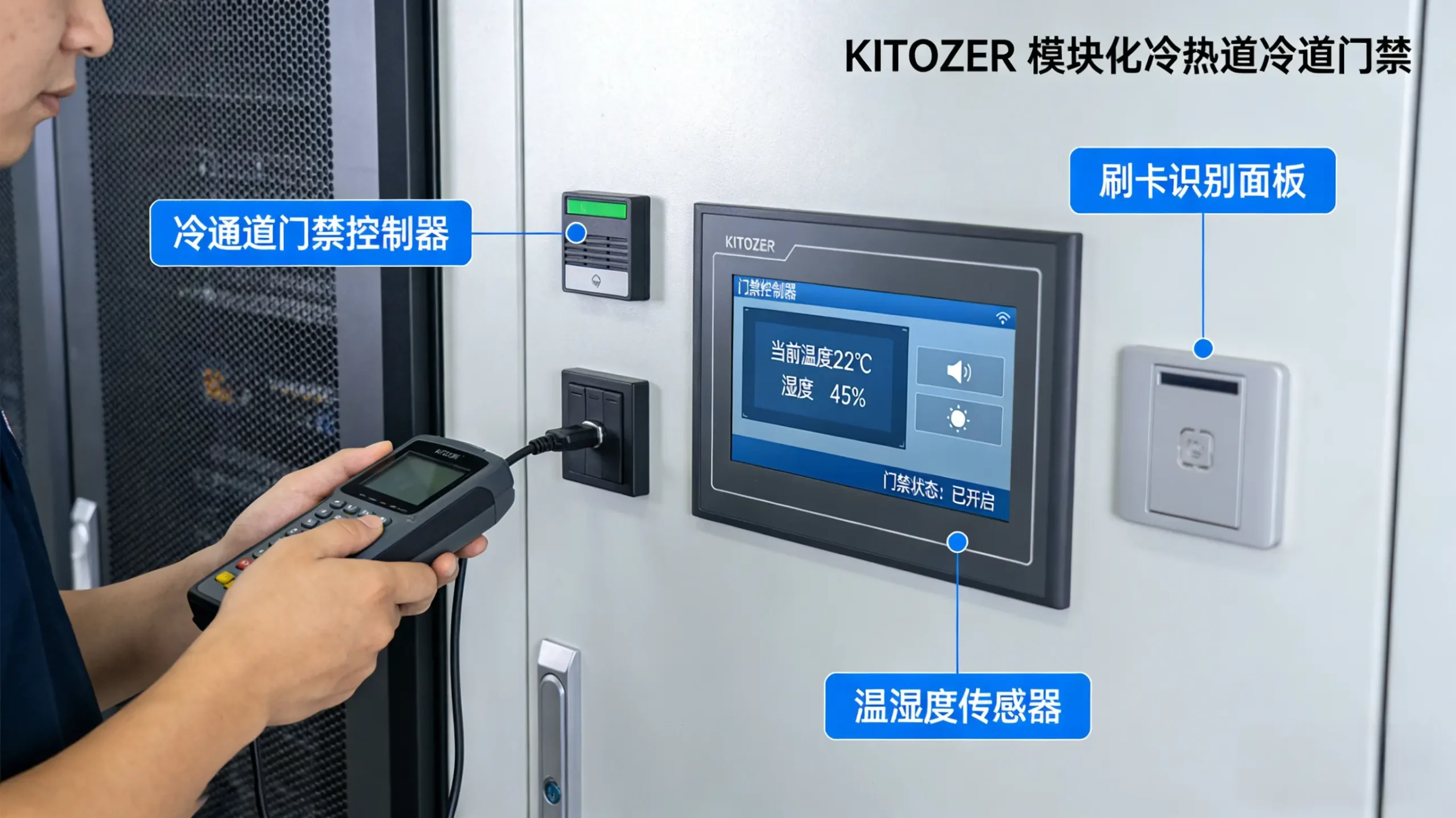
An armory is a secure area, so environmental monitoring is delivered alongside access control rather than as a separate box. Door contacts confirm the armory door is closed and locked; access-control readers record who enters and when; and cabinet-level monitoring (electronic locks or tamper switches, as supplied by Lain for weapon cabinets) records every opening of a weapon storage position.
Interlocks add another layer: for example, an alarm condition such as smoke detection or a forced door can trigger local sounders and a simultaneous message to the control room, while routine environment alarms are routed separately so operators are not desensitized by false urgency. All events share one timeline for post-incident review.
7. Alarms, Reporting and Compliance
- Multi-channel alarm delivery — on-site sounder/strobe plus remote notification to duty staff by SMS, app, email or phone.
- Escalation — unacknowledged alarms escalate to the next responsible person after a set delay.
- Historical logging — temperature, humidity and event history stored for months or years for audits.
- Shift reports — automatic daily/weekly summaries of climate, alarms and access events.
- Battery backup — monitoring and alarm equipment on UPS so supervision survives a power failure.
Guangzhou Lain configures alarm schedules and contact lists to the facility’s procedures and provides the documentation trail needed to demonstrate that storage conditions were maintained.

8. Installation and Retrofit
Armory monitoring can be installed in new construction or retrofitted into existing secure rooms. Lain surveys the room, agrees sensor positions with the security officer, and installs the system with minimal disturbance: wireless sensor options avoid drilling through secure walls, and the supervision host can be placed in an existing security control room. After commissioning, the system is tested point by point — every sensor, alarm route and escalation step — before handover.
For facilities that already run access control or CCTV, the monitoring system integrates at the alarm and reporting level so operators keep a single workstation rather than several disconnected screens.
9. Frequently Asked Questions
Armory Environmental Monitoring FAQ
1. Why do armories need environmental monitoring?
Weapons and ammunition degrade with humidity, temperature swings and condensation even when securely stored; monitoring detects and documents conditions so damage is prevented and compliance is provable.
2. What humidity should a weapons storage room maintain?
Around 50% RH is a common target, kept below 60% at all times, with stable temperature typically 15-25°C; exact limits depend on local regulations and stored materials.
3. What sensors are included?
Temperature and humidity sensors, water-leak detection, smoke/fire detectors, door contacts, tamper switches and power monitoring, integrated on one alarm bus.
4. Can monitoring be added to an existing armory?
Yes — Lain retrofits monitoring into secure rooms using wired or wireless sensors, avoiding disturbance to walls and stored materiel.
5. How are alarms delivered to staff?
Through local sounders plus remote channels such as SMS, app push, phone call or email, with escalation if an alarm is not acknowledged in time.
6. Does the system integrate with access control?
Yes — door contacts, readers and cabinet monitoring share one timeline with environment alarms, giving a complete record of entry and conditions.
7. What happens during a power failure?
The monitoring host and alarm equipment run on UPS/battery backup so supervision continues, and power status itself is monitored and reported.
8. Do you provide compliance records?
Yes — the system logs climate and event history and produces shift and audit reports that document storage conditions over time.
9. Can cabinet-level weapon monitoring be included?
Yes — KITOZER supplies electronic locks and tamper monitoring for weapon cabinets so every opening is recorded and alarmed if unauthorized.
10. How is the system commissioned?
Point-by-point testing of every sensor, alarm route and escalation step is performed before handover, and operating staff are trained on the platform.
10. Related Solutions
- Cabinet Access Control
- Data Center Fire Interlock Monitoring
- Campus Security Integration
- Building Automation System (BAS/BMS)
- Precision Temperature & Humidity Monitoring
- Data Center Monitoring System
About Guangzhou Lain Intelligent System Development Co., Ltd.
Guangzhou Lain Intelligent System Development Co., Ltd. supplies armory environmental monitoring systems that combine climate sensing, fire and leak detection, access integration and central alarm reporting for secure weapons storage facilities. From single rooms to enterprise facilities, KITOZER provides design, manufacturing, integration, testing and after-sales service under one roof and exports worldwide.
Contact us for a free technical consultation:
- Company: Guangzhou Lain Intelligent System Development Co., Ltd.
- Address: 1st Floor, Building A, Chaotian Industrial Park, Zhongrun Industrial Park, Shilou Town, Panyu District, Guangzhou, Guangdong, China
- Tel/WeChat: +86 13922289957 | +86 18520668845 | +86 13538869979
- WhatsApp: +86 19068534140
- Email: zl19068534140@gmail.com
- Website: www.gdlain.com | Request a Quote
Typical response time: within one business day. Project references, drawings and samples are available on request.