1. Overview: The Safe Heart of Every Low-Voltage Installation
The LV distribution cabinet is where incoming low-voltage power is divided into safe, protected circuits for a building, plant or site. It sits between the transformer and the loads: the transformer steps medium voltage down to 400/230 V, and the distribution cabinet protects, switches and meters every feeder that leaves it. When it is engineered well, the whole electrical installation becomes predictable — faults are contained, circuits can be isolated for maintenance, and energy use can be measured circuit by circuit.
Guangzhou Lain Intelligent System Development Co., Ltd. manufactures LV distribution cabinets and switchgear for commercial buildings, industrial plants, data centers, telecom sites and infrastructure projects. This guide explains how a low-voltage distribution cabinet is built, what to specify and how it keeps people and equipment safe.
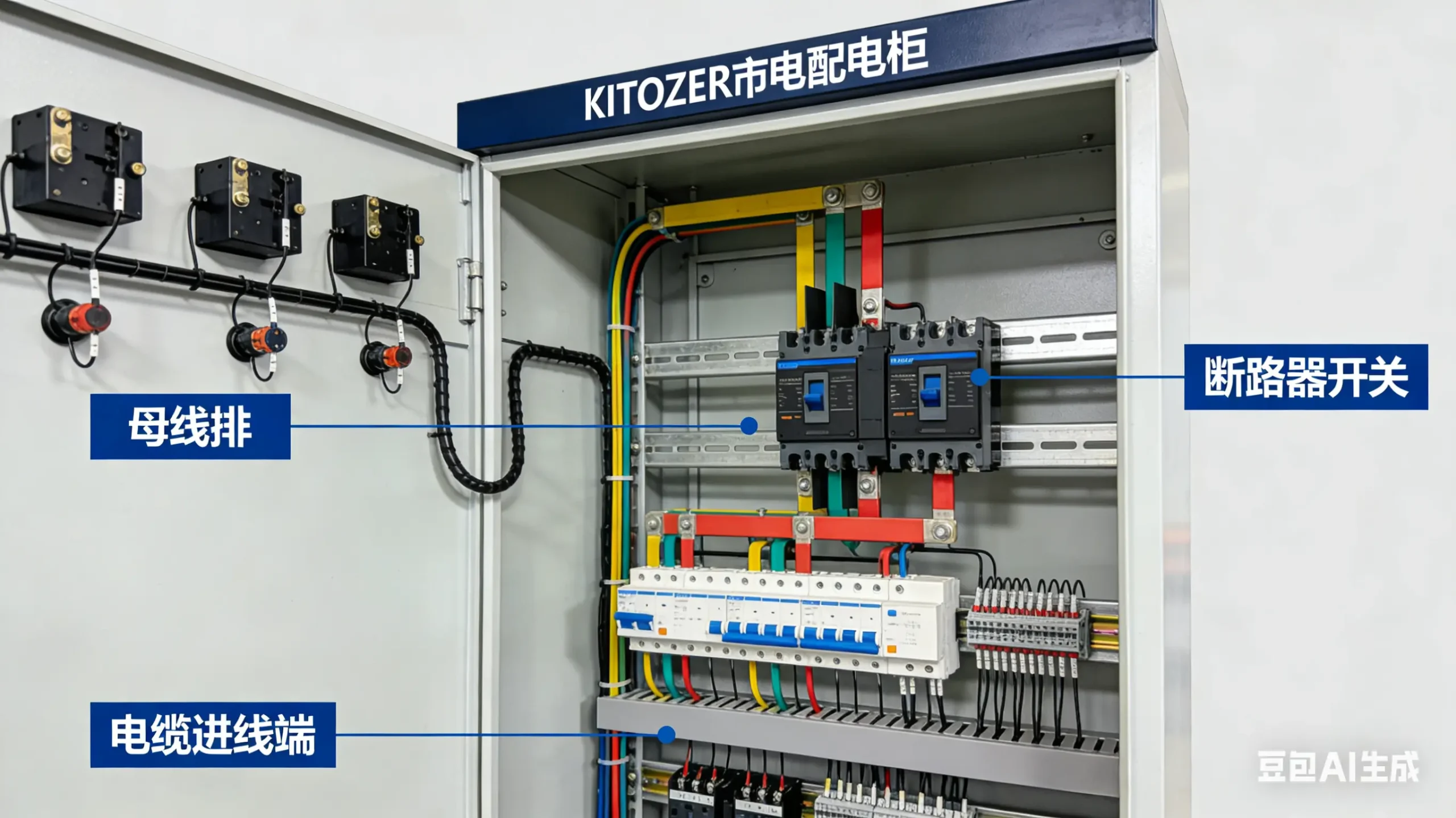
2. What an LV Distribution Cabinet Does
| Function | What Happens Inside |
|---|---|
| Incoming protection | Main breaker or switch-fuse protects the whole cabinet from the supply side |
| Circuit division | Busbars split incoming power into multiple outgoing feeders |
| Feeder protection | Each outgoing circuit has MCB/MCCB protection against overload and short circuit |
| Isolation | Switches allow safe isolation of circuits for maintenance without switching off the site |
| Metering and monitoring | Current transformers and meters measure energy and load per feeder |
| Surge protection | SPDs clamp transient over-voltages entering from the supply |
| Earth leakage protection | RCDs detect leakage currents that could endanger people |
A well-designed cabinet is therefore not just a metal box of breakers — it is the coordination point where protection, isolation, measurement and safety come together.
3. Core Components
| Component | Role | Selection Notes |
|---|---|---|
| Main incoming switch / breaker | Connects and protects the cabinet from the supply | Rated by transformer size and expected peak demand |
| Busbar system | Conducts current to all outgoing feeders | Copper bars sized by current rating and short-circuit withstand |
| MCCBs / MCBs | Protect each outgoing circuit | Trip curve matched to load type (motor, lighting, socket) |
| Contactors and relays | Remote or automatic switching and control | Used for motor starting, changeover and automation |
| Current transformers | Step down current for meters and relays | Accuracy class matched to metering or protection duty |
| Energy meter | Measures consumption per feeder or for the whole board | Modbus/RS485 output for integration with BMS/EMS |
| RCD / RCBO | Detects earth leakage and protects people | Required for socket and wet-area circuits by most codes |
| Surge protection device | Clamps voltage surges | Type 1/2 SPD at incoming, Type 2/3 at sensitive feeders |
| Enclosure | Protects people from live parts and equipment from environment | IP rating chosen for indoor or outdoor location |
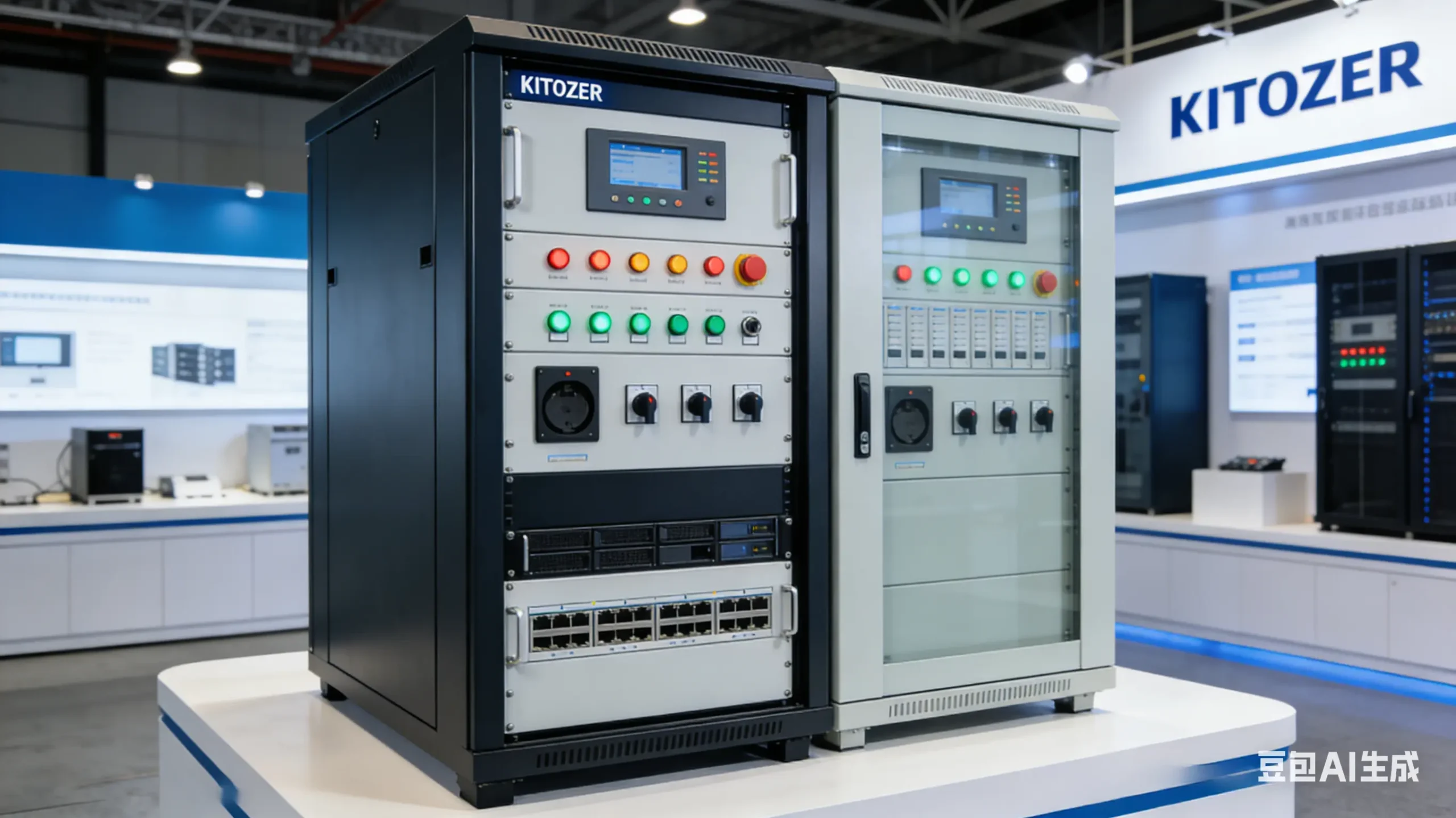
4. Key Technical Parameters
When specifying an LV distribution cabinet, the following parameters define the design. Getting them right at the start avoids undersized busbars, nuisance tripping and safety hazards later.
| Parameter | Typical Values | Why It Matters |
|---|---|---|
| Rated voltage | 400/230 V AC, 3-phase | Defines insulation and clearance requirements |
| Rated current | 63 A – 6300 A (per board) | Determines busbar size and breaker ratings |
| Short-circuit withstand | 10–65 kA, 1 s | Cabinet must survive the maximum fault current |
| Degree of protection | IP30–IP55 (indoor), IP54–IP66 (outdoor) | Protects against dust and water ingress |
| Form of separation | Form 1–4b | Separates busbars, breakers and terminals for safety and maintenance |
| Standards | IEC 61439, GB/T 7251 | Type-tested assembly compliance |
| Ambient temperature | -5 °C to +40 °C (typical) | Affects derating of breakers and busbars |
Form of separation deserves special attention: a Form 3b or 4b cabinet allows a qualified engineer to work on one feeder while the rest of the board stays energized, which dramatically improves uptime for continuous-process facilities.
5. Safety by Design
- Protection coordination — breakers are selected so that the device nearest the fault opens first, leaving upstream supplies untouched.
- Arc-fault containment — busbar shrouding, arc barriers and proper clearances reduce the energy released in an internal fault.
- Clear labelling — every circuit is identified with its load and rating so operators never guess.
- Interlocking — door interlock or key exchange prevents access to live compartments where required.
- Earth continuity — the enclosure, doors and gland plates are bonded to the protective earth so a fault cannot energize the frame.
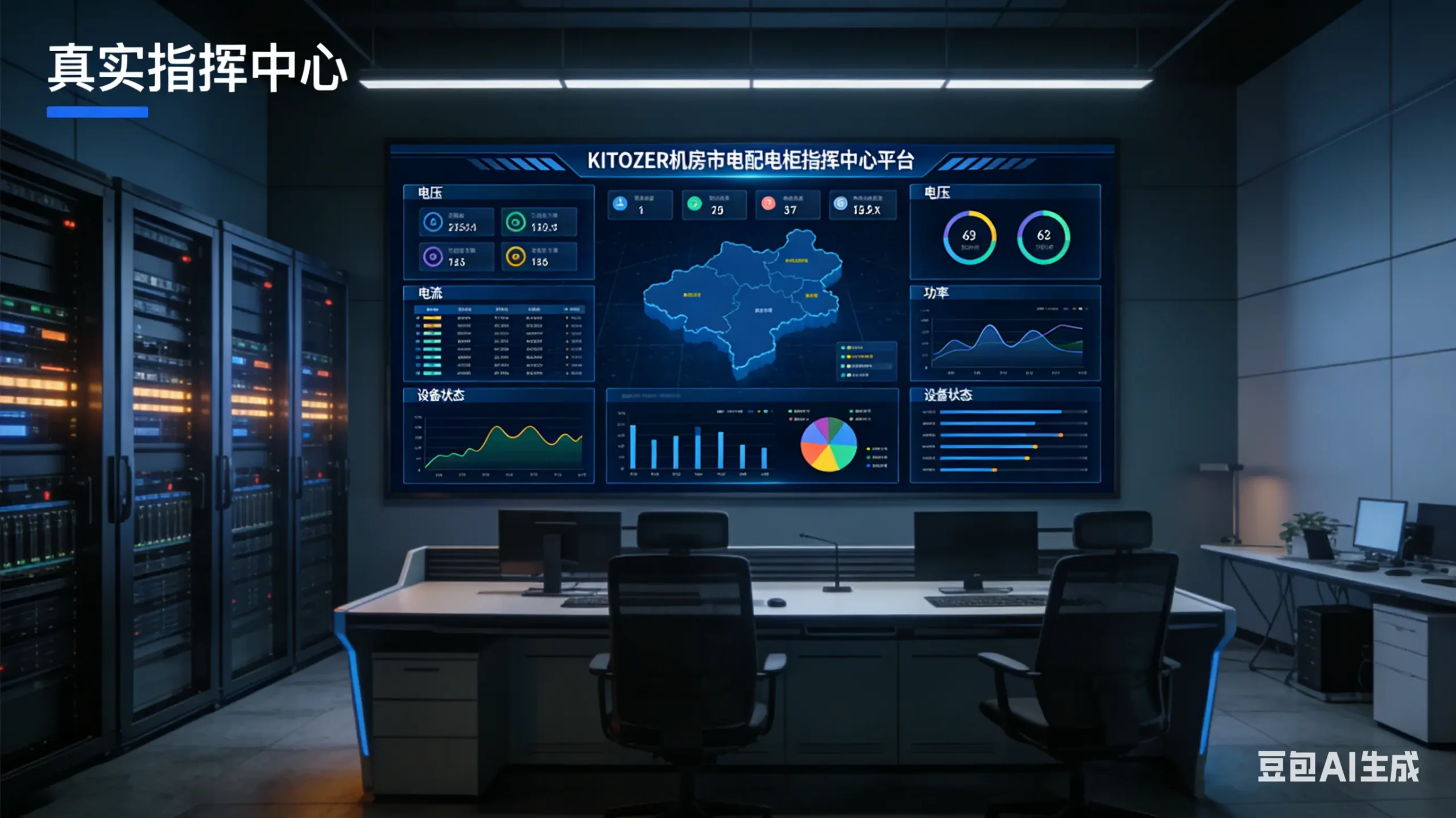
6. Metering and Monitoring Integration
Modern LV cabinets do more than distribute power — they measure it. Current transformers and energy meters on the incoming and key outgoing feeders provide data on voltage, current, power, energy and power quality. With Modbus RTU/TCP or other open protocols, the cabinet becomes a data source for building management systems (BMS), energy management systems (EMS) and submetering platforms. Facility teams can then allocate energy costs per tenant or production line, detect abnormal loads and verify that power factor correction is working — the same visibility that Lain delivers across its monitoring product range.
7. Common Configurations
- Main distribution board (MDB) — the first split from the transformer or generator, feeding sub-distribution boards and large loads.
- Sub-distribution board (SDB) — distributes to a floor, zone or process area.
- Final distribution board — feeds lighting, socket and small power circuits directly.
- Motor control center (MCC) — feeders with contactors and overloads for motors and pumps.
- Metering / changeover cabinet — energy metering or mains-generator / mains-mains changeover with interlocking.
- Outdoor distribution cabinet — weatherproof IP54–IP66 enclosure for sites without an electrical room.
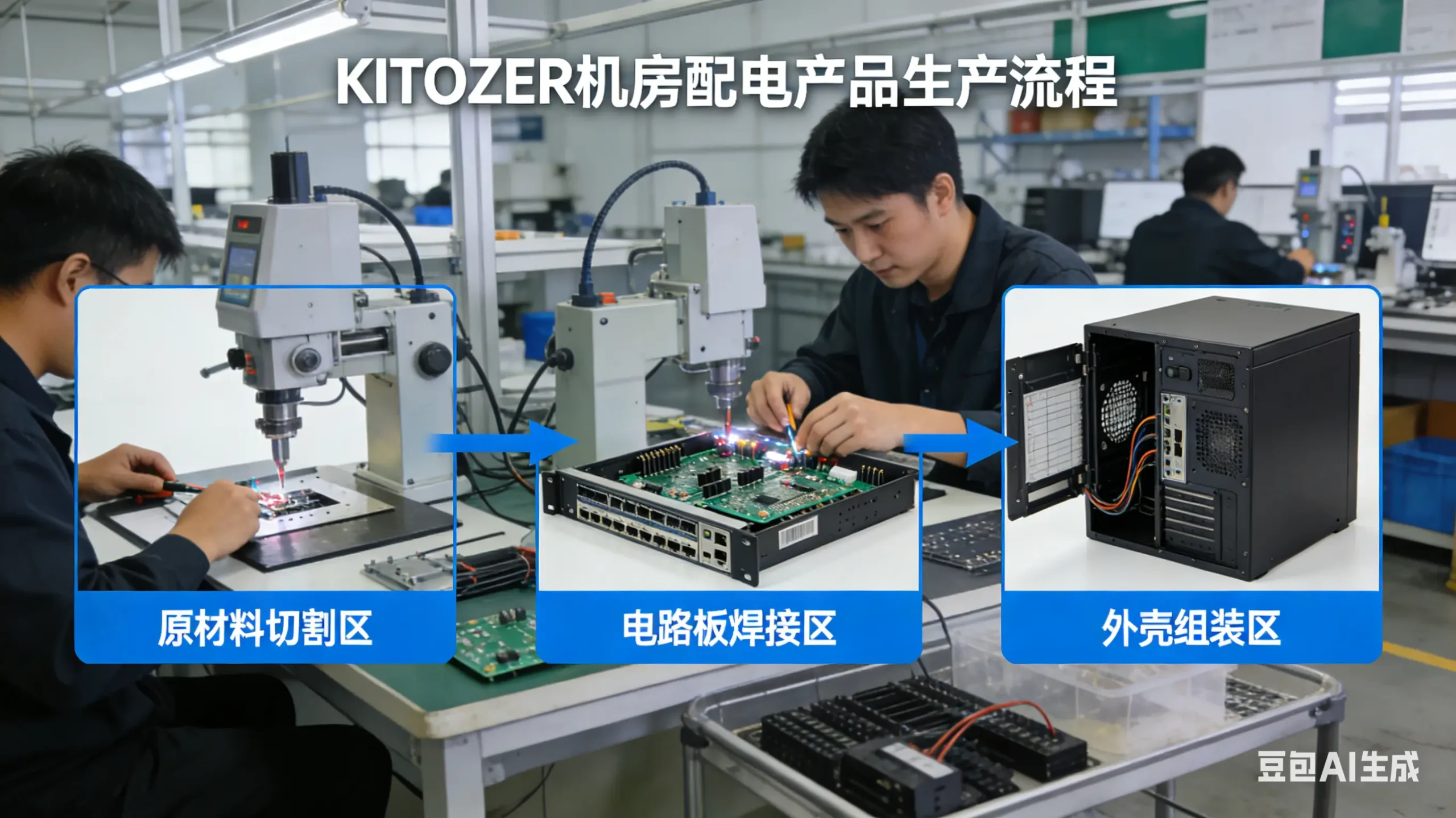
8. Applications
| Application | Typical Configuration | Special Requirements |
|---|---|---|
| Commercial buildings | MDB + floor SDBs + final boards | Tenant metering, aesthetics, fire-safety segregation |
| Industrial plants | MCC + process feeders | High fault levels, motor starting, harsh environments |
| Data centers | UPS output / PDU distribution | High availability, redundancy, monitoring, form 4b |
| Telecom sites | AC distribution + DC power plant | Remote monitoring, outdoor options, surge protection |
| Infrastructure | Tunnel / road / utility distribution | Environmental protection, remote supervision |
| Renewables and EV charging | Feeder and metering boards | Reverse-power protection, power-quality metering |
9. Installation and Commissioning
- Design review — load schedule, fault level, cable entries and environmental conditions are confirmed first.
- Factory assembly and testing — wiring is checked, insulation tested and protection devices verified against the design.
- Site installation — cabinet is secured, cables terminated with correct torque and phase sequence checked.
- Commissioning tests — insulation resistance, continuity, breaker operation, RCD tripping and meter readings are validated.
- Documentation and training — single-line diagrams, schedules and operating instructions are handed over with the cabinet.

10. Maintenance That Keeps Power Safe
An LV cabinet is low-maintenance but not no-maintenance. Recommended practice includes: an annual thermal imaging survey to catch loose connections before they fail; periodic torque checks on busbar and breaker terminations; exercising breakers and RCDs to confirm they still operate; checking SPD status indicators; and verifying that metering data still matches a reference instrument. In dusty or corrosive environments, cleaning and IP-gland inspection should be added to the schedule. Keeping a record of every intervention makes the next maintenance cycle faster and safer.
11. Why Choose a Lain LV Distribution Cabinet
- Type-tested design — built and verified to IEC 61439 with full documentation.
- Custom configurations — feeder counts, ratings, metering and form of separation tailored to your load schedule.
- Integration-ready — meters and controllers with Modbus outputs connect to Lain monitoring platforms or third-party BMS/EMS.
- Indoor and outdoor enclosures — from standard IP30 indoor boards to IP65 outdoor cabinets with sun and corrosion protection.
- One-stop supply — combine the cabinet with SPDs, bonding, grounding and monitoring for a coordinated power package.

12. Frequently Asked Questions
LV Distribution Cabinet FAQ
1. What is the difference between an LV distribution cabinet and a switchboard?
The terms overlap; a distribution cabinet generally refers to a protective enclosure containing breakers and busbars that divide incoming low-voltage power to outgoing circuits, while a switchboard is the broader assembly of panels, metering and switching for the same purpose.
2. What voltage range does an LV cabinet cover?
Low voltage normally means up to 1000 V AC; in practice most LV distribution cabinets operate at 400/230 V three-phase or 230 V single-phase.
3. How do I choose the rated current of my cabinet?
Sum the connected loads, apply diversity according to the load profile, and size the incoming breaker and busbar for the resulting peak demand with margin for future expansion.
4. What is form of separation and why does it matter?
It describes how busbars, functional units and terminals are separated inside the cabinet (Form 1 to 4b). Higher forms let engineers work on one circuit while others stay live, improving safety and uptime.
5. Can the cabinet include energy metering?
Yes — current transformers and meters can be fitted on the incoming and selected outgoing feeders with Modbus/RS485 output for BMS, EMS and submetering integration.
6. What IP rating do I need for an outdoor cabinet?
For weatherproof outdoor installations IP54 to IP66 is typical, depending on rain, dust and wash-down exposure; Lain also offers corrosion-resistant outdoor enclosures.
7. How is the cabinet protected against lightning and surges?
A Type 1 or Type 2 SPD at the incoming supply clamps large transients, with Type 2/3 devices protecting sensitive feeders; coordination with the site grounding and bonding system is essential.
8. Do you manufacture custom sizes and feeder configurations?
Yes — Lain builds cabinets to your single-line diagram, including custom dimensions, finish, metering, interlocking and cable-entry arrangements.
9. What standards are the cabinets built to?
LV distribution cabinets are designed and type-tested to IEC 61439 (and GB/T 7251), covering ratings, temperature rise, dielectric performance and short-circuit withstand.
10. How often should the cabinet be inspected?
At least annually: thermal imaging, torque checks, breaker/RCD exercising and SPD status review; more often in dusty, humid or corrosive environments.
13. Related Solutions
- AC Distribution Unit
- Distribution Switchgear (LV Power Distribution)
- DC Distribution Cabinet (48V)
- HV Metering Cabinet
- HV Switchgear
- Distribution SPD Module
About Guangzhou Lain Intelligent System Development Co., Ltd.
Guangzhou Lain Intelligent System Development Co., Ltd. manufactures LV distribution cabinets, switchgear and power distribution solutions — type-tested, custom-built and integration-ready for buildings, industry, data centers and telecom sites worldwide. From single rooms to enterprise facilities, KITOZER provides design, manufacturing, integration, testing and after-sales service. Export and support scope are confirmed on the quotation.
Contact us for a free technical consultation:
- Company: Guangzhou Lain Intelligent System Development Co., Ltd.
- Address: 1st Floor, Building A, Chaotian Industrial Park, Zhongrun Industrial Park, Shilou Town, Panyu District, Guangzhou, Guangdong, China
- Tel/WeChat: +86 13538869979
- WhatsApp: +86 135-0923-8849
- Email: zl19068534140@gmail.com
- Website: www.gdlain.com | Request a Quote
Typical response time: within one business day. Project references, drawings and samples are available on request.