1. Overview: What This FAQ Covers
Armory environmental monitoring systems combine climate sensing, fire and water-leak detection, access supervision and centralized alarm reporting for weapons and ammunition storage rooms. This page answers the questions security managers, armorers and facility engineers ask when specifying, retrofitting or operating one of these systems.
Guangzhou Lain Intelligent System Development Co., Ltd. supplies armory monitoring for military, police, security-company and private weapons facilities. The answers below reflect our standard range, storage-condition practice and installation experience.
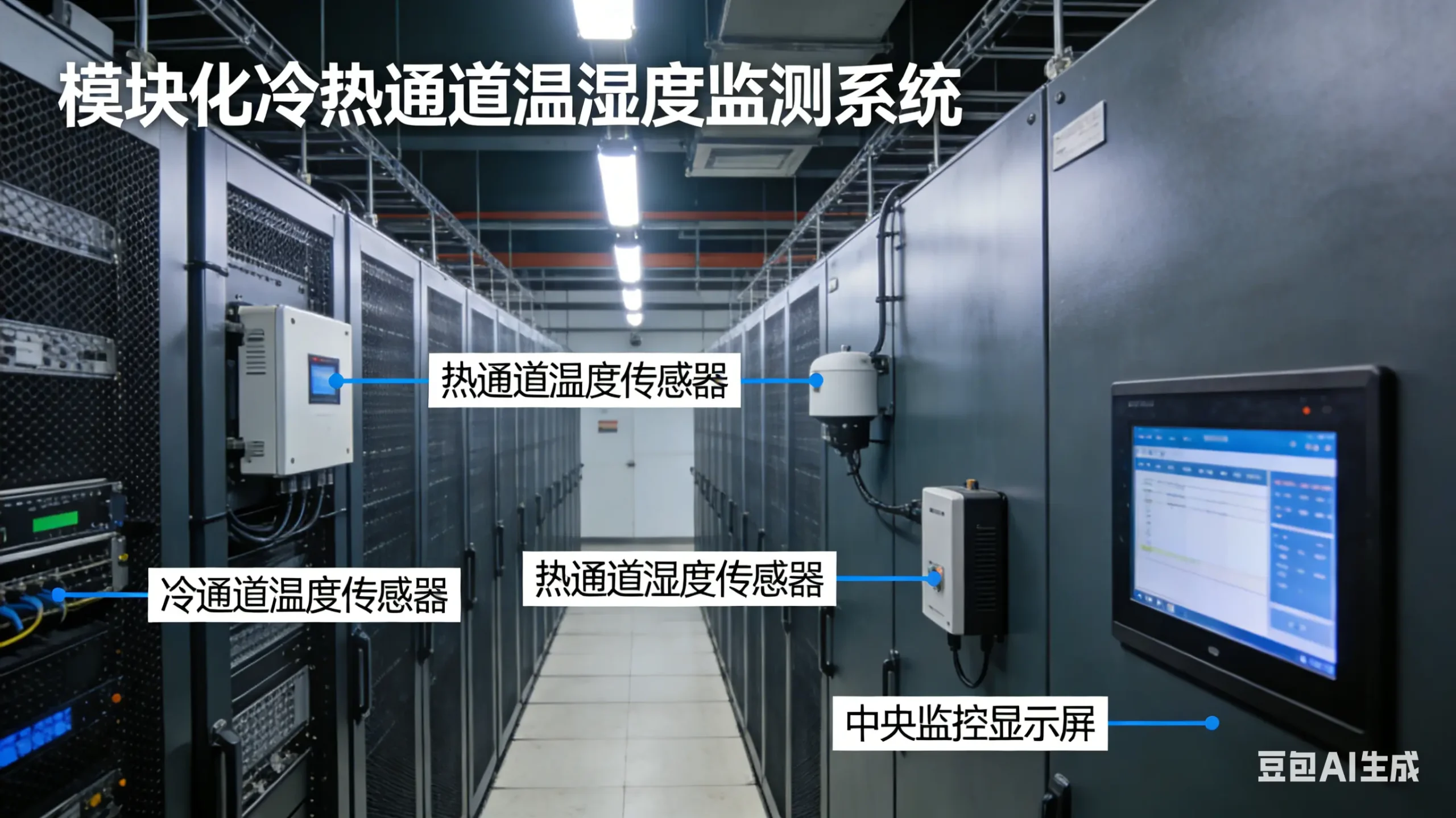
2. Storage Conditions and Why They Matter
2.1 What temperature and humidity should a weapons storage room maintain?
Accepted practice for mixed small-arms and ammunition storage is a stable temperature of roughly 15–25°C with relative humidity held near 50% and kept below 60% at all times. Ammunition and propellants benefit from the coolest stable temperature that avoids condensation, because heat accelerates chemical aging of propellants and primers.
2.2 Why does monitoring matter if the room is locked?
Weapons and ammunition degrade slowly and invisibly: humidity above recommended levels causes rust and corrosion on metal surfaces and degrades primers and propellants over time, while wide temperature swings accelerate aging of lubricants, seals and optical coatings. A locked room protects against people — it does nothing against climate, leaks or slow fire risk. Monitoring turns those risks into measurable, reportable values.
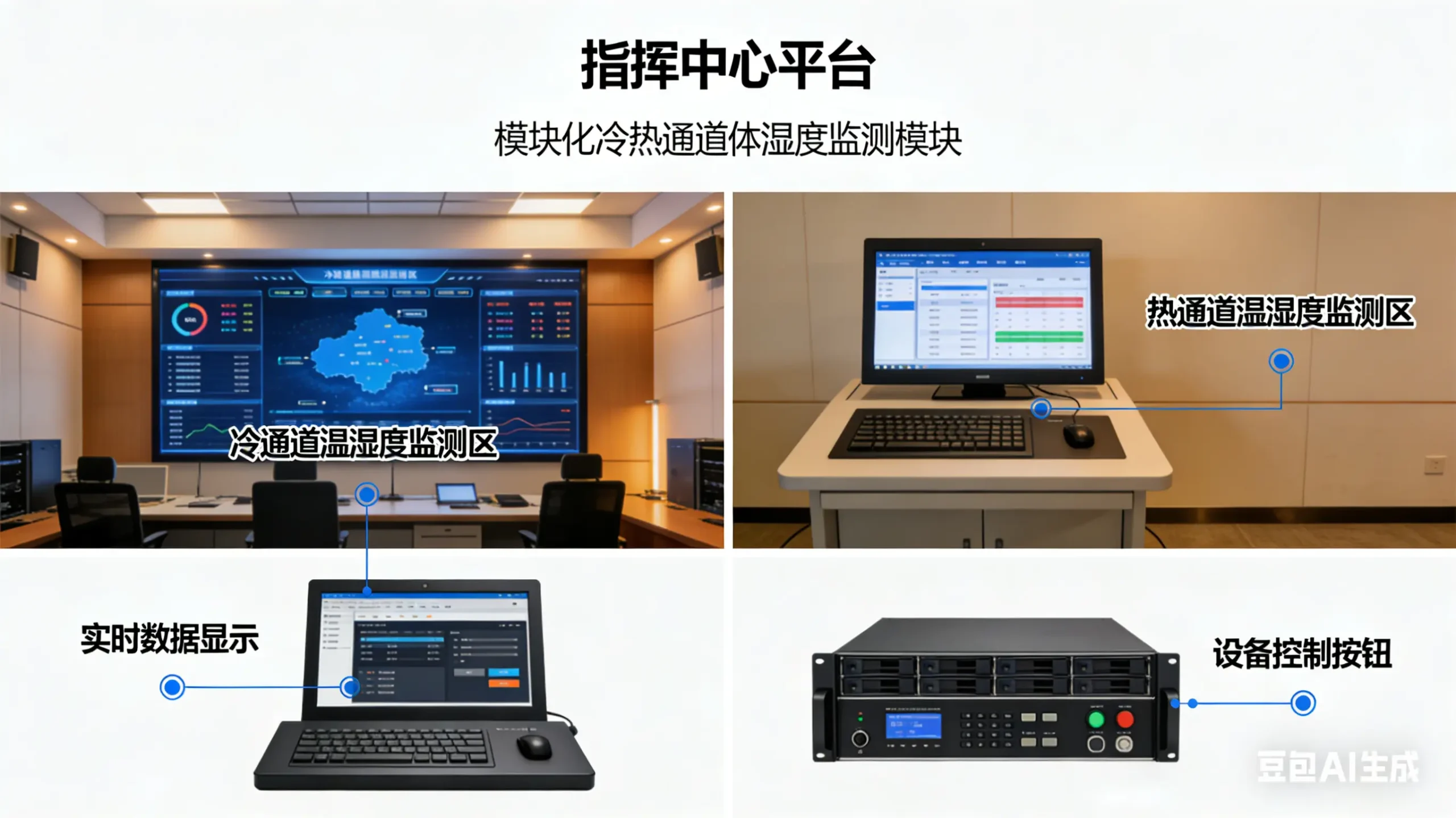
3. What the System Monitors
3.1 Which sensors are typically included?
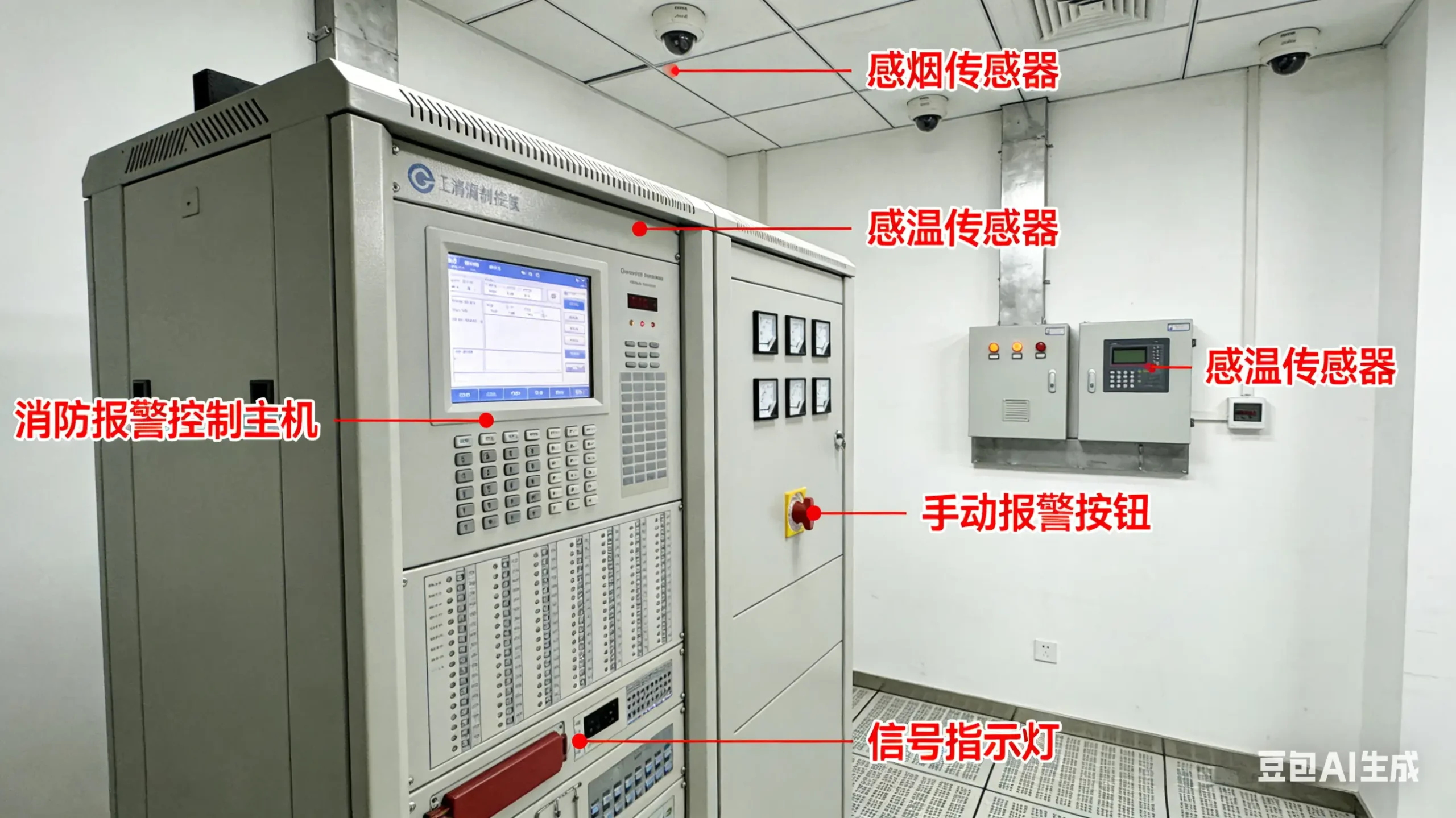
Temperature and humidity sensors distributed through the storage area, water-leak rope or point sensors at likely entry paths, smoke and heat detectors per fire zone, door contacts on every entry, tamper switches on weapon cabinets, and power/UPS monitoring so HVAC, dehumidifiers and alarms keep running during outages.
3.2 Do I need cabinet-level monitoring too?
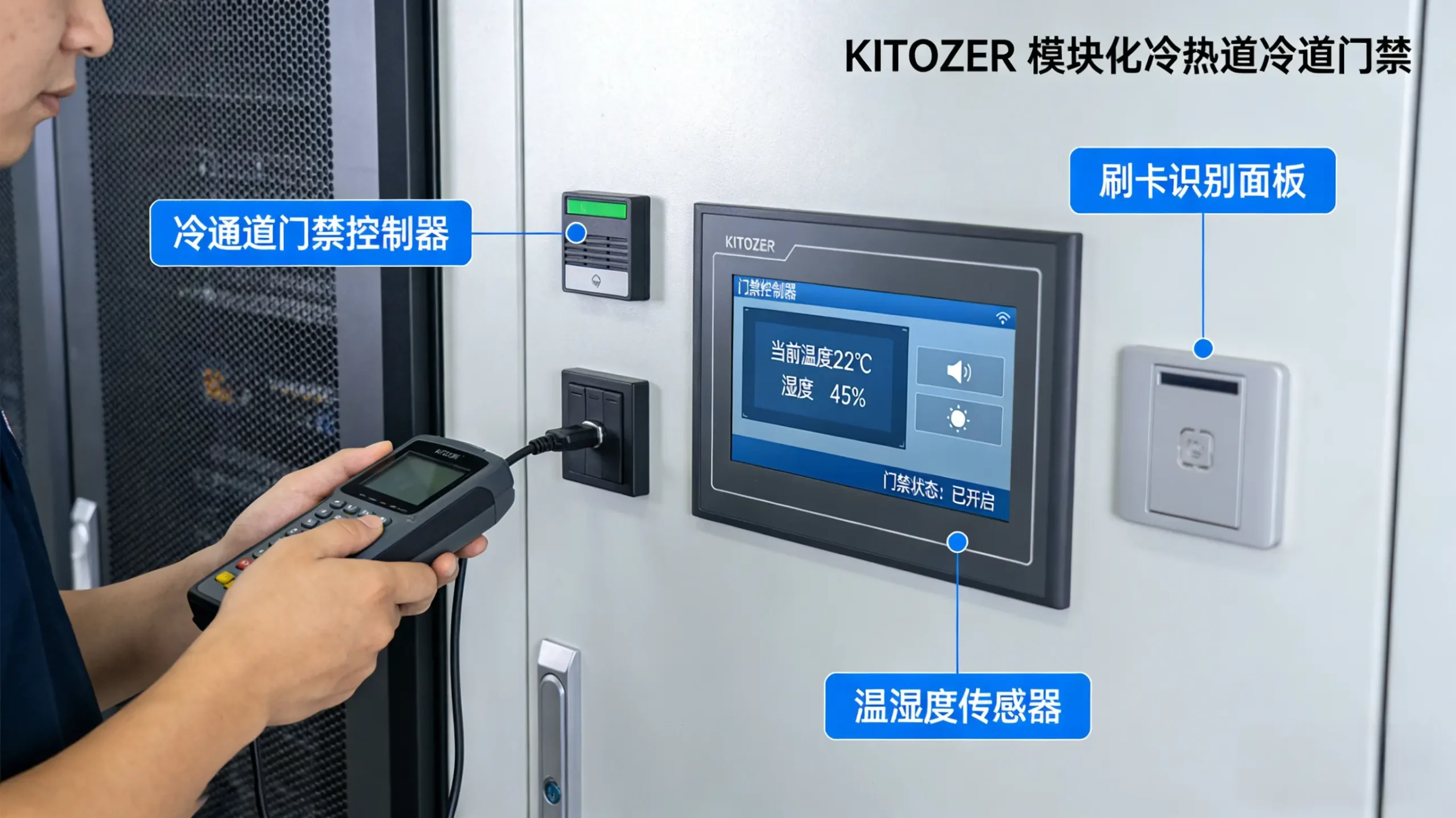
For weapon cabinets, KITOZER supplies electronic locks and tamper monitoring so every opening is recorded and alarmed if unauthorized. Cabinet-level monitoring answers the question every armorer faces after an inspection: who opened which position, when, and was it authorized?
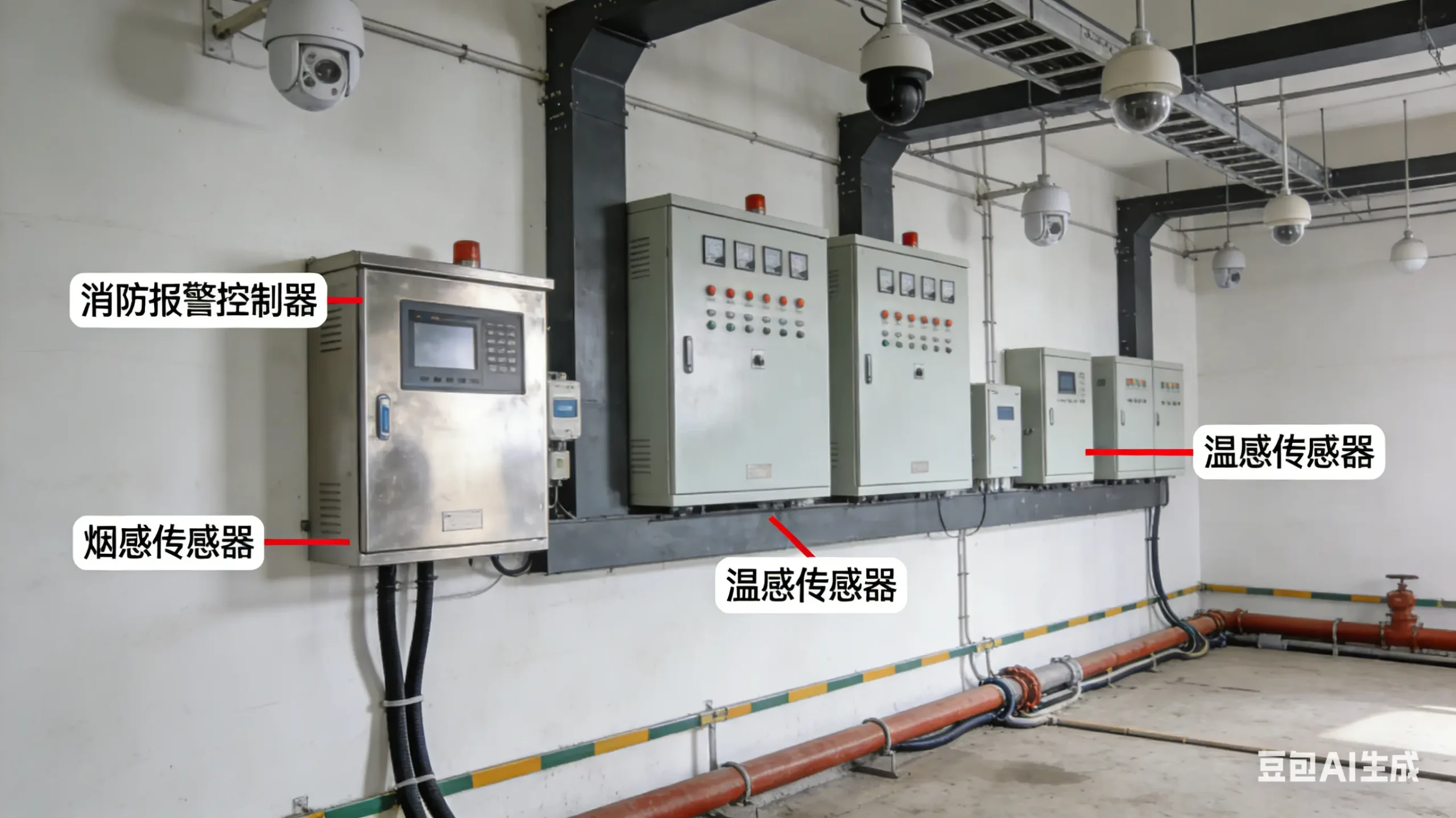
4. Alarms, Escalation and Reporting
4.1 How are alarms delivered?
Through local sounders and strobes plus remote channels — SMS, app push, phone call, email or WeChat-style messaging — to the responsible officer. Unacknowledged alarms escalate to the next responsible person after a configured delay, so a weekend event still reaches someone.
4.2 What records does the system keep?
Climate history, event logs, alarm acknowledgments and shift reports are stored for months or years and exported for audits. This documentation trail demonstrates that storage conditions were maintained within specification — supporting compliance, insurance and command reviews.
5. Security, Access and Integration
5.1 Does environmental monitoring connect to access control?
Yes — door contacts, access-control readers, intrusion detection and environment alarms share one timeline in the supervision platform. Interlocks can be configured: for example, smoke detection or a forced door triggers local sounders and an immediate control-room message, while routine environment alarms route separately so operators are not desensitized.
5.2 Can the system be added to an existing armory?
Yes — Lain retrofits monitoring into secure rooms using wired RS-485 or wireless sensor nodes, avoiding drilling through finished secure walls and disturbance to stored materiel. The supervision host can sit in an existing security control room.
6. Power, Commissioning and Support
6.1 What happens during a power failure?
The monitoring host and alarm equipment run on UPS/battery backup so supervision continues, and power status itself is monitored and reported. This is the moment an armory is most at risk — environmental control depends on power, so monitoring must survive the outage that takes HVAC offline.
6.2 How is the system commissioned?
Point by point: every sensor, alarm route, escalation step and integration point is tested before handover, and operating staff are trained on the platform. Lain also agrees sensor positions with the security officer during survey so coverage matches the room’s actual layout and risk points.

7. Frequently Asked Questions — Quick Reference
Armory Environmental Monitoring FAQ
1. Why do armories need environmental monitoring?
Weapons and ammunition degrade with humidity, temperature swings and condensation even when securely stored; monitoring detects and documents conditions so damage is prevented and compliance is provable.
2. What humidity should a weapons storage room maintain?
Around 50% RH is a common target, kept below 60% at all times, with stable temperature typically 15–25°C; exact limits depend on local regulations and stored materials.
3. What sensors are included?
Temperature and humidity sensors, water-leak detection, smoke/fire detectors, door contacts, tamper switches and power monitoring, integrated on one alarm bus.
4. Can monitoring be added to an existing armory?
Yes — Lain retrofits monitoring into secure rooms using wired or wireless sensors, avoiding disturbance to walls and stored materiel.
5. How are alarms delivered to staff?
Through local sounders plus remote channels such as SMS, app push, phone call or email, with escalation if an alarm is not acknowledged in time.
6. Does the system integrate with access control?
Yes — door contacts, readers and cabinet monitoring share one timeline with environment alarms, giving a complete record of entry and conditions.
7. What happens during a power failure?
The monitoring host and alarm equipment run on UPS/battery backup so supervision continues, and power status itself is monitored and reported.
8. Do you provide compliance records?
Yes — the system logs climate and event history and produces shift and audit reports that document storage conditions over time.
9. Can cabinet-level weapon monitoring be included?
Yes — KITOZER supplies electronic locks and tamper monitoring for weapon cabinets so every opening is recorded and alarmed if unauthorized.
10. How is the system commissioned?
Point-by-point testing of every sensor, alarm route and escalation step is performed before handover, and operating staff are trained on the platform.
8. Related Solutions
- Armory Environmental Monitoring System: Complete Guide
- Cabinet Access Control
- Data Center Fire Interlock Monitoring
- Campus Security Integration
- Precision Temperature & Humidity Monitoring
- Data Center Monitoring System
About Guangzhou Lain Intelligent System Development Co., Ltd.
Guangzhou Lain Intelligent System Development Co., Ltd. supplies armory environmental monitoring systems that combine climate sensing, fire and leak detection, access integration and central alarm reporting for secure weapons storage facilities. From single rooms to enterprise facilities, KITOZER provides design, manufacturing, integration, testing and after-sales service under one roof and exports worldwide.
Contact us for a free technical consultation:
- Company: Guangzhou Lain Intelligent System Development Co., Ltd.
- Address: 1st Floor, Building A, Chaotian Industrial Park, Zhongrun Industrial Park, Shilou Town, Panyu District, Guangzhou, Guangdong, China
- Tel/WeChat: +86 13922289957 | +86 18520668845 | +86 13538869979
- WhatsApp: +86 19068534140
- Email: zl19068534140@gmail.com
- Website: www.gdlain.com | Request a Quote
Typical response time: within one business day. Project references, drawings and samples are available on request.