1. Overview: Stop Losing Time, Materials and Money to Poor Storage
Sites lose time and money to missing tools, weather-damaged materials and theft. A material storage container provides lockable, weatherproof, relocatable storage for tools, materials and equipment — turning an unmanaged pile of assets into an organized, secure and auditable store. From construction sites and industrial yards to farms, telecom depots and event venues, a purpose-built storage container protects inventory, improves workflow and pays for itself quickly.
Guangzhou Lain Intelligent System Development Co., Ltd. supplies secure storage containers and integrated enclosure solutions for site and facility use. This guide explains the types available, how to choose the right size and configuration, and how good storage discipline protects your bottom line.
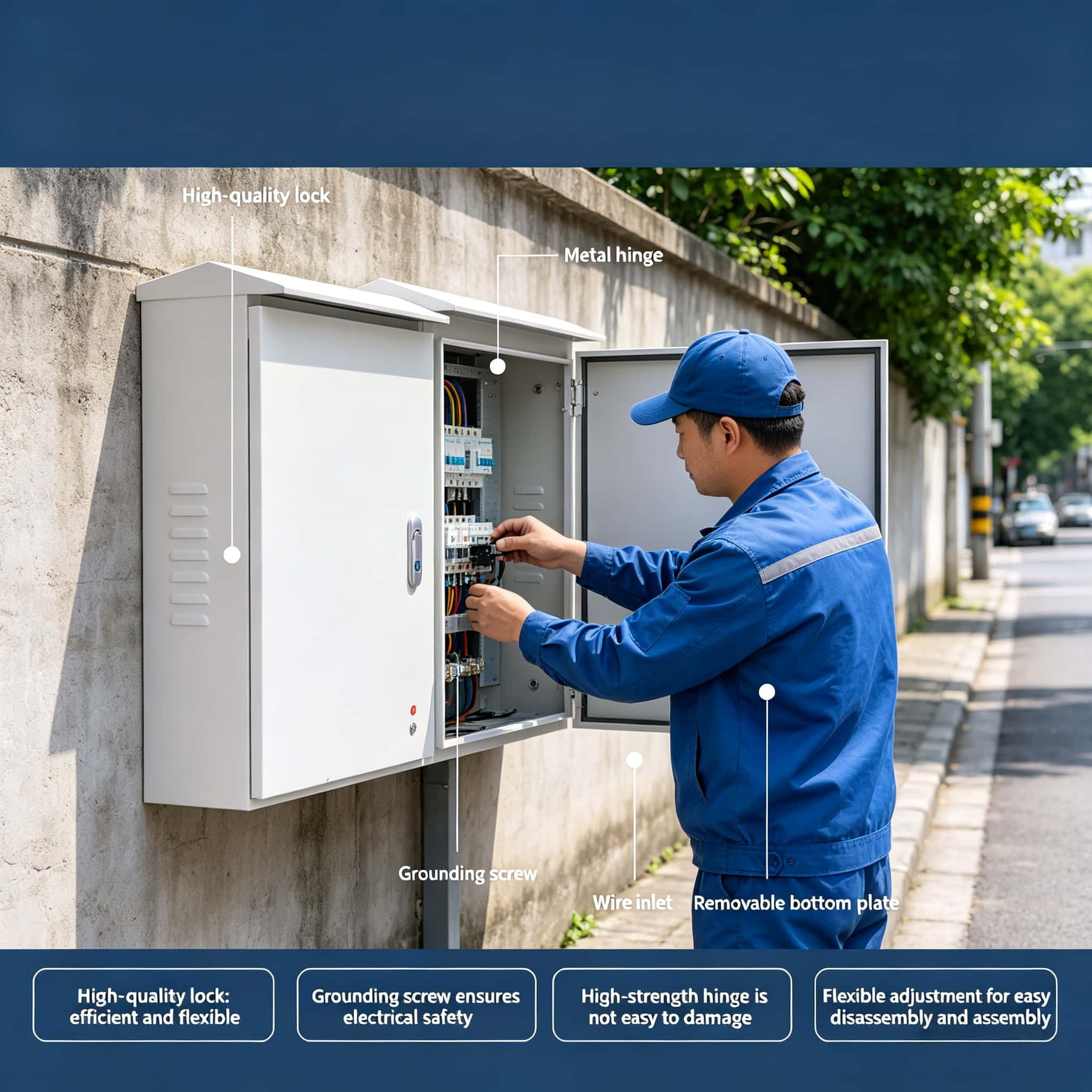
2. The Real Cost of Poor Material Storage
| Problem | Typical Consequence | With a Proper Storage Container |
|---|---|---|
| Theft of tools and materials | Direct loss, replacement cost, project delay | Lockable steel body deters and delays thieves |
| Weather damage | Rust, rot, spoilage of materials and equipment | Watertight, weatherproof protected interior |
| Missing items | Re-purchasing, idle crews, schedule slips | Organized shelves and inventory visibility |
| Health and safety | Trips, falls, hazardous materials unsecured | Contained, segregated, tidy storage areas |
| Site handover | Unaccounted assets and disputes | Auditable stock and clean site at handover |
| Insurance exposure | Higher premiums, rejected claims | Demonstrable security measures on record |
Experienced site managers treat storage as part of the production system, not an afterthought — because every minute a crew spends hunting for a tool or waiting for re-delivered material is unbilled time.
3. What a Material Storage Container Is
A material storage container is a robust, usually steel-bodied enclosure designed to store site or facility assets securely and protect them from the environment. It differs from a general shipping-style box in that it is equipped for practical use: secure locking systems, ventilation, shelving options, internal lighting points, and sometimes power, insulation or climate control depending on what is stored. Units can be delivered ready to use, positioned with a forklift or crane, and relocated when the project moves on.

4. Types and Configurations
| Type | Best For | Key Features |
|---|---|---|
| Standard dry storage container | Tools, hardware, PPE, general materials | Lockable steel body, shelves, good ventilation |
| Weatherproof / sealed container | Moisture-sensitive goods, electronics, cement, timber | Sealed roof and doors, condensation control |
| High-security container | Valuable tools, instruments, cables, hazardous cash items | Reinforced doors, high-security locks, anti-pry bars |
| Insulated container | Temperature-sensitive materials, paints, adhesives | Insulated panels, optional heater or cooler |
| Hazardous-material store | Fuels, chemicals, waste segregation | Spill containment, ventilation, signage, segregation |
| Multi-purpose site cabin | Combined store + site office or welfare room | Partitioned interior, lighting, power, windows |
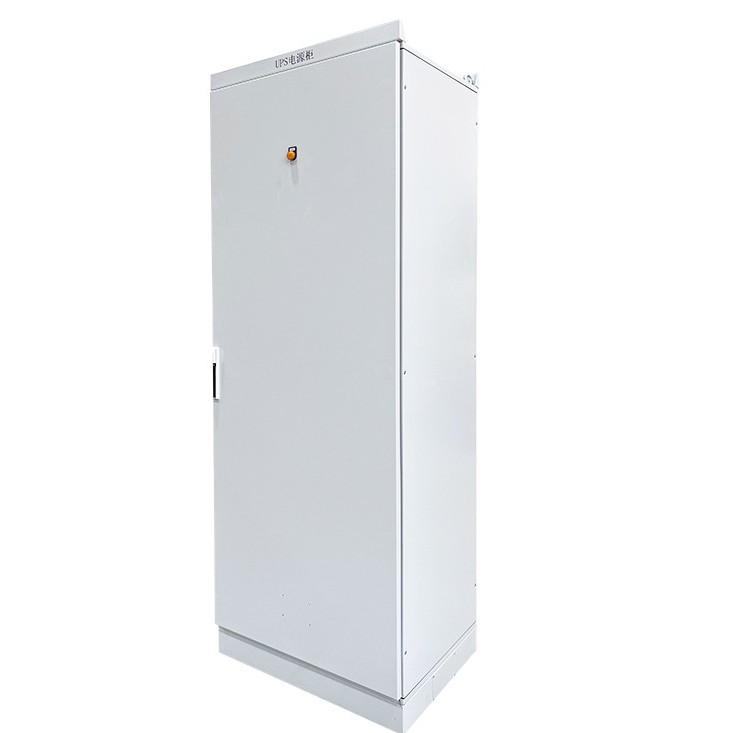
5. Key Design Features to Look For
- Steel construction — corrugated or flat-panel steel body that resists impact, fire and forced entry.
- Secure locking — heavy-duty padlock points, multi-point locking doors or high-security lockboxes; electronic locks add audit trails.
- Watertightness — sealed roof seams, drip-proof door thresholds and sealed vents keep contents dry.
- Ventilation — passive or powered vents reduce condensation, mould and fumes.
- Interior fittings — shelving, racking, tool boards, workbench and lighting can be configured to the contents.
- Flooring — steel or treated plywood floors rated for the load they will carry.
- Access — side or end doors, full-height double doors for bulky goods, or personnel doors for daily access.
- Mobility — forklift pockets, corner castings or skids allow lifting and relocation.
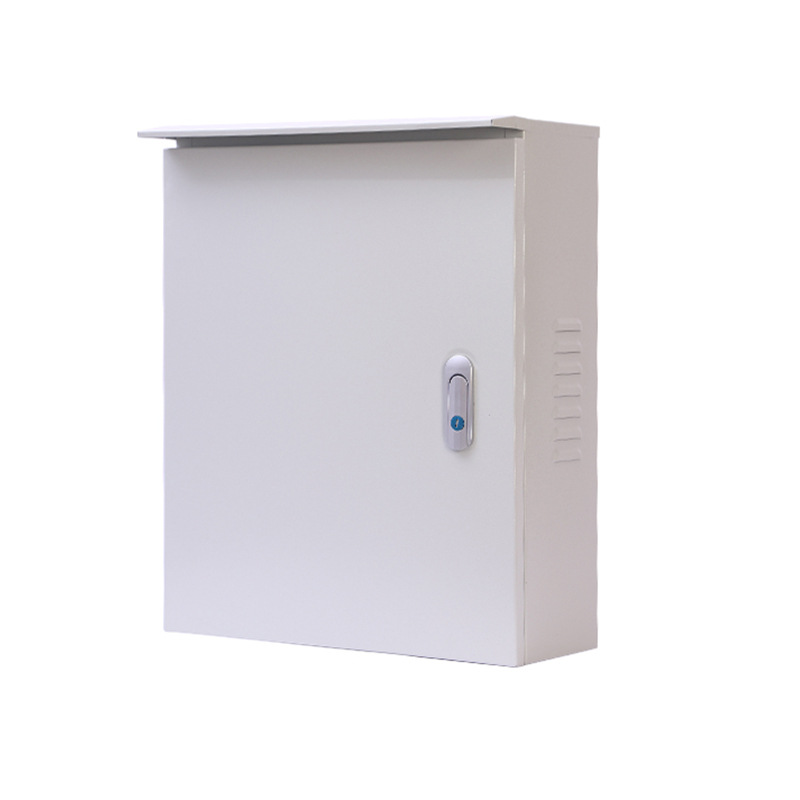
6. Security: Protecting What Pays the Bills
Construction and industrial sites are attractive targets because tools and materials are valuable and often left unattended overnight. A material storage container is the first line of defence: hardened steel, concealed hinges, anti-pry protection and high-security locks make forced entry slow and noisy. For extra protection, KITOZER offers electronic access control and monitoring integration — door sensors, alarm outputs and camera coordination — so any attempt to open the container outside working hours raises an alert. Combined with good site lighting and perimeter control, a secure container turns theft from an accepted loss into a rare exception.
7. Organizing the Interior for Productivity
Storage is only as good as its organization. Recommended practice: group items by frequency of use with fast-moving consumables nearest the door; store heavy items low and chemical products in dedicated segregated cabinets; label shelves and bins clearly; keep an up-to-date inventory, even a simple sheet or app; and assign responsibility for the store to one person. When every item has a home, crews spend minutes instead of hours finding what they need, and shortages are spotted before they stop work.
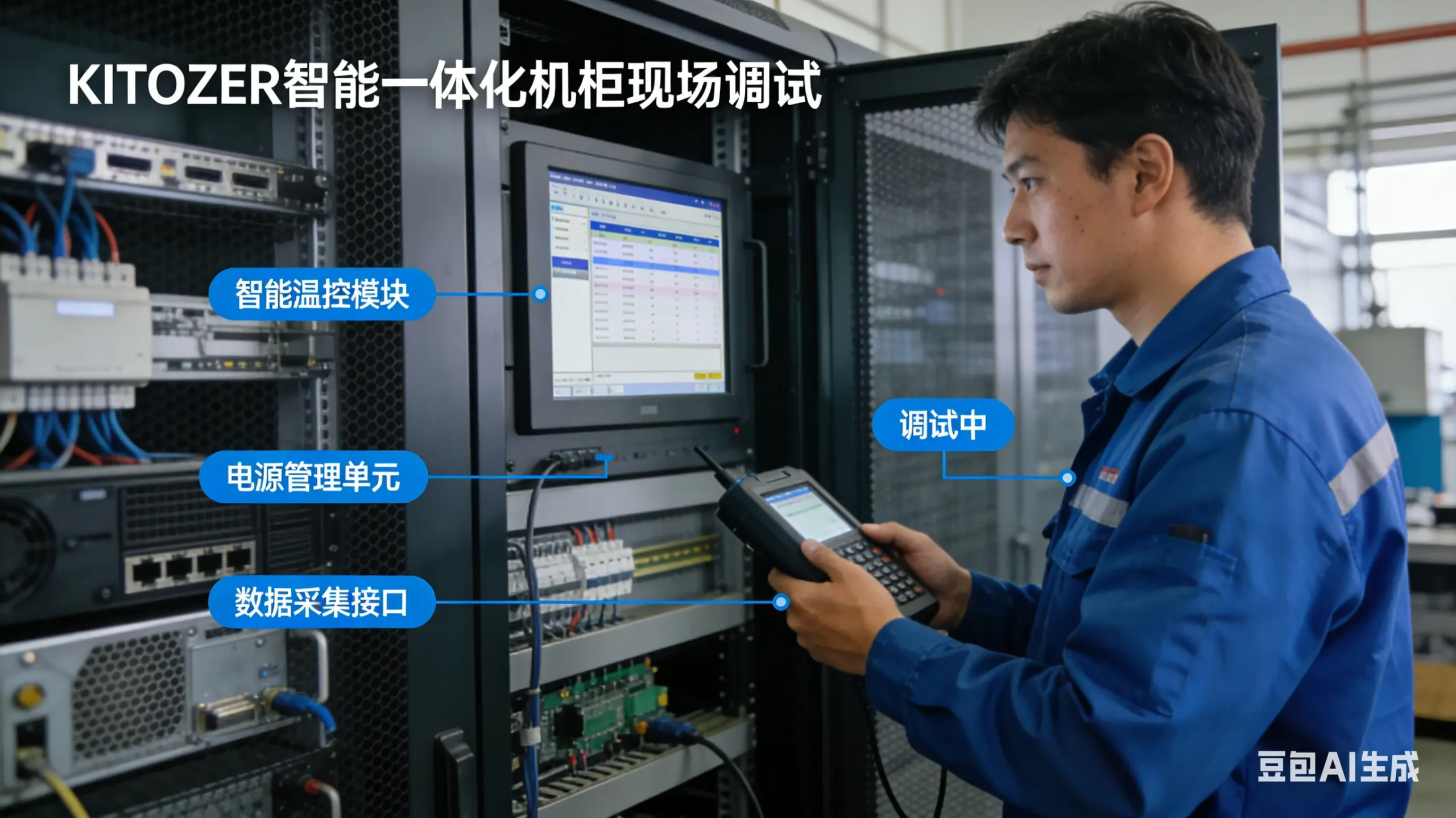
8. Applications Across Industries
| Industry | Storage Needs |
|---|---|
| Construction and civil engineering | Tools, formwork, fittings, cement, PPE on site |
| Industrial plants and maintenance | Spare parts, instruments, lubricants, work-in-progress |
| Telecom and utilities | Cables, enclosures, test equipment, field tools |
| Agriculture and farms | Feed, machinery parts, chemicals, harvest equipment |
| Events and exhibitions | Cables, staging, signage, AV equipment between shows |
| Facilities and campuses | Seasonal equipment, archive materials, maintenance stock |
Because the same container can be relocated from project to project, it is an asset that keeps working rather than a one-site expense.
9. Sizing and Layout Guidance
Choose size by volume of inventory plus working space, not by current stock alone — allow 20–30% spare capacity for growth and for moving around inside. As a rule of thumb, a small site office store might need 3–6 m², a mid-size construction crew typically uses a 6–12 m container or equivalent, and larger yards combine several units — one for tools, one for materials, one for hazardous or high-value goods. Place the container on level, drained ground close to the work area but clear of crane swings and vehicle routes, and leave door clearance for loading.
10. Customization from Lain
- Dimensions and layout — built to the footprint and internal layout you need, including partitions and shelving.
- Climate protection — insulation, ventilation, heating or cooling options for sensitive contents.
- Power and lighting — internal LED lighting, sockets and inlet arrangements for tools and chargers.
- Security upgrades — electronic locks, access control, door sensors and alarm integration with monitoring platforms.
- Finish and branding — corrosion-resistant paint systems, site colours and signage.
- Compliance — hazardous-material stores with spill containment and correct labelling for regulated goods.
11. Delivery, Positioning and Lifecycle
Containers are delivered on a flatbed or with a hook-lift and positioned with a crane or forklift using the lifting pockets. The site should prepare a level, compacted area before delivery. Once in place, routine care is simple: keep door seals clean, check locks and hinges, clear roof debris and re-paint any damaged areas to prevent corrosion. With modest maintenance a steel storage container serves for decades and retains resale value, and when the project ends it can be relocated — which is exactly why mobile site teams standardize on containerized storage.
12. Frequently Asked Questions
Material Storage Container FAQ
1. What is a material storage container used for?
It is a lockable, weatherproof, relocatable unit for storing tools, materials and equipment on construction sites, industrial yards, farms and similar locations, protecting inventory from theft and weather.
2. What sizes are available?
Containers are built in a wide range of sizes from small 3–6 m² stores to full 20/40-foot-equivalent units, and Lain also manufactures custom dimensions to match your site and inventory.
3. How secure is a storage container?
Heavy-gauge steel, reinforced doors, anti-pry protection and high-security locks deter forced entry; electronic access control and door sensors with alarm integration add a further layer for valuable stock.
4. Can the container be moved to a new site?
Yes — lifting pockets and corner castings allow crane or forklift relocation, which is why containerized storage suits mobile work crews and multi-project operations.
5. Do I need planning permission to place one?
Requirements vary by region and duration; temporary site storage often needs only site approval, but permanent placement may require local permits — check with your site authority before installation.
6. Can it store hazardous materials?
Yes, when built as a dedicated hazardous-material store with spill containment, ventilation, segregation and correct labelling to the applicable regulations.
7. Will materials stay dry inside?
A properly sealed container with drip-proof doors and controlled ventilation keeps contents dry; for moisture-sensitive goods choose sealed construction and optional climate control.
8. Can you add shelving, lighting and power?
Yes — interiors are configured with shelving, racking, tool boards, LED lighting, sockets and power inlets according to what you store.
9. How long does delivery take?
Standard units can often be delivered within days depending on location; custom-built containers require a short manufacturing lead time and are shipped worldwide.
10. How do I maintain a steel storage container?
Keep door seals clean, check locks and hinges regularly, clear roof debris, and repair any scratches or corrosion promptly with touch-up paint to protect the steel.
13. Related Solutions
- Knock-Down Container (Flat-Pack Storage Shelter)
- Cold-Chain Container (Refrigerated Storage)
- General Outdoor Cabinets
- Industry Application Outdoor Cabinets
- Cabinet Fabrication (Custom Sheet-Metal Enclosures)
- Cabinet Access Control (Electronic Locks)
About Guangzhou Lain Intelligent System Development Co., Ltd.
Guangzhou Lain Intelligent System Development Co., Ltd. supplies secure material storage containers and integrated enclosure solutions — lockable, weatherproof and relocatable — protecting tools, materials and equipment on sites worldwide. From single rooms to enterprise facilities, KITOZER provides design, manufacturing, integration, testing and after-sales service. Export and support scope are confirmed on the quotation.
Contact us for a free technical consultation:
- Company: Guangzhou Lain Intelligent System Development Co., Ltd.
- Address: 1st Floor, Building A, Chaotian Industrial Park, Zhongrun Industrial Park, Shilou Town, Panyu District, Guangzhou, Guangdong, China
- Tel/WeChat: +86 13538869979 | +86 13538869979
- WhatsApp: +86 135-0923-8849
- Email: zl19068534140@gmail.com
- Website: www.gdlain.com | Request a Quote
Typical response time: within one business day. Project references, drawings and samples are available on request.